Chlamydia’s Toll in Rural Towns
Quick Answer: Untreated chlamydia can lead to pelvic inflammatory disease (PID), infertility, chronic pelvic pain, and testicular damage. Maybe you’ve had unprotected sex with someone you trusted. Maybe the condom broke.

Quick Answer: Untreated chlamydia can lead to pelvic inflammatory disease (PID), infertility, chronic pelvic pain, and testicular damage. In rural communities, limited access to care makes early testing and treatment harder, often turning a silent infection into a lifelong consequence.
Who This Article Is For, and Why It Matters
If you’ve ever googled “STD symptoms but no discharge” or found yourself quietly wondering if that pain is something more, this article is for you. If you live in a small town, if the nearest OB/GYN is an hour away, or if you’ve skipped testing because you didn’t want anyone at the local clinic to know, you’re not alone. Rural communities carry a disproportionate burden of untreated STDs, and chlamydia tops that list.
Maybe you’ve had unprotected sex with someone you trusted. Maybe the condom broke. Maybe it was a new partner and you didn’t know their history. Or maybe you’ve only had one partner ever, and still ended up infected.
This guide is here to show you that it’s not about blame. It’s about knowledge, timing, and protecting your future self. We’ll walk through how chlamydia behaves when ignored, why it hits differently in rural areas, and how to test without going to a clinic.

Why Chlamydia Often Goes Undetected in Small Towns
Chlamydia is notorious for being stealthy. Up to 70% of infected women and about half of infected men show no symptoms. That’s a problem anywhere, but in rural communities, it’s a ticking time bomb. Lack of symptoms means no reason to test. No testing means no treatment. No treatment means damage that may not show up until it's too late.
In towns where everyone knows everyone, walking into the clinic, even for a Pap smear, can feel like confessing to a crime. Patients delay care out of shame, fear of gossip, or sheer inconvenience. One high school senior from Kansas told a sexual health advocate, “I would’ve had to lie to my parents and drive 2 hours to a Planned Parenthood. I just hoped it would go away.”
But chlamydia doesn’t go away on its own. It moves from the cervix or urethra deeper into the reproductive system. For women, that means increased risk of pelvic inflammatory disease. For men, it can mean epididymitis, painful swelling in the testicles, and potential fertility issues.
What Happens When Chlamydia Goes Untreated
The physical consequences of untreated chlamydia aren’t just medical, they’re emotional, financial, and relational. Here’s what can happen when the infection is left to run its course:
| Stage | Timeline | Potential Effects |
|---|---|---|
| Initial Infection | 0–2 weeks | Often asymptomatic, or mild discharge, burning, pelvic pressure |
| Ongoing Infection | 2 weeks–3 months | Spreads to reproductive organs, increased risk of transmission to partners |
| Complications Begin | 3–6 months | PID, fallopian tube scarring, chronic pelvic pain, testicular inflammation |
| Long-Term Impact | 6+ months | Infertility, ectopic pregnancy risk, sexual dysfunction, partner reinfection loop |
Table 1: Progression of untreated chlamydia and its consequences. These timeframes are estimates and vary by individual. Lack of symptoms doesn’t mean the infection isn’t advancing.
The One Time She Didn’t Use a Condom
Dani, 29, lived three hours from the nearest testing site. She and her partner had always used condoms, except once. “It felt safe,” she said. “We’d been talking for a while, and he said he was clean.” Months later, Dani started experiencing bloating and bleeding after sex. She assumed it was hormonal.
When she finally got tested, during a visit to a city hospital, the result was positive for chlamydia. Further scans showed early signs of tubal damage.
“I thought I was too old to get an STD. I thought it was something teenagers got. I didn’t know it could literally steal my ability to have kids.”
Her story isn’t unusual. Many rural patients wait until the damage shows up as infertility, miscarriage, or ongoing pelvic pain before learning they were infected months, or years, ago.
Why Rural Testing Gaps Make Chlamydia So Dangerous
Even in 2026, access to basic sexual health care in rural America can feel like a game of roulette. Clinics are closing. Sexual health departments are underfunded. And people without transportation or flexible work schedules are left guessing. For chlamydia, that delay can turn a treatable infection into irreversible harm.
In some counties, there's not a single OB/GYN within 100 miles. Confidentiality becomes a luxury, not a right. The pharmacist might be your cousin’s friend. The receptionist knows your mom. So people don’t ask, don’t test, and don’t talk, until it’s too late. A study published in the Journal of Rural Health found that women in rural areas are significantly less likely to be screened for chlamydia during routine care, even when they meet CDC testing criteria.
This isn’t just about inconvenience, it’s a structural health inequity. When a person wants to test but literally can’t, the risk of long-term complications rises with each passing week.
Can You Test for Chlamydia Without Going to a Clinic?
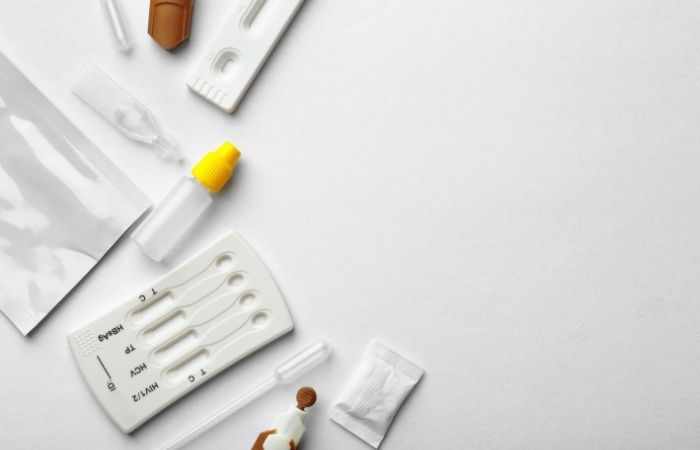
Yes, and for many rural readers, at-home STD testing is a lifeline. If you’re hours from a clinic, uninsured, or just want to avoid the social cost of being seen at the local health department, discreet testing kits can help bridge the gap. They typically use urine samples or vaginal swabs, which are self-collected and mailed or read at home depending on the test type.
At-home chlamydia tests fall into two categories:
| Test Type | How It Works | Speed | Accuracy Range | Best For |
|---|---|---|---|---|
| Rapid Test (Lateral Flow) | Read result in 10–15 minutes at home | Same-day results | 85–98% (varies by use and timing) | People needing fast, private answers |
| Mail-In Lab Test | Send sample to lab, get results online | 2–5 days after mailing | 98–99% (lab-grade PCR/NAAT) | Those wanting high accuracy from home |
Table 2: At-home chlamydia testing options, with speed and accuracy trade-offs. Always follow the package instructions carefully for best results.
If you're in a place where even mail pickup is complicated, know this: many test kits are shipped in unmarked packages and fit easily in mailboxes. You don’t need a lab, a waiting room, or a long drive to take control of your sexual health.
Why Timing Matters: Window Periods and Missed Diagnoses
If you recently had unprotected sex or were exposed to something, you might want to test the next day. But here's the deal: testing too soon can give you false negatives. The "window period" is the time between when you are exposed to something and when a test reliably shows that you have an infection.
That time frame for chlamydia is usually between 7 and 14 days. That means that even if you're infected, a test done within 48 hours of being exposed might not find anything. Understanding this timing is very important in rural areas where people may only get tested once in a while.
Most of the time, the best time to test is 14 days after exposure, when the results are most accurate. If you test early, you should plan to test again in a few weeks, even if the first test is negative.
Here’s a breakdown of how window periods affect testing:
| STD | Earliest Test Time | Ideal Test Time | Why It Matters |
|---|---|---|---|
| Chlamydia | 7 days | 14+ days | Reduces false negatives |
| Gonorrhea | 5 days | 7–14 days | Often co-infects with chlamydia |
| Syphilis | 3 weeks | 6+ weeks | Antibodies take longer to form |
| HIV | 10–14 days (NAAT) | 3–6 weeks (Ag/Ab test) | Different tests have different windows |
Table 3: Window periods for key STDs. Understanding timing helps avoid false reassurance and late diagnoses.
If you're unsure when you were exposed or if you’ve had multiple partners, it’s safer to err on the side of testing later, or retesting. One negative result isn’t always the end of the story.
Why It’s Harder to Retest in Rural Settings (And What You Can Do)
In cities, retesting might be as easy as swinging by a clinic after work. But in rural life? That might mean missing a shift, borrowing a car, or waiting until your next trip to a bigger town. This is where a single test often becomes a single point of failure, and that’s dangerous when infections like chlamydia can reappear or persist silently.
If your first test was done early or was negative but symptoms develop later, plan to retest in 3–4 weeks. Likewise, if you’ve completed treatment, confirm clearance with a follow-up test 3 weeks after antibiotics. This is especially critical if you're trying to conceive or are experiencing pelvic pain.
Retesting isn't overkill, it’s a safety net. And when geography makes that harder, at-home kits become even more vital. You can order a combo test kit here to check for chlamydia and other common STDs from one swab or sample.
What Happens After a Positive Chlamydia Result?
Getting that positive result, whether by mail, in a clinic, or from an at-home test, can feel like a gut punch. But here’s the truth: chlamydia is curable, and most cases are cleared with a simple course of antibiotics. The real danger isn’t the diagnosis, it’s the delay.
If you’re in a rural area and test positive, your first step should be to connect with a healthcare provider who can prescribe treatment. This may be through:
- Local health departments: Many offer sliding scale or free STD treatment, even if they’re far away.
- Telehealth services: Online STD treatment is now available in most states. Prescriptions can be sent to your closest pharmacy.
- Urgent care or community clinics: Some small-town providers offer walk-in services if you're able to make the trip.
If you used an at-home test kit that doesn’t come with telehealth support, follow up with a licensed provider or use services like Planned Parenthood to arrange treatment. Don’t wait for symptoms to get worse.
And don’t stop with treatment. Make a plan to notify any recent sexual partners. Yes, it’s awkward. But untreated chlamydia can bounce back and forth in a couple, even after one person is cured. Reinfection is common, and preventable.
How to Tell a Partner (Even in a Small Town)
This is where rural stigma hits hardest. In a close-knit town, word travels fast. People stay quiet, not because they don’t care, but because they don’t know how to tell someone they might’ve been exposed.
But silence has consequences. If your partner doesn’t get treated, they can pass the infection back to you. Or to someone else. And they may not even know they’re infected.
Here are real, practical ways to notify a partner without creating gossip:
- Use anonymous partner notification tools: Services like TellYourPartner.org let you send an anonymous message by text or email.
- Send a clear, direct message: “I tested positive for chlamydia and was told to let partners know so they can get tested too. I wanted to be honest with you.”
- Focus on health, not blame: STDs aren’t a judgment, they’re an infection. The goal is shared care, not punishment.
You can even offer to test together, or send them the same at-home kit you used. Normalize the conversation. You might be surprised by how relieved they are that you told them.
Long-Term Effects of Untreated Chlamydia
Let’s not sugarcoat this. If chlamydia goes untreated, especially for months or years, it can cause lifelong complications, many of which show up long after the infection has cleared or faded into the background.
In women
- Pelvic Inflammatory Disease (PID)
- Blocked fallopian tubes
- Ectopic pregnancy risk (a life-threatening condition)
- Chronic pelvic pain
In men
- Epididymitis (testicle inflammation)
- Possible infertility
- Reactive arthritis (painful joints triggered by infection)
In newborns (if passed during birth)
- Eye infections (conjunctivitis)
- Pneumonia
And yet, all of this is preventable. The hard part isn’t treatment, it’s getting tested in the first place. In rural areas, where care is sparse and stigma is strong, those first steps can feel enormous. But they’re lifesaving.
Emotional Fallout: It’s Not Just Physical
Let's be honest: getting a positive test for an STD, especially in a small town, can make you feel bad about yourself. Shame, loneliness, and fear of being judged all hit hard. Some people don't want to get into relationships in the future. Some people take the stigma to heart and stop asking for help.
But a diagnosis doesn't tell you who you are. It means that your body did its job by sounding the alarm when something was wrong. Care is what treatment is, not punishment. And deciding to take the test, even when it’s hard or scary, is brave and responsible.
You're not the only one who is having a hard time. You can get private mental health help online, and sexual health forums or Reddit groups like r/STD are great places to ask questions and get support from people who have been through the same thing.
You need to do more than just take antibiotics to get better from chlamydia. You also need to learn to trust your body, your choices, and your relationships again. That starts with knowledge and access, which you now have.
FAQs
- 1. Can chlamydia really go away on its own?
- Nope. That’s one of the biggest myths out there. Chlamydia doesn’t “clear up” like a cold. Without treatment, real, prescribed antibiotics, it sticks around quietly, often doing damage behind the scenes. You might feel fine now, but untreated infections can mess with your reproductive system months (or even years) later.
- 2. How long could I have chlamydia without realizing it?
- Way longer than most people think. Some folks carry it for months, even years, without a clue. We’ve heard stories of people finding out during fertility testing, or after a partner tests positive, and realizing it’s been there the whole time. No symptoms doesn’t mean no infection.
- 3. Can guys have chlamydia and not know it?
- Absolutely. Half of men with chlamydia don’t notice any symptoms. No burning, no discharge, nothing. Others get a mild tingle or weird feeling while peeing and shrug it off. One guy told us he thought it was dehydration. Spoiler: it wasn’t. That’s why testing matters, even if you feel totally fine.
- 4. What happens if I ignore it and just hope for the best?
- We get it, testing can be intimidating. But ignoring chlamydia doesn’t make it disappear. Left untreated, it can cause pelvic inflammatory disease, chronic pain, blocked tubes, or testicle inflammation. It can even affect your chances of having kids later. And the worst part? You might never know it’s happening until it’s done.
- 5. I live in a tiny town. Is there a way to test without anyone knowing?
- Yes. You don’t have to walk into a clinic and face your neighbor’s cousin at the front desk. At-home test kits are discreet, accurate, and mailed in unmarked packaging. You can order a chlamydia test here, no appointment, no awkward eye contact, just answers.
- 6. Can chlamydia actually mess with fertility?
- Big time. It’s one of the leading causes of infertility, especially in people who never had symptoms and never got treated. It can scar fallopian tubes, increase your risk of ectopic pregnancy, and reduce sperm quality. This isn’t scare tactics, it’s biology. Catch it early, treat it fully, and you protect your future.
- 7. Is it safe to treat chlamydia without seeing a doctor in person?
- Totally, if you’re working with a licensed provider. These days, many telehealth services can prescribe treatment after a virtual consult. What’s not safe? Taking leftover meds, borrowing pills from a friend, or winging it with Google. You need the right antibiotic, the right dose, and the full course.
- 8. How do I tell someone I might’ve exposed them?
- This is tough, but important. You can say, “Hey, I tested positive for chlamydia and wanted to let you know so you can get checked too.” No drama, no blame, just facts and care. Not up for a direct convo? Use TellYourPartner.org to send an anonymous message. It’s discreet, fast, and saves you the awkward speech.
- 9. Can I really test from home if I’m hours from a clinic?
- Yes, and honestly, that’s what these kits were made for. You collect your sample (usually urine or a swab), follow the instructions, and either get instant results or mail it in. If you live off-grid or just want privacy, at-home STD testing is your new best friend.
- 10. When should I retest after treatment?
- Three months after treatment is the CDC’s gold standard. But if you had symptoms or got treated quickly after exposure, it’s smart to test again after 3–4 weeks to be sure it’s gone. Also: if your partner didn’t get treated too, you’ll just pass it back and forth like a bad cold. Retest, re-clear, move on.
You Deserve Answers, Not Assumptions
If you’re reading this because you’re worried, about symptoms, a past hookup, or the fact that you’ve never been tested, you’re already doing the right thing.
Rural healthcare gaps are real, but they don’t have to block your path to clarity. Untreated chlamydia can steal your health slowly and silently. But knowing what to look for, and how to test, is the most powerful first step you can take.
How We Sourced This Article: We combined current guidance from leading medical organizations with peer-reviewed research and lived-experience reporting to make this guide practical, compassionate, and accurate. In total, around fifteen references informed the writing; below, we’ve highlighted some of the most relevant and reader-friendly sources.