How Soon After Sex Can I Test for Gonorrhea?
Quick Answer: The best time to test for gonorrhea is 14 days after exposure. Testing earlier may detect infection, but you may need to retest if results are negative and symptoms develop. We’re here to guide.

Quick Answer: The best time to test for gonorrhea is 14 days after exposure. Testing earlier may detect infection, but you may need to retest if results are negative and symptoms develop.
Who This Article Is For (And Why It Matters)
This article is for anyone staring at the ceiling at 2AM after a hookup, wondering if one night was all it took. It’s for people who had a condom break, who received or gave oral, who trusted someone’s STI status, or who just got caught up in the moment. Maybe you’re feeling sick with guilt, or maybe you’re just being smart. Either way, we’re not here to judge. We’re here to guide.
Testing isn’t just about finding out if something went wrong. It’s about taking ownership of your health, protecting partners, and getting answers before fear spirals. We'll cover exposure risk, window periods, when to test and retest, and how to interpret early results. If you're in the middle of post-hookup panic, you're in the right place.

Can One Hookup Really Give You Gonorrhea?
Yes, unfortunately, it only takes one exposure. Gonorrhea is one of the most contagious STIs. According to the CDC, the risk of transmission during unprotected vaginal or anal sex with an infected partner can be as high as 50% for a single encounter. Oral sex, often wrongly dismissed as “low risk,” can still transmit oral or genital gonorrhea, especially if ejaculation occurs, but even without it.
Gonorrhea spreads through contact with mucous membranes. That includes the genitals, anus, throat, and even eyes. And it doesn’t care if you used protection “most of the time”, it only needs one moment, one lapse, one exposure. What makes it worse is that many people don’t know they’re infected, especially if they’re asymptomatic.
That means even a seemingly “safe” partner can unknowingly pass it on. Testing isn't about mistrust, it's about information. And the sooner you get clear on your timing, the better your results will be.
What Happens Right After Exposure?
Let’s say the exposure happened last night. You’re googling everything from “gonorrhea test after one night” to “can you get STDs from oral?” In those first few days, the bacteria may have entered your system, but it hasn’t multiplied enough for a test to detect it yet.
This delay is called the window period, the time between infection and when a test can reliably pick it up. During this period, you might already be infected and capable of passing it on, even if a test comes back negative.
That’s why testing too early can backfire. It may offer false reassurance, which can delay treatment or put partners at risk. But you don’t have to wait forever. Let’s break down what we know about gonorrhea's timeline.
Gonorrhea Testing Window: What the Science Says
When experts say “wait to test,” they’re not trying to torture you. They’re trying to protect you from false negatives. Here's how long it takes for gonorrhea to show up reliably in testing, based on the type of test and where the infection is:
| Test Type | Sample | Detection Starts | Peak Accuracy |
|---|---|---|---|
| NAAT (Nucleic Acid Amplification Test) | Urine, throat swab, rectal swab, vaginal swab | 5–7 days after exposure | 14+ days after exposure |
| Rapid Gonorrhea Test (Lateral Flow) | Urine or swab | 7–10 days after exposure | 14–21 days after exposure |
Figure 1. Gonorrhea testing accuracy by test type and timing. Early testing is possible, but may require retesting if negative.
If you’re not sure what kind of test you’re getting, ask. Many at-home and clinic tests use NAAT technology, which is the gold standard for accuracy. Others may use antigen-based rapid tests, which offer results in minutes but may be slightly less sensitive in early infection windows.
Testing Too Early Can Mislead You
We get it, you want answers right now. But testing on day two or three may not help. Consider this real-world example:
Marcus, 27, had unprotected sex with a new partner while traveling. Panicked, he took an at-home gonorrhea test four days later. It came back negative, and he felt relief, until ten days later, when he noticed burning during urination and mild discharge. A clinic NAAT test came back positive.
“I thought I was in the clear,” he said. “But I tested too early, and that cost me two more partners I could’ve warned.”
This is why retesting matters. It’s not about overreacting. It’s about being accurate. The earlier you test, the more important it becomes to test again at the two-week mark or if symptoms emerge.
Why Symptoms Aren’t a Reliable Guide
Here’s the truth: most people with gonorrhea don’t have symptoms right away, if at all. That’s what makes it so easy to spread unknowingly. According to the CDC, more than 50% of people with gonorrhea may be asymptomatic, especially those with infections in the throat or rectum.
Even when symptoms show up, they can be subtle, delayed, or mistaken for something else, like a urinary tract infection, yeast infection, or even dehydration. This is especially true for women, trans individuals, and people with receptive anal sex exposure.
Common symptoms of gonorrhea (when they appear):
| Infection Site | Possible Symptoms | Onset Time |
|---|---|---|
| Genital (penis) | Burning urination, discharge, testicular pain | 2–7 days |
| Genital (vagina) | Discharge, pelvic pain, bleeding between periods | Up to 10 days |
| Rectal | Discomfort, bleeding, discharge, no symptoms | Often silent |
| Throat | Sore throat, mild irritation, no symptoms | Often silent |
Figure 2. Symptoms of gonorrhea by infection site and onset time. Silent infections are common, especially in the throat and rectum.
This means you can’t wait for symptoms to appear before testing, or assume you’re safe if you feel fine. Symptom-based testing misses far too many cases. That's why timing and exposure history matter more than how you feel.
Exposure Scenarios: Should You Worry?
Not all exposures are equal, but all carry some level of risk. If you're trying to decide whether testing is worth it, here's what to consider based on how the sex went down:
- Unprotected Vaginal or Anal Sex: This is the highest-risk scenario for gonorrhea transmission. One-time exposure can be enough, especially if your partner hasn’t been tested recently or has other partners.
- Oral Sex (Giving or Receiving): Gonorrhea can absolutely be transmitted through oral sex, even without ejaculation. Throat infections often go unnoticed and can still be passed to others.
- Condom Broke or Slipped: Even brief contact before or after condom use can result in exposure. If you had genital-to-genital contact at any point, testing is a good idea.
- Touching, Rubbing, Fingering: Lower risk, but not zero, especially if there were fluids involved and direct contact with mucous membranes.
- Partner Said They're “Clean”: Many STIs, including gonorrhea, are asymptomatic. Unless they tested recently and specifically for gonorrhea (and other STDs), it’s not a reliable guarantee.
If any of these scenarios fit, even loosely, testing is the safest move. You’re not being dramatic, you’re being responsible.
When Exactly Should You Test?
Let’s get precise. Here’s how to time your testing based on the day of your exposure. Use this as your testing roadmap:
- Days 1–4: Too early. The bacteria may not be detectable yet. Testing during this period may give false negatives.
- Days 5–10: Early window. NAAT tests may start to detect infection. If you test now and it's negative, plan to retest at day 14.
- Day 14: Best time to test. This is the point where most NAAT and rapid tests reach peak sensitivity.
- After Day 21: Still valid. Especially if you have ongoing symptoms, test again to confirm, even if earlier tests were negative.
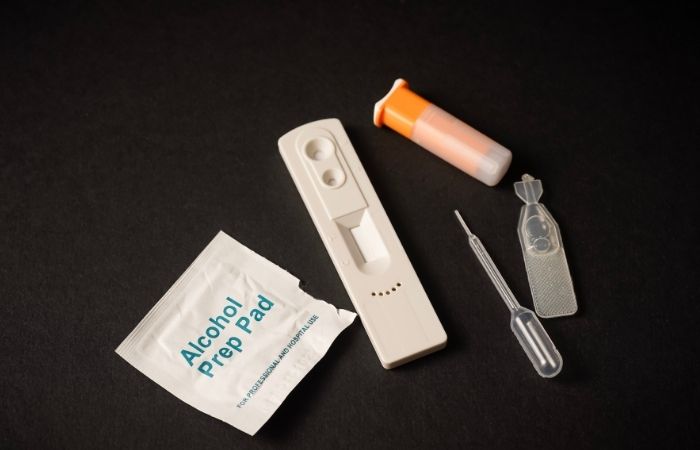
Wondering what kind of test fits your situation? Our Combo STD Home Test Kit screens for gonorrhea, chlamydia, syphilis, and more, no appointments, no judgment, no lab waiting rooms.
If your head keeps spinning, peace of mind is one test away. You can discreetly order an at-home kit and test when you're ready. Just make sure you do it at the right time to get reliable results.
What If I Test Negative But Still Feel Off?
This happens more than you think. Let’s say you tested on day 7, got a negative result, but now you’re noticing discharge or pain, or maybe just a gut feeling that something’s wrong. It could be that you tested too early. Or it could be another STI entirely.
Gonorrhea can co-occur with chlamydia, trichomoniasis, or even herpes. Many symptoms overlap. That’s why combo testing is often the smartest route, especially after a one-time, high-risk encounter.
If it’s been more than two weeks since exposure and symptoms persist, or if your exposure was especially high-risk, get retested. Trust your body and your instincts.
And remember: just because you tested negative doesn’t mean your partner will. Encourage them to test too. It’s not an accusation. It’s care.
Why You Might Need to Retest
If you tested early, or you’ve had ongoing symptoms, new exposures, or you're just not sure, retesting is the smart move. One negative result doesn't always mean you're clear, especially if you tested during the early window or used a rapid test without follow-up.
Here are the times when retesting is a good idea:
- You took a test before day 10: Retest on day 14 to make sure.
- You got treatment after testing positive: If your partner wasn't treated, you should get tested again in 3 to 4 weeks to make sure the infection is gone and to catch it again if it happens.
- You were exposed again after your test: Begin the testing window again from that new date.
- If your symptoms get worse or change, don't wait; get checked out again, especially if other STDs weren't ruled out.
Pro tip: If you're overwhelmed by dates, symptoms, and timing, our Testing Window Periods Guide has all the information you need in one place. Save it as a bookmark; you'll probably want to come back to it if you test again.
What About False Negatives?
This is one of the biggest worries after early testing, and it's a good one. Gonorrhea can "hide" at first, especially in the throat or rectum. Here are some things that can cause false negatives:
- Testing too soon: If the bacteria haven't grown enough, even the best test might not find them.
- Sample site mismatch: If the infection is in the throat, testing urine won't find it. Make sure you're testing the right area for the type of exposure you had.
- Incorrect sample collection: Not giving enough sample or swabbing the wrong way can lower accuracy, especially with tests done at home.
- Limits on the types of tests: Rapid lateral flow tests are quick, but they may not be as sensitive as NAATs done in a lab.
That's why it's important to test twice and use combo kits, and why timing is so important. It's not about being afraid. It's about being exact.
How to Protect Yourself Between Now and Then
Waiting to test can feel like torture, but it’s also a great time to protect yourself and others. Here’s how:
Hold off on new partners until you’ve tested at day 14 or beyond. If that’s not realistic, use protection every time, barriers for oral, vaginal, and anal sex.
Talk to your last partner. If you’re comfortable, let them know you’re getting tested. They might not even know they were exposed. If you need help with what to say, try this: “Hey, just a heads up, I’m testing for STDs after we hooked up. You might want to do the same just to be safe.”
Test for other STDs too. Gonorrhea rarely travels alone. A Combo STD Home Test Kit lets you screen for gonorrhea, chlamydia, syphilis, HIV, and more, all from home, with results in minutes.
Use the Risk Checker tool if you’re unsure what you’re dealing with. It’s free, private, and designed for moments exactly like this: Try the STD Risk Checker Quiz.
Privacy, Discreet Shipping, and Test Kit Support
If you're not ready to walk into a clinic, you’re not alone. That’s why STD Test Kits offers completely private, FDA-approved test kits delivered in unmarked packaging. No awkward pharmacy runs. No judgmental waiting rooms.
Here’s what to expect:
- Shipping: Arrives in 1–3 business days depending on location. The package is plain, no visible branding or health-related labels.
- Support: Step-by-step instructions are included. If you need help collecting or interpreting your result, customer support is available online.
- Billing: Your credit card statement won’t say anything health-related. Just a neutral billing name.
Whether you’re on a road trip, staying with roommates, or just need to keep things private, you’re covered. Your test. Your timeline. Your privacy.
If you’re still unsure which test is right, remember, there’s no harm in checking early if you’re prepared to test again later. The most important thing is taking that first step, even if you don’t have all the answers yet.
What If You Test Positive?
First: breathe. Testing positive for gonorrhea doesn’t mean you’re dirty, reckless, or broken. It means you caught an incredibly common, treatable infection, and you took responsibility by finding out.
Here’s what happens next:
- Confirm your result. If it was a rapid or at-home test, follow up with a clinic or telehealth provider for a second test if needed. Many providers will treat based on a positive rapid test, especially if you have symptoms.
- Get treated. Gonorrhea is typically treated with a single injection or oral antibiotics. Treatment is fast, simple, and effective when done properly. According to CDC treatment guidelines, ceftriaxone is the most effective first-line therapy.
- Avoid sex for 7 days after treatment. That gives your body time to fully clear the infection and prevents passing it to others.
- Notify recent partners. This can feel uncomfortable, but it can also stop the chain. You can use anonymous notification services or send a simple message like: “Hey, I tested positive for gonorrhea. You should get checked too, just in case.”
- Retest in 3–4 weeks. Reinfection is common. Even if you feel fine, make sure the treatment worked and that your partner was treated too.
Case in point: Alicia, 22, tested positive for gonorrhea after a Tinder date. She cried, panicked, then told her partner, who turned out to be positive too. Both got treated, and they stayed in touch. She retested three weeks later: all clear.
“I thought I’d feel shame,” she said, “but what I really felt was relief, because I finally knew.”
Don’t wait and wonder, get the clarity you deserve.
FAQs
- 1. Can one hookup really give me gonorrhea?
- Yes. It doesn’t matter if it was five minutes, one position, or “just oral”, gonorrhea only needs one chance. If your partner was infected (even without knowing), the bacteria can pass through vaginal, anal, or oral contact in a single encounter. It's not about body count. It's about exposure.
- 2. I feel fine. Should I still get tested?
- Yes, especially if you didn’t use protection. Most people don’t have symptoms, and that’s exactly how gonorrhea keeps spreading. Silent infections are common in the throat and rectum. Testing when you feel okay isn’t paranoia, it’s prevention.
- 3. How soon can I test after the hookup?
- Technically, some tests can pick it up after 5–7 days, but for best accuracy, wait at least 14 days. Testing too early might miss the infection and give you a false sense of security. If you can’t wait, test early, but plan to retest in two weeks.
- 4. What if the condom broke, just for a second?
- That second counts. Gonorrhea spreads through fluid contact, not just penetration. If there was skin-to-skin or genital-to-genital contact, even briefly, there's a risk. Don’t beat yourself up. Just test.
- 5. I got a negative result, am I safe now?
- Maybe. It depends on when you tested, how the sample was collected, and where the infection is. A urine test won’t catch throat or rectal gonorrhea. And testing before day 10 might miss it entirely. When in doubt, retest at day 14 or later.
- 6. Can gonorrhea really live in the throat?
- Yup, and you might not feel a thing. Throat gonorrhea is sneaky. You could have no symptoms at all but still be able to pass it to others during oral sex. It’s part of why “I feel fine” doesn’t always mean “I’m negative.”
- 7. How do I tell my partner if I test positive?
- Keep it short, calm, and direct. You don’t owe them your entire medical file, just the heads up. Try: “Hey, I tested positive for gonorrhea. You should get checked too.” It's awkward, but it's also care. Most people appreciate the honesty.
- 8. Can I test at home or do I need a clinic?
- You can absolutely test at home. Just make sure you're choosing the right kind, combo kits cover multiple STDs and usually use lab-grade NAAT technology. For throat or rectal exposure, you may need a clinic or specialty kit that includes those sites.
- 9. What if I test positive twice, does that mean I have it again?
- It could. Reinfection happens a lot, especially if your partner didn't get treated. If you tested too soon after taking antibiotics, it could also be DNA from the first infection that was still there. That's why most rules say to wait 3 to 4 weeks after treatment to test again.
- 10. Can I get rid of gonorrhea without meds?
- Nope. It doesn’t “go away on its own.” Without antibiotics, gonorrhea can cause serious issues like infertility, pelvic inflammatory disease, or joint problems. Treat it fast. Treat it right. It’s totally curable, but only if you act.
You Deserve Answers, Not Assumptions
Sex is supposed to feel good, not leave you stuck in a spiral of shame, panic, and late-night Googling. If you’re here, it means you’re already doing the right thing: getting informed, getting tested, and taking care of yourself.
Whether your last hookup was impulsive, romantic, regrettable, or just real life, what you do next matters more. Testing is power. Clarity is peace. And you don’t have to wait forever to get it.
How We Sourced This Article: We combined current guidance from leading medical organizations with peer-reviewed research and lived-experience reporting to make this guide practical, compassionate, and accurate. In total, around fifteen references informed the writing; below, we’ve highlighted six of the most relevant and reader-friendly sources. Every external link in this article was checked to ensure it leads to a reputable destination and opens in a new tab, so you can verify claims without losing your place.
Sources
CDC – Gonorrhea: Detailed Facts
CDC – 2021 Gonorrhea Treatment Guidelines
Gonorrhea: Prevalence, Screening, and Diagnostic Advances (NIH)
Mayo Clinic – Gonorrhea Overview
Planned Parenthood – Gonorrhea FAQs
Asymptomatic Gonorrhea Infections and Transmission Risk (JAMA)
Getting Tested for STIs | CDC (general guidance on STI testing including gonorrhea)
Gonococcal Infections & Gonorrhea Testing Guidelines | CDC
Gonorrhea Test (lab test overview) | MedlinePlus
Gonorrhea Diagnosis & Testing | Mayo Clinic
Sexually Transmitted Infections (STIs) Fact Sheet | WHO
Sexually Transmitted Infections: Impact and Cost | NCBI Bookshelf
STI Screening Recommendations | CDC
How Long It Takes Gonorrhea to Show Up on a Test | Healthline