Dating Someone Who Says They’re Clean? Ask This First
Quick Answer: "Clean" isn’t a medical status. Unless your partner has tested recently, and after the window period, you can't be sure. Ask when they were last tested and suggest testing together for clarity and care.

Quick Answer: "Clean" isn’t a medical status. Unless your partner has tested recently, and after the window period, you can't be sure. Ask when they were last tested and suggest testing together for clarity and care.
Why This Conversation Matters (Even If You’re Nervous)
You’re not overreacting. You’re being responsible. Many STDs like herpes, HPV, and even HIV can be present without any visible symptoms, especially early on. Some people assume they’re safe because nothing looks or feels wrong. Others genuinely believe that past partners would’ve told them if there were an issue. But silence isn’t proof. Testing is.
Still, it’s not easy. We live in a culture that equates “clean” with worthiness and “dirty” with shame. That’s not just outdated, it’s dangerous. The goal isn’t to accuse someone or make things weird. It’s to build trust, prevent heartbreak, and take care of your shared future, even if it’s just one night.
Whether you’ve known them for years or you just matched last week, you deserve real answers. And you can get them without blowing up the vibe.

“I’m Clean”, What That Usually Means (And Doesn’t)
When someone says they’re “clean,” they often mean, “I don’t have any symptoms,” or “I haven’t been diagnosed with anything.” But here’s the truth: many people who test positive for an STD thought the same thing just days before.
Let’s break it down:
| What They Might Mean | What’s Actually True |
|---|---|
| “I feel fine” | Most STDs have no symptoms, especially in the early stages |
| “I’ve only been with ‘clean’ people” | There’s no way to know unless those people were recently tested |
| “I always use protection” | Condoms lower risk but don’t fully prevent HPV, herpes, or syphilis |
| “I got tested...a while ago” | Testing once doesn’t cover new exposures; timing matters |
Figure 1: Common interpretations of "I'm clean" versus medical reality. Testing is the only way to confirm STD status.
Bottom line: the word “clean” is not a diagnosis. If they haven’t tested after their last exposure, there’s still a risk, no matter how trustworthy they seem.
How to Start the Conversation Without Killing the Mood
You don’t have to come in hot with, “Prove it!” In fact, the best time to bring up testing is before things get sexual, but let’s be real, that’s not always when it happens. Whether you’re under the covers or out for drinks, tone matters.
Try this instead:
“Hey, I really like where this is going. I just want to check, when was the last time you were tested?”
“I’ve been trying to be more intentional about my health, and I want us both to feel good. Want to get tested together?”
“I’ve learned that 'clean' doesn’t always mean tested. Mind if we talk about it before we hook up?”
These aren’t accusations, they’re invitations. By framing the question as part of mutual care and consent, you shift the dynamic from defense to partnership. And if they get defensive or evasive? That’s its own red flag.
STD Test Kits offers fast, discreet options that make this conversation easier. You can even order a test kit together and keep things calm and convenient.
When “I’m Clean” Becomes a Problem
Jordan, 27, had been dating someone new for a few weeks. They finally slept together after a long conversation about trust. “He said he was clean, so I didn’t push it,” Jordan said. “I didn’t want to seem paranoid.” Two months later, a routine test revealed chlamydia. Her partner was shocked, and tested positive, too. Neither had any symptoms. “He wasn’t lying,” she said. “He just assumed he was okay.”
It’s a story that plays out over and over. The harm isn’t always in deception, it’s in assumption. Inaction. The belief that “it can’t happen to me” because it hasn’t yet.
According to the CDC’s STD Surveillance Report, nearly 1 in 5 people in the U.S. has a sexually transmitted infection at any given time. Most don’t know it. That includes people in relationships, people with just one partner, and people who use protection.
Testing Together: A New Kind of Intimacy
Suggesting testing doesn’t mean you don’t trust your partner. It means you care about your health and theirs. And believe it or not, testing can be part of the foreplay, not the funeral.
Framing testing as a shared step can actually strengthen connection. You’re saying: “I care about both of us.” You’re showing that intimacy doesn’t just mean physical closeness, it means mutual respect and responsibility.
Want to skip the awkward clinic visit? At-home tests can help. A combo kit from STD Test Kits screens for the most common STDs and arrives in discreet packaging. You can take them together in private, read results in minutes, and finally ditch the doubt.
What If They Refuse to Test?
This one stings. If someone says “I’m clean” but refuses to test, or gets angry when you bring it up, it’s a sign they might not be ready for real accountability. Here’s how to handle it:
Stay calm. Ask open-ended questions. For example:
“Can you help me understand why testing feels uncomfortable?”
“What would make you feel safer about getting tested?”
If they’re open to dialogue but scared, you can walk through it together. Normalize their nerves. Share your own. But if they continue to avoid or shame you for asking, consider what that means for your physical, and emotional, safety.
You’re allowed to set boundaries. You’re allowed to say, “No condom, no test, no sex.” You’re not being dramatic. You’re being wise.
When Testing Timing Actually Matters
If someone was recently exposed to an STD, even a test today might not catch it. That’s because of what’s called a “window period”, the time between infection and when it becomes detectable by tests.
Here’s what to keep in mind if you or your partner are testing after a recent hookup:
| STD | Window Period | Best Time to Test |
|---|---|---|
| Chlamydia / Gonorrhea | 5–7 days | 14 days after exposure |
| Syphilis | 3–6 weeks | 6–12 weeks for full accuracy |
| HIV | 2–6 weeks | 6+ weeks for most tests |
| Herpes (HSV-2) | 4–6 weeks (antibody test) | 12+ weeks for conclusive results |
| Trichomoniasis | 5–28 days | 14–21 days after exposure |
Figure 2: Typical STD testing windows. Testing too early can miss infections. Recheck timing if you or your partner had recent risk.
That’s why a negative result isn’t always the final word, especially if taken too soon. A second test, timed properly, might be necessary to rule things out completely. This is especially true for HIV and syphilis, where detection takes longer.
If your head is spinning, peace of mind is one test away. You can order a combo STD test kit here, fast, private, and with real results in minutes.
How to Handle “Clean” Culture Without Shame
Let’s be real, most people aren’t trying to deceive you. They’ve just absorbed a culture that equates “clean” with goodness and “STD” with being irresponsible, dirty, or dangerous. That stigma keeps people from getting tested. It keeps them from talking. And it puts everyone at risk.
If your partner says, “I’m clean,” they might genuinely believe that’s enough. But the language we use matters. “Clean” implies anyone with an STD is “dirty”, which isn’t just inaccurate, it’s cruel. In reality, most STDs are treatable. Some are curable. Having one doesn’t make anyone bad, reckless, or unlovable.
You can reframe the conversation without making it a fight. Try:
“Can I be honest? I’ve realized ‘clean’ doesn’t really tell us anything. I’d rather talk about testing instead of labels.”
When You’ve Already Slept Together, Now What?
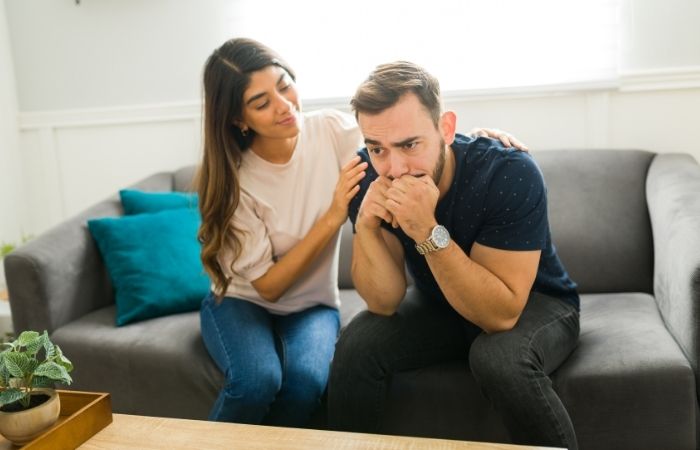
If you’ve already had sex and you’re now questioning your partner’s testing status, don’t spiral. Start with clarity, not blame. Ask questions. Discuss what each of you knows, and doesn’t know, about your STD history.
You might say:
“I realized we never talked about testing. Would you be open to doing it now, just so we both feel sure?”
And if you're the one who hasn’t tested recently, now’s the time. A quick at-home test could give you peace of mind, or help you catch something early, before symptoms show. STD Test Kits lets you take that step with zero clinic visits, awkward waiting rooms, or judgmental looks.
How to Bring It Up Early (Yes, Even on Dating Apps)
Waiting until you’re naked to talk about testing? Not ideal. The best time to raise it is before the clothes come off, but even then, it doesn’t have to be awkward.
On dating apps or early text convos, try this:
“Hey, just want to be upfront, I like to make sure both of us are tested before things get physical. Is that something you’re cool with?”
“I’ve got a clean test from last month. Want to do one together if we keep hanging out?”
Normalize this. Make it part of your standard. You deserve it.
What If the Test Comes Back Positive?
Let’s not sugarcoat it, getting a positive STD result can feel scary. But it doesn’t have to mean panic or shame. Most STDs are manageable or treatable. What matters most is what happens next.
Here’s what to do:
- Confirm the result. Some infections may require a follow-up lab test. This is especially true if you tested very early or had unclear results.
- Get treated. Chlamydia, gonorrhea, syphilis, and trichomoniasis can all be cured with antibiotics. Herpes and HIV can be managed with medication that reduces symptoms and transmission risk.
- Tell your partner(s). Use compassion, not blame. A simple, direct message can save them from unknowingly passing it on or suffering symptoms.
“Hey, I just tested positive for [STD]. I wanted to tell you so you can get checked too. I’m getting treated and doing okay.”
If you need anonymous tools, services like TellYourPartner.org allow you to notify partners without revealing your identity.
You can take control. You can heal. And you can move forward with better tools, deeper trust, and real knowledge.
Testing isn’t about catching people in a lie. It’s about living with clarity and compassion. For yourself. For your partners. For the people who matter to you, even if it’s just for one night.
FAQs
- 1. Is it weird to ask someone if they’ve been tested?
- Not at all. In fact, it’s kind of sexy. It shows you care, not just about yourself, but about both of you. Sure, it might feel awkward the first time, but think of it like asking about birth control or boundaries. It’s part of being a grown-up in bed.
- 2. What if they say they’re “clean” but won’t get tested?
- That’s a red flag, friend. Look, someone might truly believe they’re fine, but if they won’t take five minutes to confirm it, and you’re the one expected to take the risk? That’s not respect. You deserve someone who says, “Sure, let’s make sure.” Not “Trust me,” with no receipts.
- 3. Can you have an STD with zero symptoms?
- Oh yes. That’s actually how most people find out, they don’t. STDs like chlamydia, gonorrhea, and even herpes often show up quietly. No burn. No bump. No clue. That’s why “I feel fine” doesn’t mean “I’m clear.” Only testing can tell you for sure.
- 4. How do I ask about testing without killing the mood?
- It’s all in the delivery. Try something chill like, “Hey, I’d feel way better if we were both tested, would you be down for that?” or “I got tested last month, wanna do it together?” Keep it light but clear. Most people are relieved someone brought it up.
- 5. Is it okay to say no to sex if someone won’t get tested?
- Hell yes. Your body, your rules. Anyone who makes you feel guilty for protecting your health isn’t someone you want naked in your space. Boundaries aren’t rejection, they’re respect.
- 6. How accurate are at-home STD tests, really?
- Pretty solid, especially when used at the right time. Rapid tests can give you results in minutes, and mail-in kits are lab-grade. The key? Timing. Don’t test two days after exposure and expect clarity. Wait until the window period has passed, then test. And if needed, retest later to be sure.
- 7. Can I get an STD from someone who says they’ve only had “safe sex”?
- Yep. Condoms reduce risk, but they don’t erase it. STDs like herpes and HPV can still spread from skin-to-skin contact. “I always use protection” is good, but it’s not the same as “I got tested recently and I’m negative.”
- 8. I already had sex with them… is it too late to bring this up?
- Never. It might feel a little retroactive, but it’s better than never asking. You can say, “Hey, I’ve been thinking, we never talked about testing. I’d feel better if we both checked in.” It’s not about blame, it’s about care going forward.
- 9. How often should I get tested?
- Depends on your sex life. If you have new or multiple partners, don’t always use protection, or just want to stay on top of it, every 3 to 6 months is a smart move. Monogamous? Once a year still makes sense. No shame in checking. It’s maintenance, like brushing your teeth or changing your oil.
- 10. Where can I get tested without dealing with clinics or judgment?
- Right here. STD Test Kits has discreet, fast at-home kits for everything from chlamydia to HIV. No waiting rooms. No awkward eye contact. Just you, your test, and real answers.
You Deserve Answers, Not Assumptions
Sex is supposed to feel good, not confusing. And being sexually active should never mean rolling the dice with your health. If someone tells you they’re “clean,” it’s okay to ask for more than just a word. It’s okay to want real proof. You’re not being paranoid. You’re being honest, brave, and smart.
Whether you're in a new relationship, exploring something casual, or reentering the dating scene after time away, testing is care. And asking the question doesn’t make you difficult. It makes you safe.
Don’t leave it to chance. Get tested together. This discreet at-home combo test checks for the most common STDs and gives answers in minutes, so you can move forward with clarity and confidence.
How We Sourced This Article: We combined current guidance from leading medical organizations with peer-reviewed research and lived-experience reporting to make this guide practical, compassionate, and accurate. In total, around fifteen references informed the writing; below, we’ve highlighted some of the most relevant and reader-friendly sources.
- Planned Parenthood – STD Testing
- How to Prevent STIs | CDC (talk about testing and safety with partners)
- Talk, Test, Treat: Individuals | CDC (conversation tips with partners)
- STI Conversation Tips | CDC (how to discuss STI testing with a partner)
- Guide to Taking a Sexual History | CDC (questions to ask about STI status)