Gonorrhea in the Eyes? Yes, It Happens and Here’s What to Know
Quick Answer: Yes, gonorrhea can get into your eyes. This happens when you come into contact with infected fluids, especially during oral or genital sex. Redness, discharge, swelling, and pain are some of the symptoms.
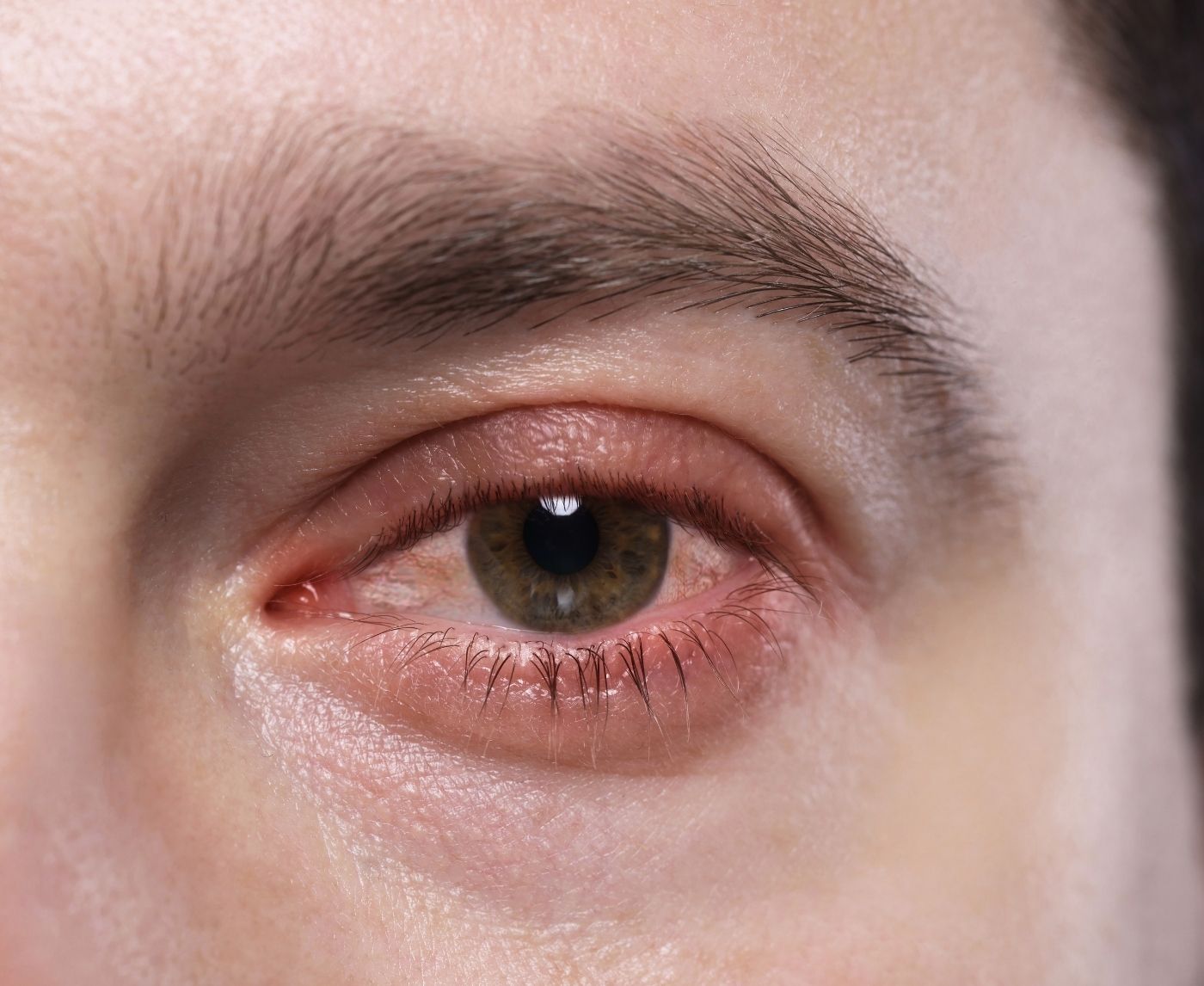
Quick Answer: Yes, gonorrhea can get into your eyes. This happens when you come into contact with infected fluids, especially during oral or genital sex. Redness, discharge, swelling, and pain are some of the symptoms. It needs to be treated right away to avoid permanent damage.
Who Actually Gets Gonorrhea in the Eye?
Anyone can. While most cases of gonorrhea occur in the genitals, rectum, or throat, ocular infections are a documented and serious complication. They can affect adults, children, and even newborns. In adults, the infection usually spreads through contact with infected fluids during oral or vaginal sex, or when someone touches their eyes after exposure. And in newborns, it’s often passed during delivery, which is why antibiotic eye ointment is standard in many hospitals after birth.
It’s easy to dismiss eye symptoms as allergies or regular conjunctivitis. That’s exactly what happened to Devon, 27, who woke up with a swollen, red eye a few days after a hookup that included unprotected oral sex. His doctor initially prescribed standard pink eye drops, but the infection didn’t improve. Only after worsening pain and a culture test did the truth come out: gonorrhea in the eye.
"I had no idea that was even possible. I thought gonorrhea was just something you got down there."
What Gonorrhea Looks Like When It’s in the Eye
Ocular gonorrhea doesn’t always look different from other forms of conjunctivitis at first, but it progresses faster, hits harder, and requires immediate antibiotics. The bacteria Neisseria gonorrhoeae is highly inflammatory. It can rapidly damage the cornea and even threaten vision if left untreated.
Here’s how it typically shows up:
| Symptom | Description |
|---|---|
| Redness | Intense inflammation in one or both eyes, often mistaken for pink eye |
| Thick Discharge | Yellow or green pus-like fluid that crusts the eyelid shut, especially in the morning |
| Pain or Burning | Sensation of grit or stinging that doesn’t go away with rinsing |
| Swollen Eyelids | Noticeable puffiness around the eyes that may worsen throughout the day |
| Blurred Vision | Cloudy or impaired vision due to discharge or corneal damage |
Table 1. Common signs of ocular gonorrhea and how they may present differently from standard conjunctivitis.
How Gonorrhea Reaches the Eye
Okay, let's break it down. Gonorrhea is spread by mucous membranes. Mucous membranes are located in your eyes.
When infected semen or vaginal fluids touch the eye, the gonorrhea sticks to the mucous membranes and starts to multiply rapidly. This can happen at any time when:
- Semen or vaginal fluids splash in the area of the eyes during oral sex
- Finger contact with the eyes after contact with the infected area or infected items
- Things that are shared: Using dirty towels, pillowcases, or makeup (not very common, but it is possible)
- When people use condoms and do not use protection for oral sex or when the infected fluid comes in contact with their fingers
- Gonorrhea can spread to the eye from the genital area by autoinoculation, even though it is not common. This is when you give yourself gonorrhea by touching the infected area and then your face.
This is why it is important to wash your hands after any sexual activity, even when playing by yourself. This is important not only for cleanliness but for the prevention of the spread of infection.
How Fast Does It Spread, And What’s the Risk?
Ocular gonorrhea isn’t slow. Once the bacteria hits the eye, it can start causing damage within hours. Left untreated, it can lead to serious complications, some irreversible. The biggest risk? Corneal ulceration and perforation, which can result in vision loss or even blindness.
In one case documented in the American Journal of Ophthalmology Case Reports, a 33-year-old man developed corneal melting from gonococcal conjunctivitis after initially being misdiagnosed with regular pink eye. By the time the correct antibiotics were started, his eye had already suffered permanent vision damage.
That’s the core danger of eye-based STDs: they look like everyday conditions until they don’t. That’s why experts warn not to self-diagnose eye infections if you’ve recently had unprotected sex or touched your genitals before rubbing your eyes. The clock matters here, every hour can mean a difference in outcomes.
Testing for Gonorrhea in the Eye: What It Involves
If a healthcare provider suspects ocular gonorrhea, they’ll likely perform a swab of the conjunctiva, the inner lining of your eyelid and white part of your eye. This sample is tested via NAAT (nucleic acid amplification testing), which detects bacterial DNA and is the gold standard for gonorrhea detection.
You may also be tested for other STDs at the same time, especially chlamydia, since co-infections are common. Some providers will do a culture in addition to NAAT if antibiotic resistance is suspected or if symptoms are severe. Don’t be surprised if they ask about your recent sexual history, it’s not to shame you; it’s to get the right diagnosis fast.
Rapid at-home STD kits don’t currently include eye-specific swabs, but they can still help you check for genital or oral gonorrhea if you suspect multi-site exposure. Early detection at any site can guide faster treatment and stop further spread.
Want to rule out other STDs discreetly? You can order a Combo STD Home Test Kit and get results in minutes, no clinic visit, no judgment.
How Is Eye Gonorrhea Treated?
This infection is not treated with over-the-counter eye drops. Ocular gonorrhea is treated with fast-acting antibiotics that must be injected into the muscles with ceftriaxone. In some cases, azithromycin is also taken orally to target a wider range of infections.
Topical antibiotics may be given with the injection, but they cannot be used by themselves. The idea is to get rid of the infection inside the body and target the eye directly to prevent scarring or serious damage. Most people start to feel better after a few days of treatment. The sooner this is treated, however, the safer the outcome.
Hospitalization is rare but can be necessary if the infection is widespread and deeper tissues are affected or there is a chance of vision loss. It is usually recommended that a person see an eye doctor after treatment is finished.
Can It Come Back? Reinfection and Prevention
Yes, you can get reinfected, especially if your partner wasn’t treated at the same time. In the case of gonorrhea, reinfection is more common than most people realize. Once you’ve been treated, it’s critical to wait at least seven days before resuming sexual activity, and even then, only after your partner has also been treated and cleared.
Here’s a quick overview of how to protect yourself from a second round:
| Prevention Step | Why It Matters |
|---|---|
| Treat All Partners | Reduces reinfection risk and breaks the transmission cycle |
| Use Protection for Oral and Genital Sex | Eye infections often result from unprotected oral exposure |
| Hand Hygiene After Sex | Prevents autoinoculation (self-transfer of infection to the eye) |
| Don’t Share Towels, Washcloths, or Eye Products | Reduces indirect transmission through contaminated items |
| Retest If Symptoms Return | Early intervention prevents complications |
Table 2. Key steps to prevent reinfection after gonorrhea treatment, especially when eye exposure was involved.
Why Ocular Gonorrhea Is Often Missed
Because it mimics regular pink eye and feels taboo to bring up, eye-based gonorrhea often goes undiagnosed until symptoms escalate. Even experienced providers may overlook it if the patient doesn’t disclose recent sexual activity or if there’s no visible genital infection.
That’s why sexual health history matters. It’s not about judgment, it’s about accuracy. If your eyes are inflamed and you’ve had recent unprotected oral sex or contact with fluids, that’s information your doctor needs. Without it, they may prescribe the wrong treatment and delay recovery.
A review in Ophthalmology and Eye Diseases said that one of the main causes of vision problems in people with gonococcal conjunctivitis was being misdiagnosed. Don't downplay your symptoms and don't leave out your sexual history.
A Missed Diagnosis With Lasting Impact
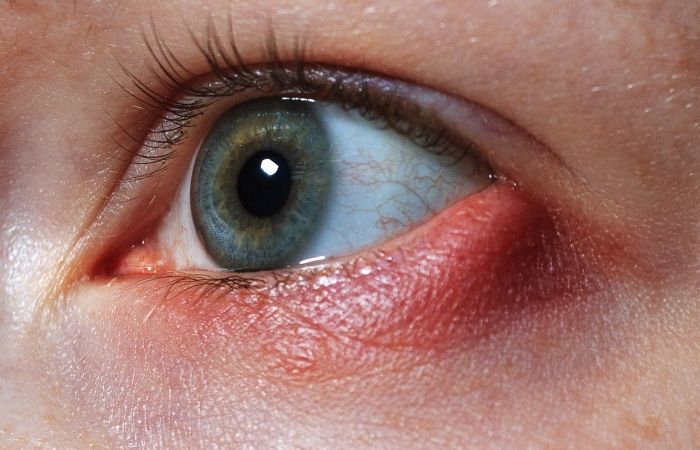
Layla, 31, noticed irritation in her left eye the morning after an intense hookup that included oral and genital sex. At first, she assumed it was makeup residue or a contact lens issue. But within 24 hours, her eye became red, swollen, and crusted shut with thick discharge. A walk-in clinic diagnosed “bacterial conjunctivitis” and sent her home with standard eye drops.
"It burned like hell by day two. I couldn’t keep my eye open. It felt like I had sandpaper under my eyelid."
After no improvement, Layla returned to the clinic, where a new provider asked about recent sexual activity and ordered a gonorrhea test. It came back positive, for the eye only. By then, she had developed a corneal ulcer that required weeks of care and left her with blurred vision.
Layla’s story isn’t rare. What happened to her reflects a pattern of under-recognized STDs outside the genitals. The fear of judgment, and the surprise that an STD can reach your eye, often delays accurate diagnosis. That delay can have real consequences.
If You’re Worried Right Now, Here’s What to Do
If your eyes are red, painful, or swollen, or if you think you might have gotten gonorrhea through oral sex, genital contact, or fluids that were contaminated, don't wait.
Here's a plan of action:
- Don't try to figure out what's wrong with your eyes on your own. Eye infections are serious. Don't make any assumptions.
- If you need urgent care or an eye exam, ask directly if they can test for STDs.
- Talk about sexual exposure, even if it makes you feel weird. It makes care more accurate faster.
- For future oral-genital contact, use condoms or dental dams. This lowers the risk for you and your partners.
It's fine to start testing at home on common areas like the genitals or throat if you're not sure what STD you might have been exposed to or where. It won't find eye infections, but it can tell you important things about what else might be there.
This combo test kit checks for gonorrhea, chlamydia, syphilis, and HIV using simple at-home swabs and drops. It’s discreet, fast, and offers clarity when clinics aren’t an option.
Why Eye Gonorrhea Deserves More Attention
We talk about condoms for penetrative sex. We talk about oral testing. But we rarely talk about the risk of STDs in the eyes, even though it’s biologically no different. Your eye has mucous membranes. Gonorrhea knows how to find them.
According to CDC data, gonorrhea is among the most common bacterial STDs in the U.S., with more than 700,000 new cases reported yearly. While the eye-specific numbers are smaller, they’re underreported, and rising. As more strains develop resistance to antibiotics, early identification becomes even more important to protect vision and limit community spread.
Stigma makes this worse. People assume STDs must come with genital symptoms. They don’t. And the shame of having “an STD in the eye” can delay care even longer. That’s why articles like this one exist: to cut through silence, normalize reality, and protect your health.
Can You Get Other STDs in the Eye?
Yes, and they’re not limited to gonorrhea. Other STDs can infect the eye, especially if transferred via fluids, fingers, or towels:
- Chlamydia: Can cause a similar conjunctivitis with discharge and swelling
- Herpes simplex virus (HSV-1 or HSV-2): May infect the cornea, causing keratitis
- Syphilis: Can cause uveitis or other eye inflammation in later stages
- HIV: May indirectly affect vision via opportunistic infections
So if you’ve got an eye issue and a recent sexual encounter, especially one that involved unprotected oral-genital contact, don’t rule anything out. Tell your provider. And if you feel dismissed, seek a second opinion. Eye health isn’t optional.
Privacy, Packaging, and Testing at Home
Not everyone wants to go to a clinic. We get it. Whether it’s because of location, stigma, or safety concerns, at-home STD testing offers a powerful alternative. While current kits don’t diagnose eye infections, they can still help you check for the most likely co-infections like genital or oral gonorrhea.
Here’s how discreet it can be:
- Shipping label won’t mention STDs
- Packaging is plain and unbranded
- Results are delivered privately online or through a phone consultation
Testing isn’t a confession, it’s a form of self-respect. Whether your symptoms are in your eye, your throat, or nowhere at all, clarity is care.
FAQs
- 1. Wait, you can actually get gonorrhea in your eye?
- Yep, welcome to one of the least talked-about facts in sexual health. Gonorrhea can infect any mucous membrane, and your eyes have them. All it takes is contact with infected fluids, like semen, vaginal fluid, or even fingers that weren't washed after sex. It’s rare, but real. And it’s not just a “maybe” risk, it’s been documented in ERs and ophthalmology clinics around the world.
- 2. How would I know it’s not just pink eye?
- It might feel like pink eye at first, redness, swelling, general grossness, but gonorrhea kicks things up a notch. We're talking thick yellow-green discharge that glues your eyelid shut, a burning sensation that won’t quit, and a swollen, angry look that develops fast. If it’s not clearing with regular eye drops, and you've had recent sexual contact? It's time to level up your concern.
- 3. How fast does eye gonorrhea get worse?
- Think: hours, not days. Unlike viral pink eye that creeps along, gonorrhea comes in swinging. It can start damaging your cornea shockingly fast, especially if left untreated. We’re talking potential ulcers, scarring, or even vision loss if you ignore it long enough. This one isn’t a wait-and-see situation.
- 4. I didn't have sex, just oral. Can I still get it in my eye?
- Unfortunately, yes. Oral sex is a common route. If someone with gonorrhea ejaculates near your face or even if fluids touch your hands and you rub your eye afterward, the bacteria can hitch a ride. Also: dental dams and handwashing aren’t just polite, they’re protective.
- 5. Will it go away on its own?
- Hard no. Gonorrhea in the eye doesn’t clear up without medical help. Standard pink eye drops won’t touch it. This infection needs serious antibiotics, usually a shot of ceftriaxone, and fast. The longer you wait, the bigger the risk.
- 6. Can I use an STD test kit to check for it?
- Not directly. At-home kits like the ones we offer are for genital and oral sites, not the eye. But if you test positive down there or in your throat, and your eye is acting up too? That’s a huge clue. It gives your doctor the ammo to investigate further and treat you properly.
- 7. What if I test positive, do I have to tell my partner?
- You should, and here’s why: if they’re untreated, you can bounce the infection back and forth like a nasty game of ping-pong. No shame, no blame, just facts. Partner treatment stops the cycle. Some clinics even offer anonymous notification services if talking feels impossible.
- 8. Will people be able to tell I have an STD just by looking at me?
- Only if you tell them. Eye gonorrhea can look like pink eye to most people. There’s no scarlet letter here. And if you use discreet testing and treatment options, no one needs to know unless you want them to.
- 9. Can babies really get gonorrhea in their eyes?
- Yes, and it's so sad. If the parent giving birth is infected, newborns can get it during vaginal delivery. That's why hospitals often put antibiotic ointment on babies' eyes right after they are born. It's not just a routine; it's also to keep them safe.
- 10. How do I keep this from happening again?
- Treat all partners, use protection for all sex types (yes, even oral), and wash your hands after sexual contact before touching your eyes. It’s simple but powerful. And if you ever feel symptoms again? Don’t tough it out. Get tested, get treated, and keep your vision intact.
You Deserve Answers, Not Assumptions
Ocular gonorrhea isn’t something most people think about, until it’s burning, swollen, and messing with their vision. But just because it’s unexpected doesn’t mean it’s rare. If you’ve got eye symptoms after a sexual encounter, don’t let fear or shame delay care. You have options.
Testing doesn’t make you “dirty.” It makes you informed. It makes you safer. And if you’ve already tested positive, know that treatment works, and so does prevention moving forward.
Don’t wait and wonder, get the clarity you deserve. This at-home combo test kit checks for the most common STDs discreetly and quickly.
How We Sourced This Article: We combined current guidance from leading medical organizations with peer-reviewed research and lived-experience reporting to make this guide practical, compassionate, and accurate. In total, around fifteen references informed the writing; below, we’ve highlighted some of the most relevant and reader-friendly sources.
- WHO Fact Sheet on STIs
- Planned Parenthood: Gonorrhea Info
- Gonococcal Infections Among Adolescents and Adults (including conjunctival gonorrhea) – CDC
- Gonococcal Conjunctivitis (eye infection caused by Neisseria gonorrhoeae) – NCBI Bookshelf
- Gonorrhea Symptoms & Causes (including eye symptoms) – Mayo Clinic