Is Gonorrhea the New Teen STI? Why It’s Spreading Again
Quick Answer: Gonorrhea is now one of the most commonly reported STIs among teens. Its spread is driven by silent infections, lack of testing, and myths about what "counts" as sexual contact. Part of the problem?

Quick Answer: Gonorrhea is now one of the most commonly reported STIs among teens. Its spread is driven by silent infections, lack of testing, and myths about what "counts" as sexual contact. Early testing and honest conversations are key to prevention.
Why This Matters: Teens Are in the STI Crosshairs
STIs don’t discriminate, but teenagers are especially vulnerable. According to the CDC’s latest surveillance data, rates of gonorrhea have increased dramatically among people aged 15 to 24. In fact, this age group accounts for nearly half of all new infections.
Part of the problem? Many teens don’t realize how quiet gonorrhea can be. Up to 50% of those with a penis and as many as 80% of those with a vagina may have no symptoms at all. When symptoms do appear, they’re often brushed off, itchiness, discharge, or irritation get mistaken for yeast infections, UTIs, or even sweat rash.
In one recent case out of Chicago, a local high school nurse noted a cluster of teens with “pink eye” that turned out to be gonorrhea of the eye, spread via semen contact during oral sex. “They had no idea that was even possible,” she said. And that’s the problem.

What Teens Often Don’t Know About Gonorrhea
In sex-ed classes (when they happen at all), gonorrhea often gets mentioned, but rarely explained. Most teens aren’t told that:
| Common Teen Belief | What’s Actually True |
|---|---|
| “Only people who have vaginal sex can get gonorrhea.” | Gonorrhea spreads through oral, anal, and genital contact, penetration isn’t required. |
| “I’d know if I had it. I’d have symptoms.” | Most teens show no obvious signs, especially those with a vagina. |
| “If I use a condom, I’m 100% safe.” | Condoms reduce risk, but don’t protect against all transmission routes (like oral contact). |
| “If I had it, it’d go away eventually.” | Untreated gonorrhea can cause infertility, pelvic pain, or joint infections. |
Table 1. What teens think vs. what they need to know. Prevention starts with good information.
When knowledge gaps collide with shame, access issues, or fear of judgment, testing often gets skipped entirely. And that allows gonorrhea to keep spreading silently in classrooms, homes, and hookup apps alike.
“I Just Thought It Was a Yeast Infection”
Dante, 18, had been dating someone new. They used condoms sometimes, but not for oral. When he started feeling a burning sensation and saw discharge, he went to the campus health clinic. They gave him antifungal cream, assuming it was yeast. A week later, it hadn’t improved. A second visit, a different nurse, and a rapid test confirmed the real diagnosis: gonorrhea.
“I didn’t even think I could get an STD that way. I thought if it was gonorrhea, it would hurt more, or I’d get a fever or something.”
His experience is far from rare. According to a 2024 peer-reviewed study, 1 in 3 gonorrhea cases in young adults were initially misdiagnosed. The most common mislabels? Yeast infections, UTIs, and “no cause found.”
That’s why access to home testing, and the confidence to use it, is more important than ever.
The Role of Oral and Non-Penetrative Sex in Teen Gonorrhea Spread
Here’s the thing: most teens think “oral sex doesn’t count.” But it absolutely does when it comes to STI transmission. Gonorrhea can infect the throat and be passed without any genital contact. Even kissing after oral sex can carry a tiny risk, especially if there’s shared saliva containing bacteria.
What makes it harder is that pharyngeal gonorrhea (in the throat) is almost always symptom-free. And most standard urine-based STI tests won’t catch it unless a specific throat swab is ordered. That means many teens, and adults, are walking around with undiagnosed infections that still transmit to partners.
If you’re sexually active in any way, even if you’ve never had penetrative sex, STI testing is still part of the picture. And that message isn’t getting through in most school settings.
Why Gonorrhea Is Rising: Data, Dating, and Delays
Gonorrhea isn’t just back, it’s mutating. According to the World Health Organization, strains of antibiotic-resistant gonorrhea are showing up across the globe, with the U.S. seeing a worrying uptick in cases that don’t respond to standard treatment. But in teens, the rise isn’t just medical, it’s social.
From hookup culture to algorithm-driven secrecy on apps like Snapchat and Instagram, today’s teens have access to more sexual situations, often without the education or tools to navigate them safely. Many teens report never receiving detailed STI information in school. Others say the info they got was shame-based or abstinence-only.
Combine that with long wait times at clinics, fear of parental discovery, and the myth that “STDs only happen to older people,” and you get a perfect storm for silent spread. One 2023 survey from the Planned Parenthood Federation found that only 35% of sexually active teens had ever been tested for any STI, despite many having multiple partners.
At-Home Testing Is Changing the Game
Not every teen feels safe walking into a clinic. Some live in conservative households. Others fear judgment or being outed. But at-home rapid tests are helping bridge that gap.
STD Test Kits offers gonorrhea tests that are discreet, fast, and easy to use. With a simple urine or swab sample, results appear in minutes. For teens who might not get tested otherwise, this can be a life-changing tool.
Privacy matters. So does speed. If someone suspects they’ve been exposed, or if a partner tests positive, testing at home can mean faster treatment, fewer transmissions, and more control.
How Teens Can Talk to Partners (Without Panic)
One of the hardest moments for many teens? Telling someone they might have been exposed to gonorrhea. Shame, fear of gossip, and social media backlash can make disclosure feel impossible.
But here’s what works: keep it short, kind, and clear. You don’t need to overshare. Just say something like:
“Hey, I just found out I might have been exposed to gonorrhea. I’m getting tested and wanted you to know so you can take care of yourself too.”
Scripts like this are crucial for normalizing prevention, not punishment. Teens are more likely to notify partners when they feel empowered and supported. Anonymous notification apps also give teens a way to alert past contacts without revealing their identity.
And if your partner gets defensive or ghosts you? That says more about them than it does about you. Taking responsibility is never something to be ashamed of.
What Happens If a Teen Tests Positive?
If a home or clinic test comes back positive for gonorrhea, the next step is treatment. Luckily, gonorrhea is treatable, typically with a one-time antibiotic injection or oral regimen, depending on the case. The CDC currently recommends ceftriaxone as the standard treatment, with alternatives available for those with allergies or complications.
But here’s what doesn’t always get explained: after treatment, it’s crucial to wait seven full days before resuming sexual activity, and partners should be treated too. Reinfection is common, especially if only one person in the pair gets treated.
Clinics and telehealth providers can help teens access meds discreetly. In some states, providers can even offer expedited partner therapy, where both partners are treated at once without needing two separate appointments. That means less embarrassment, fewer delays, and better outcomes.
If your head’s spinning from this, take a breath. You’re not dirty. You’re not doomed. You’re just one of millions navigating this, and you’re doing it with courage.
Whether it’s a question, a symptom, or a what-if after a weekend hookup, peace of mind is one test away. This at-home combo kit checks for gonorrhea and other common infections, all from your room, not a waiting room.
How Reinfection Happens (And How to Stop It)
One of the most common mistakes after treating gonorrhea is thinking it's a one-and-done deal. But reinfection is more common than most people think, especially for teens navigating new or overlapping relationships.
Imagine this: You get treated. You wait seven days. You feel fine. But your partner didn’t get tested, or they didn’t finish their antibiotics. Now you're exposed again, often without realizing it.
That’s why retesting is essential. The CDC recommends getting retested three months after treatment, even if you feel totally fine. Why? Because asymptomatic reinfection is one of the leading causes of long-term complications, like pelvic inflammatory disease and infertility in people with vaginas, or testicular pain and prostate issues in people with penises.
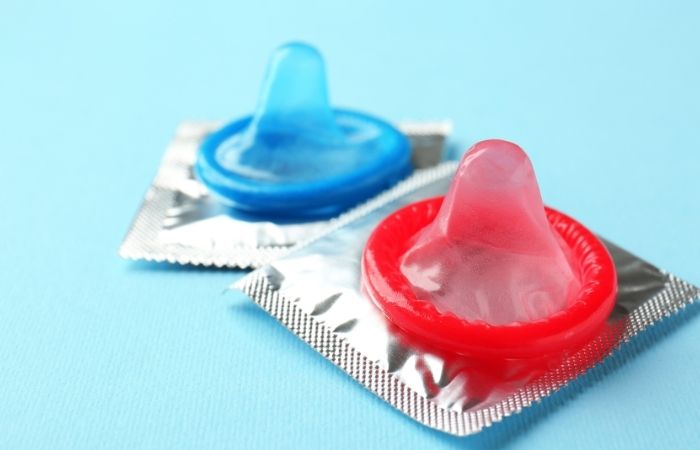
Using condoms, having open conversations, and testing before new sexual partners can cut risk dramatically. But nothing is foolproof, testing gives you the facts.
Preventing Gonorrhea Without Shame
Teenagers aren’t stupid, they’re just underserved. Prevention education often skips over practical tools in favor of fear. But a sex-positive, trauma-aware approach actually works better.
Here’s what prevention looks like when it centers real life:
| Prevention Method | Why It Works |
|---|---|
| Condoms and dental dams | They reduce friction, fluid exchange, and risk during oral, anal, or vaginal sex. |
| Getting tested before new partners | Creates a baseline and builds trust, especially in ongoing relationships. |
| Knowing symptoms (and that you might not have any) | Encourages earlier testing and reduces silent spread. |
| Talking about STI history without shame | Normalizes care and empowers both people to protect each other. |
Table 2. Prevention practices that go beyond fear, and actually work.
Gonorrhea isn’t a moral failure. It’s a bacterial infection that’s become common in part because we’ve failed to give teens the tools, language, and privacy they deserve.
And when we remove shame from the equation? Teens step up. They test. They disclose. They protect their partners. We’ve seen it happen, over and over.
Privacy, Discretion, and Getting Support
Privacy can make or break someone’s willingness to get tested. Whether it’s a shared bathroom, nosy family member, or fear of being “outed,” the barriers are real. That’s why STD Test Kits ships in plain packaging with no sexual health labeling. Tests arrive quickly, with simple instructions and no traceable branding on the box.
Many teens also benefit from telehealth services that offer sexual health support, prescriptions, and retesting reminders. Sites like Hey Jane and Nurx provide confidential access to providers, often without needing insurance or in-person visits.
In-school support matters too. Some states now allow school nurses to distribute condoms and refer for STI testing, though policies vary. For teens with no support system at home, these services can be lifesaving.
And if you’re feeling overwhelmed, ashamed, or just scared? That’s normal. It doesn’t mean you’ve done anything wrong. The bravest thing you can do is get informed, get tested, and protect your future self.
FAQs
- 1. Is it possible to get gonorrhea from oral sex?
- Yes, you can get gonorrhea from oral sex, especially if the person you are having sex with has the bacteria in their throat or genitals. Many teens get pharyngeal gonorrhea without knowing it because the symptoms are not very common or are not very bad.
- 2. What are the signs of gonorrhea in teenagers?
- The symptoms can include strange discharge, burning when you pee, a sore throat if the infection got into your mouth, pain in your rectum, or discomfort in your eyes. But a lot of teens don't have any symptoms at all. This is why it's important to get tested often.
- 3. Do many high school students have gonorrhea?
- Yes, sadly. The CDC says that almost half of all reported cases of gonorrhea are in teens and young adults (ages 15 to 24). Because there aren't many tests or symptoms, the infection often spreads without anyone knowing.
- 4. How long after sex can you find out if you have gonorrhea?
- The usual time frame is between 7 and 14 days after being exposed. If you test before that, you might get false negatives. Retesting at or after the 14-day mark makes the results more accurate.
- 5. Can you still get gonorrhea if you wear condoms?
- Condoms lower the risk a lot, but they don't completely protect you, especially during oral sex or if you come into contact with infected fluids outside of the condom area.
- 6. Is a gonorrhea test painful?
- No. Most at-home gonorrhea tests use a urine sample or a light swab. The process is quick, easy, and private. There are no needles or painful procedures.
- 7. What happens if you don't treat gonorrhea?
- If you don't treat gonorrhea, it can lead to health problems like pelvic inflammatory disease, infertility, chronic pelvic and testicular pain, and even rheumatoid arthritis. It can also make you more likely to get AIDS.
- 8. Can teens get tested without their parents' permission?
- Yes, in a lot of U.S. states. Teens can agree to STI testing and treatment without their parents' permission. Laws are different in each state, so check with your state's health department or the Guttmacher Institute for information on local rules.
- 9. Is there a way to get rid of gonorrhea?
- Yes, antibiotics can get rid of gonorrhea. But drug-resistant strains are starting to show up, so it's even more important to find them early and finish treatment.
- 10. Should I tell my partner if I test positive?
- Yes, it is the right thing to do, both morally and practically. Your partner might not know that they are infected, and you could both get sick again. If talking to someone directly makes you feel unsafe, use anonymous notification tools.
You Deserve Answers, Not Assumptions
Gonorrhea isn’t a failure. It’s not a life sentence. It’s an infection, and with the right tools, it’s preventable, treatable, and something you can take charge of. Whether you’re dealing with a real diagnosis, an “oh no” moment after sex, or just trying to protect yourself, you’ve already done the brave thing by learning the facts.
Don’t wait and wonder, get the clarity you deserve. This at-home combo test kit checks for the most common STDs discreetly and quickly.
How We Sourced This Article: We combined current guidance from leading medical organizations with peer-reviewed research and lived-experience reporting to make this guide practical, compassionate, and accurate. In total, around fifteen references informed the writing; below, we’ve highlighted some of the most relevant and reader-friendly sources.
- Planned Parenthood: Gonorrhea Information for Teens
- About Gonorrhea – CDC (common STI especially among youth)
- Sexually Transmitted Infections Surveillance – CDC (data on rates among young people)
- Adolescents and STIs – CDC (high STI rates including gonorrhea in teens/young adults)
- STIs Among Young Americans – CDC (youth account for ~half of new infections)