Gonorrhea Just Got New Treatments But Testing Still Comes First
Quick Answer: The FDA’s approval of new gonorrhea treatments is a major milestone, but it doesn’t replace testing. Gonorrhea doesn’t always show symptoms. But prevention still starts with knowledge.
Quick Answer: The FDA’s approval of new gonorrhea treatments is a major milestone, but it doesn’t replace testing. At-home gonorrhea test kits remain one of the fastest, most discreet ways to detect infection before symptoms show or complications start.
Who This Guide Is For (And Why It Matters)
If you’re sexually active, and especially if you’re dating, exploring new partners, or worried about a past encounter, this article is for you. Gonorrhea doesn’t always show symptoms. It can live in your throat, rectum, urethra, or cervix without warning signs. That means people often pass it to partners unknowingly, even while using condoms. For queer and trans folks, for those without easy access to a clinic, and for anyone who’s scared to talk to their doctor, at-home testing can be the lifeline between anxiety and clarity.
The FDA’s announcement makes one thing clear: science is adapting to keep up with drug-resistant STDs. But prevention still starts with knowledge. This guide will walk you through what counts as a gonorrhea test, how soon after exposure to test, how long results take, how accurate they are, and what to do next, especially if you test positive.
What Actually Counts as a Gonorrhea Test?
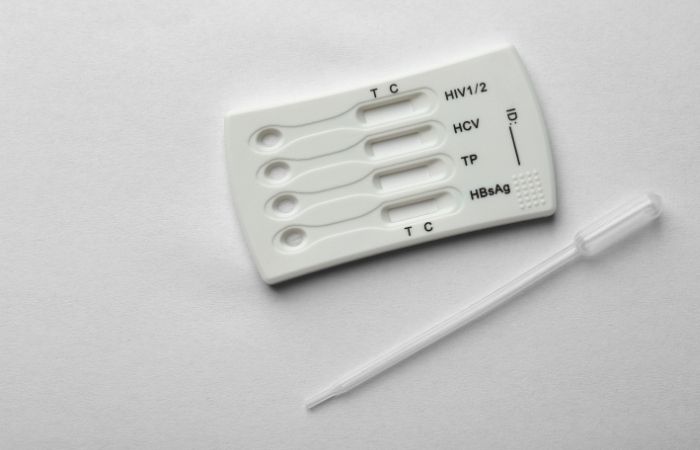
Not all STD tests detect gonorrhea. The gold standard is the NAAT (nucleic acid amplification test), which looks for the bacteria’s genetic material in your urine, vaginal, rectal, or throat swab. NAAT tests are incredibly accurate, often over 95%, and can be done at a clinic, through a mail-in lab kit, or at home with a rapid test.
At-home rapid tests use lateral flow technology, similar to a pregnancy test, and can give results in under 30 minutes. They’re slightly less sensitive than lab tests but offer privacy, speed, and zero clinic exposure. You can order a discreet kit from STD Test Kits, including combo kits that screen for gonorrhea and chlamydia together.
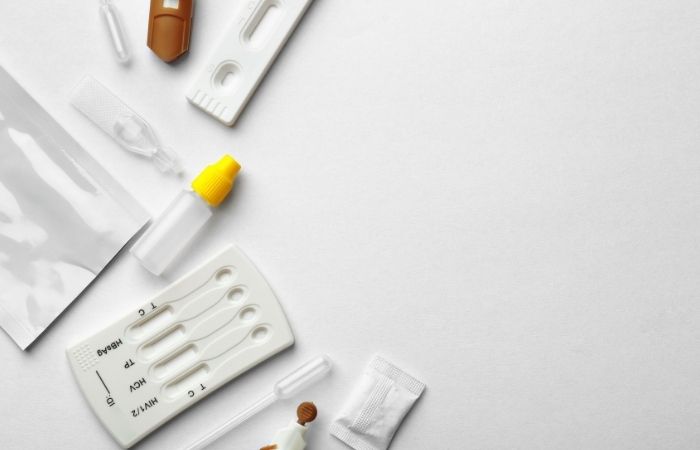
Wondering what’s inside? Most at-home kits include a swab (for throat or vaginal testing) or a urine cup, plus test strips, solution, and instructions. If you’ve ever taken a COVID test at home, the process will feel familiar, but with a bit more privacy at stake.
When Testing Is Most Accurate
The “window period” is how long it takes after exposure for a test to detect gonorrhea. Testing too early can result in a false negative, not because you’re not infected, but because your body hasn’t shed enough bacteria to trigger the test. For most people, that window is about 7 to 14 days. Testing before Day 7 is possible, but results are less reliable.
| Test Type | Sample Type | Earliest Detection | Best Accuracy | Retest Needed? |
|---|---|---|---|---|
| NAAT (lab or mail-in) | Urine or swab | Day 7 | Day 14+ | Only if symptoms change |
| Rapid test (at home) | Swab | Day 10 | Day 14+ | Recommended after 2 weeks if high risk |
| Clinic rapid + lab confirm | Urine, swab, or blood | Day 5–7 | Day 14+ | Yes, if early or asymptomatic |
Figure 1. Gonorrhea testing window periods across different testing methods. Results may vary based on exposure site, bacterial load, and test type.
Rapid Test vs Lab Test: Pros, Cons, and Tradeoffs
Picture this: You’ve just had sex with someone new. The condom slipped, or maybe you didn’t use one at all. You feel fine, but your brain won’t shut up. You want answers fast. That’s where rapid tests come in. At-home kits can give you results in under 30 minutes without ever stepping into a clinic. But how do they compare to traditional lab tests?
Lab-based NAAT tests are still the best way to find gonorrhea. They're especially helpful when the infection is in your throat or rectum, where symptoms don't show up very often. But labs usually need you to mail in your sample or make an appointment. This makes things harder for a lot of people, especially those who live in rural areas, are queer, or have anxiety. At-home rapid tests give up a little bit of sensitivity in exchange for privacy and control right away.
| Method | Privacy | Speed | Accuracy (Gonorrhea) | Best Used When… |
|---|---|---|---|---|
| At-Home Rapid | High | ~20–30 minutes | 85–90% | You want immediate results in private |
| Mail-In Lab (NAAT) | High | 3–5 business days | 95–99% | You want highest accuracy without going to a clinic |
| Clinic-Based Testing | Moderate | Same day to 1 week | 99%+ | You have symptoms or need in-person care |
Figure 2. Comparing rapid at-home kits to lab and clinic options. While lab tests are more sensitive, rapid tests offer unmatched privacy and convenience for early detection.
When to Test After Exposure
If you just had a risky encounter, the urge to test immediately is real. But gonorrhea takes time to show up on tests. Here’s a breakdown of what that timing looks like in real life:
If it’s been fewer than 5 days, most tests, even lab-grade ones, may not detect the infection yet. It’s okay to take a test for peace of mind, but expect to retest in a week or two. If it’s been 7 to 14 days, you’re in the sweet spot: NAAT tests and most at-home kits can catch the infection with decent accuracy. If it’s been more than 14 days, this is your best shot at catching a silent infection with full confidence.
Case in point: One reader tested negative five days after a hookup that turned out to be high risk. But she kept feeling off, mild discharge, pelvic pressure, anxiety. Two weeks later, she tested again with a mail-in kit and got a positive result.
“I almost didn’t retest,” she said. “But I’m glad I did. I could’ve passed it on without knowing.”
If your last encounter was recent and you’re unsure when to test, here’s a clear, judgment-free step you can take: This at-home combo test kit checks for gonorrhea and other common STDs. It’s discreet, fast, and comes with simple instructions so you can test in your own space.
Do You Need to Retest? Here’s How to Know
Retesting isn’t just for people with symptoms. If you got treated for gonorrhea, got exposed again, or tested very early, retesting can prevent missed infections or complications. According to CDC guidelines, people who’ve had gonorrhea should test again 3 months after treatment, especially if they’re under 25 or have new partners.
Retesting is also important if you took an at-home test very soon after exposure. Bacterial levels might have been too low to detect. Even a faint line on a rapid test is worth confirming with a lab. If you used antibiotics recently, it can temporarily suppress the infection without fully curing it, leading to false reassurance and ongoing spread.
Case scenario: Jordan, 32, tested positive and took antibiotics. But two months later, his throat was still sore, and he tested positive again, this time at a different site. “I didn’t realize it could stay in your throat,” he said. That’s why site-specific testing and retesting matter.
Privacy, Shipping, and Discreet Support
Let’s be honest, getting tested for an STD is often more about shame and logistics than science. Where will the results go? Will the package look suspicious? What if someone sees it? At-home test kits exist to solve all of this. Your test arrives in a plain, unmarked envelope. There’s no “STD” labeling, no pharmacy runs, no awkward waiting rooms. It’s just you, your decision, and the privacy to take the test when you’re ready.
Shipping is fast and discreet. Most orders from STD Test Kits arrive in 2 to 5 business days, depending on location. If you live rurally or off-grid, you can have it shipped to a pickup point or PO box. Some people even bring kits when traveling, just in case, a proactive move that’s less about panic and more about peace of mind.
And if you need support? Many at-home kits include instructions written for real people, not medical textbooks. But if you need more help, you can check online resources, telehealth options, or follow-up with a provider of your choice. The point is: You’re in control. This test is for you, not them.
What If You Test Positive?
First things first: gonorrhea is treatable. A positive result is not the end of your world. It’s the beginning of your healing, and maybe a wake-up call for you and your partners. The new FDA-approved treatment, zoliflodacin, will soon be available in oral form and may help reduce the spread of resistant strains. But whether you’re taking the old standby (ceftriaxone injection) or new medications, the steps are the same: confirm, treat, notify, and protect.
If you test positive at home, it’s recommended to confirm with a lab test or clinic visit, especially if you didn’t have symptoms. After that, treatment typically involves one dose of antibiotics. Be sure to follow up if symptoms don’t go away or if you suspect reinfection. You’ll also need to tell recent partners, even if it’s uncomfortable. Many clinics and online services offer anonymous notification tools so you don’t have to do it alone.
Scene from real life: Eli, 25, tested positive using a combo kit. “I sat in my car, staring at the result, heart racing. I texted my last two partners, sent them the info, and went straight to urgent care. They both got tested. No one yelled. No one freaked. It was just adulting.” That’s the energy we want for everyone: clear, calm, and stigma-free.
If you’re unsure what to do next, consider ordering partner kits or retesting in a few weeks to make sure the infection is gone. You’ve already done the hardest part: facing the unknown. The rest is follow-through.
FAQs
- 1. How soon after sex should I test for gonorrhea?
- Think of 7 days as your “earliest realistic window.” That’s when most tests start to detect an infection. But for best accuracy, 10 to 14 days is ideal, especially if you’re using an at-home kit. If you test early and it’s negative, don’t assume you’re in the clear. Retest at the two-week mark if the exposure felt risky.
- 2. Can I really get gonorrhea from oral sex?
- Yep, and that’s what surprises a lot of people. Gonorrhea loves hiding in the throat, especially if protection wasn’t used during oral sex. It often shows zero symptoms, but can still be passed on. That’s why site-specific testing matters (think: throat swabs, not just urine).
- 3. Do those rapid tests you buy online actually work?
- Short answer: yes, but they’re not magic. Rapid tests can catch infections with decent accuracy if you use them after the right window period. If you test too early or don’t swab correctly, you might miss it. That’s why many folks use them twice, once early for peace of mind, then again a few days later to be sure.
- 4. What does a faint line on the test mean?
- A line is a line. Even if it’s barely there, it’s usually a positive. That faintness might just mean the bacterial load is low, especially if you're early in the infection. Don’t brush it off, confirm with a lab test or retest soon. Faint = don’t wait.
- 5. Does gonorrhea ever go away on its own?
- Unfortunately, no. The symptoms might chill out, but the infection keeps going, and can seriously mess with your health long-term. Untreated gonorrhea can lead to pelvic inflammatory disease, infertility, and increased HIV risk. You need antibiotics. Period.
- 6. If I tested positive, does my partner have it too?
- Not guaranteed, but likely, especially if it’s been recent or unprotected. The real move? Let them know (there are anonymous tools if you need them), and both of you get tested. Otherwise, you’ll just ping-pong it back and forth.
- 7. How do I know if the antibiotics worked?
- If your symptoms go away and you didn’t re-expose yourself, you’re probably in the clear. But testing again after 3 months is recommended, especially if you’re under 25 or have new partners. Symptoms disappearing isn’t always proof, some infections hang out quietly.
- 8. What if I have no symptoms, should I still test?
- Absolutely. Most people with gonorrhea don’t feel a thing, and that’s part of the problem. No symptoms doesn’t mean no infection. Testing is how you protect yourself and your people, especially when nothing feels off.
- 9. Can I use an at-home test while I'm on antibiotics?
- Best to wait. Antibiotics can lower the bacteria levels temporarily and lead to a false negative. If you’ve recently been treated, give it 2–3 weeks before testing again. Let your body clear it fully first.
- 10. Do I need to test again after treatment?
- For sure, especially if there’s a chance you were exposed again. Most guidelines recommend a follow-up test around 3 months post-treatment. If you’re in a new relationship, it’s also a good trust-builder, “I care enough to check again.”
You Deserve Answers, Not Assumptions
New drugs are on the horizon. That’s big news. But knowing that gonorrhea is treatable isn’t the same as knowing if you have it. And the truth is, most people who test positive didn’t see it coming. No discharge. No pain. No drama, until it’s too late. That’s why testing still matters, especially now that resistant strains are rising and treatments are evolving.
You don’t have to wait for a symptom, or a scare. Testing puts the power back in your hands. This combo STD test kit can help you screen for gonorrhea and other common STDs from the privacy of home. It’s fast, discreet, and designed for real life, no shame, no stress, just answers.
How We Sourced This Article: We combined current guidance from leading medical organizations with peer-reviewed research and lived-experience reporting to make this guide practical, compassionate, and accurate. In total, around fifteen references informed the writing; below, we’ve highlighted some of the most relevant and reader-friendly sources.