Hep B Window Period: How Long to Wait Before Testing
Quick Answer: The ideal time to test for Hepatitis B is 6 to 12 weeks after exposure. Testing earlier (around 3–6 weeks) may detect infection in some cases, but retesting is often needed to confirm results.

Quick Answer: The ideal time to test for Hepatitis B is 6 to 12 weeks after exposure. Testing earlier (around 3–6 weeks) may detect infection in some cases, but retesting is often needed to confirm results.
Who This Guide Is For (And Why It Matters)
This guide is for anyone who's panicking in the gap between exposure and certainty. Whether you had a condom slip, shared a razor, or found out a partner tested positive, you deserve clear, shame-free answers. It’s also for folks with flu-like symptoms who can’t shake the feeling that something’s off, and wonder if it’s time to get tested.
Case Story: Jason, 28, had what he thought was a rough cold after traveling. He blamed jet lag. But when his eyes looked yellow in a selfie, he started Googling. It took him three clinic visits and two negative tests before a third test finally showed he had acute Hepatitis B. “No one told me about the window period,” he said. “I thought I was in the clear after the first test.”
Testing at the wrong time can lead to false reassurance. This guide will help you avoid that by explaining window periods, incubation timing, and which tests give the most reliable results based on where you are in your exposure timeline.
What Counts as a Hep B Test?
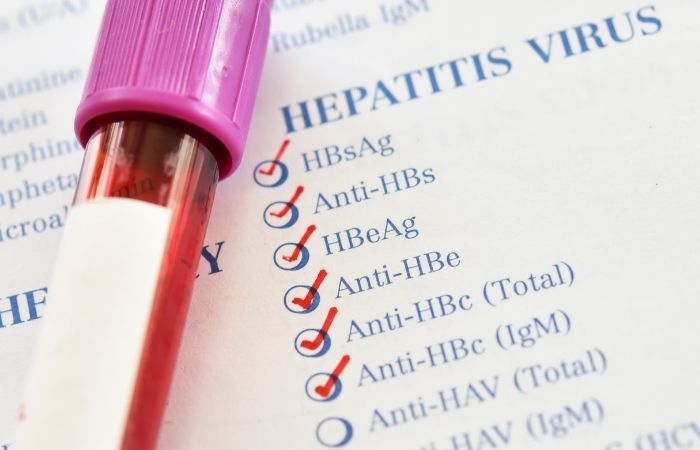
Testing for Hepatitis B primarily involves a blood test, although it is the specific markers that are important. The most common laboratory test conducted to diagnose active infection is the HBsAg test, which detects the Hepatitis B surface antigen. Other tests might be conducted to detect the various antibodies, including anti-HBc and anti-HBs, for determining whether one is immune, has ever been exposed, or is currently infected.
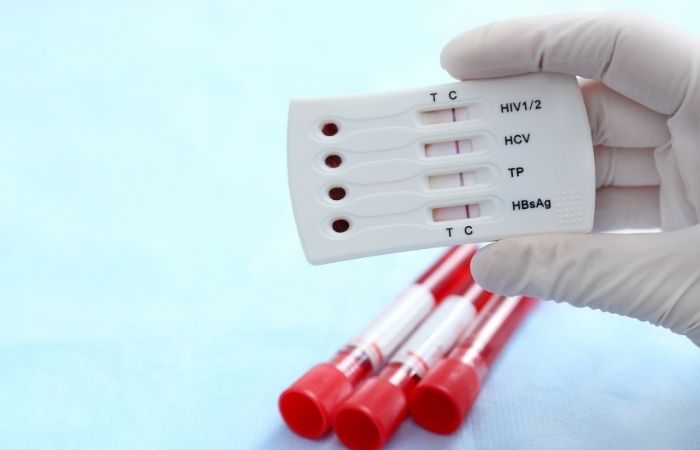
Most at-home rapid Hepatitis B test kits usually test the HBsAg marker via a fingerstick sample. These are made to provide quick results in about 15–20 minutes. They are ideal for when privacy, speed, and anxiety are ultimate concerns but only if used after the appropriate window period. Mail-in lab kits offer more detailed panels but take longer to process.
Hep B Incubation vs. Window Period
We need to make one thing clear: the incubation period and the window period are not the same. The incubation period is the time between getting sick and showing symptoms. For Hepatitis B, this is usually 6 to 12 weeks. The window period is the time between when you are exposed to the virus and when a test can show that you have it. That's what you should think about when you decide when to test.
During the early window period, you may already be infected, and even contagious, but still test negative. That’s why knowing when to test is more than just a technicality. It’s about avoiding false negatives that delay care, partner notification, or peace of mind.
| Marker | What It Detects | When It Becomes Detectable |
|---|---|---|
| HBsAg | Surface antigen indicating active infection | 3–6 weeks post-exposure |
| Anti-HBc | Antibodies showing past or recent infection | 6–12 weeks post-exposure |
| Anti-HBs | Antibodies from recovery or vaccination | After infection clears or post-vaccine |
Table 1. Timeline of hepatitis B blood markers after exposure. Testing too early may not detect the infection depending on which marker the test is designed to find.
Testing Too Soon? Real Scenarios That Might Backfire
Let’s talk real-world examples. Testing for Hepatitis B too soon can give a false sense of security. That’s especially dangerous when the symptoms are mild, or completely absent. Here’s what that looks like:
Case 1
You hook up with someone new. Three days later, you feel feverish and panicked. You rush to get tested. The result is negative, and you breathe easy, until six weeks later, when fatigue hits again, this time harder. A follow-up test finally shows a positive.
Case 2
You share a toothbrush with your partner, who later tells you they were recently diagnosed with chronic Hep B. You test yourself with a rapid kit five days later and get a negative result. But that test likely didn’t catch it yet, because the surface antigen (HBsAg) wouldn’t be detectable so soon.
These scenarios aren’t rare. Many people assume “negative = safe,” but the truth is more nuanced. That’s why it’s critical to understand not just whether to test, but when testing makes sense. Your timeline matters as much as your symptoms.
So, When Should You Test?
Here’s how to time your Hepatitis B test based on exposure:
If it’s been:
- Less than 2 weeks: Testing isn’t reliable yet. Most rapid and lab tests can’t detect the virus this early. If you have flu-like symptoms, rule out other causes, and plan to retest in a few weeks.
- 3–6 weeks: This is the early detection window. Some HBsAg tests will pick up infection here, but not all. A negative result in this period doesn’t rule it out, plan to retest after 6–12 weeks.
- 6–12 weeks: This is the ideal window. Most lab-based and at-home tests will be accurate in this range.
- 12+ weeks: Great for catching late-seroconversion cases or confirming immunity with antibody tests.
Even if symptoms show up early (like nausea, joint pain, or yellowing eyes), your immune system may not have made enough viral markers for tests to detect. If you’re testing early because you're anxious, it’s okay, just make sure you’re also planning to retest at the 6–12 week mark to be sure.
Need help remembering when to test? Use our Window Period Calculator to plan your ideal testing window.
At-Home vs. Lab Testing: Which Is Better for Hep B?
Your symptoms, emotional needs, and schedule will all affect which test is best for you. Each has its own pros and cons:
| Test Type | Turnaround Time | Accuracy | Best For |
|---|---|---|---|
| At-Home Rapid Test | 15–20 minutes | Moderate–High (if timed correctly) | Privacy, fast reassurance, symptom triggers |
| Mail-In Lab Test | 2–4 days | High (multi-marker detection) | Accuracy, timeline uncertainty, retesting plans |
| Clinic-Based Test | 1–5 days | Highest (especially for acute cases) | Chronic symptoms, complex health needs, follow-up access |
Table 2. Comparing test types by speed, privacy, and reliability. Rapid tests work well, but only if used after the right window period.
Peace of Mind Can Start Today
Whether you’re still counting days since a risky moment or sitting with uncomfortable symptoms, the waiting game is brutal. But knowledge is power, and so is planning your next step with intention. If you’re not ready to go into a clinic or lab, you can test yourself at home using a doctor-trusted Hepatitis B Test Kit.
It’s private, fast, and lets you take control without having to explain yourself to anyone. And if it’s still too early for an accurate result? You can retest when the window period passes, with clarity and confidence, not panic.
Can You Trust the Result? How to Avoid False Negatives
False negatives happen more often than people realize, and not because the tests are bad, but because they’re timed wrong. During the early window period, your body may not have produced enough HBsAg (surface antigen) for the test to detect. It’s not that you’re “not infected”, it’s that the test can’t see the signal yet.
Here's how to lower the chance of getting a wrong answer:
- For more accurate results, especially with tests done at home, wait at least six weeks after being exposed.
- Don’t rely on symptoms alone. Many Hep B cases are silent, especially in the first few weeks.
- Use a second test around the 12-week mark if your first test was negative but you still have concerns.
- Store and use the test correctly. Follow temperature and timing instructions exactly, especially for rapid kits.
Mini Case: Sonia, 35, tested negative at week 3 using a rapid kit. But her symptoms worsened. She retested at week 9 using a mail-in lab kit and got a positive result. “I almost skipped the second test. I thought I was just being dramatic. But it turned out I wasn’t,” she said.
Trust your gut, but back it up with the right timing. That’s how you protect yourself and others without spiraling or over-testing.
Retesting: Who Should Do It and When?
If your test is negative but you’re still within the early window, plan a follow-up test at 6 to 12 weeks post-exposure. This is especially important if:
- You tested earlier than 6 weeks
- You have ongoing symptoms
- You were exposed through high-risk contact (e.g., sex with an infected partner, needle sharing)
If you’ve tested positive and are undergoing treatment or monitoring, follow your provider’s guidance on retesting. Chronic Hepatitis B is a long-term condition in some cases, and repeat labs help track your progress and response to therapy.
Tip: Immunosuppressed individuals or people with other liver conditions may have different timelines. If you’re unsure, speak with a provider or look for telehealth options that specialize in infectious disease care.
You can always return to the STD Test Kits homepage to find discreet, no-pressure options for retesting, especially if clinic access isn’t easy for you.
What If Your Hepatitis B Test Is Positive?
First, take a deep breath. A positive result isn’t the end, it’s a beginning. Hepatitis B is manageable and, in many cases, fully treatable. The first step is confirming the result through a lab or clinic if you tested at home. Then, talk to a provider about next steps like liver function tests and possibly antiviral therapy.
Alex, 31, tested positive using a rapid test after noticing fatigue and joint pain. “I panicked, then messaged my ex. She already knew and hadn’t told me. I felt betrayed, but once I had answers, I could focus on treatment.” Alex started care within days and now uses his experience to educate others on the importance of early testing.
Contacting partners is hard, but not impossible. You can use anonymous notification tools if direct conversation feels unsafe. If you're unsure how to do this, many sexual health clinics or online services offer scripts and support.
Don’t wait to act. The sooner you begin care, the better your outcomes, physically and emotionally. For now, focus on testing any partners, protecting new ones, and scheduling follow-up labs with a provider.
FAQs
- 1. Can Hepatitis B actually feel like the flu?
- Yep, it's one of the biggest reasons people miss it. We're talking chills, body aches, nausea, and that foggy "I just need to sleep forever" vibe. Some folks even get a fever or joint pain and assume it’s a bug. But unlike the flu, Hep B can also cause things like dark pee or yellowing eyes later on. Don’t guess. Test.
- 2. I got exposed yesterday. Can I test today?
- You can, but it probably won’t tell you much. If you test within the first few days, the virus likely hasn’t built up enough to trigger a result. Think of it like showing up to a party before the DJ plugs in, there’s no signal yet. Wait a few weeks for a better read, or test now and plan to retest at the 6–12 week sweet spot.
- 3. What if my symptoms are gone, do I still need to test?
- Yes. Hep B doesn’t always stick around with dramatic symptoms. You might feel better but still be infected, especially if your immune system handled the early fight. A quick test will tell you more than guessing based on vibes.
- 4. Is it possible to have Hepatitis B and not know for months?
- Absolutely. In fact, that’s way more common than you’d think. Some people carry it with zero symptoms and only find out during a blood test for something else. Silent doesn’t mean safe, especially if there’s been recent exposure.
- 5. I had the vaccine. Why am I still freaking out?
- Totally normal. The vaccine protects most people, especially after the full series, but it’s okay to double-check, especially if it’s been years or you didn’t complete all three doses. If anxiety’s running the show, test to quiet the noise.
- 6. Do at-home Hep B tests actually work?
- They do, when timed right. A good rapid test can detect the infection from about week 3 onward. Just make sure you follow the directions to a T and test after the window period. Early testing = possible false negatives = retest plan needed.
- 7. Can I get Hep B from oral sex? Or kissing?
- Kissing? Not really. Oral sex? Possibly, especially if there are cuts, bleeding gums, or contact with semen or menstrual blood. Hepatitis B is way more infectious than HIV, and it doesn’t need full-on penetration to spread.
- 8. My test was negative, but I still feel weird. Now what?
- Listen to your body. If you tested early, you might have jumped the gun. Plan a retest around 6–12 weeks post-exposure. If it’s been longer and you're still feeling off, it’s smart to check in with a provider and rule out other STDs, or even a non-STD issue.
- 9. Can I reuse the same rapid test if I keep it sealed?
- Nope. Once opened, that kit’s a one-time deal. Exposure to air, temperature changes, or even just time can mess with the results. Treat it like sushi: use it fresh or don’t use it at all. If you need to test again, get a new kit.
- 10. Is Hepatitis B treatable, or am I stuck with it forever?
- Acute Hepatitis B may go away by itself, especially for young adults. If it is a chronic condition, it must be monitored and may involve medication. But the point is, something can be done, and this is the first step, not a life sentence.
You Deserve Answers, Not Assumptions
So if you’re caught up in the “what if” cycle, please remember this: taking a test is a gesture of care, not a confession. Whether your symptoms are diagnosable or nonexistent, your body deserves the answer it’s looking for, and your peace of mind is just as valuable. Getting your Hepatitis B test at the right time means more than just fulfilling a requirement; it means giving yourself an answer that’s actually true for you.
Do not wait and watch, but rather acquire the clarity you deserve. This at-home Hepatitis B test provides you with confidentiality, rapid processing, and strictly follows scientific standards. Maybe you are a bit too early now, but try again after you reach the 6-week point. We’ll be here.
How We Sourced This Article: We combined current guidance from leading medical organizations with peer-reviewed research and lived-experience reporting to make this guide practical, compassionate, and accurate. In total, around fifteen references informed the writing; below, we’ve highlighted six of the most relevant and reader-friendly sources. Every external link in this article was checked to ensure it leads to a reputable destination and opens in a new tab, so you can verify claims without losing your place.