How Long After HPV Should You Retest? What Doctors Actually Say
Quick Answer: Retest for high-risk HPV and cervical changes 12 months after a positive result or treatment. You’re not a cautionary tale. You’re someone managing a common virus in a confusing healthcare system.
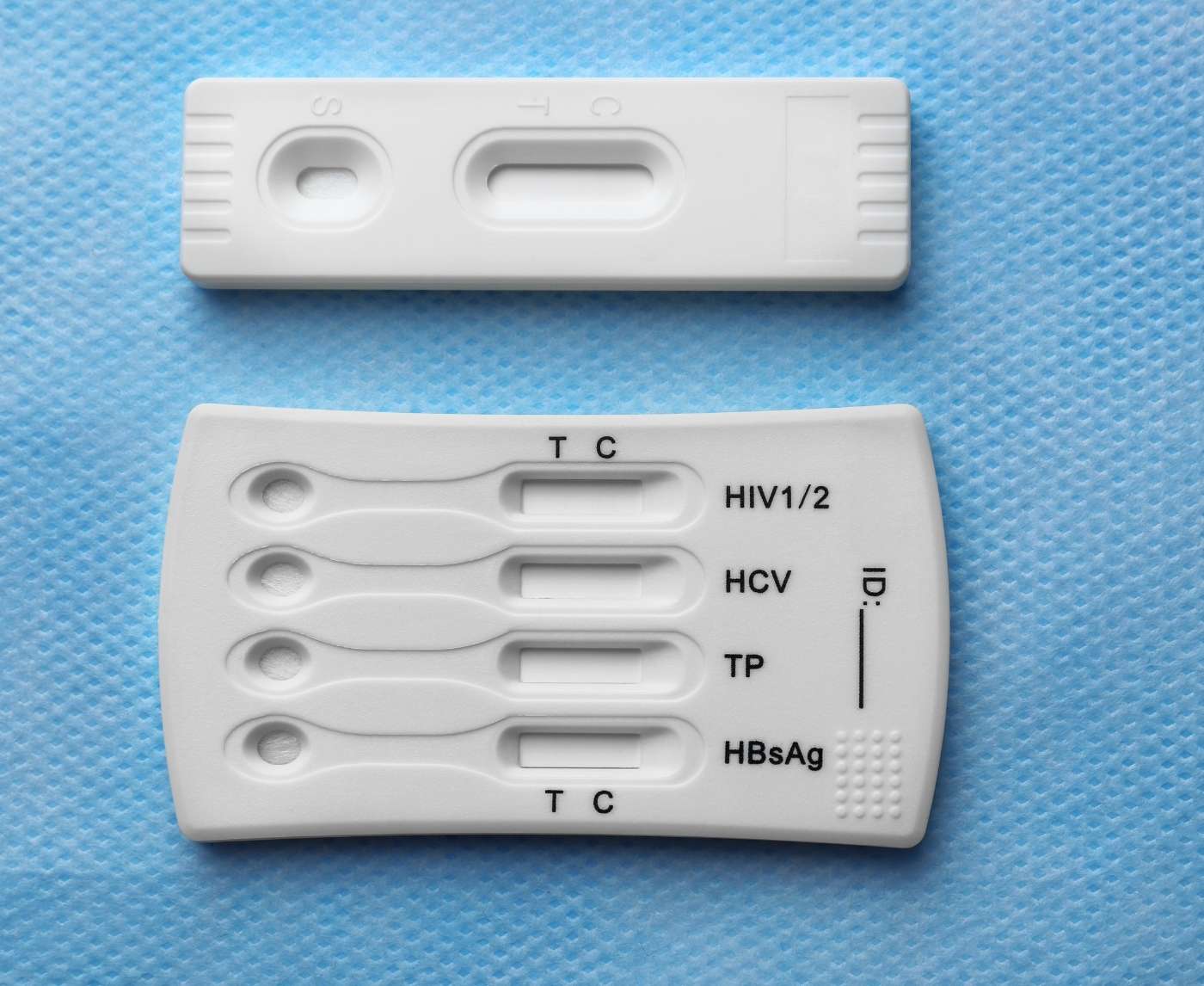
Quick Answer: Retest for high-risk HPV and cervical changes 12 months after a positive result or treatment. Some cases, like persistent HPV or post-LEEP follow-ups, may need a 6-month check, but premature testing often causes confusion, not clarity.
Who This Guide Is For (And Why It Matters)
This article is for anyone staring at an HPV result wondering what’s next. You might be between clinic visits, after a treatment like LEEP or cryotherapy, or dealing with a "positive but normal" result that doesn’t seem to match how you feel. Maybe you’re waiting on retesting after cervical cell changes, or you’ve been told to “watch and wait” without knowing what the hell that means.
If you’ve felt lost, alone, or judged for not having “clean” results, even when you’ve done everything right, this guide is for you. You’re not a cautionary tale. You’re someone managing a common virus in a confusing healthcare system. This guide breaks down timelines, tools, and options without the shame spiral.
We’ll walk you through HPV's lifecycle, why cervical changes take time, how long to wait between tests, and what to do if results stay weird. This isn’t just about viruses, it’s about your peace of mind and getting clear next steps.
HPV Basics: Why It’s So Common (and So Confusing)
Human papillomavirus (HPV) is the most common sexually transmitted infection in the world. Over 80% of sexually active people will contract it at some point. Most never know it. Others get abnormal Pap smears, scary language like "CIN 2," or confusing follow-up instructions that sound more like a riddle than a care plan.
Here’s the thing: HPV isn’t one virus. It’s a group of over 100 types. Around 14 are considered “high-risk” because they can lead to cervical cancer if left unchecked. But even those usually clear on their own within 1 to 2 years. It’s the persistence, not just the presence, that matters. And that's what makes the timing of your retest crucial.
According to the CDC, most high-risk HPV infections resolve without treatment, but if abnormal cells remain, further monitoring or procedures may be needed to prevent progression. That’s where retesting guidelines come into play.
How Cervical Changes Actually Happen (and What “CIN” Means)
Cervical changes caused by HPV are typically slow-moving. That’s why Pap smears and HPV tests are usually spaced months or years apart. But if you’re in a higher-risk category, like testing positive for HPV 16 or HPV 18, or having cell changes like CIN 2 or CIN 3, you’ll probably be on a different retesting track.
Let’s break this down:
| Term | Meaning | Typical Retesting Interval |
|---|---|---|
| CIN 1 | Low-grade changes, often resolve on their own | 12 months |
| CIN 2 | Moderate changes, may need treatment | 6–12 months, often post-treatment follow-up |
| CIN 3 | High-grade changes, more likely to progress | 6 months, or as advised by colposcopy result |
Figure 1. Cervical cell change categories and what they usually mean for your next retest.
If your report mentioned CIN but your doctor didn’t explain it clearly, you’re not alone. Many patients walk away without understanding the difference between “mild dysplasia” and something scarier. In reality, most early-stage changes reverse. The key is regular monitoring, not panic.
HPV Retesting Timeline: What the Guidelines Actually Recommend
Depending on your most recent results, here’s when most clinicians recommend retesting:
| Scenario | Recommended Retest Timing | Why |
|---|---|---|
| HPV positive, normal Pap | 12 months | To check if virus cleared on its own |
| HPV positive + abnormal Pap | 6–12 months | Follow-up depends on CIN level |
| After LEEP or cryotherapy | 6 months | To confirm cell changes are gone |
| HPV negative after previous positive | 3 years (routine screening resumes) | No further immediate testing needed |
Figure 2. HPV follow-up testing recommendations based on real-world scenarios.
Keep in mind that testing earlier than these windows often leads to confusing results. A false negative could give you false peace of mind. A lingering positive could trigger unnecessary worry, especially if the virus is already on its way out.
We know the wait sucks. But HPV testing is all about giving your body time to do its job. Retesting too soon doesn’t help. It clouds the picture.
“My HPV Is Still Positive, Is It Ever Going Away?”
This is one of the most common questions people ask. And it makes sense, after all, most of us assume an infection is either “gone” or “not.” But with HPV, the lines blur. You can clear the virus from your body and still show lingering DNA fragments on tests. You can feel totally fine, have a normal Pap, and still test positive. It’s maddening.
Here’s what’s actually going on: for most people, the immune system suppresses or eliminates HPV within 6 to 24 months. According to NIH research, 90% of new high-risk HPV infections are cleared within two years without treatment. But some infections persist, especially HPV 16 and 18, which carry the highest cancer risk. These persistent cases are the ones doctors watch closely with repeat testing.
If you're still testing positive at 12 months, it doesn’t automatically mean you’re high-risk or headed for more treatment. It means you’re on the radar for extra care. And that’s a good thing. Catching persistence early prevents complications later.
“I Thought It Was Gone, Then My Pap Was Weird Again”
Nadine, 31, tested positive for HPV 16 after a routine screening. She’d just started a new job and delayed her follow-up. A year later, her Pap showed CIN 1. Her OB-GYN said it would likely resolve and told her to come back in another 12 months.
“I wanted to test again in 3 months just to ‘be sure,’” Nadine said. “But my doctor told me I’d only freak myself out. So I waited.”
When she retested at 12 months, the virus had cleared, and so had the abnormal cells. If she’d tested too early, she might’ve gotten a confusing result that seemed worse than it was. Nadine’s story is common. With HPV, waiting the right amount of time can prevent unnecessary biopsies or panic.
This doesn’t mean ignore symptoms or concerns. If you have bleeding, pain, or unusual discharge, get checked ASAP. But if you’re symptom-free and just managing follow-up timelines? Trust the 6- or 12-month plan.
At-Home HPV Testing: Is It an Option for Retesting?
If you’re wondering whether you can retest for HPV at home, the answer is increasingly yes, especially in the U.S., U.K., and parts of Europe. Several FDA-approved at-home HPV screening kits are now available. These use vaginal self-swabs mailed to a lab. Results usually arrive within days, and follow-up plans mirror in-clinic protocols.
For people with trauma, mobility issues, no insurance, or just serious burnout from clinic visits, these kits offer a powerful alternative. Just make sure the test you're using is validated for high-risk HPV detection, not just “HPV in general.” And remember: you should never self-diagnose or skip follow-ups just because you’re testing privately.
If you're already navigating a positive or abnormal result, we strongly recommend sticking with your clinician for at least the first 1–2 retests. But after that, if your results normalize and you return to routine screening, at-home options can be a discreet way to stay proactive. You can explore discreet testing options at STD Test Kits.
What About LEEP, Cryo, or Biopsy? Do I Still Need to Retest?
Absolutely. Even after a procedure like LEEP, cryotherapy, or biopsy, follow-up tests are important. While these treatments remove abnormal cells, they do not ensure that you’re virus-free. And they certainly do not make you immune to future infections.
According to the American College of Obstetricians and Gynecologists (ACOG), it is important to retest 6 months after the procedure. This includes both an HPV test and a Pap smear. If these come back negative, you’ll be asked to repeat them again after 12 months. If these come back negative as well, you can resume your regular 3-year screenings.
But if the HPV virus is still present or if new abnormalities have developed, you may need to undergo another biopsy. Again, this is not a failure. This is just follow-up care to ensure you’re okay. Most people do not need more than one round of treatment.
It is also frustrating. You have already been through one procedure, which may have had unpleasant side effects. The thought of having to endure it all again can be overwhelming. This is where support is important – not just emotional support but also support during the retest process.
If you have already been through a procedure, you may want to consider writing down your schedule in a journal or notes program. This can help you feel more in control of your schedule.

Can HPV Come Back After It’s Cleared?
This is where things get murky. Technically, once your body clears HPV, you’re no longer infected. But,
- Some tests can still detect fragments of HPV DNA months later.
- You can get reinfected with a new strain (or the same one) from a partner.
- In rare cases, the virus may become dormant and reactivate under immune stress.
So yes, a recurrence is possible, but not guaranteed. That’s why routine screening still matters, even years after a normal test. It’s also why you shouldn’t blame yourself if the virus reappears. HPV doesn’t follow a moral script. It follows biology.
Think of it like the flu. You can get it, recover, and still catch it again later. That doesn’t mean the first test was wrong, or that your body failed you. It means HPV is common, persistent, and annoying. But it’s also manageable.
If your head keeps spinning, peace of mind is one test away. Explore discreet at-home HPV test options trusted by real users and designed for real life.
What If You’re Pregnant, Immunocompromised, or Over 30?
Retesting timelines don’t exist in a vacuum. Your body’s age, immune system, or pregnancy state all play a role in determining when you should be screened for HPV or when you should be retested for a positive result.
As a pregnant woman, most practitioners will avoid procedures such as colposcopy or LEEP unless you have an obvious risk for progression. However, a Pap smear or HPV test may be conducted during pregnancy, with treatment deferred until after pregnancy unless cell changes are severe.
As an immunocompromised person, due to HIV infection, transplant medications, or other immune-suppressed states, your body is much more susceptible to persistent HPV infection. For immunocompromised patients, follow-up should be conducted every 6 months.
As an individual over the age of 30, co-testing for HPV and Pap smears should be conducted every 5 years or every 3 years using a Pap smear alone. However, a positive result without abnormal cell changes means you should have a follow-up screening every 12 months or have genotyping for HPV 16/18.
The point here is that not all bodies are created equal. And this isn’t a bad thing! This means that you should have a follow-up regimen that’s based on you, not the general population.
How to Reduce the Chances of Needing Retesting
There’s no magic bullet to make HPV disappear faster, but you can support your immune system and reduce the odds of persistence or reinfection:
| Preventive Strategy | Why It Helps |
|---|---|
| HPV Vaccination (e.g. Gardasil) | Protects against most high-risk and wart-causing strains |
| Condom Use | Reduces, but doesn’t eliminate, HPV transmission risk |
| Smoking Cessation | Smoking impairs cervical healing and immune response |
| Immune Support (Sleep, Nutrition, Stress) | Helps the body suppress or eliminate HPV naturally |
| Partner Testing & Communication | Reduces cycle of reinfection, especially in monogamous relationships |
Figure 3. Prevention and healing strategies that lower the risk of HPV persistence or reinfection.
Keep in mind: none of these guarantee you won’t need a retest. But they give your body a better shot at clearing the virus, and staying clear long-term.
Whether you’re choosing abstinence, condoms, communication, or vaccination, the goal isn’t “perfection.” It’s clarity. HPV is manageable, but only if you know what’s going on.
What to Say (and Not Say) to a Partner
Let’s be honest. HPV doesn’t just affect your cervix, it affects your relationships. Deciding when (or whether) to tell a partner you’ve had HPV can feel harder than dealing with the virus itself. Especially if you’re between retests and not sure what your next step is.
First, know this: you don’t owe every partner your full medical file. But if you’re in a long-term or monogamous relationship, or if you share sexual health plans, it’s worth having the conversation. Try something like:
“I had an abnormal Pap recently. It’s related to HPV, which is really common and usually clears. I’m doing follow-up care, and I just wanted to be transparent with you.”
Or if you're post-treatment:
“I had a minor procedure a few months ago for HPV-related changes. It’s cleared now, but I’m still doing routine follow-ups.”
Keep it simple, fact-based, and non-apologetic. You didn’t do something wrong. You’re doing something responsible. That’s what matters.
If you’re not ready to share details yet, focus on protecting yourself and partners while staying engaged in your retesting schedule. And if you need backup, Planned Parenthood has helpful scripts and support resources.
Your Retesting Roadmap: A Recap
Let’s tie it all together. HPV retesting isn’t about ticking boxes, it’s about timing, trust, and self-care. Here’s a quick summary of what you need to remember:
- Just tested positive? Wait 12 months for retest if no cell changes.
- Have CIN 1–3 or abnormal Pap? Expect a 6- to 12-month retest window based on severity.
- Post-LEEP or treatment? First follow-up at 6 months, second at 12.
- All clear? Back to 3- or 5-year routine screening, depending on test type.
And if it still feels overwhelming? You’re not alone. Everyone’s HPV timeline is different. But the roadmap exists. You just have to follow it, step by step, test by test.
You deserve clarity, not confusion. Order a discreet HPV or combo test if you're ready for answers without the waiting room.
FAQs
1. How long should I actually wait before retesting after an abnormal Pap?
In most cases, if you have a mild Pap result and are positive for HPV, doctors suggest waiting a whole 12 months before you should consider retaking a Pap test again. I know, I know, it feels like an eternity, but it’s better not to test too soon, as you might end up with "noise" rather than actual results.
2. My HPV test is still positive, should I be worried?
Not really, as having a positive result even after a while does not always mean you are actively infected with the virus. Your body may still be fighting off the virus, and the test may still show positive even if you are not actively infected. As long as your Pap test is normal, you should not worry, as doctors will still monitor you.
Stress is not going to help you get better, but drinking a lot of water, sleeping a lot, and living a relaxed lifestyle may actually help you faster than you think.
3. Why is my Pap normal, yet I’m still positive for HPV?
This is actually super normal, and you should not worry at all, as having a normal Pap result means you are still safe, even if you are still positive for the virus. Having a positive result for HPV does not always mean you are actively infected, as the virus can still reside inside you, even if you are not showing any signs of having the virus.
It’s like seeing footprints in the sand after a person has walked away. The footprints are still there, and they may still be there even after a while, but the person is already gone, and you are still safe.
4. If I had the HPV vaccine, do I still need to retest?
Yep. The vaccine will protect you from the worst ones, like 16 and 18, but not all of them. Think of it like sunscreen: you’re reducing your risks, but you’re still looking at your skin anyway. And if you’re sexually active or over 30, you’re probably already in the habit of retesting anyway, with or without the vaccine.
5. Can I get HPV again?
Yes, you can. Unfortunately, yes, you can get HPV again, either with the same or a different strain, depending on whether your partner is also infected or you’re exposed to it again. Don't feel guilty, though: it's not you, it's HPV, and HPV is just good at being HPV, so to speak. And that's why, no matter how many times you’ve “conquered” HPV, you’re still going to need to get retested anyway.
6. Does having HPV mean I’m going to get cancer?
Deep breath, no, not automatically. Most cases of HPV will go away on their own without causing any real issues. Even in cases where abnormal cells do develop, treatments are incredibly effective at stopping them before they get out of hand. HPV is like a smoke detector: annoying, but good to have around in case of emergencies. Just don't ignore it, and don't freak out about it, or you'll have bigger things to worry about than HPV itself.
7. Can I just retest at home myself, without going to the doctor?
Yes, you can, depending on your situation. If you’re past treatment and you’re just retesting as part of your regular follow-up, then yes, you can definitely use an at-home HPV test, which is FDA-approved. Just make sure you’re not in the middle of some weird symptoms or your last test was weird or severe, like CIN 2 or CIN 3, in which case you might want to at least go in one more time before going totally rogue.
8. What if I’m pregnant, do I still need to retest?
Being pregnant does not mean that you are cleared of the virus. In fact, most doctors try to avoid any further treatment such as LEEP when pregnant unless absolutely necessary. They will most definitely wait until after the pregnancy to do anything about the virus. So while you might be able to wait a little while longer, you should definitely make an appointment to retest after the pregnancy. This is something that you should definitely keep in the front of your mind rather than on the back burner.
9. How do I know if my HPV is “persistent” or just slow to clear?
If you have a high-risk virus and have had a positive test in the last year or more, that is usually a pretty good indication that it is a persistent infection. But that doesn’t mean that anything bad is going on. In fact, it just means that your body might take a little longer to clear the virus. In fact, most cases of persistent infection are still pretty controllable with frequent monitoring. So while it might be a bit of a pest that refuses to leave, it doesn’t mean that anything bad is going to happen.
10. Can I still have sex while waiting for my retest?
Yes, you can. Just make sure that you use a condom or a dental dam if you are not sure about your partner’s status. Also, make sure that you have not had a recent treatment such as LEEP because in that case, you might have to wait until you have finished healing. While having sex might not be a bad thing right about now, you should definitely wait a little while longer and allow your body to do its own healing.
You Deserve Answers, Not Assumptions
HPV can feel like a shadow: always lurking, never quite clear. But it’s also incredibly common, manageable, and, in most cases, temporary. Whether you’re waiting to retest, just got results, or are trying to decide whether that spot on your cervix means anything at all, you deserve facts, not fear.
Retesting isn’t a punishment. It’s a plan. A way to make sure your body is healing, your virus is clearing, and your future stays in your hands. You don’t have to guess, spiral, or search Reddit for hours.
Don’t wait and wonder, get the clarity you deserve. This discreet at-home HPV test gives you trusted lab-grade results without the wait or judgment.
How We Sourced This Article: We combined current guidance from leading medical organizations with peer-reviewed research and lived-experience reporting to make this guide practical, compassionate, and accurate. In total, around fifteen references informed the writing; below, we’ve highlighted six of the most relevant and reader-friendly sources.