Is HPV Worse Than Herpes? Here’s What Doctors Actually Say
Quick Answer: HPV is more likely to cause long-term physical harm such as cervical, anal, or throat cancer, especially with high-risk strains. But their paths diverge when it comes to risk. But the problem?

Quick Answer: HPV is more likely to cause long-term physical harm such as cervical, anal, or throat cancer, especially with high-risk strains. Herpes tends to cause lifelong but manageable symptoms and emotional distress, without the same cancer risk.
This Isn’t Just About Skin, It’s About What Stays
Both herpes (especially HSV-2) and HPV are incurable, meaning they can stay in the body long after symptoms disappear, or even if symptoms never show up at all. But their paths diverge when it comes to risk.
Herpes lives in nerve pathways, often surfacing during stress, hormonal shifts, or illness. The virus can cause outbreaks multiple times a year or none at all. For many people, it eventually "burns out," becoming less severe over time. But it’s emotionally heavy: the stigma, the need to disclose to partners, the uncertainty of when it’ll flare up again.
HPV, on the other hand, is usually silent. Many people clear it without ever knowing they had it. But the problem? You can’t always predict who will and who won’t. Certain strains (like HPV 16 and 18) are linked to cervical and other cancers. And in some people, the virus can linger in cells for years, quietly increasing cancer risk without a single wart or sore ever appearing.
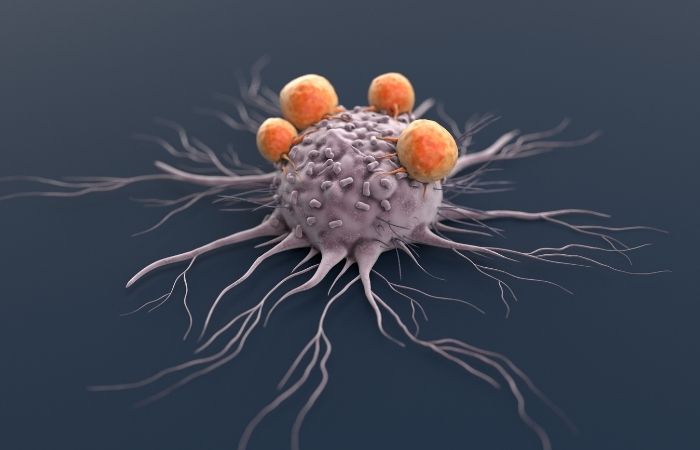
HPV vs Herpes – What They Actually Do to Your Body
| Feature | Herpes (HSV-1 & HSV-2) | HPV (Human Papillomavirus) |
|---|---|---|
| Virus Location | Nerve pathways near genitals or mouth | Surface skin and mucosal cells (genitals, anus, throat) |
| Symptoms | Blisters, burning, itching, pain during outbreaks | Often none; may cause genital warts or cellular changes |
| Long-Term Risks | Chronic pain, emotional distress | Cervical, anal, penile, throat cancer (from high-risk types) |
| Stays in Body? | Yes, lifelong with intermittent reactivation | Yes, but many strains are cleared naturally in 1–2 years |
| Testing Options | Blood test (antibody), swab during outbreak | Pap smear, HPV DNA test (for cervix); no routine test for men |
| Treatable? | No cure; antiviral meds reduce outbreaks | No cure; some strains cause cancer, others go away |
Figure 1. Key differences between herpes and HPV, focusing on symptoms, progression, and risk.
“He Told Me He Had Herpes. I Had HPV, and Cancer.”
Monica, 34, thought she was the “healthy one” in the relationship. Her boyfriend had HSV-2 and disclosed it before they got serious. She appreciated his honesty and took precautions, assuming she was in the clear. A year later, Monica’s Pap smear came back abnormal. Further tests revealed she had high-risk HPV, and an early-stage cervical cancer diagnosis followed.
“I was floored. I never had a single wart. No symptoms. I didn’t even know I had HPV. And suddenly I was scheduling surgery.”
Monica’s case isn’t rare. Up to 80% of sexually active people will contract HPV at some point, but only some develop persistent infections. And that persistence is what increases cancer risk, particularly when routine screening is missed or inaccessible.
Meanwhile, her boyfriend’s herpes, while emotionally difficult, remained dormant with medication. Monica later shared: “His herpes affected our sex life. But my HPV almost ended mine.”
That’s why "worse" isn’t a single answer, it depends on what lens you use: medical, emotional, or social.
What Doctors Actually Say About Long-Term Danger
Most medical professionals agree: HPV carries higher potential for long-term physical harm, especially with high-risk strains. According to the National Cancer Institute, nearly all cervical cancers and a significant percentage of throat and anal cancers are caused by HPV. The virus integrates into cellular DNA and can mutate those cells into cancerous ones over time.
By contrast, herpes is considered a chronic condition with social and emotional complications. It does not cause cancer. But it can trigger painful outbreaks, especially in the first year, and emotional stress from stigma, disclosure, and fear of transmission is very real.
Here’s the distinction: Herpes affects your quality of life. HPV can affect your quantity of life. That doesn’t mean herpes isn’t serious, it absolutely is, especially for those with frequent symptoms or weakened immune systems. But it typically doesn’t lead to life-threatening outcomes.
When Symptoms Are Silent (But Risk Isn’t)
Here’s what throws most people off: both HPV and herpes can show up with zero symptoms. You might be carrying one, or both, without a clue. In fact, the majority of people with genital herpes don’t know they have it. And with HPV, even fewer ever feel or see anything unless warts appear or a Pap smear flags abnormal cells.
This makes real-world detection tricky. You can’t rely on how your body “feels” to know whether you’re infected. Many readers report a rash, bump, or itch and assume it’s herpes, when it’s folliculitis or irritation. Others have no symptoms and think they’re fine, until an HPV-driven cancer is found years later during a routine screening.
That’s why early testing, retesting, and symptom-tracking matter. It's not about panic. It's about power, knowing your status, understanding your risk, and being proactive rather than reactive.
HPV Can Be Cleared, But Sometimes It Doesn’t Go Away
One of the most confusing parts about HPV is this: for many people, it clears on its own. Most immune systems wipe out the virus within 1 to 2 years. But not always. In some bodies, especially those with weakened immune responses, HPV can persist. And it’s that long-term presence that can lead to cervical, anal, penile, or oropharyngeal cancers.
According to the CDC, about 14 million new HPV infections occur every year in the U.S., and around 35,900 cases of HPV-related cancers are diagnosed annually. The risk isn’t equal across all strains. “Low-risk” types may cause genital warts, while “high-risk” strains (like 16 and 18) are linked to cancer.
But here's the catch: there’s no standard test for HPV in men. Most infections in males go undiagnosed unless genital warts appear, or unless they later develop an HPV-related cancer. This makes HPV an invisible risk, especially for heterosexual men who may unknowingly pass it on to partners with cervixes.
Herpes Stays Forever, But It Doesn’t Get Worse Over Time
With herpes, the timeline looks different. Once you have HSV-1 or HSV-2, it’s in your system for life. There’s no “clearing” period. But that doesn’t mean it will haunt you forever.
For many individuals, there is one major outbreak, perhaps a few minor ones thereafter, and then no symptoms for many years. Others experience outbreaks more frequently, particularly in the first months. Antiviral drugs, such as acyclovir and valacyclovir, diminish the frequency of outbreaks and reduce the risk of transmission, especially if taken daily.
The key point? Herpes isn’t progressive. It doesn’t evolve into worse stages or threaten your life span. But it can seriously affect how people feel about themselves, their desirability, and their relationships. That emotional weight deserves just as much attention as the medical facts.
HPV vs Herpes Progression
| Timeline | Herpes (HSV) | HPV |
|---|---|---|
| Initial Infection | Outbreaks possible within 2–12 days | Often no symptoms; warts may appear within weeks to months |
| First Year | Frequent outbreaks possible; emotional adjustment common | Immune system may start to clear virus or suppress activity |
| Year 2+ | Outbreaks typically decrease in frequency and severity | HPV may clear naturally or become persistent (higher risk) |
| Long-Term | Lifelong presence; may be dormant or reactivated | Persistent infection can cause precancer or cancer if undetected |
Figure 2. Timeline comparison of how each virus behaves over time and what complications may arise.
Testing Confusion: Why It’s So Hard to Know What You Have
Here’s where things get messy. You can test for herpes, if you have symptoms. Swab tests work best during an outbreak. Blood tests can detect antibodies, but false positives happen, and many doctors avoid ordering them unless there's a clear reason.
HPV testing is even trickier. For people with cervixes, Pap smears and HPV DNA tests can catch high-risk strains early. But there’s no FDA-approved HPV test for penis-owners or for routine throat screening. That leaves a major detection gap, and many people only find out after abnormal cells have already developed.
If you've had unprotected sex with more than one partner or if your immune system is weak, it's a good idea to get tested ahead of time. At-home STD kits can help you check for common infections without anyone else knowing. Follow-ups ordered by your doctor can help confirm the results. But don't expect to learn everything from just one swab. Testing is not the last word.
As one anonymous reader shared in an HPV support forum: “I thought my STD panel was negative. But it didn’t include HPV, and no one told me that.” Misinformation and unclear expectations make this harder than it needs to be.
You Deserve Real Answers, Not Just Reassurance
If your brain is spinning and your Google history looks like a CDC database, you’re not alone. Trying to compare HPV and herpes isn’t about ranking pain, it’s about making informed decisions. It’s about knowing which virus could silently harm you and which one might only ever exist in your blood without changing your life much.
If you're unsure what you're dealing with, or if you're between partners and want clarity before your next chapter, a rapid, confidential test can bring peace of mind. STD Test Kits offers fast, accurate, discreet screening options that help you act with confidence, not fear.
Why the Stigma Hits Harder with Herpes, But HPV Can Be More Dangerous
It might surprise you, but most people fear herpes more than HPV, even though HPV is the one more likely to lead to cancer. Why? Because herpes is visible, emotionally triggering, and shows up in dating conversations in ways HPV rarely does.
Herpes gets framed as “unclean,” despite its high prevalence. Nearly 1 in 6 people aged 14 to 49 in the U.S. have genital HSV-2, and over half the population carries HSV-1. But the minute someone discloses it, the cultural panic kicks in, often leading to rejection, ghosting, or worse.
HPV, on the other hand, hides in plain sight. Most people with penises aren’t tested for it. Most people with cervixes only find out from Pap smear results. And because it’s so common, over 80% of sexually active adults will get it, many assume it’s “no big deal.” But certain strains absolutely are a big deal. They can stay hidden for years, quietly turning into cancer without any visible symptoms.
So we end up with this paradox: herpes carries more social weight, while HPV often carries more medical risk. That’s a brutal reality for people navigating shame, disclosure, and long-term decisions.
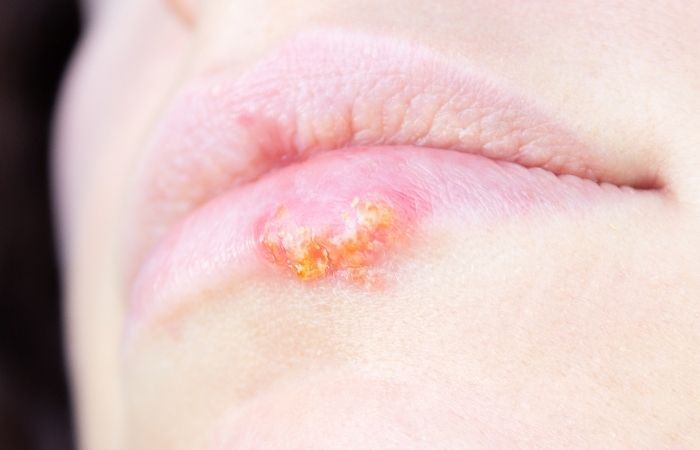
“Herpes Killed My Dating Life, HPV Nearly Killed Me”
Diego, 27, tested positive for HSV-2 after a casual summer fling. He spiraled. He canceled dates, deleted dating apps, and spent months off-grid emotionally. “I felt toxic,” he said. “Like damaged goods. Even though I wasn’t having outbreaks.”
During that same year, his ex-girlfriend, who had tested negative for herpes, found out she had abnormal cells on a Pap smear. She was diagnosed with a persistent high-risk HPV infection and underwent a colposcopy and cervical biopsy. Fortunately, her precancerous cells were caught early and treated, but it shook her.
“I was terrified. I didn’t even know you could have HPV for years and not know. I thought herpes was the bad one. But herpes didn’t almost kill me.”
For Diego, it was a wake-up call: the virus with more emotional shame wasn’t the one that needed the most fear, it was the one that needed the most compassion. And prevention.
How Gender Shapes the Diagnosis Experience
HPV and herpes don’t impact everyone equally, especially when it comes to testing and diagnosis. For people with cervixes, the medical system is built around screening: annual Pap smears, colposcopies, HPV co-testing, and even vaccines. But for people with penises, the system offers next to nothing.
There’s no routine HPV test for men. No equivalent of a Pap smear. And unless visible warts appear, most men will never know they have it. That means transmission often happens unknowingly, even with the best intentions.
Herpes, too, often flies under the radar in men. Because blood tests aren’t routinely recommended, and swab tests only work during an active outbreak, many men don’t get diagnosed unless they’re symptomatic or their partner tests positive first.
For trans and nonbinary individuals, access to screening is even more complicated. Gendered assumptions, limited provider training, and insurance issues create huge gaps in care. That's why clear, inclusive information and at-home testing options matter, especially when you're trying to navigate health without shame or misgendering.
Can You Have Both HPV and Herpes?
Yes, and a lot of people do. These viruses can happen at the same time. Having one won't keep you safe from the other. Having open sores from a herpes outbreak may make it more likely that you will get HPV during sex because the skin is more likely to tear. Most people don't know that coinfections are more common than they think. This is because people who have unprotected sex, get a new partner, or have a weak immune system are more likely to get them.
And even though each virus works in its own way, they can all have the same effects on both health and emotions. You need to get a full screening if you're worried or have been exposed. Just because you test negative for one doesn't mean you can't have the other.
If you're not sure where to start, a combo STD test kit is a private way to check for more than one infection at once. You don't have to go to a clinic or make complicated appointments.
What If You Want to Tell a Partner?
This might be the hardest part, and the most necessary. Whether you’ve tested positive for herpes, know you’ve had HPV, or just suspect you’ve been exposed, the fear of judgment can feel paralyzing.
Being honest is a way to show that you care. It's not a confession. It's a conversation about health, consent, and how to move forward as a group. And most of the time, when people are given honest information and time to think, they do better than we expect.
If you’re struggling to start that conversation, here’s a gentle script:
“Before we get more intimate, I want to share something. I tested positive for [herpes/HPV], and I’m managing it with [treatment/testing]. It doesn’t change how I feel about you or our connection, but I want us both to feel safe.”
You don’t have to share every detail. You don’t have to lead with shame. You just have to lead with honesty, and let the rest unfold from there.
When Testing Isn’t Just About You
If you’re in a relationship, or starting a new one, getting tested isn’t just about your peace of mind. It’s about protecting each other. Knowing whether you have herpes or HPV can help you make informed decisions about condoms, vaccines, medications, and timing.
Even if you’ve never had a symptom, that doesn’t mean you're in the clear. Testing is about what might be there silently. About what could be prevented now, rather than treated later. And about making sure no one has to go through what Monica or Diego did, feeling blindsided by a virus that had been there all along.
FAQs
- 1. Can I have both HPV and herpes?
- You can, and a lot of people do. These viruses don’t block each other out, and one doesn’t protect you from the other. If you’ve had unprotected sex or multiple partners, it’s entirely possible to carry both without realizing it. They don’t show up on the same tests, either, so you’d need to screen for each one specifically.
- 2. Does herpes turn into cancer like HPV can?
- Nope. Herpes can bring flare-ups, discomfort, and emotional stress, but it doesn’t mutate your cells or lead to cancer. That’s a job (unfortunately) some strains of HPV do, especially types 16 and 18. Herpes messes with your peace of mind; HPV can mess with your cervix, anus, throat, or penis. Different beasts entirely.
- 3. I’ve never had a herpes outbreak, does that mean I don’t have it?
- Not necessarily. Around 80% of people with genital herpes don’t know they have it because they’ve never had noticeable symptoms. You might have mistaken an early outbreak for a rash, a zit, or even razor burn. If you’ve had unprotected sex and want clarity, a blood test (called a type-specific IgG test) might help, but even that comes with caveats, especially for HSV-1.
- 4. Can you catch herpes or HPV if you use a condom?
- Unfortunately, yes. Condoms lower the risk, but don’t fully block it. Both herpes and HPV can spread through skin-to-skin contact in areas condoms don’t cover, like the base of the penis, vulva, or inner thighs. It’s not about failure, it’s about biology.
- 5. How long does HPV stay in the body?
- For most folks, HPV clears on its own within 1 to 2 years. Your immune system kicks in, kicks it out, and you never even know. But sometimes, it lingers, and that’s when trouble can start. Persistent high-risk HPV is what leads to cancer risk. You won’t feel it. That’s why screenings like Pap smears and HPV DNA tests matter so much.
- 6. Can men get tested for HPV?
- Sadly, not in any routine or widely available way. There’s no FDA-approved test for HPV in penis-havers unless there are visible warts. That means most men only find out about HPV after a partner is diagnosed, or much later, if they develop a related cancer. It’s a huge blind spot in STI screening.
- 7. I tested negative for STDs. Does that mean I don’t have HPV or herpes?
- Not necessarily. Most standard panels don’t include either. You usually have to request a herpes blood test specifically, and HPV testing is only standard for people with cervixes over a certain age. So if you’re assuming you’re “clean” based on a quick clinic check, don’t. Ask what was actually tested. Clarity beats assumptions.
- 8. What does herpes feel like during an outbreak?
- It’s different for everyone, but imagine tiny blisters, stinging, burning, or itching, like a paper cut in a really sensitive place. First outbreaks tend to hit harder and last longer. After that, they often get milder. Some people only get one ever. Others get several a year. Antivirals can make a huge difference.
- 9. Should I tell someone if I have herpes or HPV?
- If you’re sexually active with them, yes. It’s hard, but it’s part of building trust and giving them the chance to make informed choices. You don’t need to overshare or apologize for your body. Try: “I’ve tested positive for [herpes/HPV], and I manage it responsibly. I wanted you to know so we can make decisions together.” That’s honesty without drama, and it’s sexy, honestly.
- 10. Can I still have sex if I have herpes or HPV?
- Of course. People who have herpes and HPV have happy, fulfilling sex lives every day. It is very possible to keep things safe and fun if you are careful, aware, and have honest conversations. You are human, not dirty, if you have an STD. Don't let fear tell your story.
You Deserve Answers, Not Assumptions
It’s easy to spiral when you're unsure whether it’s HPV or herpes. The symptoms might be invisible. The emotional fallout might feel massive. And the stakes feel higher when cancer risk or lifelong stigma are on the table.
But here’s what matters most: neither virus defines you. Testing, screening, and honest conversations are tools, not judgments. You’re allowed to be confused, scared, or furious. You’re also allowed to take charge, get clear answers, and protect your body without shame.
How We Sourced This Article: We combined current guidance from leading medical organizations with peer-reviewed research and lived-experience reporting to make this guide practical, compassionate, and accurate. In total, around fifteen references informed the writing; below, we’ve highlighted some of the most relevant and reader-friendly sources.