How Long Should You Wait to Retest for STDs After Antibiotics?
Quick Answer: Most STDs should be retested 3 to 12 weeks after finishing antibiotics. Most of the time, people are told to get retests for chlamydia and gonorrhea three weeks after treatment to make sure they are cured.
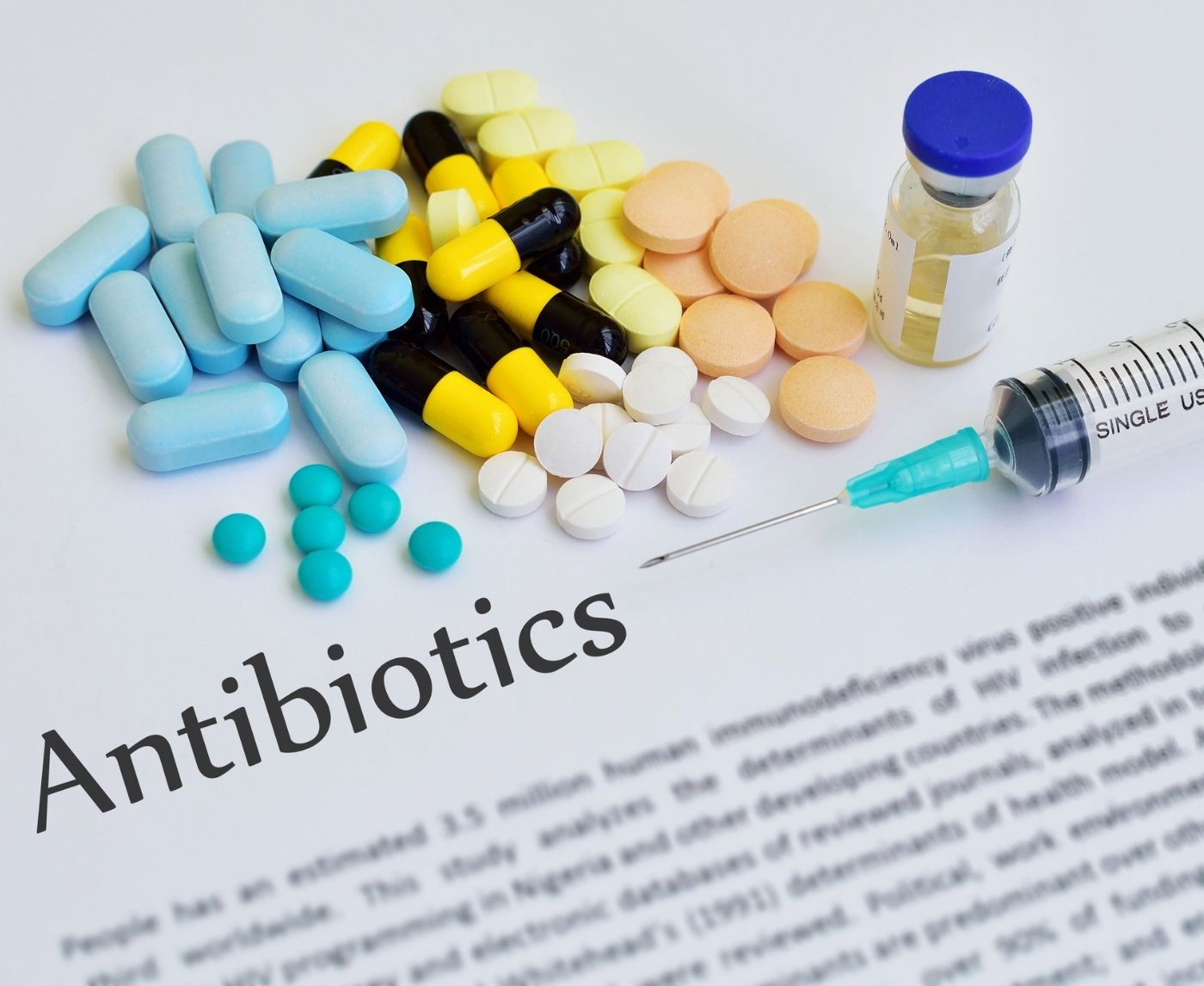
Quick Answer: Most STDs should be retested 3 to 12 weeks after finishing antibiotics. Most of the time, people are told to get retests for chlamydia and gonorrhea three weeks after treatment to make sure they are cured. If you have syphilis or trichomoniasis, you may need to get tested again in 6 or 12 weeks. The timing depends on the STD, the treatment used, and whether the symptoms come back.
Why This Guide Exists (And Who Needs It)
Hector, 24, got treated for chlamydia after a routine screening. “I didn’t even have symptoms,” he said. “I took the pills and figured that was that.” Two weeks later, his partner tested positive, and he started noticing a weird discharge again. “I thought maybe the meds didn’t work?” he wondered, panicked and unsure what to do next.
If you’ve ever felt confused after treatment, especially when symptoms linger, a partner tests positive, or you’re not sure if the antibiotics “took”, you’re not alone. Retesting isn’t just about catching a failed treatment. It’s about making sure you're truly clear, keeping partners safe, and knowing when your body is ready to move forward.
This article is for anyone who’s just completed antibiotics for an STD, or is about to, and wants clear, stigma-free guidance on what comes next. Whether you used a clinic, a telehealth service, or a discreet at-home STD test kit, we’ll walk you through the post-treatment phase step-by-step.
Why Retesting After Treatment Actually Matters
Most people assume once they finish a round of antibiotics, they’re good to go. But that’s not always the case. Even with the right medication, things can go sideways: the infection might not fully clear, the sample used for diagnosis might have missed something, or you might get re-exposed, especially if your partner wasn’t treated at the same time.
Here’s what retesting can catch:
| Reason for Retesting | What It Helps Detect |
|---|---|
| Confirming treatment worked | Some infections like chlamydia may persist despite meds |
| Detecting reinfection | Often from an untreated partner or new partner exposure |
| Ruling out false negatives | Tests taken too early or with incorrect samples can miss infection |
| Identifying coinfections | Some tests or treatments only cover one STD at a time |
Table 1. Common reasons to retest for STDs even after finishing antibiotics.
For example, CDC guidelines recommend that anyone treated for chlamydia be retested about three months later, even if symptoms disappear. The same goes for gonorrhea, especially with rising antibiotic resistance concerns. Syphilis is often followed by blood titer retesting to make sure levels are declining appropriately.
How Long Should You Wait to Retest? It Depends on the STD
Not everyone should retest after taking antibiotics at the same time. It depends on the type of STD, how your body reacts, and what kind of treatment you got. Based on public health advice and current research, here are the standard retesting windows:
| STD | Typical Treatment | When to Retest | Why Timing Matters |
|---|---|---|---|
| Chlamydia | Single dose azithromycin or 7-day doxycycline | 3–4 weeks after treatment | NAATs can detect dead DNA if tested too early |
| Gonorrhea | Single injection of ceftriaxone | 7–14 days if symptoms persist; 3 months routinely | Antibiotic resistance can cause treatment failure |
| Syphilis | Penicillin injection(s) | 6–12 weeks via blood titer (RPR) | Blood titers decline slowly; reinfection risk high |
| Trichomoniasis | Single or 7-day metronidazole/tinidazole | 2–4 weeks post-treatment | High reinfection rates without partner treatment |
| Mycoplasma genitalium | Sequential azithromycin + moxifloxacin | 3–4 weeks after completing meds | Slow to clear; complex testing and resistance |
Table 2. Retesting windows after antibiotic treatment by STD type.
Trying to test too soon, like the day after your last dose, can backfire. For many infections, especially chlamydia and trichomoniasis, retesting earlier than 3 weeks may still pick up leftover bacterial DNA, resulting in a “positive” test even if you’re actually cured. That can lead to unnecessary retreatment and more anxiety.
What If Your Test Is Still Positive After Treatment?
One of the most emotionally stressful things that can happen is getting a second positive test, after you’ve followed every instruction, taken every pill, and done “everything right.” It’s easy to blame yourself or feel hopeless. But here’s the truth: it doesn’t always mean your treatment failed.
Jasmine, 31, took doxycycline for chlamydia, waited three weeks, and got retested. “It came back positive again. I felt dirty and broken,” she recalled. But her doctor explained that leftover bacterial fragments can still trigger a positive NAAT. A repeat test two weeks later came back negative.
If you test positive after treatment, ask yourself:
- Was the test too soon? Testing within 2–3 weeks for some STDs can still show dead DNA.
- Were all partners treated? If not, reinfection is a real risk, even from one encounter.
- Was the diagnosis confirmed? Misdiagnosis or coinfection can confuse test outcomes.
- Is this a persistent infection? Some bugs, like Mycoplasma genitalium, need stronger or longer treatment.
When Symptoms Linger: Is It Treatment Failure or Something Else?
Let’s say your STD test was positive, you followed through with treatment, but now it’s a week or two later and something still feels off. The discharge hasn’t totally cleared. There’s still burning when you pee. Or maybe the itching is back. What gives?
It’s one of the most common questions we hear: “I took the meds. Why do I still have symptoms?” The answer isn’t always straightforward, but here’s what might be happening:
| Scenario | Possible Explanation |
|---|---|
| Symptoms persist right after antibiotics | Your body may still be healing; inflammation can linger even after infection clears |
| Symptoms return after a few days | Potential reinfection from an untreated partner or new exposure |
| No partner but still symptoms | Coinfection or treatment-resistant strain (e.g., Mycoplasma genitalium) |
| Negative test but symptoms remain | Possible non-STD condition: UTI, yeast infection, vulvodynia, prostatitis, etc. |
Table 3. When symptoms linger after antibiotics, several explanations are possible, and not all mean treatment failed.
“Symptoms” are not always caused by infection. Especially after antibiotics, your mucous membranes may be dry or irritated. Nerves may still be inflamed. And if you had a coinfection (say, BV and chlamydia), treating one may not fix the other.
Still, any return or persistence of symptoms should prompt you to get retested, especially if your partner wasn’t treated, or you had sex again shortly after finishing your antibiotics.
Can You Get Reinfected Right After Treatment?
Short answer: absolutely. In fact, the majority of repeat infections, especially with chlamydia and gonorrhea, aren’t because the meds failed. They’re because the person got re-exposed too soon.
CDC guidelines recommend avoiding all sexual activity for at least 7 days after completing STD treatment. And that’s assuming both you and your partner(s) are treated at the same time. Otherwise, you’re just passing the infection back and forth.
Mario, 22, shared this: “I thought I was fine. Took the pills, waited like five days, and hooked up again. Turns out, she hadn’t even picked up her prescription yet.” Two weeks later, he was symptomatic again. Reinfection happens more than people think, and there’s no immunity for most STDs.
Retesting becomes essential in these situations. And this is where discreet, fast options like the 6‑in‑1 At‑Home STD Test Kit can be game changers. You can check your status without another clinic visit, and get results in minutes instead of days.
How At-Home Retesting Kits Work (And When to Use Them)
At-home STD test kits offer privacy, speed, and convenience, especially useful when you’re not sure whether your treatment worked or symptoms came back. But they also have specific timing requirements, just like clinic tests do.
Most high-quality at-home kits use the same NAAT (nucleic acid amplification test) technology as clinics and labs, especially for chlamydia, gonorrhea, and trichomoniasis. That means the same rules apply: if you test too soon, you could get a false positive (from dead bacteria), or a false negative (if the infection hasn’t yet rebounded).
Here’s when to consider an at-home retest:
- You’ve completed treatment and waited the recommended time (usually 3+ weeks)
- You had sex again and want to make sure you’re still clear
- You’re noticing symptoms again but don’t want to visit a clinic yet
- Your partner tested positive and you need to re-check your own status
Ordering a test from a trusted site like STD Test Kits means you’ll get verified, medically backed results fast, with no waiting room, no paperwork, and no judgment.
What About Faint Lines or Confusing Results?
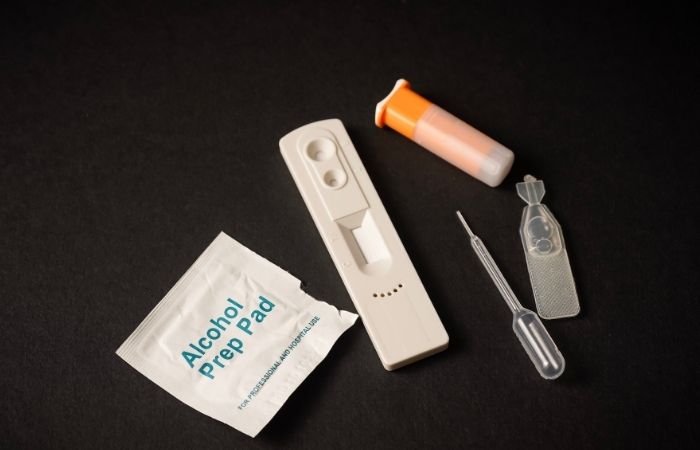
Whether you're using a rapid test or a mail-in kit, faint lines on your test cassette can cause panic. Does it mean you're still positive? Was it a bad test? Are you infected again?
Here’s how to interpret faint lines:
| Faint Line Scenario | Likely Meaning | What to Do Next |
|---|---|---|
| Faint positive line + recent treatment | Could be residual DNA | Wait another 1–2 weeks and retest |
| Faint line + symptoms returned | Possible reinfection or persistent infection | Confirm with another test or clinic visit |
| Faint line on invalid test (no control line) | Test malfunction | Discard and repeat with new kit |
| Negative result but symptoms worsen | False negative or wrong test type | Seek follow-up testing and clinical evaluation |
Table 4. Faint lines can be common, context and timing help interpret what they mean.
If you’re unsure whether your at-home test result is reliable, or the lines don’t match what the instructions describe, consider contacting the test provider’s support line, or retesting with a fresh kit a week later.
Peace of mind is worth the extra test.
Preventing Reinfection: What to Do (and Not Do)
Even if your treatment worked perfectly, you’re still vulnerable to getting the same STD again, sometimes within days. Reinfection is incredibly common, especially when partners aren’t tested or treated at the same time. In some studies, up to 20% of people treated for chlamydia or gonorrhea get reinfected within 3 months.
Here’s how to protect yourself after antibiotics:
- Wait at least 7 days after completing treatment before having any sexual contact.
- Make sure all current and recent partners are treated, and retested if needed.
- Use condoms or dental dams consistently while retesting and healing.
- Get retested again at 3 months even if you feel fine, especially for chlamydia or gonorrhea.
Alejandro, 28, shared this frustration:
“I tested, treated, and then got it again within a month. I didn’t know my ex never got tested.”
Reinfection isn’t a failure of medication, it’s a communication gap, a timing issue, or a simple accident. That’s why a second test is not just precaution, it’s protection.
When the Test Is Still Positive: What Are Your Options?
Testing positive again, weeks after finishing antibiotics, can feel like a slap in the face. But don’t panic. The next step depends on what infection you had, how long it’s been since treatment, and whether you’ve had any sexual contact since.
Here’s how to approach it:
| If Your Retest Is Positive... | Consider This | What to Do Next |
|---|---|---|
| Less than 3 weeks post-treatment | Could be lingering DNA, not active infection | Wait 1–2 more weeks and retest |
| More than 3 weeks, no sex since | Possible treatment failure or resistant strain | Contact a provider for alternative treatment |
| Had sex after treatment, partner not treated | Likely reinfection | Both you and your partner need to be treated |
| Retesting for syphilis (blood titers) | Titer may decline slowly, not reach zero | Provider will interpret trends, not a single number |
Table 5. Understanding what a second positive result means, and how to respond based on timing and exposure.
Remember: treatment failure is rare with proper antibiotics, but not impossible. Gonorrhea in particular has shown increased resistance to azithromycin and other commonly used drugs. If your retest stays positive, your provider may suggest different antibiotics or send your sample for culture and sensitivity testing.
If you used an at-home test and got a confusing or persistent positive, follow up with a lab-based or clinical test to confirm. But don’t delay out of shame, most reinfections are resolved with a simple second round of treatment.
Talking to Partners: Scripts That Protect Everyone
No one wants to have “the talk.” But partner notification is the single most powerful thing you can do to stop the cycle of reinfection. If you were treated for an STD, it’s not enough to focus only on yourself, your recent sexual partners deserve a heads-up so they can get tested and treated too.
Not sure how to say it? Here are three real-world script options depending on your relationship and comfort level:
| Style | Example Message |
|---|---|
| Direct and factual | “Hey, I just found out I had chlamydia. I got treated, but you might want to get tested too.” |
| Compassionate and concerned | “I wanted to let you know I tested positive for something. I’m okay and getting treated, but I care about your health too.” |
| Anonymous (use clinic or website tool) | Services like tellyourpartner.org let you alert partners without revealing your name. |
Table 6. Example scripts for telling a partner they may have been exposed to an STD.
If you’re nervous or feel unsafe having that conversation directly, ask your provider about anonymous notification programs, or use digital tools. The goal isn’t blame. It’s to prevent ongoing transmission and protect everyone’s health, including yours.
Retesting becomes even more important when partners don’t test. Take control by retesting when recommended, and encouraging those around you to do the same.
FAQs
- 1. Can I test too early after taking antibiotics for an STD?
- Yep, and it's one of the biggest mistakes people make. You feel better, or maybe you're just anxious to get closure, so you test right away, only to get a confusing result. Here’s the deal: some tests can pick up dead bacterial DNA even after the infection is gone. So if you test within a week or two of finishing antibiotics, that “positive” might just be your body taking out the trash. Give it at least 3 weeks for most STDs before you trust the retest.
- 2. Do I really need to retest if I don’t have symptoms?
- Totally fair question, and the answer is yes. STDs are sneaky. Chlamydia and gonorrhea in particular love to fly under the radar. You could feel 100% fine and still be carrying something that spreads easily to partners. That’s why the CDC recommends retesting even if you feel great, especially within 3 months of your original diagnosis. No shame, just science.
- 3. What if I retest and it's still positive after antibiotics?
- Take a breath. It might not mean your treatment failed. Sometimes you tested too early. Sometimes it’s leftover DNA. And yeah, sometimes the infection really is still there, especially if your partner wasn’t treated or if you’ve had sex again since finishing meds. What matters is what you do next. Retest after another week, or talk to a provider about a possible second round. You’re not gross or broken. This happens a lot more than people admit.
- 4. How do I know if I was reinfected or if the antibiotics didn’t work?
- Great question, and not always easy to tell. If you had sex again (especially unprotected) after treatment, and your partner wasn’t treated too, chances are it’s reinfection. If you’ve been totally abstinent and still test positive 3–4 weeks later, it might be treatment failure or a tougher strain. Either way, don’t guess. Get another test, and if needed, a different round of antibiotics.
- 5. Is it safe to use an at-home STD test for retesting?
- Absolutely, as long as you use a quality one, and you follow the timing rules. Most home kits use the same tech (NAAT) as the clinic. It’s private, quick, and you don’t have to explain your whole sex life to a receptionist. Just make sure it’s been 3+ weeks since treatment to avoid confusing results.
- 6. Why do my STD symptoms come back after treatment?
- Oof, we hear this a lot. Could be reinfection. Could be that your body’s still healing. Could be a different infection entirely. For example, some people treat chlamydia but still have symptoms because they also had bacterial vaginosis or a UTI. And sometimes the irritation just takes longer to calm down than the infection itself. If symptoms come back or hang on, it’s worth retesting, and ruling out coinfections.
- 7. Do all STDs require retesting after antibiotics?
- Not every single one, but many do. Chlamydia, gonorrhea, and trichomoniasis are the big three where follow-up testing is smart and sometimes necessary. Syphilis gets tracked with blood titers. Herpes doesn’t get “cured,” so you don’t retest unless something new shows up. Bottom line: if your provider said “get retested,” do it. And if they didn’t but you’re worried? Do it anyway. Your peace of mind is valid.
- 8. How long do antibiotics stay in your system after STD treatment?
- Most STD meds don’t stick around that long, just a few days. But their effect on your body lasts longer. The meds do the kill job, but your immune system still needs time to clean up and rebuild. Think of it like putting out a fire: just because the flames are gone doesn’t mean the smoke cleared. That’s why lingering symptoms don’t always mean failure. But if they drag on? Retest.
- 9. Can I trust a negative test if I still have symptoms?
- Hmm... not always. Tests are powerful, but they’re not perfect. If you tested too early, or if you used the wrong type of test (say, oral swab when you needed urine), that “negative” might be lying to you. If something feels off, burning, discharge, sores, don’t gaslight yourself. Retest, and if needed, go see a provider who can look at the full picture.
- 10. Should my partner get tested again if I had to retest?
- Yes. Yes. And one more time: yes. If you had to retest because symptoms came back or your result stayed positive, it’s time for your partner to get checked again too. They might’ve never cleared it in the first place. Or maybe you both got reinfected and didn’t know. Either way, testing together (even if it’s separate kits) can stop the cycle before it becomes a loop of frustration and flare-ups.
You Deserve Answers, Not Assumptions
Just because you finished a round of antibiotics doesn't mean your STD story is over. Retesting helps you understand what's going on, whether you're still having symptoms, getting confusing test results, or are afraid of getting sick again. It's not about feeling bad; it's about the truth, healing, and keeping your future partners safe.
Don't wait and think. The 7-in-1 Complete At-Home STD Test Kit is a medically backed, easy-to-use option that lets you retest from home without anyone knowing. It's quick, private, and made for people who want clear answers, not judgment.
How We Sourced This Article: We combined current guidance from leading medical organizations with peer-reviewed research and lived-experience reporting to make this guide practical, compassionate, and accurate. In total, around fifteen references informed the writing; below, we’ve highlighted some of the most relevant and reader-friendly sources.