When to Test for Hepatitis B After Oral Sex Exposure
Quick Answer: The best time to test for Hepatitis B after oral sex exposure is 6 weeks post-contact for accurate results. Maybe your throat feels off, or you’re running a weird low-grade fever. Maybe it’s nothing.
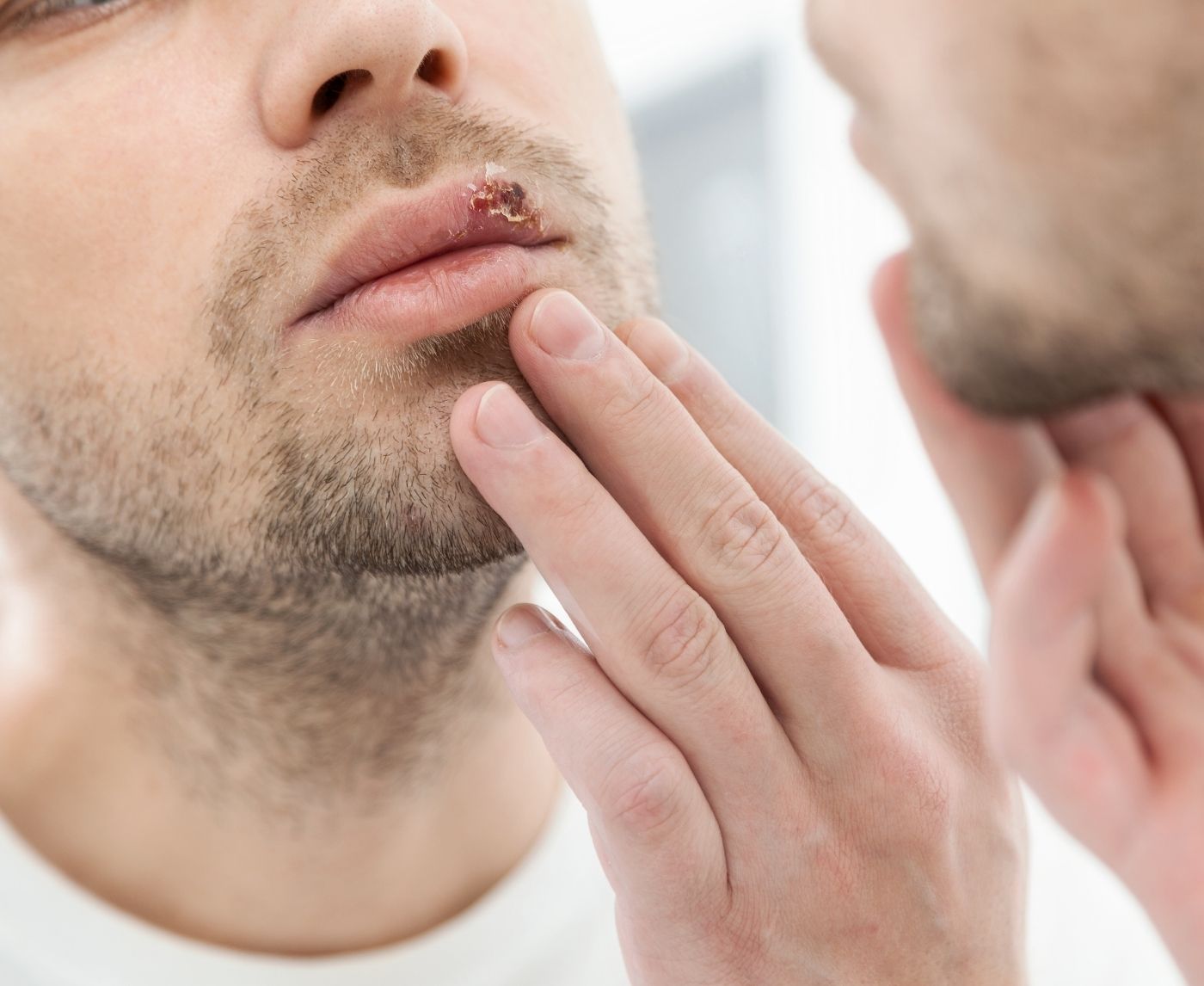
Quick Answer: The best time to test for Hepatitis B after oral sex exposure is 6 weeks post-contact for accurate results. Early testing may still detect the virus in some cases, but a follow-up is recommended between weeks 6 and 12 to confirm.
Why This Article Matters (Even If You Feel Fine)
If you’re reading this, you probably don’t have symptoms, or they’re so subtle you’re second-guessing yourself. Maybe your throat feels off, or you’re running a weird low-grade fever. Maybe it’s nothing. Maybe it’s Hepatitis B. You’re not overreacting. This guide is for anyone who had oral sex and now finds themselves Googling things like “can you get hepatitis B from oral?” at 2AM.
We wrote this for:
- People who don’t have access to immediate clinic testing
- Readers dealing with shame, fear, or stigma after a casual encounter
- Anyone who had oral sex with someone new and now isn’t sure what to do
- People looking for clear answers without judgment or panic
We’ll break down exactly when to test, what tests to trust, what your results mean, and how to protect your future health (and partners). Testing isn’t a confession, it’s a smart, proactive choice.
Can Oral Sex Really Transmit Hepatitis B?
Yes, it can, and it does. Hepatitis B is a bloodborne and bodily fluid-transmissible virus that’s 50 to 100 times more infectious than HIV, according to the CDC. Oral sex often involves microscopic cuts or abrasions in the mouth or genitals, which can allow the virus to pass, even when neither person shows symptoms.
Contrary to popular belief, ejaculation isn't required for Hepatitis B to spread. Pre-cum, saliva, menstrual blood, and even micro-abrasions can all contribute to transmission. The virus can also live outside the body for up to 7 days, increasing indirect exposure risk.
That’s why waiting to see symptoms isn’t a reliable strategy. Many people with HBV stay asymptomatic for weeks, or never develop noticeable symptoms at all.
Window Periods: Why Timing Your Test Matters
Not all tests can detect Hepatitis B right away. The time between exposure and when a test can reliably detect the virus is called the window period. Testing too soon can lead to a false negative. Testing too late? You might spread it without knowing.
| Test Type | What It Detects | Window Period | Recommended Use |
|---|---|---|---|
| HBsAg (Surface Antigen Test) | Current infection | 4–12 weeks post-exposure | First-line diagnostic test |
| Anti-HBc (Core Antibody) | Recent or past exposure | 7–12 weeks post-exposure | Used alongside HBsAg for accuracy |
| HBV DNA (PCR Test) | Viral genetic material | As early as 2–3 weeks | For early detection or confirmatory use |
Figure 1. Timeline of Hepatitis B tests by type and optimal detection window.
What If You Already Tested, But It Was Too Soon?
If you took a test within the first week or two after oral exposure, the results may not be accurate. While some PCR-based tests can pick up infection as early as 14–21 days, most standard tests like the HBsAg need more time to detect the virus. If you tested too early and it came back negative, you’ll need to retest at the 6–12 week mark to rule it out confidently.
Case Study: One reader tested negative at week 2 after a casual oral encounter. At week 8, they developed fatigue and abdominal pain. A second test came back positive, confirming active HBV. This isn’t rare, it’s why knowing the right window matters more than just testing immediately.
If you’re stuck in that in-between zone, one of the most helpful tools we offer is a discreet, at-home option: this Hepatitis B test kit. It ships in plain packaging and walks you through the process with clear instructions.
Real Scenarios, Real Questions: “Was That Enough to Infect Me?”
Let’s break down a few common oral sex scenarios that lead people to search for this article. These aren’t rare, they’re how most people contract Hepatitis B without realizing it.
Scenario 1
You gave oral sex to someone with no visible symptoms. They didn’t ejaculate, but you noticed a small sore in your mouth later that night. You test at day 10, negative. But was it too soon?
Scenario 2
You received oral sex from a casual partner who bled slightly after brushing their teeth. No penetration happened. You felt fine but got sick three weeks later with flu-like symptoms. Could that have been the start of something?
In both cases, the risk is real. The virus can pass via microscopic mucosal tears and bodily fluids, even without penetration or ejaculation. If you’ve had any oral exposure and are now unsure, the safest thing you can do is test at least once between weeks 6 and 12. Earlier testing is valid but may require a follow-up.
Clinic vs At-Home Testing: What’s Best After Oral Exposure?
You have options, and each comes with pros and cons. If you’re anxious, traveling, or simply not ready to explain your situation to a front-desk receptionist, you’re not alone. Many people opt for home-based tests for Hepatitis B for privacy and speed.
| Test Method | Privacy | Speed | Best If... |
|---|---|---|---|
| At-Home Test Kit | Very High | 24–72 hours after mailing | You want to avoid clinics or wait time |
| Clinic-Based Test | Moderate | Same-day or 1–3 days | You need in-person care or insurance billing |
| Telehealth with Lab Referral | High | 2–3 days | You want doctor input but no office visit |
Figure 2. Comparing Hepatitis B testing options by privacy, speed, and use-case.
One of the most common errors? Testing too soon, getting a bad result, and thinking you're fine. If your first test was 2 to 4 weeks after having oral sex, you should plan to test again between weeks 6 and 12.
Do You Really Need to Take the Test Twice?
Yes, most of the time. Retesting helps confirm the result after your immune system has had time to respond if your first test was within four weeks of exposure. This is how it usually works:
- First test at 2 to 3 weeks. If it comes back negative, test again at 6 to 12 weeks.
- First test at 6–8 weeks: More sure, but if symptoms come back, test again at 12 weeks.
- First test at 12 weeks or later: The most accurate picture, especially if both antigen and antibody markers are used.
Hepatitis B can stay hidden for weeks, so keep that in mind. Some people never show any signs. Testing twice isn't too much; it's science-based caution. If you've had oral contact and are now worried, you might want to start with a private Hepatitis B test at home. If it's early, make sure to schedule a second check. Don't wait if you're already weeks out; now is the time to find out for sure.
Your Peace of Mind Is One Test Away
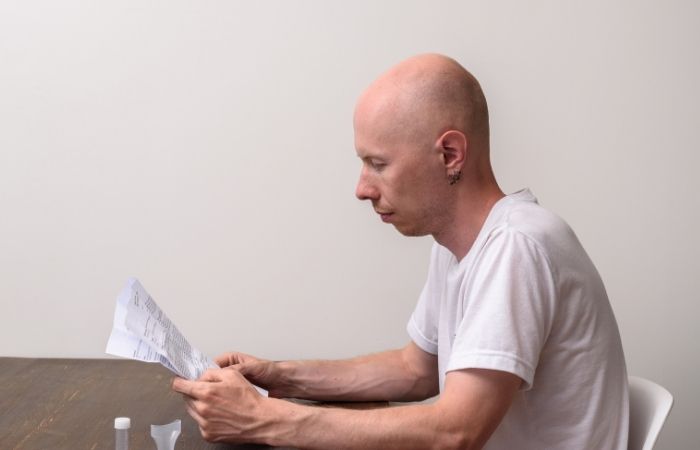
You don’t need to sit in uncertainty. Whether it’s been 10 days or 10 weeks, getting tested is the next right step, and you can do it from home. This discreet Hepatitis B test kit arrives in plain packaging, requires just a small sample, and offers fast, lab-certified results. It’s what we recommend when privacy and timing matter most.
If you're still unsure whether testing makes sense, try the free tool: STD Risk Checker Quiz. It walks you through exposure questions to help you decide.
What If Your Test Comes Back Positive?
First: Breathe. Testing positive for Hepatitis B after oral sex doesn’t mean you’re dirty, reckless, or doomed. It means you had a human experience, and now you have medical information that lets you take action. Hepatitis B is a manageable infection. Many people clear it naturally; others take medication and live full, healthy lives.
If your test is positive, here’s what to do next:
- Confirm with a follow-up test. Especially if your result came from an at-home kit, a clinic-based confirmation (usually an HBV DNA or antibody panel) can provide clarity. False positives are rare but possible.
- Get linked to care. Most general practitioners can guide you through the next steps, or you can use a telehealth provider. You may be referred to a hepatologist if signs of liver inflammation appear.
- Notify partners. This part feels scary, but you’re not alone. There are anonymous text-based partner notification tools or scripts your provider can help you use. Testing your recent partners protects everyone, including you.
- Ask about vaccines for close contacts. Hepatitis B is preventable with a vaccine. If you’ve been exposed, your loved ones and sexual partners may benefit from being vaccinated too.
Taylor, 31, found out they had Hepatitis B from a home test after a hookup. “I almost didn’t tell my partner. I was so ashamed. But when I finally did, they just asked, ‘How can I help?’ They got tested the same week.” The shame lifted the second Taylor took action.
Long-Term Care and Prevention After Exposure
Getting tested is one moment, but knowing how to move forward is a lifetime of peace. If you’ve had a scare or confirmed infection, here’s what helps in the long run:
- Vaccination (if you’re negative). If your results are negative, consider getting the 3-dose Hepatitis B vaccine. It’s more than protection, it’s peace of mind for future encounters.
- Retesting (if you were early in the window). A second test at 12 weeks locks in your status with the highest accuracy. Combine antigen and antibody testing if possible.
- Normalize testing in your relationships. Whether it’s new partners or ongoing ones, sharing testing expectations helps remove fear. You’re not being paranoid, you’re protecting pleasure and safety.
And if you tested positive and cleared the virus? Ask your doctor to confirm “functional cure” status and if you’re now immune. Many people carry antibodies that protect them for life.
Not sure where to begin? Visit STD Test Kits to explore your at-home options discreetly.
FAQs
- 1. Can oral sex really transmit hepatitis B?
- Yes, and not just in theory. Oral sex isn’t a no-risk zone, especially when there’s contact with blood, semen, or even microscopic tears in the mouth. If your partner has bleeding gums, is menstruating, or even just has a sore you didn’t see, the virus can make its way in. It’s not about blame. It’s about biology.
- 2. I didn’t swallow and there was no ejaculation, am I still at risk?
- Unfortunately, yes. Hepatitis B doesn’t need a “money shot” to do its thing. It can travel in pre-cum, vaginal fluids, and even saliva (though that’s less common). If you had mucosal contact, there’s still a chance, even if the whole thing was over in five minutes and felt chill.
- 3. I tested negative two weeks after the hookup. Can I relax?
- Not yet. You’re not in the clear until at least 6–12 weeks post-exposure. That early test is a good start, but think of it as a snapshot, not the whole story. If symptoms pop up later, or you just want to sleep better, a retest is smart.
- 4. What does “window period” actually mean?
- It’s the waiting room between exposure and detection. Your body needs time to produce the viral markers that show up on tests. For hepatitis B, that’s usually 4 to 12 weeks. Testing too soon is like checking your mailbox five minutes after you hit “send.”
- 5. I feel totally fine. Why should I test?
- Because lots of people with hepatitis B don’t feel a thing, until they do. It can sit silently in your system for weeks, months, or even years. One reader told us they only found out during a blood donation. No symptoms. Just a life-changing surprise.
- 6. Can I get vaccinated after the fact?
- If you test negative, yes, absolutely. The hepatitis B vaccine is one of the best moves you can make for future peace of mind. If you're exposed but not infected, it gives your body the armor it needs before the next close encounter.
- 7. Do I have to tell my hookup if I test positive?
- Morally? Yes. Legally? Sometimes, depends where you live. But don’t let shame write your script. Some people prefer anonymous text notifications; others just need a solid line like, “Hey, I tested positive and I think you should check too.” You’re not alone, and you’re not the first person to send that message.
- 8. Are at-home hepatitis B tests actually reliable?
- The good ones? Very. As long as you’re past the window period and follow instructions, they offer accurate, lab-backed results. Just don’t use them too soon and assume you’re good. When in doubt, test twice.
- 9. What if my result is positive?
- First: don’t panic. Take a breath. Then follow up with a confirmatory test, either through a clinic or telehealth. From there, your provider will walk you through treatment (which is often simple) and next steps. Most people live long, healthy lives with hepatitis B, or clear it entirely. This isn’t the end of anything.
- 10. I’m scared to test. What if it’s bad news?
- That fear is valid, but staying in the unknown won’t protect you. Knowing your status gives you options. It lets you protect your partners. It lets you plan. And honestly? Most people feel better once they know, no matter the result. Testing is how you take your power back.
You Deserve Answers, Not Assumptions
Oral sex is often treated like a loophole, fun, safe, low-risk. But viruses don’t care about our assumptions. Hepatitis B can pass through a single oral encounter, and waiting for symptoms is no guarantee. The good news? You can take back control today.
Testing is power. And with tools such as a discreet Hepatitis B at-home test, it has never been simpler to gain clarity. Do not let fear, guilt, or confusion stop you. You are taking the smart decision. The right decision. The decision your future self will thank you for.
How We Sourced This Article: We combined current guidance from leading medical organizations with peer-reviewed research and lived-experience reporting to make this guide practical, compassionate, and accurate. In total, around fifteen references informed the writing; below, we’ve highlighted some of the most relevant and reader-friendly sources.