Why 2026 Is Finally the Year of At Home STD Test Kits
Quick Answer: In 2026, at-home STD test kits offer medically accurate results, discreet shipping, and faster answers than most clinics, making them a trusted choice for both first-time and routine testers.

Quick Answer: In 2026, at-home STD test kits offer medically accurate results, discreet shipping, and faster answers than most clinics, making them a trusted choice for both first-time and routine testers.
Who This Guide Is For (And Why It Matters)
If you’ve ever delayed getting tested because of work hours, anxiety, fear of being judged, or not knowing what test to ask for, this is for you. Maybe you're exploring your sexuality. Maybe you live in a rural area. Maybe your insurance is a mess. Or maybe you just value privacy over paperwork. At-home STD testing removes a lot of the old barriers, and in 2026, that matters more than ever.
Imagine you’re on a solo camping trip, in a new situationship, or just not ready to talk to a nurse about what happened at the club. These kits meet you in those quiet, complicated spaces, and give you clarity on your terms. In this guide, we’ll break down how home STD testing works, what’s changed in 2026, how accurate these kits really are, how to choose the right one, and what to do if a result comes back positive. Testing is care. And you deserve it, without shame, delay, or exposure.
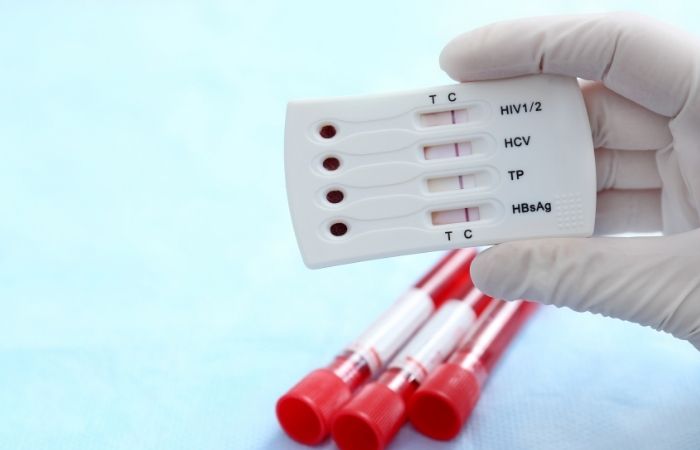
Why 2026 Changed the Game for STD Testing
In 2020, most people still thought STD testing meant showing up at a clinic, peeing in a cup, and awkwardly waiting for a phone call. Fast forward to 2026, and the landscape has radically shifted. Increased demand for telehealth, global supply chain improvements, and FDA-authorized home testing tech have made it easier than ever to test accurately without leaving home. Privacy concerns, cost transparency, and a cultural shift toward bodily autonomy have all played a role.
According to recent data from CDC surveillance reports, STD rates continue to rise, especially among people under 35. But so does the demand for self-led care. A 2024 study in JAMA Network Open found that nearly 1 in 3 people who used at-home STD kits wouldn’t have otherwise tested at all. That’s not just a convenience win, it’s a public health breakthrough.
In 2026, this isn’t a fringe option. It’s becoming the norm. Some insurance providers even reimburse for certain kits. More platforms offer follow-up telehealth. And unlike earlier versions, today’s test kits are built to be idiot-proof, no guesswork, no mess.
What's in a Test Kit, Really?
A 2026 home STD test kit isn’t just a swab and a hope. It’s usually one of three formats:
| Kit Type | How It Works | STDs Detected | Sample Required |
|---|---|---|---|
| At-Home Rapid | Test and read at home | HIV, Syphilis, Herpes, others | Blood or swab |
| Mail-In Lab Kit | Collect at home, mail to lab | Chlamydia, Gonorrhea, Trichomoniasis, more | Urine, swab, blood |
| Combo Kits | Multiple infections tested | 4–10 common STDs | Varies by kit |
Figure 1. Common STD kit formats and what they detect.
All kits come with clear instructions. Most take under 10 minutes to collect. And some even ship with pre-paid envelopes and secure return labels. Still, not all kits are created equal, so choosing the right one depends on your timeline, risk, and the type of contact you had.
How Accurate Are These Tests in 2026?
Let’s cut through the noise. Most FDA-authorized at-home STD kits now use the same technology as clinics: NAATs (nucleic acid amplification tests), antigen tests, and antibody tests. When used correctly and within the right window period, they’re 90–99% accurate depending on the STD.
Here’s how accuracy looks across methods in 2026:
| Test Type | Accuracy Range | Common Use | Speed |
|---|---|---|---|
| NAAT (Lab) | 95–99% | Chlamydia, Gonorrhea, Trich | 2–5 days |
| Antigen (Rapid) | 85–95% | HIV, Trich, Syphilis | 15–30 minutes |
| Antibody (Rapid) | 92–98% | HIV, Syphilis, Hep B/C | 20–30 minutes |
Figure 2. Accuracy ranges of at-home test formats in 2026.
Keep in mind, accuracy also depends on when you test. Testing too early can lead to false negatives. Each infection has a different “window period” (we’ll cover this shortly). That’s why some kits come with built-in retest reminders or multi-pack options for follow-up testing.
What If You Test Positive?
Testing positive can feel like the floor drops out from under you. But it’s more common than most people think, and most STDs are treatable. If you test positive with an at-home kit, here’s what to know: confirmatory testing is often recommended, especially if symptoms are still unclear. Many platforms offer follow-up labs or telehealth consults.
For example, chlamydia and gonorrhea are easily treatable with antibiotics. Herpes can be managed with antivirals. HIV has advanced treatment pathways that allow people to live full lives. The key is knowing early, and acting without shame. If you need to notify partners, some services offer anonymous messaging tools or scripts you can copy.
If you’re reading this in a parking lot or on your bathroom floor, just trying to breathe: You’re not alone. You’re not dirty. You’re taking care of yourself. And that matters.
For quick options to retest, test partners, or follow up, explore a discreet chlamydia test kit or the full combo lineup.
Understanding Window Periods and When to Test
The biggest mistake people make with STD tests, at home or otherwise, is timing. That post-hookup panic might hit on day two, but if you test too early, your body may not have produced enough detectable markers yet. This delay is called the “window period”, the time between exposure and when a test can reliably detect the infection.
Let’s break it down by infection:
| STD | Typical Window Period | Best Time to Test |
|---|---|---|
| Chlamydia | 7–14 days | 14 days post-exposure |
| Gonorrhea | 7–14 days | 14 days post-exposure |
| Syphilis | 3–6 weeks | 6 weeks or later |
| HIV | 2–6 weeks (Ag/Ab test) | 6–12 weeks |
| Trichomoniasis | 5–28 days | 2–4 weeks |
Figure 3. Window periods and ideal testing windows by STD.
Testing earlier than the recommended window can lead to false negatives, meaning you might think you're in the clear when you're not. If you're within the early days post-exposure and still want to test, just be prepared to retest at the accurate window.
What If You're Not Sure When Exposure Happened?
This happens more than you think. Maybe it was a series of encounters over a few weeks. Maybe alcohol, emotions, or trauma blurred the memory. In that case, use the last known contact as your baseline, and test 14 to 28 days from that date. If symptoms appear sooner, don’t wait. You can always test again later for confirmation.
Here’s a practical walkthrough:
If it’s been fewer than 7 days since exposure, wait to test unless you’re having symptoms. If it’s between 7 and 13 days, some infections like chlamydia may be detectable, but a retest is smart. If it’s been 14+ days, you’re in the optimal window for most STDs. And if it’s been over 6 weeks? A full-panel test is a great way to clear the air, especially if you've had multiple partners or symptoms have been vague.
One reader, a 33-year-old named Jamal, tested negative on day six after a hookup where the condom broke. Two weeks later, he started noticing discharge and pain while urinating. A second test confirmed chlamydia. That retest saved him from unknowingly spreading the infection further. Timing matters, but so does persistence
When Should You Retest?
Retesting depends on a few key factors: whether you received treatment, whether you had additional exposures, and whether symptoms resolved or lingered. Let’s map it out.
If you tested positive for chlamydia, gonorrhea, or trichomoniasis and received treatment, most guidelines recommend retesting 3–4 weeks after treatment completion. This confirms that the infection cleared and wasn't reintroduced by a partner. If you were exposed again or resumed unprotected sex, add another test 30–45 days later to be safe.
With viral STDs like herpes or HIV, retesting might follow different timelines based on type of test used and treatment status. For example, antibody levels for herpes may not be detectable until 6–12 weeks after infection, so early testing might miss it.
And what if your first test was negative but you still don’t feel right? Trust your gut. A second test a few weeks later can confirm your status, or catch what the first one missed. This isn’t paranoia. It’s care.
Need help figuring out when to retest? You can return to our homepage and use the STD Window Period Calculator to personalize your testing timeline.
Shipping, Support, and Staying Private
Let’s talk logistics. The emotional safety of at-home STD tests isn’t just about the test, it’s about everything that surrounds it: shipping labels, support hours, return processes. Most test kit providers now offer unmarked, discreet packaging with fast shipping that tracks in real time. You don’t need to worry about roommates, mail theft, or nosy parents.
If you’re planning travel, many kits can be shipped to Airbnb addresses, PO Boxes, or held at FedEx and UPS for pickup. Results typically arrive within 2–5 days depending on method (instant, mail-in, or telehealth confirmation). Many platforms now offer app-based results and partner notification tools, so you’re not left Googling what “positive” means at 3AM.
What about questions? In 2026, leading test providers offer real human support via chat, phone, or secure messaging during extended hours. That means you’re never left wondering what to do next. If you’re panicking, you can talk to someone within minutes, not days.
STD testing should never feel like punishment. And in 2026, it doesn’t have to. These kits are built for people who live real lives, people like you.
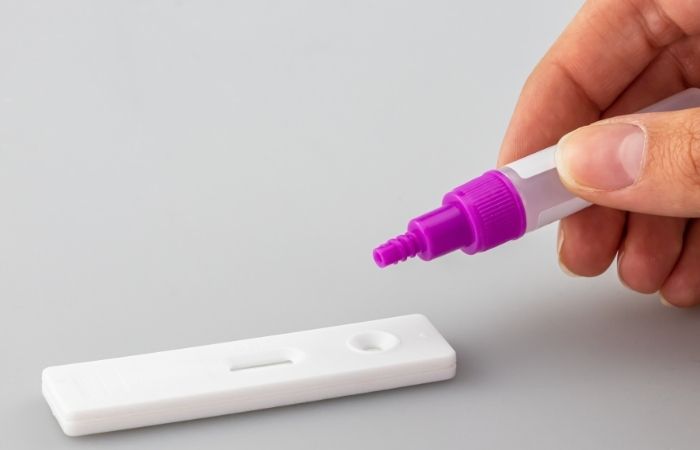
Testing Isn’t Just for You, It’s for Your Partners Too
One of the most courageous things you can do after an STD test, especially if it's positive, is talk to your partners. It doesn’t have to be a dramatic confrontation or a guilt-fueled confessional. In fact, most people would rather know than unknowingly stay at risk.
Still, it’s hard. That’s why many test providers now offer anonymous partner notification services, customizable message templates, or telehealth support for sharing results safely. You don’t have to do it alone.
Here’s a real-world example. Lena, 27, tested positive for trichomoniasis after using a home test in 2025. Her partner had no symptoms and was initially defensive. She used an anonymous text tool from the test provider to share the result. They both got treated, and stayed together. That’s what testing with love looks like.
You’re not throwing anyone under the bus by letting them know. You’re giving them a chance to take care of themselves. And that’s one of the most respectful things you can do.
Preventing Reinfection (Without Ruining Your Sex Life)
Testing isn’t a one-and-done thing, especially if you’re sexually active with new or multiple partners. The CDC recommends retesting for chlamydia and gonorrhea 3 months after treatment, even if you feel fine. If your partner didn’t get treated, reinfection is almost guaranteed.
Use this moment to talk about barriers, condoms, dental dams, testing before new partners, or suppressive therapy if you’re managing herpes. For some infections, like HPV and hepatitis B, vaccines are available and strongly recommended if you haven’t had them yet.
This isn’t about fear. It’s about options. And 2026 is giving you more of them than ever.
Need an easy way to track future exposures and stay ahead of risks? You can bookmark the STD Risk Checker Quiz on our homepage, it’s designed to give fast, confidential guidance based on your situation.
The Mental Load of STD Testing (And How to Handle It)
STD testing isn’t just physical, it’s deeply emotional. Maybe you’re carrying shame from past relationships. Maybe you're terrified of what a positive result means for your identity, your future, or your family. Maybe you’ve been gaslit into thinking your symptoms are all in your head.
We see you. And you're not alone.
In 2026, more people are talking about this openly. More therapists include sexual health in their intake forms. More online communities support those navigating HSV diagnoses, HIV treatment, or recurring infections. Healing starts when we stop pretending that this stuff doesn’t affect us.
If you're overwhelmed, there are free and affordable places to talk. Look into local LGBTQ+ centers, sex-positive therapists, or platforms like TherapyDen or Inclusive Therapists. You deserve support that understands the weight of this, not just medically, but emotionally.
Take Back Control, Starting at Home
It doesn’t matter whether this is your first test or your tenth. Whether you’re scared, curious, responsible, or just tired of guessing, 2026 has made one thing clear: at-home STD testing is no longer the future, it’s the new normal. And it’s here to serve you, not shame you.
You deserve answers that don’t come with judgment. You deserve privacy, speed, and real medical accuracy. And you deserve to make choices from a place of knowledge, not fear.
If you’ve been putting it off, this is your sign. Test on your terms. Start today with a Combo STD Home Test Kit, no doctor visit, no awkward questions, just clarity.
FAQs
- 1. Can I really trust a test I do at home?
- Totally fair question, and yes, you can. Most reputable at-home kits in 2026 use the exact same lab tech as clinics. Some even get sent to the same CLIA-certified labs your doctor would use. The key? Following the instructions carefully and testing at the right time (aka after the window period). If something feels off, do a follow-up. You’re not being paranoid, you’re being smart.
- 2. How fast will I get results?
- Depends on the test type. Rapid tests? You’ll know in about 15 minutes (yes, that fast). Mail-in lab kits usually give you results in 2 to 5 business days after the lab gets your sample. And no, you don’t need to keep refreshing your inbox like a breakup email, most companies will text or notify you when it’s ready.
- 3. Is it going to show up on my credit card or in the mail?
- Nope, not unless you want it to. Most kits ship in plain, boring packaging, no branding, no "STD" stamped on the box, nothing that screams your business. Billing is discreet too. Think: “RHS Health Co.” or something equally forgettable. If you’re worried about roommates or nosy parents, you're covered.
- 4. What if my test line is super faint?
- If you’re squinting at that test window wondering, “Is that a line or am I hallucinating?”, here’s the deal: any visible line usually means a positive. Don’t second-guess yourself into a spiral. Take a breath, snap a pic, and either retest or contact a provider. Faint doesn’t mean fake, it means follow up.
- 5. Do I need to pee or bleed for every test?
- Not always. Some tests are urine-based (chlamydia, gonorrhea), others require a finger prick (HIV, syphilis), and some use swabs (throat, vaginal, or rectal). It’s a little science-lab-at-home moment, but everything’s designed to be super straightforward, no white coat required.
- 6. Can I use a test even if I feel totally fine?
- Absolutely. In fact, that’s kind of the point. Most STDs don’t cause symptoms right away, or ever. You could be carrying something and feel 100% normal. Testing when you feel fine isn’t being paranoid, it’s being ahead of the curve.
- 7. What if I test negative but still feel weird?
- Trust your gut. If you're still getting symptoms, something's going on. It might not be an STD, but it's worth retesting in a couple of weeks, especially if your first test was super early. Sometimes our bodies are just slow to show their cards. You don’t have to gaslight yourself into ignoring it.
- 8. Is this safe to do during pregnancy?
- Yes, and actually, it’s encouraged. Some STDs can affect the baby during pregnancy or birth, so catching and treating them early is important. That said, make sure to share any results with your OB or midwife, they’ll know the next best step.
- 9. Do I have to tell my partner if I test positive?
- You don’t have to do anything, but if you care about your partner’s health (or your own peace of mind), telling them is the right move. And you don’t have to do it face to face. Some services offer anonymous text alerts or templates you can copy and paste. It doesn’t have to be dramatic. It just has to be honest.
- 10. What if I mess up the test?
- First of all: deep breath. It happens. Maybe you opened the test too early, spilled the liquid, or peed before reading the instructions. Most companies will send a replacement if you reach out. You’re not the first person to fumble a cotton swab at 1AM. Testing is a process, not a pass/fail exam.