Yes, You Can Have Sex Again After Gonorrhea , But Only If You Do This First
Quick Answer: You can have sex again at least 7 days after completing treatment for gonorrhea, but only if symptoms are gone and your partner was treated too. Maybe your partner just found out and now you're panicking.

Quick Answer: You can have sex again at least 7 days after completing treatment for gonorrhea, but only if symptoms are gone and your partner was treated too.
Who This Is For (And Why It Matters)
Maybe you tested positive after a routine check. Maybe your partner just found out and now you're panicking. Or maybe this isn’t your first time dealing with an STD, and that’s exactly why it hurts.
This article is for everyone caught in that limbo: newly diagnosed, unsure what to tell a partner, and trying to make the right call about sex, trust, and timing. Whether you’re in a monogamous relationship, exploring, queer, poly, or figuring it all out, this is your roadmap to healing without shame.
Testing positive doesn’t mean you’ve done something wrong. It means your body asked for help, and you listened. That’s where real sexual health begins. So let’s get into what gonorrhea really is, how it’s treated, and how to move forward with clarity and confidence.

First Things First: What Just Happened?
Gonorrhea can live in your throat, rectum, urethra, cervix, and sometimes show no symptoms at all. That’s what makes it so tricky. The diagnosis might feel like it came out of nowhere, but the bacteria can stay silent for weeks. You didn’t miss a “sign.” You caught it.
The first 24 hours can be a mental spiral: shame, confusion, fear of what your partner will say. But here’s what you actually need to do right now:
- Pause: You don’t have to tell everyone or fix everything in one day.
- Treat: Start antibiotics as soon as possible (often just one dose).
- Wait: No sex, oral, anal, or vaginal, until the treatment window is complete.
STD Test Kits offers discreet testing and telehealth referrals if you’re not sure where to start. If your result came from an at-home test, follow up with a provider or lab-based confirmation if needed.
Reading the Test Right: Did You Catch It Early?
Not all tests are equal, and neither is their timing. If you tested too soon after exposure, your result may not reflect the full picture. Most providers use a NAAT (nucleic acid amplification test), which is highly accurate when used 5–14 days after potential exposure.
If your test came back positive at 10 days or more, it’s likely accurate. But if you tested very early, like 3 or 4 days after a risky hookup, it’s worth retesting after a week to be sure. Contaminated samples, early testing, or faint results on rapid swabs can cause confusion.
| Test Type | Sample | Window Period | False Positive Risk |
|---|---|---|---|
| NAAT (Lab) | Urine or swab | 5–14 days | Very low |
| Rapid Antigen | Throat, vaginal, or rectal swab | 7–10 days | Low–moderate |
| Culture | Swab (less common) | 3–5 days | Low, but slower results |
Figure 1. Test accuracy depends on timing. Earlier isn’t always better if you want reliable results.
Treatment Timeline: When the Clock Starts
Standard treatment for gonorrhea is an antibiotic shot of ceftriaxone. If you’re at risk for other infections (like chlamydia), your provider might add doxycycline or azithromycin. Once the treatment begins, your 7-day countdown starts, but you’re still contagious during that window.
Sex during treatment, even with a condom, isn’t safe. The bacteria hasn’t fully cleared yet. Most people feel better quickly, but “feeling fine” doesn’t mean you’re no longer infectious. Wait the full 7 days after completing treatment, and make sure your partner has been treated too.
If you’re using an at-home STD kit, follow the instructions carefully and look for options that include telehealth access. Kits like the Combo STD Home Test Kit can help confirm your results and offer treatment referrals.
Let’s Talk About Sex (Again, But Safely)
So when is it okay to get back to intimacy? The CDC says wait 7 days after treatment. But here’s the nuance: that only applies if:
- Your symptoms are gone
- Your partner has been treated too
- You haven’t had new unprotected exposures
Jared, 28, thought he was safe five days after his injection. “I felt better, so we hooked up,” he said. “Then my partner tested positive. I felt like garbage.” That encounter restarted everything, the anxiety, the treatment, the shame spiral. Now he waits. Every time.
| Scenario | Is It Safe to Have Sex? | Why or Why Not |
|---|---|---|
| 2 days post-treatment | No | Still contagious; bacteria not fully cleared |
| Symptoms gone, but partner untreated | No | You could be reinfected immediately |
| 10 days post-treatment, both treated | Yes | Bacteria likely cleared; safe zone begins |
Figure 2. The safe sex reset timeline: It’s not just about you, it’s about both of you.
Why Reinfection Happens More Than You Think
Here’s the part no one really warns you about: gonorrhea doesn’t give you immunity. That means you can get reinfected, easily, especially if your partner wasn’t treated at the same time, or if you resumed sex before the treatment window ended.
Emma, 26, learned this the hard way. “I did everything right, took my meds, waited a week,” she said. “But I didn’t double-check that my partner followed through. I got it again two months later.” That second infection hit harder, emotionally more than physically. “I felt stupid. I wasn’t. I just didn’t know I had to ask.”
Reinfection isn’t a failure. It’s a breakdown in communication, or sometimes just bad timing. But it is preventable. That’s why experts recommend retesting about three months after treatment, even if you feel fine.
| Action | Why It Helps |
|---|---|
| Confirm your partner completed treatment | Stops the cycle before it restarts |
| Wait 7+ days before resuming sex | Ensures antibiotics fully clear the infection |
| Use protection, even with known partners | Prevents silent reinfection from throat or rectal sites |
| Retest after 3 months | Catches asymptomatic reinfections early |
Figure 3. Preventing reinfection starts with a plan, not assumptions.
Condoms After Treatment: Why They Still Matter
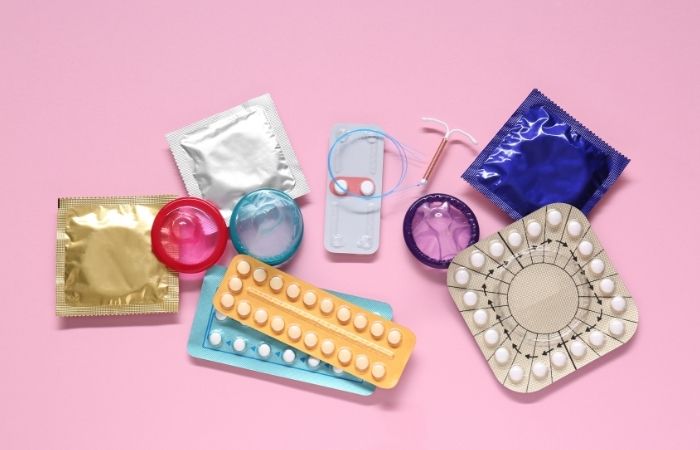
Let’s be real, condoms don’t always feel sexy. But after a diagnosis, they can be part of reclaiming safety and comfort, not just avoiding pregnancy or STDs. They’re not foolproof, but they do one crucial thing: they buy you time.
Daniel, 34, and his boyfriend went through treatment together. “We waited 10 days. Then we agreed: condoms for a while. It wasn’t about fear, it was about respect. It gave us space to trust again.”
Gonorrhea can hide in the throat, especially when symptoms are absent. Oral sex isn’t immune to transmission. Condoms, especially flavored ones for oral and latex-free ones for sensitive skin, create a simple barrier while you rebuild intimacy.
This isn’t about policing your pleasure. It’s about pacing your healing. Whether it’s a one-night stand or a long-term partner, protection can help you move forward without fear.
What If It Doesn’t Go Away?
If you’ve completed treatment and symptoms are still sticking around, painful urination, unusual discharge, pelvic pressure, it’s time to follow up. You might be dealing with:
- A resistant strain (rare, but rising globally)
- A different STD (like chlamydia or trichomoniasis)
- A UTI, yeast infection, or unrelated inflammation
Don’t guess. Don’t use leftover meds. And definitely don’t assume it’ll “just go away.” Retesting is safe, easy, and often faster than waiting weeks for symptoms to clear on their own.
If your at-home kit included telehealth access, contact them now. If not, you can return to STD Test Kits for private, fast options to confirm your status or get a new test discreetly.
The Mental Side of Gonorrhea (And Why It’s Just as Real)
Let’s not pretend this is just bacteria. A diagnosis can bring shame, anxiety, guilt, even grief. Maybe you feel betrayed by a partner. Maybe you’re blaming yourself. Maybe you’re spiraling through every hookup you’ve ever had.
Take a breath. This doesn’t define you. It’s an infection, not a moral failing. The shame? That’s cultural, not clinical.
In fact, over 1.6 million people are diagnosed with gonorrhea each year in the U.S. alone, according to the CDC. You are not dirty. You are not damaged. You are not alone.
Support matters. Journaling, talking to a therapist, texting a friend, it all counts. Organizations like ASHA offer resources, helplines, and groups where you don’t have to explain your diagnosis to feel understood.
Sexual health is mental health. Give yourself grace.
Check In Before You Hook Up: Retesting Is Self-Respect
Retesting isn’t paranoia, it’s protection. The CDC recommends getting rechecked about 3 months after treatment for gonorrhea. Not because the meds didn’t work, but because reinfection happens. A lot.
If you’re under 30, dating multiple people, queer, or just had a rocky partner situation, it’s even more important. Retesting confirms what you feel: that your body is safe again. That you’re back in the driver’s seat.
And if you’re not ready to head back to a clinic? No problem. This at-home combo STD test kit lets you check your status privately and accurately. It’s discreet, fast, and built for moments exactly like this.
If your brain’s been whispering, “Should I test again?”, listen. That’s not fear. That’s you caring for your future.
How to Talk to Partners Without Shame
This is the part that stops most people in their tracks: telling someone else.
Whether it’s a long-term partner or a one-time connection, sharing that you’ve tested positive for gonorrhea can feel terrifying. But here’s the truth, when done right, it’s not just a disclosure. It’s an act of care.
You’re not “confessing.” You’re giving someone the chance to take care of their own health. And most people respect that more than you think.
Need a script? Try something like this:
"Hey, I just got my results back and I tested positive for gonorrhea. I’m starting treatment, and I wanted to let you know so you can take care of yourself too."
If saying it directly feels impossible, you can use anonymous tools like TellYourPartner.org to send a message without identifying yourself. Many local health departments also offer partner notification services that are confidential and nonjudgmental.
Remember, this isn't about blame. Some infections linger quietly for months. Others come from unexpected sources. But none of that changes the fact that early treatment prevents long-term health issues like infertility, joint inflammation, or pelvic inflammatory disease.
You’re not throwing anyone under the bus, you’re offering them a parachute.
Reclaiming Intimacy After Gonorrhea
You’ve done the hard part, getting diagnosed, treated, and talking to partners. Now comes the equally important (and often overlooked) step: healing your relationship with your own body.
Sierra, 30, described it best: “After my diagnosis, I didn’t want to be touched. I didn’t trust myself. I thought, ‘How could I not have known?’ It took months to feel like I could have sex again without panicking.”
This is normal. Gonorrhea doesn’t just affect your reproductive tract, it can affect your confidence, your arousal, your ability to feel safe in your own skin. That’s why rebuilding intimacy has to be slow, consensual, and centered around your own comfort, not some imaginary countdown.
Use this time to recheck your boundaries. What feels good? What feels scary? What conversations do you need to have before sex feels fun again, not just “allowed”?
Some people use condoms as a temporary reset. Others pause sex entirely while they focus on self-trust. There’s no right answer, just the one that feels safe for you.
FAQs
- 1. Can I still have sex if I use a condom during treatment?
- Nope. We get the impulse, you’re feeling fine, the vibe is good, and maybe a condom feels like the responsible middle ground. But gonorrhea doesn’t play fair. It can still spread through skin contact or oral sex even with protection. The antibiotics need a full 7 days to shut it down. Give your body the time it deserves, and avoid that awkward “so I gave it to you again” moment.
- 2. My partner tested negative. Do they really need treatment?
- Honestly? Probably yes. Tests can miss early-stage infections, especially in the throat or rectum. If they’ve been exposed to you and you’re positive, the safest bet is to get them treated too. You’re not being dramatic, you’re being smart. Treat both, wait the full window, and you won’t have to play STD ping-pong later.
- 3. How long do I have to wait before having sex again?
- At least 7 full days after finishing your treatment. And that’s assuming you feel totally fine and your partner’s been treated too. Think of it as your sexual immune system rebooting, it needs a clean window to reset. And if symptoms are still lingering? Hit pause. Let your body catch up.
- 4. Can I catch gonorrhea again from the same partner?
- Oh yeah. Happens all the time. Maybe they didn’t get treated. Maybe they got re-exposed and didn’t know. Either way, one hookup too soon and bam, back to square one. If you're going to get through this as a couple (or a situationship), you’ve got to be synced on testing, treatment, and timing.
- 5. What if I got treated but still feel… off?
- Trust your gut. Symptoms usually improve fast, but if you're still feeling itchy, sore, or just "not right" a week after finishing antibiotics, get rechecked. It could be a resistant strain, another STD, or something totally unrelated like a UTI. Don’t play doctor with your own body. Get answers.
- 6. Is it true gonorrhea can live in your throat?
- 100% true, and often with zero symptoms. Which means oral sex can spread it without anyone realizing they’re a carrier. This is why throat swabs matter, especially for queer folks and anyone giving or receiving oral regularly. If your test didn’t include a throat swab and you’re unsure? It’s worth adding one next time.
- 7. I feel embarrassed, do I even have to tell new partners?
- Embarrassment is normal. But so is honesty. You don’t need to launch into your whole diagnosis journey on the first date, but saying “I recently got treated for gonorrhea, I’m all clear now” is actually… kind of hot. It shows maturity. It sets the tone. And most people will appreciate the heads-up more than you think.
- 8. Do I need to tell everyone I’ve ever slept with?
- Thankfully, no. The general rule is anyone you’ve had sexual contact with in the last 60 days. Beyond that? Use your judgment. And if direct conversations feel impossible, services like TellYourPartner.org can help you notify folks anonymously. You’re not tattling, you’re giving people a shot at protecting their health.
- 9. Can gonorrhea affect my ability to have kids later?
- Not if you catch and treat it early. But if left untreated, especially in people with uteruses, it can lead to pelvic inflammatory disease (PID), which can mess with fertility down the line. The key is not waiting months to test when something feels off. Early treatment protects future options. Full stop.
- 10. Do I need to get tested again after treatment?
- Yes. Even if everything feels fine. Reinfection is common, especially in folks under 30 or in open relationships. The CDC recommends retesting about 3 months after treatment. Think of it like changing the batteries in your smoke alarm, you hope nothing’s wrong, but you’ll sleep better knowing you checked.
You Deserve to Feel Safe Again, Not Stuck in a Loop
If you’ve treated the infection, waited the full 7 days, and made sure your partner’s been treated too, you’re in the clear. You can have sex again. And not just sex, you can have good sex, safe sex, connected sex.
That said, clarity is power. Retesting after three months is a smart move. Using protection, especially with new partners, can reduce anxiety. And talking openly about your status builds trust faster than silence ever could.
This isn’t about being paranoid. It’s about building a sex life that includes your health, not ignores it.
This discreet at-home combo test kit lets you check for gonorrhea and other common STDs without visiting a clinic. It’s fast, private, and designed for moments just like this.
Reclaim your rhythm. You’re not broken, you’re informed.
How We Sourced This Article: We combined current guidance from leading medical organizations with peer-reviewed research and lived-experience reporting to make this guide practical, compassionate, and accurate. In total, around fifteen references informed the writing; below, we’ve highlighted six of the most relevant and reader-friendly sources.