Are Multiple Genital Bumps Always Herpes? What to Know
Quick Answer: Multiple genital bumps are not always herpes. The Pattern Is the Clue Most People Miss When people panic about bumps, they focus on the fact that there are several. Think like a detective, not a worrier.
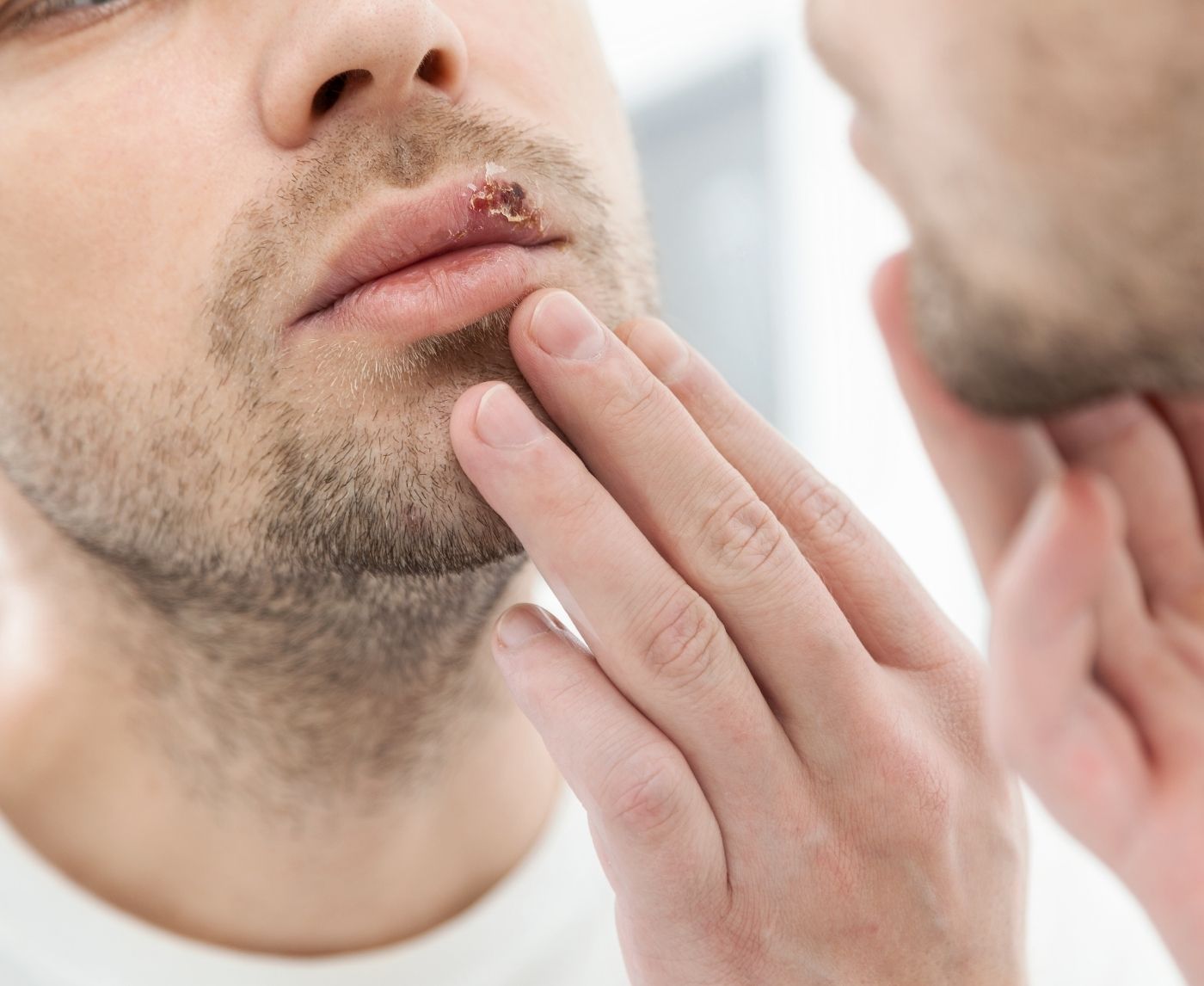
Quick Answer: Multiple genital bumps are not always herpes. Herpes typically appears as grouped, painful blisters that evolve over days, but other conditions like HPV, folliculitis, molluscum, or razor irritation can also cause clusters or scattered bumps.
The Pattern Is the Clue Most People Miss
When people panic about bumps, they focus on the fact that there are several. What actually matters is how they’re arranged. Think like a detective, not a worrier. Skin has patterns, and infections follow biological rules.
Herpes tends to show up as grouped blisters on a red base. They often look like tiny fluid-filled bubbles sitting close together. They don’t usually appear randomly across the entire pubic area. They cluster because the virus reactivates along a specific nerve pathway.
HPV, on the other hand, causes genital warts that may appear as multiple flesh-colored bumps. They can be scattered, sometimes cauliflower-like, and are often painless. Syphilis usually begins with a single painless sore rather than multiple bumps. And simple folliculitis from shaving? That often looks like small red or white-tipped bumps centered around hair follicles.
Let’s make this practical. The arrangement often tells you more than the number.
| Pattern | What It Often Looks Like | Common Causes | Pain Level |
|---|---|---|---|
| Clustered tightly together | Grouped small blisters or sores in one area | Herpes | Usually painful or tender |
| Scattered across pubic area | Individual bumps not touching each other | Folliculitis, razor irritation, HPV | Mild or painless |
| Single firm sore | One round ulcer with clean edges | Syphilis | Often painless |
| Skin-colored raised growths | Flesh-toned, sometimes textured | HPV | Painless |
Notice something? “Multiple” doesn’t automatically equal herpes. Painful, fluid-filled clusters evolving into open sores are more specific. Random bumps after shaving are far more common than people think.
What the First 72 Hours Can Tell You
Timing changes the story. Imagine this: you had sex on Saturday. By Monday, you notice bumps. Your brain says infection. Your biology says, not so fast.
Herpes typically takes two to twelve days after exposure to cause visible symptoms. That means bumps appearing 24 hours later are less likely to be a brand-new herpes infection. Could they be irritation? Friction? A shaving reaction that just became noticeable?
Now imagine another scenario. It’s day five. You feel tingling before you see anything. Then small blisters form in a tight group. They become painful. That progression, sensation first, then clustered lesions, fits herpes more closely.
HPV behaves differently. Warts may appear weeks or even months after exposure. They don’t usually pop up overnight in dramatic fashion. Syphilis has its own timeline, typically weeks before the first sore appears.
The body doesn’t operate on panic time. It operates on incubation periods.
| Condition | Typical Time to First Symptoms | How It Usually Starts |
|---|---|---|
| Herpes (HSV-1 or HSV-2) | 2–12 days after exposure | Tingling, then grouped blisters |
| HPV | Weeks to months | Slowly appearing flesh-colored bumps |
| Syphilis | 10–90 days | Single painless ulcer |
| Folliculitis | 1–3 days after shaving or friction | Small red or white bumps around hair |
If bumps show up three days after sex, that timing fits herpes. If they appear the morning after intercourse, it’s far more likely mechanical irritation. That distinction matters.
When It’s Painful, And When It’s Not
Pain changes the conversation. One of the most searched phrases online is “painless genital bumps meaning.” People assume pain equals severity. It’s not that simple.
Herpes outbreaks are often painful, especially the first one. Blisters can sting, burn, or make urination uncomfortable. But mild cases exist. Recurrent outbreaks may be subtle. Pain is common, but not mandatory.
Syphilis flips the script. The first stage sore is typically painless. Completely. That’s why it gets missed. HPV warts are usually painless too. So if you’re staring at multiple bumps that don’t hurt, herpes becomes less likely, but not impossible.
This is where people get trapped in black-and-white thinking. “They don’t hurt, so I’m fine.” Or “They hurt, so it must be herpes.” The reality is more layered than that.
And this is the part no one says out loud: anxiety can amplify sensation. Once you’re hyper-focused on your genitals, everything feels more intense. A normal ingrown hair suddenly feels ominous. The body hasn’t changed. Your awareness has.
So we gather clues. Pattern. Timing. Pain. Evolution. We don’t jump to conclusions.
Herpes vs Everything Else: A Calm, Side-by-Side Reality Check
Let’s imagine two different people.
One wakes up with a tight cluster of tiny fluid-filled blisters on one side of the vulva. They burn. Sitting feels uncomfortable. By day three, the blisters break open and form shallow sores. That pattern is classic for Herpes.
Another person notices five small, firm, skin-colored bumps scattered across the pubic mound. They don’t hurt. They don’t blister. They’ve been there for two weeks without much change. That pattern leans more toward HPV or even molluscum contagiosum, not herpes.
When people search “are multiple bumps always herpes,” what they’re really asking is this: does the number alone mean something? It doesn’t. The behavior of the bumps matters far more than how many you count.
| Feature | Herpes (HSV-1/HSV-2) | HPV (Genital Warts) | Syphilis (Primary Stage) | Folliculitis / Razor Bumps |
|---|---|---|---|---|
| Typical Number | Multiple, grouped | Multiple, scattered or clustered | Usually single | Multiple, scattered |
| Fluid-Filled? | Yes, small blisters | No, solid growths | No, ulcer forms | Sometimes white-tipped but not true blisters |
| Pain | Often painful or tender | Usually painless | Painless | Mild irritation or itch |
| Progression | Blisters → open sores → crust → heal | Slow growth, may persist | Single ulcer heals in weeks | Improves as hair grows out |
| Recurrence | Can recur in same area | May spread if untreated | Does not recur the same way | Linked to shaving or friction |
Notice the evolution row. That’s the giveaway. Herpes lesions change quickly over days. Razor bumps don’t turn into ulcers. HPV warts don’t fill with fluid and burst. Syphilis usually doesn’t begin as multiple bumps.
If what you’re seeing hasn’t changed in a week, hasn’t blistered, and isn’t painful, herpes becomes less likely. Not impossible. Just less likely.
When Anxiety Makes Everything Look Like Herpes
I’ve seen this pattern countless times. Someone has sex. Maybe the condom broke. Maybe it was a new partner. Three days later they’re inspecting their skin under harsh bathroom lighting, stretching and turning and zooming in with their camera.
Genitals are not smooth like your forearm. There are natural glands, hair follicles, texture shifts, and pigmentation changes. Under stress, normal anatomy suddenly looks suspicious.
Fordyce spots can appear as tiny white or yellow bumps. They are normal sebaceous glands. Molluscum contagiosum can create small dome-shaped bumps with a central dimple. It’s viral, yes, but not the same as herpes. Folliculitis often forms after shaving, especially when friction and sweat are involved.
One woman once told me, “I counted twelve bumps and assumed I’d ruined my life.” They turned out to be inflamed hair follicles from tight gym shorts and a rushed shave. Two weeks later, they were gone.
That doesn’t mean ignore everything. It means evaluate intelligently.
When Testing Makes Sense, And When Waiting Is Smarter
If you suspect Herpes, timing matters more than urgency. Testing too early can give you a false sense of security. Swab tests work best when there is an active, fresh lesion. Blood tests measure antibodies and may take weeks to turn positive after exposure.
Picture this scenario. Someone panics on day two after sex and orders a blood test. It comes back negative. They relax. But if exposure happened days earlier, antibodies may not yet be detectable. That negative result doesn’t mean much.
Now picture another scenario. Someone notices a painful cluster on day six. They use a swab test while the blisters are fresh. That timing increases accuracy dramatically.
This is where having access to discreet testing matters. If you’re in that window where symptoms are present, a targeted swab-style herpes test is appropriate. If you’re unsure and want broader screening, a combo panel can check for multiple infections at once.
You can explore options directly through STD Rapid Test Kits, including discreet at-home panels that screen for common infections. If what you’re seeing is ambiguous, broader testing often gives peace of mind faster than guesswork.
Testing is not a confession. It’s data. And data reduces fear.
Multiple Bumps After Sex: The Timeline Trap
Another common spiral begins like this: “I noticed bumps three days after sex. That must be it.” The mind loves clean cause-and-effect stories. The body is messier.
Three days can fit herpes incubation. It can also fit friction irritation from vigorous sex. It can fit a reaction to new lubricant. It can fit clogged follicles from sweat and pressure.
What distinguishes them is progression.
If bumps multiply rapidly in a tight area, become painful, and evolve into sores, herpes moves higher on the list. If they remain stable, centered around hair follicles, and slowly improve, folliculitis becomes more likely. If they persist as flesh-colored growths without blistering, think HPV.
This is why counting alone doesn’t solve the mystery. Pattern plus behavior over time does.
What a Real Herpes Cluster Actually Does Over Time
If you’ve ever searched “grouped blisters genital area,” you’ve probably seen dramatic photos. The internet loves worst-case visuals. Real life is often less cinematic, but more specific.
A first outbreak of Herpes usually follows a sequence. There may be tingling, itching, or a strange nerve-like sensitivity before anything visible appears. Then small blisters form close together. They don’t scatter randomly across the entire pelvis. They hug a zone. Within a couple of days, they can rupture and leave shallow, tender sores. Healing typically takes one to two weeks.
Recurrent outbreaks are often milder. Someone might feel a slight itch in the same spot they’ve had before. A few lesions appear. They heal faster. The recurrence pattern is important because herpes tends to revisit the same region due to nerve latency. Razor bumps do not follow nerve maps. Neither do warts.
I once spoke with a patient who said, “It started as one bump. Then the next day there were five right next to it. That’s when I knew it wasn’t just shaving.” The clustering and the speed of change were the clues.
Compare that with someone who notices six tiny bumps after a weekend of tight jeans and sweating. They don’t blister. They don’t ulcerate. They sit exactly where hair grows. A week later, they shrink. That’s not how herpes behaves.
Testing Windows: When Results Actually Mean Something
Let’s anchor this in clarity. If you currently have active blisters or open sores that look suspicious for Herpes, a swab test performed while lesions are fresh is the most direct way to identify the virus. Waiting until everything heals can reduce detection accuracy.
If you have no visible sores but are worried about exposure, blood antibody tests measure your immune response. These typically become reliable several weeks after exposure. Testing at day three after sex may give you reassurance, but it may not give you accuracy.
| Situation | Best Test Type | Optimal Timing | Why Timing Matters |
|---|---|---|---|
| Active fresh blisters | Viral swab test | Within first 48–72 hours of lesion | Higher viral load improves detection |
| No symptoms but recent exposure | Blood antibody test | 4–12 weeks after exposure | Allows antibodies time to develop |
| Unclear bumps + broader concern | Comprehensive STD panel | Based on specific infection windows | Rules out other common infections |
If you’re in that in-between space, bumps present but not classic, timing uncertain, anxiety rising, broader screening can reduce guesswork. A discreet Combo STD Home Test Kit allows you to screen for several common infections at once without waiting weeks for a clinic appointment.
Testing does not make something true. It makes something known. And knowing is stabilizing.
When Multiple Bumps Keep Coming Back
Recurrence changes the conversation. If bumps appear in the same general location every few months, especially during stress or illness, herpes becomes more likely. The virus lives in nerve cells and reactivates periodically. The pattern has rhythm.
By contrast, HPV warts may grow slowly over time but do not erupt in cycles. Folliculitis tends to correlate with shaving habits or friction. Molluscum contagiosum can spread locally if scratched, but it does not flare in sudden painful waves.
This is where people confuse “multiple bumps” with “spreading infection.” Seeing new lesions near existing ones during a herpes outbreak does not mean it’s spiraling out of control. It often means the initial cluster is evolving. That distinction matters emotionally.
And emotionally is where this hits hardest.
Because when people search “are multiple bumps always herpes,” they’re not just asking about dermatology. They’re asking about stigma, disclosure, and whether they now carry something permanent. The fear isn’t cosmetic. It’s social.
When It’s Probably Not Herpes
There are certain features that make herpes less likely.
If bumps have been unchanged for months and never blistered, herpes drops down the list. If they are flesh-colored, textured, and painless, HPV is more plausible. If they are directly centered around hair follicles and improve when you stop shaving, irritation is likely.
If a single, firm, painless ulcer appears and heals over several weeks, that leans more toward early Syphilis than herpes. That distinction is critical because syphilis requires antibiotic treatment and follow-up blood testing.
The body gives patterns. We just have to read them calmly.
The Emotional Spiral, And How to Interrupt It
There’s a moment that happens after you’ve Googled for an hour. You’ve convinced yourself it’s herpes. You’ve imagined the disclosure conversation. You’ve rehearsed shame in your head.
Pause there.
Most genital bumps are not herpes. Many are mechanical irritation, blocked glands, benign viral conditions, or temporary inflammation. Even when it is herpes, it is common, manageable, and medically understood.
I’ve had patients say, “I thought my life was over.” Two weeks later, they’re on suppressive therapy or simply educated about recurrence patterns, and their fear has shrunk dramatically.
The unknown is heavier than the diagnosis.
And that’s why we test instead of guess.
What To Do Next, Without Spiraling
If you’re staring at multiple genital bumps right now, here’s the grounded next step: observe before you assume. Notice whether they are fluid-filled or solid. Notice whether they are painful or painless. Notice whether they change over 48 hours or stay exactly the same.
If they are evolving into blisters or open sores, especially in a tight cluster, testing for Herpes is reasonable. If they are flesh-colored growths that don’t hurt and don’t blister, evaluation for HPV may be more appropriate. If you see a single painless ulcer, testing for Syphilis should not be delayed.
If you’re unsure and just want clarity without sitting in a waiting room replaying worst-case scenarios, discreet home testing is an option. You can explore full-panel screening through STD Rapid Test Kits, which allows you to gather data privately and quickly.
Testing is not a moral event. It’s healthcare. You deserve answers without shame.
Talking to a Partner Without Panic
If you’re worried this could be an STD, your mind may already be drafting apology texts. Slow down. You do not need to confess uncertainty. You need information.
Once you have a confirmed diagnosis, conversations become clearer. If it turns out to be Herpes, many couples navigate it successfully with antiviral therapy and communication. If it’s HPV, most sexually active adults will encounter it at some point. If it’s folliculitis, you’ll laugh later about the panic.
One person once said to me, “I built a whole breakup in my head before I even had results.” That’s the power of fear without data.
Results anchor reality. And reality is almost always less catastrophic than imagination.
FAQs
- 1. Are multiple genital bumps always herpes?
- No. And I know that’s the word your brain jumped to first. Herpes can cause multiple bumps, yes, but so can irritated hair follicles, clogged glands, HPV warts, friction, sweat, even tight jeans on a humid day. The number of bumps alone doesn’t diagnose anything. The pattern and how they behave over a few days tell a much clearer story.
- 2. If it’s herpes, will I definitely know because it hurts?
- Often, but not always. First outbreaks tend to be uncomfortable, burning, tenderness, sometimes flu-like symptoms. But mild cases happen. Some people mistake a herpes outbreak for a paper cut or ingrown hair. Pain is a clue, not a guarantee.
- 3. What if they’re just sitting there doing nothing?
- That’s actually important. Herpes lesions usually change. They blister, break open, crust, and heal. If bumps stay exactly the same for weeks, no fluid, no ulcer, no dramatic evolution, herpes becomes less likely. Stable bumps that don’t evolve often point toward HPV or something benign.
- 4. I noticed bumps the day after sex. Is that herpes?
- Almost certainly not from that encounter. Herpes typically takes a few days to over a week to show visible symptoms. If something appears within 24 hours, think friction, shaving irritation, or a reaction to lubricant before assuming infection.
- 5. Can stress make herpes flare up?
- Yes. If someone already carries the virus, stress, illness, or lack of sleep can trigger a recurrence. Those outbreaks usually show up in roughly the same area each time because the virus lives along a nerve pathway. Random bumps in totally new spots every time? That’s less classic.
- 6. How do I tell razor bumps from herpes?
- Look closely. Razor bumps sit right where hair grows. You’ll often see a tiny hair trapped under the skin. They may itch more than hurt. Herpes blisters tend to cluster tightly together and don’t center around individual follicles. And razor bumps don’t turn into open ulcers over several days.
- 7. Do herpes bumps spread all over at once?
- Not typically. They cluster in one region because they follow a nerve distribution. If you’re seeing scattered bumps across your thighs, pubic mound, and abdomen all at the same time, that pattern leans away from herpes and toward irritation or folliculitis.
- 8. If I pop one, will that tell me what it is?
- Please don’t. Popping bumps can introduce bacteria and create infection where there wasn’t one. It also muddies the visual clues doctors use. Observation beats squeezing. Every time.
- 9. Should I test even if I’m not sure?
- If the bumps are painful, evolving, or connected to a recent sexual exposure, testing brings clarity. If you’re in that mental tug-of-war between “it’s nothing” and “what if,” data helps you breathe again. Guessing keeps you spinning.
- 10. What if it does turn out to be herpes?
- Then you join a very large club of normal humans. It’s common. It’s manageable. Many people have it and live full dating, sex, and relationship lives. The stigma is louder than the medical reality. Treatment exists. Suppressive therapy exists. Honest conversations exist. Your life does not end because of a virus.
You Deserve Answers, Not Assumptions
Multiple genital bumps can feel like a verdict. They’re not. They’re a symptom. And symptoms require interpretation, not imagination.
The internet will hand you worst-case scenarios in seconds. Your brain will fill in the rest. But your skin has patterns. Infections have timelines. And most of the time, what looks catastrophic in harsh bathroom lighting turns out to be manageable, treatable, or entirely harmless.
If the bumps are evolving into painful clustered blisters, test for Herpes. If they’re flesh-colored and persistent, consider evaluation for HPV. If you’re unsure and just want to stop the spiral, broader screening gives you clarity instead of guesses.
You don’t have to sit in uncertainty. You don’t have to rehearse worst-case conversations before you even have facts. You can get real data, privately, on your terms. Use STD Rapid Test Kits to find discreet options, or go with the more complete Combo STD Home Test Kit if you want a bigger safety net.
Because here’s the truth: fear thrives in the unknown. Clarity shrinks it. And you deserve to be clear.
How We Sourced This Article: This guide is based on the most recent data from leading public health organizations, peer-reviewed infectious disease research, and actual cases of people's behavior in sexual health settings. To ensure that the timing and symptom descriptions aligned with current knowledge, we examined epidemiological data, incubation timelines, and best practices for diagnosis. We chose external links because they were understandable, dependable, and simple to use.
- Centers for Disease Control and Prevention – Genital Herpes Overview
- Centers for Disease Control and Prevention – Syphilis Fact Sheet
- World Health Organization: Facts About the Herpes Simplex Virus
- Mayo Clinic – Genital Warts Symptoms and Causes
- Human Papillomavirus (HPV) - CDC Fact Sheet
- Genital Herpes - NHS