Hepatitis B vs C How to Tell the Difference From Symptoms Alone
Quick Answer: Hepatitis B often causes early symptoms like fever, joint pain, and dark urine, while Hepatitis C tends to stay silent until liver damage begins. But here’s the twist, your liver has no pain nerves.
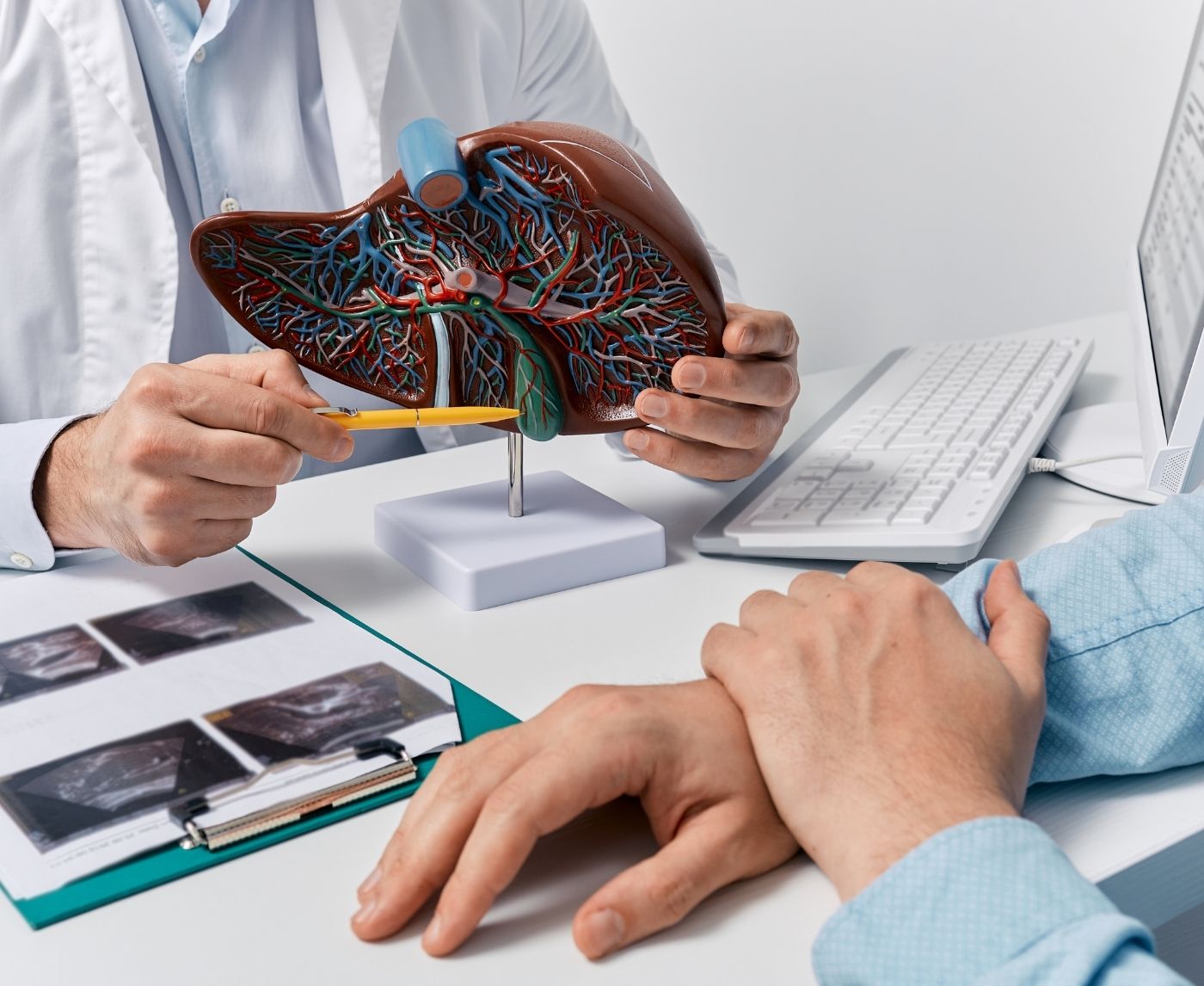
Quick Answer: Hepatitis B often causes early symptoms like fever, joint pain, and dark urine, while Hepatitis C tends to stay silent until liver damage begins. Only a blood test can confirm which one it is, don’t rely on symptoms alone.
This Isn’t Just a Bad Meal, Here’s What Symptoms Really Say
Let’s start with how the body talks back. When you’re infected with Hepatitis B or Hepatitis C, your liver becomes inflamed. But here’s the twist, your liver has no pain nerves. So instead of obvious agony, you get a slow build of weird, disconnected symptoms.
That’s why people with acute hepatitis often think they’ve got the flu, a hangover, food poisoning, or just stress. The difference? Hepatitis symptoms tend to linger and evolve. One day it’s fatigue, the next your urine turns tea-colored. And for many, the symptoms show up late, long after the virus has set up camp in your body.
Hepatitis B tends to hit faster and louder. You might feel:
| Symptom | Hepatitis B | Hepatitis C |
|---|---|---|
| Fatigue | Common (early onset) | Very common (often chronic) |
| Fever | Moderate to high in early phase | Rare or absent |
| Joint or muscle pain | Frequent | Occasional |
| Dark urine | Common | Possible (usually later) |
| Jaundice (yellowing of skin/eyes) | Common in acute cases | Uncommon until advanced disease |
| Stomach discomfort | Frequent, right-side or general | Intermittent or mild |
| No symptoms | Possible (~30%) | Very common (~70–80%) |
Figure 1. Symptom comparison between Hepatitis B and Hepatitis C. While B often causes visible illness early, C can hide in the body silently for years.
“I Thought I Was Just Worn Out”
Kevin, 42, didn’t think much of his on-and-off fatigue. “I had just switched jobs. I was drinking more coffee, blaming the dark circles on bad sleep,” he recalls. When his urine darkened and he lost his appetite for a week, a friend convinced him to get tested. The result: acute Hepatitis B. Kevin had unknowingly contracted it during a brief relationship months earlier. “If I had waited any longer, I would’ve ended up in the ER,” he says.
Maria, 35, wasn’t so lucky. She found out she had Hepatitis C during routine bloodwork after feeling “just tired all the time” for two years. No pain. No jaundice. But her liver enzymes were elevated, and a confirmatory test showed the virus had likely been in her system for a decade. “I felt betrayed by my body,” she says. “I had no clue anything was wrong.”
These aren’t rare stories. They’re the rule, not the exception. Especially with Hepatitis C, where most people don’t get diagnosed until liver damage is already underway. That’s why symptom-checking isn’t enough, you need a test to know for sure.

How Hepatitis Enters the Body, and Why Symptoms Don’t Help Much
It’s easy to assume that if something dangerous is inside you, you’d know. But Hepatitis B and C are stealth infections. They both spread through blood-to-blood contact, but their patterns differ in ways that shape your risk:
| Transmission Route | Hepatitis B | Hepatitis C |
|---|---|---|
| Sexual Contact | Common | Rare (possible, especially anal sex) |
| Sharing Needles / IV Drug Use | Very common | Very common |
| Tattoos / Piercings (unsterile tools) | Possible | Possible |
| Mother-to-Child at Birth | Very common | Rare |
| Household Contact (sharing razors, toothbrushes) | Possible | Unlikely |
Figure 2. Transmission differences between Hepatitis B and C. B spreads more easily through sexual activity and casual contact than C does.
What this means: You can’t assume your risk based on your lifestyle alone. Even people in monogamous relationships or with no IV drug history can carry hepatitis unknowingly, especially if they were born in a country with higher prevalence rates or had childhood exposures before blood safety standards were strict.
Why Timing Matters: When Hepatitis B or C Actually Shows Up
So let’s say you’ve had a risky exposure, a one-night stand, a shared needle, a tattoo in someone’s kitchen. You feel off. Maybe even sick. But is it too early to test?
The answer depends on what’s called the window period, the time between when you’re exposed and when a test can actually detect the virus. Testing too soon might give you a false negative, even if the infection is brewing.
Here’s how the timing typically breaks down:
| Hepatitis Type | Incubation Period | Window Period for Testing | When Most Accurate |
|---|---|---|---|
| Hepatitis B | 6 weeks to 6 months | 4–6 weeks (HBsAg test) | After 6 weeks |
| Hepatitis C | 2 weeks to 6 months | 3–6 weeks (antibody), 1–2 weeks (RNA test) | After 6–12 weeks (combined) |
Figure 3. Hepatitis window periods. RNA tests detect Hep C earliest, but antibody tests confirm lasting infection.
What does this mean in real life? If it’s only been a few days since exposure, testing might not give you the answers you’re hoping for, yet. But if it's been over a month, you're likely within the accurate detection range for most modern tests. Some people choose to test early with a plan to retest later if negative, especially if symptoms develop or risk was high.
How to Test (At Home or Not) and What to Expect
The good news? You don’t always need to go to a clinic to find out if you’ve got Hepatitis B or Hepatitis C. Many FDA-cleared at-home options exist, and they’re just as accurate as lab-based screening, as long as you follow the instructions.
Here’s a breakdown of testing types:
| Test Type | What It Detects | Sample Needed | Where It’s Used |
|---|---|---|---|
| HBsAg (Hepatitis B surface antigen) | Active Hep B infection | Blood (fingerstick or lab draw) | Clinic, home kits |
| Anti-HBs | Immunity from vaccine or past infection | Blood | Clinic |
| HCV Antibody | Past or present Hep C infection | Blood | Clinic, home kits |
| HCV RNA (PCR) | Active Hep C infection | Blood (lab draw) | Clinic/lab only |
Figure 4. Common hepatitis tests and where they fit. At-home kits typically use fingerstick samples for early detection.
If you’re not sure which test to get, a combo panel can check for both Hep B and Hep C, along with other STDs that may travel in the same risk scenario. Many at-home test kits arrive in discreet packaging, offer prepaid return mailers, and deliver secure online results in just a few days.
Order a discreet Hepatitis B and C combo test kit here if you’re ready to find out what’s really going on. Peace of mind could be just a few drops of blood away.
“I Thought It Was Something Else”: Misdiagnosis Happens More Than You Think
Jamila, 29, was treated three times for acid reflux. She kept reporting nausea and upper abdominal pain. “Every doctor just gave me antacids and told me to drink less coffee,” she says. Eventually, a blood panel showed elevated liver enzymes, further testing revealed chronic Hepatitis C from a piercing done years earlier.
She’s not alone. Many people with hepatitis get misdiagnosed at least once. Common mistakes include:
- Hepatitis B mistaken for: mononucleosis, flu, food poisoning, or UTI
- Hepatitis C mistaken for: chronic fatigue, anxiety, IBS, or alcohol-related discomfort
Why? Because early symptoms are vague, and many healthcare providers still view hepatitis as a condition affecting only high-risk groups. That outdated assumption delays diagnoses, especially for women, LGBTQ+ folks, or people without a history of IV drug use.
If something feels off, and stays off, it’s okay to ask for a hepatitis screen. You don’t need to “look sick enough” to deserve clarity.
What If You’re Still Not Sure? Symptoms That Stick Around
Sometimes, the worst part isn’t the nausea or the fatigue, it’s the not knowing. If your symptoms don’t go away after a couple of weeks, or they fade and come back in cycles, it’s time to stop guessing. Both Hepatitis B and Hepatitis C can lead to long-term, low-grade inflammation that wears on your body slowly and silently.
That might look like:
- Fatigue that doesn’t improve with rest
- Intermittent right-side abdominal discomfort
- Loss of appetite or unintentional weight loss
- Feeling “foggy” or mentally drained
Don’t wait until something gets worse to take it seriously. Hepatitis can progress to cirrhosis, liver failure, or even liver cancer if left untreated. But when caught early, both Hep B and C can be managed, and Hep C can often be cured entirely with antiviral therapy.
If your body is telling you something, listen. One test could save you months (or years) of uncertainty.
Do You Need to Retest? Here's When to Check Again
If you tested negative but your symptoms persist, or if you tested early, you may need to retest. Why? Because timing matters, and it’s possible to test during the “window period” when the virus is present but undetectable.
Here’s a simple retest guide:
| Initial Test Timing | Recommended Retest Time | Why Retest? |
|---|---|---|
| Within 2 weeks of exposure | At 6 weeks | Initial test may miss early infection |
| At 4–6 weeks | Optional retest at 12 weeks | For full accuracy, especially with Hep C |
| After symptoms resolve | 4–6 weeks after last symptom | To confirm viral clearance or persistence |
Figure 5. Retest timing chart for Hepatitis B and C.
Remember: if you’ve had multiple exposures, like new partners or shared tools, a negative result only applies to the last known exposure window. Ongoing risk means retesting every few months might be wise, especially if you’re not vaccinated against Hep B.
Ready to retest discreetly? Return to STD Test Kits and choose a package that fits your current situation. No judgment, no waiting room, no awkward questions.
Don’t Let Silence Spread: Testing Is Also for Your Partners
Testing isn’t just about you. If there’s a chance you’re carrying Hepatitis B or C, your partners deserve the chance to know and protect themselves too. This isn’t about blame, it’s about honesty and harm reduction.
Here’s how you can tell someone without panic:
“Hey, I just learned I might have been exposed to hepatitis. I’m getting tested to be sure, I wanted to let you know in case you want to check too.”
If you test positive, public health services and many online platforms offer anonymous notification tools to help inform partners discreetly. Don’t shoulder the emotional burden alone, there are scripts and systems to support you.
When the News Hits Hard: Mental Health and Hepatitis
For many, the hardest part of a hepatitis diagnosis isn’t the virus, it’s the shame, isolation, or fear that follows. Especially if you feel like you “should have known” or “should have been safer.” But here’s the truth: hepatitis doesn’t care how good or careful you are. It’s a virus, not a verdict.
You are not dirty. You are not broken. You are not alone.
If you’re struggling with anxiety, depression, or relationship strain after testing or diagnosis, consider speaking to a provider who specializes in chronic illness or sexual health. Support groups, both online and in person, can help break the silence and reduce shame.
Testing isn’t the end of the story. It’s the start of taking control.

FAQs
- 1. Can hepatitis just go away on its own?
- Sometimes. Hepatitis B often clears on its own if you're otherwise healthy, it’s like your immune system goes full defense mode and wins. But Hepatitis C? Not so much. Once it settles in, it tends to stick around unless you get treatment. That’s why testing (and retesting) matters, even if you start feeling better on your own.
- 2. How soon after a risky night should I test?
- Ideally, wait at least 4 to 6 weeks for most Hep B tests, or a couple of weeks if you're doing an RNA test for Hep C. Think of it like baking, if you check too early, you’ll get mushy half-answers. But wait too long, and things might have already progressed. A retest at 12 weeks is your gold standard.
- 3. Is hepatitis even an STD?
- Good question, and it depends which one you're talking about. Hepatitis B? Absolutely. It spreads easily through sex, even without any visible symptoms. Hepatitis C is sneakier. It usually spreads through blood (like needles or unsafe tattoos), but certain kinds of sex, especially rough or anal sex, can still pass it on.
- 4. What does liver pain actually feel like?
- Honestly, most people don’t describe it as "pain." It’s more like a pressure or a dull, vague ache under your right ribs. But here’s the catch: your liver doesn’t have nerve endings like your skin does. So the discomfort can show up as back pain, bloating, or just a weird internal heaviness that’s easy to brush off.
- 5. Can I feel completely fine and still have hepatitis?
- Yes, and that’s the scariest part. Most people with Hepatitis C (and many with B) have no symptoms at all for years. That’s why it's called the "silent" infection. You might be walking around with it, feeling normal, while your liver is slowly taking damage. Testing is the only way to know.
- 6. How do you treat Hepatitis C?
- These days? Pills. No injections, no horror stories. A class of meds called direct-acting antivirals (DAAs) can clear the virus in 8 to 12 weeks for most people. That’s it. It’s one of the few chronic infections that’s curable, and more than 95% of people clear it completely with the right meds.
- 7. Is there a vaccine for this?
- Yes for Hep B, thankfully. It’s safe, effective, and lasts a long time. No for Hep C, yet. So if you test negative for B, go get that vaccine. It’s one of the best tools we have to prevent long-term liver trouble.
- 8. If I’ve had it once, can I get it again?
- Unfortunately, yes. Clearing Hep C doesn’t mean you’re immune forever. And if you were vaccinated for Hep B, you’re protected, but if you only cleared it naturally, your immunity might not last. So if you're still in any kind of risk scenario, retesting makes sense.
- 9. What’s the difference between an antibody test and an RNA test?
- Think of it like this: an antibody test is like checking for footprints, it tells you if the virus was ever there. An RNA test looks for the intruder itself. If the RNA is still in your blood, the virus is active. Antibodies alone can’t tell if it’s still ongoing or old news.
- 10. Can I really test for this at home?
- 100%. At-home test kits for Hep B and C are legit, discreet, and accurate when used correctly. You prick your finger, send a small blood sample to a lab, and get results online. No clinic. No awkward waiting room. Just clarity, in a few days.
You Deserve Answers, Not Assumptions
Whether you're feeling “off,” recovering from a risky night, or just want peace of mind, knowing the difference between Hepatitis B and Hepatitis C matters. Symptoms don’t always shout. Sometimes they whisper, fade, or hide altogether.
If you’re still wondering, it’s time to stop guessing. This at-home combo test kit checks for both B and C discreetly and quickly. No clinic. No shame. Just answers.
How We Sourced This Article: We combined current guidance from leading medical organizations with peer-reviewed research and lived-experience reporting to make this guide practical, compassionate, and accurate. In total, around fifteen references informed the writing; below, we’ve highlighted some of the most relevant and reader-friendly sources.