Hemorrhoids or Herpes? How to Tell the Difference in Anal Symptoms
Quick Answer: Hemorrhoids usually cause swollen veins, itching, pressure, or bleeding around the anus, while herpes typically produces clusters of painful sores or blisters that may burn, break open, and scab over.
Quick Answer: Hemorrhoids usually cause swollen veins, itching, pressure, or bleeding around the anus, while herpes typically produces clusters of painful sores or blisters that may burn, break open, and scab over. If symptoms include blister-like sores, flu-like feelings, or repeated outbreaks, testing for herpes is recommended.
The Moment Most People Panic: “What Is That Bump?”
One of the most common sexual health scares starts with a completely ordinary moment. Someone notices a small lump or irritation near the anus, maybe while wiping, maybe while showering, and suddenly their mind jumps straight to herpes. It’s a natural reaction. Anal symptoms are uncomfortable to talk about, and sexually transmitted infections often carry unnecessary stigma.
But here’s the truth that sexual health doctors see every day: many people who think they have herpes actually have something much more common. Hemorrhoids affect roughly 1 in 20 adults in the United States, according to data summarized by the National Institute of Diabetes and Digestive and Kidney Diseases. They’re especially likely after constipation, heavy lifting, long periods of sitting, or straining during bowel movements.
Herpes, on the other hand, is caused by the herpes simplex virus (HSV), usually HSV-2 but sometimes HSV-1. It spreads through skin-to-skin sexual contact and can cause outbreaks of painful sores around the genitals or anus. The CDC estimates that millions of adults live with genital herpes, many without knowing it.
So when a symptom appears near the anus, the real question isn’t “Is this embarrassing?” The real question is simply: what does the symptom actually look and feel like?
Hemorrhoids vs Herpes: The Core Biological Difference
Before comparing symptoms, it helps to understand what these two conditions actually are. Even though they can show up in the same area of the body, they come from completely different biological processes.
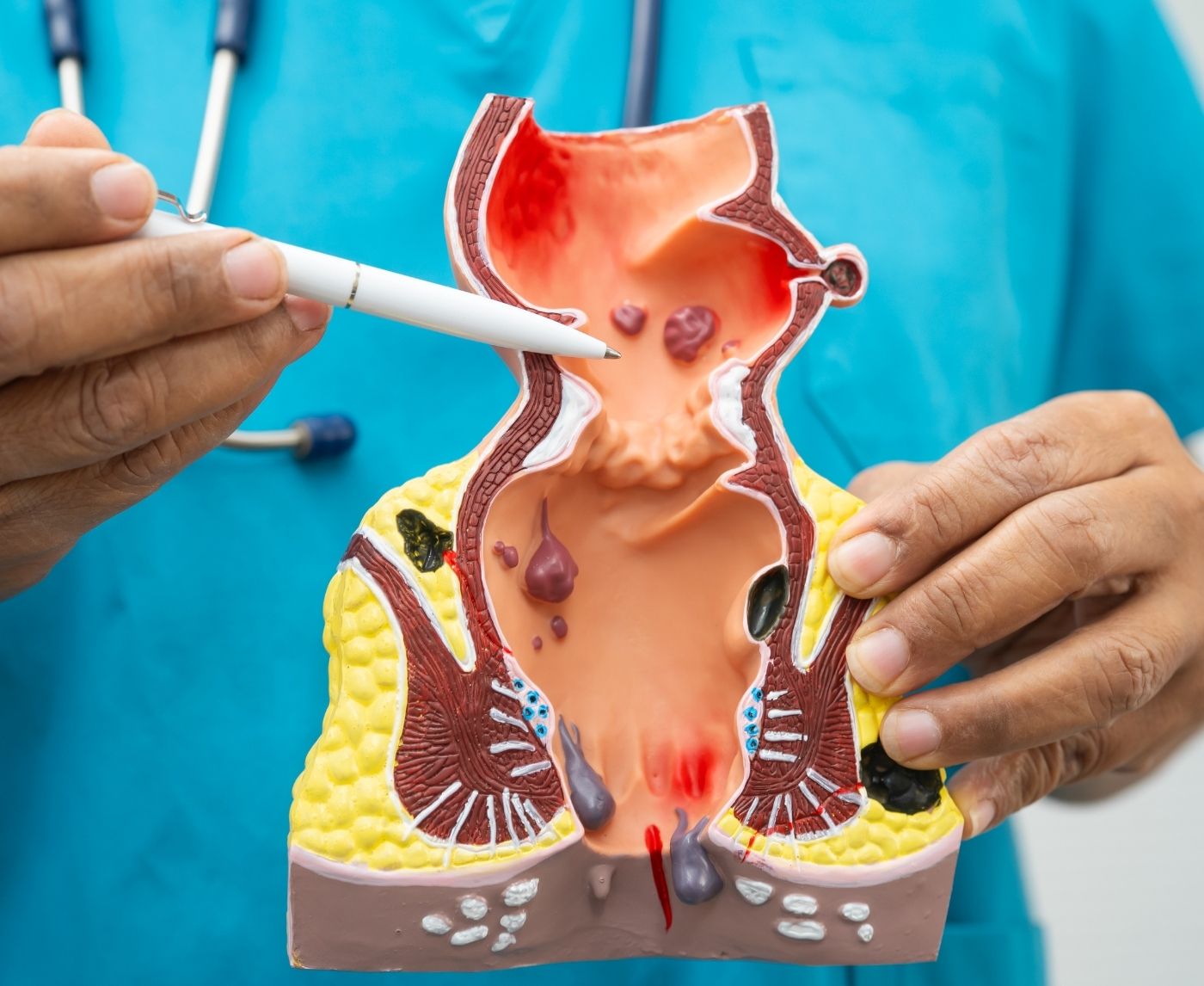
Hemorrhoids are swollen veins in or around the anus and lower rectum. They happen when pressure builds inside those veins, causing them to bulge and become irritated. That pressure might come from constipation, straining, pregnancy, long periods of sitting, or even intense exercise.
Herpes, in contrast, is a viral infection caused by the herpes simplex virus. The virus enters the body through tiny breaks in the skin during sexual contact and then hides in nearby nerve cells. From time to time it can reactivate, producing outbreaks of small blisters or sores.
One condition is basically a circulation problem in the veins. The other is a viral infection living in nerve tissue. Completely different origins, which is why their symptoms tend to behave very differently once you know what to look for.
How Hemorrhoids Usually Feel
Most people with hemorrhoids describe the sensation less as sharp pain and more as pressure or irritation. Imagine a swollen, tender spot around the anus that feels uncomfortable when sitting or during bowel movements. Sometimes it itches. Sometimes it bleeds a little after wiping.
For many people, hemorrhoids show up after something specific. A long road trip where you were sitting for hours. A period of constipation where you had to strain repeatedly. Even lifting something heavy can increase pressure in the veins around the rectum.
There’s also a visual clue. Hemorrhoids often appear as a single swollen lump or soft bulge near the anal opening. In some cases they stay inside the rectum and aren’t visible at all, which doctors call internal hemorrhoids. In other cases they protrude outward slightly and can feel like a soft bump under the skin.
The important thing to understand is that hemorrhoids usually do not form clusters of blister-like sores. They look and behave more like swollen tissue than like lesions.
What Anal Herpes Typically Feels Like
Herpes tends to follow a very different pattern. Many people first notice a tingling, burning, or itching sensation around the anus before anything visible appears. That nerve-related feeling is one of the hallmarks of herpes because the virus lives in nearby nerve cells.
Within a day or two, small blisters can begin to appear. These blisters often show up in clusters rather than as a single lump. They may break open, forming shallow sores that can sting or burn, especially during bowel movements or when the area is touched.
A lot of people also notice that the first outbreak can come with additional symptoms like fatigue, body aches, or swollen lymph nodes. This happens because the immune system is encountering the virus for the first time.
The sores eventually crust over and heal, usually within two to four weeks according to guidance summarized by the Mayo Clinic. After that, some people never experience another outbreak, while others may have periodic recurrences.
Quick Comparison: Hemorrhoids vs Herpes Symptoms
When doctors evaluate anal symptoms, they often look at patterns rather than just one sign. Timing, pain style, appearance, and triggers all help narrow things down.
| Feature | Hemorrhoids | Herpes |
|---|---|---|
| Pain type | Pressure, irritation, soreness | Burning, stinging, nerve-like pain |
| Appearance | Single swollen lump or bulging vein | Clusters of small blisters or sores |
| Bleeding | Common during bowel movements | Rare unless sores are irritated |
| Trigger events | Constipation, straining, sitting long periods | Sexual contact with HSV exposure |
| Healing pattern | Improves with reduced pressure and time | Blisters → sores → scabs → healing |
| Recurrence pattern | May return if pressure continues | Outbreak cycles caused by viral reactivation |
Figure 1. Symptom comparison between hemorrhoids and anal herpes. Patterns of appearance and pain often provide important clues.
Why People Confuse the Two Conditions
If hemorrhoids and herpes are so different biologically, why are they so frequently confused? The answer is simple: location and anxiety.
When a person has a symptom around the genital or anal areas, it creates a fear of a sexually transmitted infection. This fear can cause a person to become over-cautious and assume that a simple irritation is a serious infection. A swollen vein can suddenly become a person’s "herpes bump" before they even investigate it.
Lastly, the internet is not helping these individuals either. Image searches for herpes bumps tend to include extreme cases of herpes, multiple bumps, and extreme symptoms. Real life symptoms are not always so obvious, and this leads individuals to assume the worst.
As a sexual health worker, this is a common story. An individual comes into a sexual health clinic thinking they have herpes, and it turns out to be something entirely different, such as a hemorrhoid, an anal fissure, or a skin irritation. Half of sexual education is separating fact from fiction.
If you are currently stuck in this cycle of uncertainty, don’t worry. The next sections will discuss exactly when symptoms are more likely to be hemorrhoids, when they are more likely to be herpes, and when it is a good idea to get a test.
What Hemorrhoids Usually Look Like Up Close
Let’s slow things down and talk about visuals, because this is where most people finally start to separate hemorrhoids from herpes. Imagine noticing a soft lump near the anus that feels swollen or slightly tender when touched. It might look bluish or skin-colored, and it usually appears as one distinct bump rather than multiple spots.
That’s a classic presentation of an external hemorrhoid. It’s basically a vein that has swollen under pressure. Think of it the same way you might think of a varicose vein in the leg, except this one happens to be in a much more sensitive location.
Sometimes hemorrhoids appear after a very specific trigger. Someone has been constipated for a few days, finally strains during a bowel movement, and suddenly notices soreness afterward. Or they spend ten hours sitting on a plane and later feel pressure and irritation around the anus.
Another common clue is mild bleeding. Many people with hemorrhoids notice small streaks of bright red blood on toilet paper after wiping. According to guidance summarized by the UK National Health Service, this kind of bleeding is one of the most recognizable signs of hemorrhoids.
What hemorrhoids almost never do is form fluid-filled blisters that burst and crust over. That pattern belongs to viral infections like herpes.
What Anal Herpes Lesions Actually Look Like
Herpes has a different story to tell in the visual sense. Instead of one big lump, people notice many small bumps that develop in a group. These bumps may begin as small bumps that resemble small pimples or blisters filled with fluid.
In a short time, perhaps one to two days, the blisters can rupture to form shallow sores that may sting when touched, when stool is passed, or when the sweat causes discomfort in the area. The discomfort may be described as burning, not stinging.
Another difference is that herpes lesions do not develop as a single lump. Instead, the lesions develop in groups of sores and blisters that may spread out over the anal area.
As the sores crust over, healing occurs. The whole process may take two to four weeks in the first outbreak, according to the World Health Organization’s clinical description of the condition. The subsequent outbreaks, if they do happen, may be shorter and less severe.
The big picture to grasp here is that herpes is a skin condition that progresses through different stages of development from blister to sore to scab to healing. Hemorrhoids do not progress through such stages.
Timing Tells a Big Part of the Story
One of the most helpful clues in figuring out whether symptoms are hemorrhoids or herpes is simply when they appear.
Hemorrhoids usually show up immediately after physical strain or pressure. Someone has a painful bowel movement, lifts something heavy, or spends hours sitting, and the irritation appears right away or within the same day.
Herpes works on a viral timeline instead. After exposure to the herpes simplex virus, symptoms generally appear between two and twelve days later. That delay happens because the virus needs time to replicate inside the body before causing visible sores.
Imagine two scenarios. In the first, someone develops anal pain the same evening after a difficult bowel movement. In the second, someone notices burning and blisters about a week after a new sexual encounter. Those timelines point in very different directions.
Of course, life isn’t always that clean. Bodies are messy, symptoms overlap, and anxiety can blur the details of when something started. But timing often gives clinicians their first strong clue.
When Anal Symptoms Are More Likely Hemorrhoids
There are certain patterns that strongly suggest hemorrhoids rather than herpes. If the symptom fits one of these patterns, doctors tend to look at vein swelling first before considering an infection.
One example is the classic “bathroom moment.” Someone strains during a bowel movement and later notices soreness, itching, or a swollen bump. That connection between straining and symptoms is almost textbook hemorrhoids.
Another pattern is bleeding without sores. Bright red streaks on toilet paper after wiping often indicate irritated veins rather than a viral lesion.
Hemorrhoids are also more likely if the bump feels soft and rubbery rather than blistered. Many people describe the sensation as a tender swelling under the skin rather than an open wound.
And finally, hemorrhoids often improve within a few days if pressure decreases. Drinking more water, increasing fiber, and avoiding straining during bowel movements can allow the swollen vein to settle down.
That gradual improvement is another important clue. Viral sores usually follow a predictable eruption and healing cycle rather than simply shrinking.
When Symptoms Start to Look More Like Herpes
There are also patterns that push doctors toward considering herpes more seriously.
One of the biggest clues is blister-like lesions. If someone sees multiple tiny fluid-filled bumps that eventually break open, the possibility of herpes becomes much higher.
Burning nerve pain is another signal. Many people with herpes describe a tingling or electric sensation before sores appear. That happens because the virus lives in nerve cells and irritates the surrounding nerves during outbreaks.
Clusters of sores also stand out. A single swollen lump might be hemorrhoids, but several painful lesions grouped together around the anus or nearby skin are much more consistent with herpes.
Finally, recurring outbreaks raise suspicion for herpes. Someone might notice that similar sores appear every few months during periods of stress, illness, or fatigue. Viral reactivation often follows that pattern.
None of these clues replace medical testing, but they can help you understand which explanation is more plausible.
The Internet Myth That Makes People Panic
There’s a myth floating around online that every bump near the anus is automatically an STD. It’s one of those ideas that spreads easily because sexual health already carries social anxiety.
The reality is far less dramatic. Many anal symptoms come from completely non-sexual causes: friction, hemorrhoids, small skin tears called fissures, allergic reactions to soaps, or simple irritation from sweating and clothing.
Sexual health clinicians often see people who spent days convinced they had herpes, only to discover the cause was constipation or a temporary vein swelling. The human brain tends to jump to worst-case scenarios, especially when symptoms appear in sensitive areas.
That doesn’t mean infections never happen. Herpes is common and manageable, and anyone who is sexually active could potentially encounter it. But assuming every symptom is herpes is about as accurate as assuming every cough is pneumonia.
The smarter approach is observation first, then testing if the symptoms match an infection pattern.
Testing: The Fastest Way to End the Guessing Game
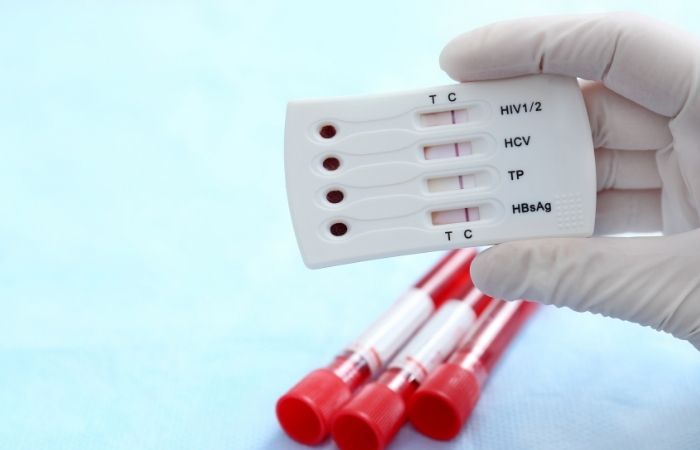
There comes a time when you can only speculate so much about your symptoms. The only way to really know if you have herpes or something else entirely is to get tested.
If you’re noticing any blisters or other signs of herpes or other infections in or around your anal region, it may be time to get tested. Not only does it alleviate any guesswork you may have been doing in your head, but it can also help you determine what to do if you do need treatment.
If you’re lying awake at 3 AM thinking what if, getting answers to your questions can be incredibly liberating. Many people turn to discreet options like STD Test Kits to get tested at home for any number of common diseases.
Getting tested doesn’t mean you’re admitting to anything or anyone. It means you’re getting answers instead of speculating about what you might or might not have.
And then you can deal with what you actually have—whether it’s herpes or something else entirely—by focusing on what really matters: your health.
Anal Fissures, Irritation, and Other Conditions People Mistake for Herpes
There’s another reason people panic when they notice anal symptoms: hemorrhoids and herpes aren’t the only possibilities. The skin around the anus is sensitive and constantly exposed to friction, moisture, and pressure. Because of that, several very common conditions can create bumps, pain, or irritation that look scary at first glance.
One of the most common is an anal fissure, which is a tiny tear in the lining of the anus. These tears often happen after passing a large or hard stool. The pain can feel sharp and intense during bowel movements, sometimes followed by burning afterward. According to the Cleveland Clinic, fissures can cause bleeding and soreness that many people initially mistake for hemorrhoids or even infections.
Skin irritation is another frequent culprit. Sweat, tight clothing, new soaps, or even certain lubricants can trigger redness or itching around the anus. These reactions can create small bumps or inflamed patches of skin that look alarming but are usually harmless.
Doctors sometimes refer to these situations as “differential diagnosis.” In simple terms, it means there are multiple possible explanations for the same symptom. That’s why visual appearance alone rarely tells the whole story.
How Doctors Actually Tell the Difference
There’s another reason why people freak out when they experience anal symptoms: hemorrhoids and herpes aren’t the only possibilities. The area surrounding the anus is a sensitive part of the body, especially since it’s constantly in contact with friction, moisture, and pressure. Because of this, there are a number of extremely common situations that could cause bumps, pain, and discomfort, which, on the first glance, could seem really scary.
One of the most common reasons for anal discomfort, in this case, is an anal fissure, which refers to a small tear in the lining of the anus. This usually happens after passing a large or hard stool. The pain could be sharp and severe during bowel movements, and could even be accompanied by burning after passing stools. According to the Cleveland Clinic, fissures could cause bleeding and soreness, which could be misinterpreted by many people to be hemorrhoids and even infections.
Another possible reason for anal discomfort could be skin irritation. This could be caused by sweat, tight clothing, new soaps, and even lubricants. This could lead to bumps and discomfort in the anal area, which, on the first glance, could seem really scary.
Doctors often refer to this phenomenon as “differential diagnosis,” which, in simple terms, refers to a number of possible reasons for the same symptom. This is why, in many cases, the visual appearance of the symptom alone does not tell the whole story.
When Anal Symptoms Are a Medical Emergency
While most anal symptoms are uncomfortable but not serious, they will likely go away on their own with time and proper care. Hemorrhoids, irritation, and even herpes sores will go away on their own with time, provided they are cared for correctly.
However, there are some instances where medical attention should be sought immediately, rather than waiting for later.
Painful anal symptoms that interfere with walking or even sitting may be caused by thrombosed hemorrhoids, which occur when blood clots form within swollen veins.
Heavy bleeding from the rectum is another cause for concern.
In addition, if there is fever, spreading redness, or worsening of sores, medical attention should be sought immediately.
Fortunately, such instances are rare, and most anal symptoms are caused by conditions that can be treated and managed.
What To Do If You Think It Might Be Hemorrhoids
If the symptoms resemble or feel like hemorrhoids, the first thing to do is simply relieve the pressure on the veins. This can often be done by giving the tissues time to calm down.
Increasing fiber can help make bowel movements easier. Drinking more water can help keep bowel movements going smoothly. Many doctors also advise that it is best not to sit on the toilet for long periods of time. This can increase the pressure on the rectal veins.
A warm bath, also called a sitz bath, can provide relief from the discomfort of hemorrhoids. This can help relax the tissues around the anus. Increased blood flow can also provide relief.
The key thing to know is that hemorrhoids are extremely common. They are not dangerous. They are uncomfortable, but they are not an infection. They are not spread by sex.
What To Do If You Think It Might Be Herpes
However, in case the symptoms are consistent with herpes, a cluster of sores, burning sensations, and blister-like formations, then the best course of action is to seek medical testing and guidance.
Antiviral medications are usually prescribed for herpes outbreaks. Such medications include acyclovir, valacyclovir, and famciclovir. While antiviral medications cannot cure herpes in terms of removing the virus from an individual’s system, they can reduce the length and severity of an outbreak.
People are usually surprised when told that herpes is an extremely common virus. In fact, the World Health Organization estimates that billions of people across the globe carry HSV-1 or HSV-2. Most people infected with herpes live normal lives and experience few symptoms.
Once a diagnosis of herpes is confirmed, then the individual can move from a state of fear to a state of understanding and managing their symptoms.
However, in cases where an individual is worried about herpes but their symptoms are not actually herpes, then medical testing can provide the individual with the reassurance he or she was seeking in the first place.
A Quick Decision Guide for Anal Symptoms
| Symptom Pattern | More Likely Cause | Recommended Next Step |
|---|---|---|
| Single swollen lump, itching, mild bleeding | Hemorrhoids | Increase fiber, reduce straining, monitor symptoms |
| Sharp pain during bowel movements with small tear | Anal fissure | Hydration, stool softening, medical evaluation if persistent |
| Clusters of painful blisters or sores | Herpes | Testing and antiviral treatment if confirmed |
| Redness or itching after new soap or friction | Skin irritation | Remove irritant and monitor skin recovery |
| Recurring outbreaks of sores in same area | Herpes | Consult healthcare provider and consider antiviral therapy |
Figure 2. Common anal symptom patterns and their most likely explanations. Medical evaluation may still be needed when symptoms are unclear.
The Bottom Line Most Doctors Want People to Know
Anal symptoms can feel embarrassing to talk about, which is why many people try to diagnose themselves in private before ever speaking to a professional. But the body doesn’t follow internet rumor or social stigma, it follows biology.
Most anal bumps and irritations are caused by ordinary conditions like hemorrhoids, fissures, or simple skin inflammation. Viral infections like herpes do happen, but they tend to have recognizable patterns once you know what to look for.
The healthiest approach is curiosity rather than panic. Observe the symptoms, pay attention to timing and appearance, and seek testing if the pattern suggests an infection.
If the question keeps circling in your mind, “What if it’s herpes?”, remember that testing is the fastest way to replace uncertainty with answers.
And when it comes to sexual health, clarity is always better than guessing.
FAQs
- 1. Can hemorrhoids feel like herpes at first?
- Absolutely. A lot of people first notice a tender bump or irritation and immediately assume the worst. Early hemorrhoids can itch, sting, or feel sore enough that your brain jumps straight to “this must be an STD.” The difference usually reveals itself within a few days: hemorrhoids stay as a swollen lump, while herpes tends to evolve into small blister-like sores that eventually open and heal.
- 2. What does anal herpes actually look like?
- Most people expect something dramatic because that’s what Google Images shows. In reality, anal herpes often starts as tiny fluid-filled bumps that appear close together. Within a day or two they can break open and form shallow sores that sting, especially during bowel movements. The key detail is clustering, herpes lesions usually show up in groups rather than as a single lump.
- 3. Do hemorrhoids ever look like blisters?
- Not really. Hemorrhoids are swollen veins, so they look more like a soft lump or bulging tissue near the anus. They can be red, irritated, or tender, but they don’t fill with fluid and pop like blisters. If you’re seeing multiple tiny bumps that seem to burst or crust over, doctors start thinking about viral causes like herpes instead.
- 4. Why do so many people confuse hemorrhoids with herpes?
- Honestly? Anxiety and location. Anything unusual near the genitals or anus automatically makes people worry about STDs. Add a late-night internet search into the mix and suddenly every bump looks like herpes in your head. In clinics, this confusion is incredibly common, many people walk in convinced they have herpes and leave learning it’s just a hemorrhoid or minor irritation.
- 5. Does herpes always hurt more than hemorrhoids?
- Usually, but not always. Herpes pain often feels sharp, burning, or nerve-like, especially once sores appear. Hemorrhoids are more about pressure, tenderness, or itching. But bodies aren’t textbooks, sometimes mild herpes outbreaks barely hurt, while a thrombosed hemorrhoid can feel like sitting on a pebble made of fire.
- 6. Can herpes show up only around the anus?
- Yes, it can. Herpes outbreaks appear wherever the virus entered the skin. If exposure happened during anal sex or skin contact near the anus, that’s exactly where symptoms might show up. Some people with herpes never have symptoms anywhere else.
- 7. If I see blood when wiping, is that more likely hemorrhoids?
- In many cases, yes. Bright red streaks on toilet paper are one of the classic signs of hemorrhoids or small anal fissures. Herpes sores can bleed if they’re irritated, but bleeding isn’t usually the main symptom. If bleeding keeps happening, though, it’s always worth getting checked by a healthcare provider.
- 8. How quickly do herpes symptoms appear after sex?
- Typically somewhere between two and twelve days after exposure. That delay is important because the virus needs time to replicate before sores appear. If symptoms show up the same day you strained during a bowel movement, hemorrhoids are a far more likely explanation.
- 9. What’s the easiest way to stop guessing?
- Testing. Symptom comparisons can give you clues, but they’re not a diagnosis. If you’re dealing with blister-like sores or recurring outbreaks, getting tested for herpes replaces all that late-night “what if” thinking with a clear answer.
- 10. What if it turns out to be herpes?
- First: take a breath. Herpes is extremely common, and most people who have it live completely normal lives. Modern antiviral medications can shorten outbreaks and reduce transmission risk. For many people, the scariest part is the uncertainty before testing, not the diagnosis itself.
Before You Panic, Here’s the Real Next Step
Finding a bump, sore, or itch in the anal region can cause instant worry about STDs. And rightly so! However, in most cases, these bumps and sores are not actually herpes but something much less serious.
However, speculating is not going to give you peace of mind. Especially if you are seeing sores or suspect something is wrong, testing is the best course of action. Testing can give you facts instead of fiction and move you from worrying to solving.
If you want discreet answers from home, you can explore reliable options through STD Test Kits. Their rapid herpes test kit offers private screening so you can stop wondering and start knowing.
Your sexual health is not about guilt or shame. It is about facts, information, and taking care of you and your loved ones.
How We Sourced This Article: This guide was written using current medical guidance from major health organizations, peer-reviewed research on sexually transmitted infections, and real-world symptom questions people commonly search online. Approximately fifteen sources informed the research, including public health agencies and clinical education materials. We selected the six most relevant and reader-friendly sources below to support the key medical explanations used in this article.