Herpes vs HPV vs HIV: What’s the Real Difference and Which Is Worse?
Quick Answer: HIV, HPV, and herpes are all viral STDs, but they all have very different effects on the body. HIV attacks the immune system and needs to be treated for life. HPV can cause genital warts and some cancers.
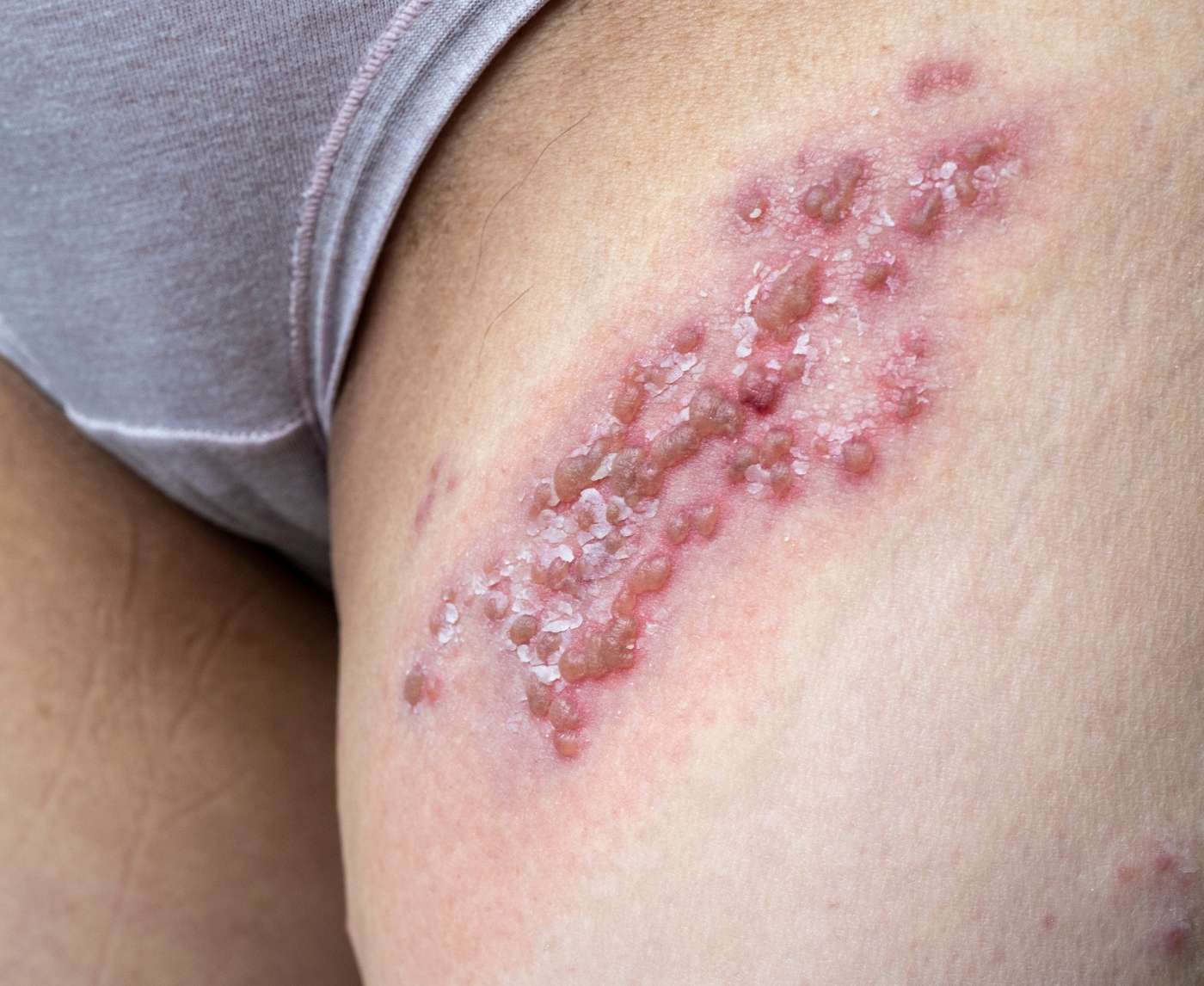
Quick Answer: HIV, HPV, and herpes are all viral STDs, but they all have very different effects on the body. HIV attacks the immune system and needs to be treated for life. HPV can cause genital warts and some cancers. Herpes causes skin outbreaks that come back, but it usually doesn't cause as many long-term health problems.
Why These Three STDs Get Confused So Often
One of the reasons why people seem to confuse herpes, HPV, and HIV is the fact that all of them are very common and all of them are viral STIs. When people start to Google their symptoms in the middle of the night after a sexual encounter, all of these seem to be the common results that people encounter.
However, in terms of the biology of the virus, all of these infections have very different effects on the body. Herpes is a viral infection of the skin. It causes occasional outbreaks of sores. HPV is a viral infection of the skin and mucous membranes. In some cases, it causes genital warts and even cancer. HIV is a viral infection of the immune system. When it is untreated, it causes AIDS. A sexual health educator once explained it to a concerned patient like this: “These viruses share the same neighborhood, but they don’t behave like the same neighbors. They’re all spread through sex, but they all have very different effects on the body.”
This is one of the reasons why testing is so important. When people start to manifest their symptoms, or even if they start to worry about their condition, the most effective way to stop the guessing game is through testing. Many people prefer to start with discreet tests that they can easily avail of through STD Test Kits.

How Each Virus Actually Works Inside the Body
Let's consider three different biological approaches. These viruses, once inside the human body, take entirely different approaches, which is why there is a wide range of symptoms and effects.
The herpes virus, whether it is type one or type two, is a nerve-related virus. When the herpes virus initially enters the human body, it finds a home in the cells of the nerves. These cells remain dormant for a great period of time. When the herpes virus reactivates, it results in a series of small blisters that appear on the human skin. These blisters, over a period of time, heal on their own.
The human papillomavirus, or HPV, is an entirely different approach. This virus targets the human skin. When a person is infected with the HPV virus, it is seen that most of the infections caused by the HPV virus go away on their own over a period of two years. However, there are certain types of HPV that result in cancer. These types of cancer include cervical, anal, and throat cancer.
The HIV virus is an entirely different approach. This virus targets the immune cells of the human body, known as CD4 cells.
| Infection | Main Body System Affected | Typical Long-Term Pattern |
|---|---|---|
| Herpes (HSV-1 / HSV-2) | Skin and nerve cells | Recurring outbreaks with periods of dormancy |
| HPV | Skin and mucous membranes | Often clears naturally but some strains persist |
| HIV | Immune system | Lifelong infection requiring medication |
It becomes clear right away why these infections have such different reputations when you understand these biological differences. One is mostly a skin disease, one is linked to a higher risk of cancer in some strains, and one has a direct effect on the immune system.
How Common Each Infection Actually Is
Another surprising reality is just how common these viruses are. One might expect that the “most serious” of the viruses would also be the “most common,” but this is simply not the case.
HPV is by far the most common sexually transmitted infection. In fact, statistics show that the vast majority of sexually active adults will at some time in their lives be exposed to HPV. Many people are unaware that they have ever had the virus because the human immune system is able to fight it off on its own.
Herpes is also extremely common. Hundreds of millions of people around the world carry either the HSV-1 or the HSV-2 form of the virus. Many people do not display noticeable symptoms and thus are unaware that they carry the virus.
HIV is less common than either HPV or herpes. What makes it “serious” is the way that it impacts the human immune system.
| Virus | Estimated Global Prevalence |
|---|---|
| HPV | Most sexually active adults exposed at some point |
| Herpes (HSV-1 / HSV-2) | Hundreds of millions worldwide |
| HIV | Tens of millions globally |
This is why sexual health experts often tell people that the risk of getting an infection and the seriousness of the infection are not the same thing. Something can be very common and still be easy to deal with, or it can be less common but more complicated to treat.
And this brings up the big question that most people are really asking when they look at these infections: which one is the worst?
Which Infection Is Actually the Most Serious?
This is what people really mean to ask when they compare herpes, HPV, and HIV. The real answer is that it all depends on what people consider the seriousness of the disease in terms of what is being measured, the health impact, ease of treatment, and disruption of one’s life.
From a purely medical point of view, the most serious of the three is HIV. This is because the human immunodeficiency virus attacks the immune system. In the past, if a person is infected with the human immunodeficiency virus and is not treated, the virus may develop into AIDS, leading to a potentially fatal health condition. However, with the availability of medications, people with HIV may live a normal lifespan.
On the other hand, HPV is a relatively harmless disease. In most cases, the human papillomavirus goes away on its own. However, there is a strain of the virus that may lead to cancer. This is the case with cervical, anal, penile, and throat cancers.
In conclusion, herpes is the least of the three in terms of the health impact. The herpes virus may not lead to a fatal health condition. However, the pain and stress of having herpes may lead to psychological stress. A doctor once told a patient with herpes: “Herpes is annoying, HPV sometimes requires monitoring, and HIV requires treatment. However, none of them is the death sentence people think it is.”
The real point is that the availability of medicine has changed the perspective of the seriousness of the health impact of the three diseases. The availability of medicine has changed the perspective of the seriousness of the health impact of the three diseases.
Symptoms: How These Infections Usually Show Up
Another factor that causes these viruses to be mixed up is that their symptoms may coincide, or there may not even be any symptoms. In fact, most people find out about these viruses through routine testing rather than symptoms.
Herpes tends to have the most obvious symptoms. Symptoms tend to show up as a group of blisters or sores, usually around the mouth or genitals. These sores heal within a couple of weeks, though, while the virus is still present in the body.
HPV’s symptoms vary depending on the type. Some types cause genital warts, which show up as small bumps on the genitals. More dangerous types, which have a link to cancer, do not have any noticeable symptoms, which is why testing is so vital.
HIV is one of the viruses that can have people stumped, especially in the beginning stages. Some people experience flu-like symptoms, such as fever, fatigue, swollen lymph nodes, while others do not notice any unusual symptoms. Since symptoms do not really help determine whether you have HIV, testing is really the only way to determine whether or not you have HIV.
Imagine someone lying awake one night, surfing health sites around 2 a.m. because of a strange feeling or bump. This is a cycle of guessing, which is something that is done all too often. This is exactly why testing is done, to provide answers rather than questions.
If you are unsure of what kind of infection you may have, testing is available that can provide answers. Most people start out with something such as the STD Test Kits homepage, where testing can be done at home while keeping your private life private.
How These Viruses Spread Between Partners
Despite the fact that the three diseases are categorized as sexually transmitted diseases, the mode of transmission from one partner to another differs significantly. Understanding the mode of transmission helps one make rational choices regarding protection and testing.
Herpes, for instance, is transmitted from one partner to the other through skin-to-skin contact. This implies that the disease can be transmitted even in the absence of lesions, although the risk is increased during the occurrence of the disease.
HPV, on the other hand, is transmitted from the infected partner to the healthy one through skin-to-skin contact during sexual activity. The disease attacks the skin cells, which implies that the use of condoms during sexual activity does not completely protect the user from the disease, as the disease can still be transmitted through the skin that is not covered by the condom.
HIV, on the contrary, is transmitted from the infected partner to the healthy one through certain body fluids, including blood, semen, vaginal fluids, and breast milk. The disease is transmitted during unprotected sexual activity, through the use of needles, as well as from the mother to the unborn child during pregnancy or while breastfeeding.
Fortunately, the risk of HIV transmission during sexual activity has significantly reduced with the invention of modern prevention measures, including the use of antiretroviral drugs, which reduce the viral load in the body to undetectable levels, thus preventing the transmission of the disease during sexual activity, as the disease can only be transmitted if the viral load in the body is detectable, a phenomenon referred to as “Undetectable equals Untransmittable” or “U=U.”
Irrespective of the disease, the bottom line remains the same: testing is the fastest way to move from uncertainty to action.
Testing: The Only Way to Know for Sure
One of the biggest misconceptions about sexually transmitted infections is that symptoms alone will reveal what kind of infection a patient has. However, this is simply not true due to the messy and imperfect nature of the human body.
For instance, a bump may be herpes, but it may also be a simple ingrown hair. A sore throat after a round of oral sex may be nothing at all, or it may be a sign that a patient is infected with a sexually transmitted infection that requires treatment.
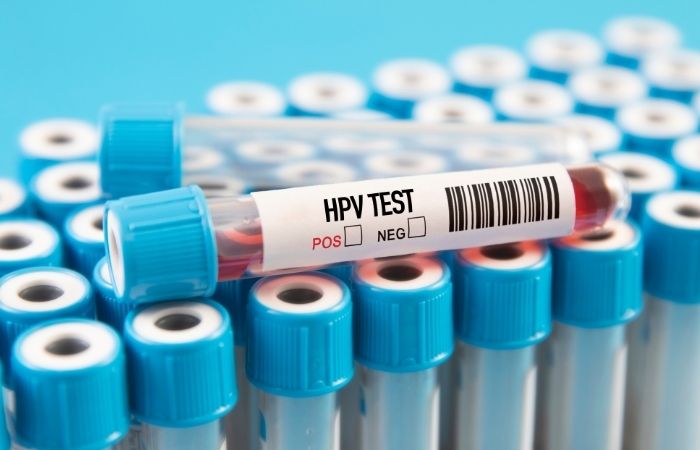
Testing for sexually transmitted infections eliminates this kind of guesswork entirely. Each type of infection requires a different kind of test, which is why comprehensive testing is often recommended when a patient is unsure what kind of infection he or she may have come into contact with.
For instance, HIV testing requires a blood test that will detect antibodies or virus particles in a patient’s bloodstream. HPV testing often requires cervical testing in the form of a pap smear and a test for HPV DNA. Herpes testing may require a swab from infected areas or a blood test that will detect antibodies.
For patients who need answers quickly and in private, at-home testing has become a viable solution. The STD Test Kits platform allows individuals to get a sense of what kind of sexually transmitted infection they may have without having to wait weeks for a testing appointment.
As a sexual health counselor often tells anxious patients: “The scariest part is usually the guessing. Once you test, you can actually make a plan.”
What Life Actually Looks Like With Each Infection
One of the biggest sources of fear about herpes, HPV, and HIV is not the medical reality but the stigma surrounding them. People think the worst about what this means for their love life or health in general when they first think about the virus.
In reality, millions of people lead perfectly normal and healthy lives with these diseases. The biggest change occurs after the initial shock wears off and they learn about how easy this situation is.
One patient explained what this moment looked like for them after they received their herpes diagnosis:
“I thought my love life was over. Then I started reading real information instead of random forums and realized most people just manage it like any other skin condition.”
For someone with herpes, this means learning about what sets off their outbreaks and taking antiviral medication if they occur. Many people also find that they have fewer and fewer outbreaks as time goes by because their immune system is able to fight off the virus.
For someone with HPV, this means that in most cases, they will be able to fight off the virus in a matter of a year or two. When they do not, they can be screened for cancer in time to prevent it.
For someone with HIV, this means taking antiretroviral medication to keep the virus in check. This allows them to keep their immune system healthy and also prevents them from giving the virus to anyone they have relations with.
The biggest theme in all three cases is what people least expect: once they know their status and what they can do about it, they no longer have any reason to be afraid.
Prevention: What Actually Reduces Risk
When the topic of sexually transmitted infections comes up in conversation, the topic of prevention is sure to follow shortly after. While there are no guarantees, there are several ways in which the risk of infection can be significantly reduced.
One of the best ways in which the risk of infection can be reduced is through the use of barrier protection, such as condoms. The use of condoms can significantly reduce the risk of HIV infection, as well as the risk of herpes and HPV, though they are unable to eliminate the risk of skin-to-skin contact.
Vaccination is another very effective means of preventing infection, especially in the case of HPV. The HPV vaccine can protect against several strains of the disease, including the strains that are the cause of the majority of cervical cancer cases, as well as other cancers linked with the disease. It is widely regarded as one of the most important cancer-preventing tools available today.
Finally, testing plays a very important role in the prevention of infection as well. When people know that they are infected, they are in a much better position to protect themselves, as well as communicate with partners about the situation.
If you have recently had a new partner, there are several discreet ways in which you can start the process of getting tested, including the use of the 7-in-1 Complete At-Home STD Test Kit, which tests for several common infections simultaneously.
It’s important to remember that testing isn’t about assuming that something is wrong, but about replacing uncertainty with knowledge.
Why Comparing STDs Isn’t Always the Right Question
You might find yourself typing things like “what STD is worst” into a search engine, but in the world of sexual health, such a ranking can be tricky.
HIV attacks the immune system and requires lifelong treatment, making it a more medically complicated disease. HPV is extremely common and can sometimes lead to cancer if left untreated. Herpes causes recurring outbreaks but has fewer long-term medical consequences.
But severity is more than just a medical issue; emotional impact, stigma, treatment availability, and communication can also play a part.
A sexual health educator might tell their students, “The worst infection is often the one you don’t understand yet. Once you understand what’s going on, it’s something you can handle.”
But this brings us back to the point of this entire conversation: it’s not about which infection is worst; it’s about understanding what’s going on so that you can move forward into treatment with confidence.
FAQs
- 1. Is HIV more serious than herpes?
- From a medical standpoint, HIV attacks the immune system and requires a lifetime of treatment, whereas herpes causes periodic skin breakouts. However, it is currently possible for a person with HIV to have a long and healthy life with proper treatment.
- 2. Is HPV more serious than herpes?
- HPV may be more serious in that it has a greater potential for causing long-term damage. Herpes causes periodic breakouts and does not have long-term consequences for a healthy individual.
- 3. What is the most dangerous STD?
- HIV has historically been considered the most medically serious virus due to its effect on the immune system. However, current treatment allows a person with HIV to have a long and healthy life.
- 4. Can HPV turn into HIV?
- No, HPV and HIV are two completely different viruses and cannot change into each other.
- 5. Do herpes and HPV stay in your body forever?
- Herpes stays in your body forever but is dormant most of the time. Most cases of HPV go away in one to two years.
- 6. Can you have HPV and not know it?
- Yes. Most cases of HPV have no symptoms, which is why it is important to get routine screenings to detect potential health risks.
- 7. How common is herpes compared to HIV?
- Herpes is more prevalent in society than HIV. Many people have herpes and do not know it because they have HSV-1 or HSV-2.
- 8. Should I get tested if I’m unsure which STD I might have?
- Yes. You cannot identify what kind of STD you have by symptoms alone. You must get a test to confirm whether you have an STD or not.
- 9. Can condoms fully prevent herpes or HPV?
- Condoms will reduce your chances of getting herpes and HPV, but they will not prevent it entirely because it is a skin-to-skin virus.
- 10. What’s the best first step if I’m worried about an STD?
- The best first step is to get a test. Once you know your status, you can move forward accordingly.