How Routine STI Screening and DoxyPEP Are Quietly Changing the Game
Quick Answer: DoxyPEP (a post-exposure antibiotic) and routine STI screening are lowering infection rates in some high-risk groups. or “can I take something to prevent chlamydia after sex?”

Quick Answer: DoxyPEP (a post-exposure antibiotic) and routine STI screening are lowering infection rates in some high-risk groups. The key is timing, access, and combining both tools, testing catches what’s silent; DoxyPEP helps prevent new cases.
Why This Matters Now
Every week, thousands of people Google things like “we didn’t use a condom, should I get tested?” or “can I take something to prevent chlamydia after sex?” Those questions reflect real fear, and often, real barriers to clear answers. For years, the message around STI prevention has been narrowly focused on condoms or abstinence, ignoring the broader toolkit science now provides.
Enter two game changers: routine testing and DoxyPEP. When used together, these strategies can reduce community-level transmission rates, especially for chlamydia, gonorrhea, and syphilis. But they also change something deeper: how people relate to their own sexual health. Testing becomes a habit, not a panic response. Prevention becomes proactive, not punitive. And fewer people find themselves spiraling in shame after a hookup they regret, or don’t.
According to a 2023 CDC update, communities with high access to screening and DoxyPEP saw significantly lower reinfection rates for bacterial STIs over 12 months.
DoxyPEP 101: What It Is (and What It Isn’t)
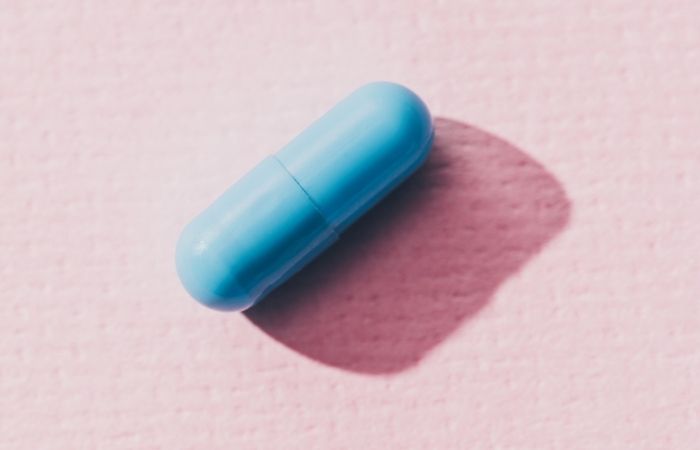
DoxyPEP is the acronym for doxycycline post-exposure prophylaxis. It involves a short course, usually one 200mg dose, taken within 72 hours following condomless sex. Studies have revealed that it can drastically reduce the rate of chlamydia and syphilis acquisition but has mixed outcomes in gonorrhea amid an upsurge in antibiotic resistance.
This is not something you can buy over the counter. DoxyPEP is offered under medical supervision to people at higher risk-namely men who have sex with men and transgender women-who experience frequent bacterial STIs. It's a part of an individualized prevention plan, not a 'blanket' prescription for anyone who has had sex.
Think of it like this: a seatbelt is not a guarantee, but it's a powerful layer of protection when used correctly. Just like seatbelts work best when roads are wellmaintained, DoxyPEP works best when it is paired with regular testing and follow-up care.
Routine Screening: The Unsung Hero of STI Prevention
We talk a lot about “prevention,” but most people only get tested after something goes wrong, a bad hookup, a symptom, or a partner with a surprise diagnosis. That’s reactive care. What’s changing now is the shift toward routine STI screening as part of regular health maintenance, especially among people on PrEP or in non-monogamous relationships.
Routine testing doesn’t just help the individual; it helps communities. Here’s why:
| Benefit of Routine Testing | Why It Matters |
|---|---|
| Detects silent infections | Many STIs have no symptoms; testing is the only way to know |
| Shortens infectious period | Early treatment reduces the window of potential transmission |
| Normalizes sexual health care | Reduces stigma and increases honest conversations |
| Supports partner notification | Timely info protects current and future partners |
| Improves public health surveillance | Helps track outbreaks and adapt prevention strategies |
Table 1. How routine screening changes both individual outcomes and community health trends.
In short, testing often doesn’t just “catch something”, it stops the ripple effect. That’s powerful. And when DoxyPEP is layered into that rhythm? The math changes.
How They Work Together: Not Magic, Just Smart Prevention
To really understand why STI rates are dropping in some groups, you have to zoom in on how DoxyPEP and routine screening work together, not separately. One prevents infection from taking hold; the other detects infections early if they happen anyway. It’s a dual defense.
Imagine a typical scenario: someone has condomless sex with a new partner. Within 72 hours, they take a DoxyPEP dose. Then, at their regular three-month screening appointment, any breakthrough infections are caught and treated fast. This loop doesn’t rely on symptoms or fear. It runs on rhythm.
In fact, in a 2022 study published in the New England Journal of Medicine, participants using DoxyPEP and regular testing saw a 66% reduction in chlamydia and a 62% reduction in syphilis compared to those using standard prevention alone. That’s not hypothetical, that’s real-world impact.
Testing catches what DoxyPEP might miss. And DoxyPEP, in turn, may prevent the infections that occur between those tests. Neither is perfect. But together? They reduce missed cases, lower total infections, and give people more control over their sexual health.
Real-World STI Trends Where These Tools Are Used
Across San Francisco, Seattle, and parts of New York City, where DoxyPEP programs have been piloted and PrEP uptake is high, clinicians are seeing a shift. Repeat bacterial STIs are less frequent in high-risk populations using these tools consistently.
Data from the San Francisco Department of Public Health has indicated that among MSM, the rate of persistent chlamydia has declined by 48% within 12 months for DoxyPEP. Even more, the rate of early syphilis has declined by over 30% among those facilities offering DoxyPEP counseling and screening for STIs, although it is not a dramatic new change, it is an indication in the correct direction.
However, access is everything. These gains are mostly happening in urban clinics with LGBTQ+ competent care, strong public health funding, and open conversations. In rural areas, or places where sexual health is still taboo, testing remains rare, and DoxyPEP often isn’t even discussed. The tools work. But they have to be available, trusted, and part of a care model that respects people’s realities.
Emotional Relief: “I Don’t Panic Anymore”
For many, the biggest impact of routine testing and DoxyPEP isn’t clinical, it’s psychological. The shame spiral after an STI scare can derail days, relationships, and self-esteem. But when you have a plan? That spiral shortens.
Andre, 27, shared in a Reddit health thread that since starting quarterly STI screening through his PrEP provider, he no longer overthinks every minor symptom. “It’s like having guardrails,” he wrote. “Even if something comes up, I catch it fast.” When his provider added DoxyPEP to his plan after two positive chlamydia tests in six months, he called it “the extra safety net I didn’t know I needed.”
Mel, 32, a nonbinary educator, described DoxyPEP as “not a pass for risky sex, but a way to soften the blow if something happens.” For them, the combination of frequent testing, DoxyPEP, and community-led care made prevention feel “like care, not punishment.”
These are not universal experiences, but they are increasingly common in spaces where trauma-informed, sex-positive care is the norm. And that shift, from judgment to strategy, matters.
Take Back the Timing
Still wondering if it’s worth testing when you feel fine? Or unsure what to do after a slip-up? Here’s the truth: the earlier you know, the more options you have. And the better your routine, the less guessing you’ll ever have to do again.
This discreet at-home Combo Test Kit checks for the most common STIs, chlamydia, gonorrhea, syphilis, and more, in one go. You can test quietly, privately, and get results fast. No clinic, no waiting room, no judgment.
Whether you’re using DoxyPEP, on PrEP, or just trying to make smarter choices, knowing your status is the foundation. You don’t have to wait for symptoms, or anxiety, to make your move. Make screening part of your self-care plan.
Comparing Tools: What Each Brings to the Table
| Tool | What It Does | Best Used When... |
|---|---|---|
| Routine STI Screening | Detects existing infections, symptomatic or not | You’re sexually active with new or multiple partners |
| DoxyPEP | Reduces chance of new bacterial STIs post-sex | You’ve had recent condomless sex & qualify based on risk |
| PrEP | Prevents HIV when taken consistently | You’re HIV-negative and at risk of exposure |
| Condoms | Block many STIs & pregnancy | You want physical protection every time you have sex |
Table 2. Prevention is strongest when multiple tools are combined, not just one in isolation.
What About Antibiotic Resistance?
It’s a fair question, and one every provider offering DoxyPEP should address. If we start giving antibiotics after sex, won’t bacteria just get smarter and harder to treat?
The concern is real. Antibiotic resistance is a global threat, and gonorrhea in particular has shown growing resistance to nearly every drug thrown at it. But here’s what the data say: in controlled studies with appropriate patient selection, DoxyPEP has not yet shown significant contributions to resistance in chlamydia or syphilis.
According to researchers at the University of Washington, short-term use of doxycycline post-exposure among high-risk individuals was not linked to increased doxycycline-resistant strains of chlamydia trachomatis over a 12-month period. Still, medical guidance stresses this: DoxyPEP is not for everyone. It’s for people with frequent exposure and documented benefit. It must be offered with full informed consent and regular review.
Routine STI testing helps here too. If a case of gonorrhea doesn’t respond to first-line treatment, labs can quickly identify resistance patterns and report them to public health networks. That rapid response protects communities, and gives researchers time to update treatment guidelines as needed.

Who Benefits Most (and Who’s Still Left Out)
The current rollout of DoxyPEP is focused on specific populations: MSM and transgender women with recent bacterial STIs, often already engaged in PrEP care. That makes sense from a risk-reduction standpoint, but it leaves out many others who could benefit if access and equity were expanded.
Sex workers, people with multiple partners, those without insurance, and individuals in monogamous relationships who’ve had a partner cheat may not qualify under current guidelines, even if they’ve experienced repeat infections. In rural areas and non-LGBTQ+ clinics, DoxyPEP isn’t even offered as an option. This creates a two-tier system: those who know about and can access tools, and those left guessing.
The same goes for testing. A 2024 Kaiser Family Foundation report found that less than 40% of U.S. adults aged 18–35 have had an STI test in the past year, even though 1 in 2 will contract one by age 25. That gap isn’t from lack of risk, it’s from lack of normalized care. We can’t reduce infections if half the population doesn’t know what they’re carrying.
This is where online access helps. At-home test kits break through the barriers of shame, transportation, and clinic availability. And when combined with good education, they become entry points, not end points, for better care.
FAQs
- 1. Do I really need to get tested if I feel fine?
- Yup. Most STIs don’t throw up red flags, no burning, no weird discharge, nothing. That’s the trap. You can carry something like chlamydia for months without a single symptom, then pass it on or run into complications later. Think of testing like dental cleanings: routine, boring, necessary.
- 2. Is DoxyPEP just a morning-after pill for STIs?
- Kind of, but not really. It’s a single dose of doxycycline taken after sex to help block certain bacterial infections, mainly chlamydia and syphilis. But it’s not a catch-all. It doesn’t work for viral stuff like herpes or HPV, and it’s not a free pass to throw out every other prevention tool. It’s a backup, not a shortcut.
- 3. What if I took DoxyPEP but still caught something?
- That can happen. No prevention method is bulletproof. If DoxyPEP misses, that’s where routine testing steps in. The idea isn’t perfection, it’s lowering your risk and catching issues fast, before they become bigger problems. One doesn’t replace the other.
- 4. Isn’t taking antibiotics after sex kind of... a lot?
- For some people, yeah. It’s not for everyone, and no one’s saying it should be. But if you’re someone who’s gotten multiple STIs in a year and you’re exhausted from the cycle, it might be a tool worth discussing with your provider. No shame in building a strategy that works for you.
- 5. Does DoxyPEP make me immune to gonorrhea?
- Unfortunately, no. Gonorrhea is the slippery one. Some strains are resistant to doxycycline altogether. That’s why even with DoxyPEP, you still need testing, and maybe condoms in the mix too. Think of gonorrhea like glitter: it gets around, and it sticks.
- 6. How do I know if I qualify for DoxyPEP?
- Right now, it’s mostly offered to men who have sex with men, trans women, and folks on PrEP who’ve had recent bacterial STIs. But eligibility is evolving. If you’ve had repeat STIs or you’re in a high-risk network, talk to a provider who gets it. Access shouldn’t depend on your zip code or who you sleep with.
- 7. Will people judge me if I ask about this?
- If they do, they’re the problem, not you. Sexual health isn’t dirty, reckless, or shameful. Asking about DoxyPEP is like asking about birth control or vaccines, it means you care. And if your provider isn’t cool with that? Time to find one who is.
- 8. Can I just test at home and skip the clinic altogether?
- You can for a lot of things. At-home combo kits can check for chlamydia, gonorrhea, syphilis, and more, no appointments, no awkward waiting room vibes. But if you test positive or have symptoms, you'll want a follow-up with a real human.
- 9. Is this overkill if I only hook up once in a while?
- Not at all. Even a one-time hookup can carry risk, especially if protection wasn’t perfect. Think of screening and prevention like fire alarms: you don’t need them every day, but you’ll be glad they’re in place when something sparks.
- 10. Why is nobody talking about this?
- Honestly? Because STI prevention doesn’t get headlines unless it’s scandalous. But the real story, the slow, smart work of routine care and new tools like DoxyPEP, is happening quietly in clinics, bedrooms, and communities that care. You’re in the loop now. Pass it on.
You Deserve Tools, Not Just Warnings
The rise of DoxyPEP and routine STI testing marks a turning point, not because they eliminate risk entirely, but because they change how risk is managed. Together, they make space for pleasure, intimacy, and health without fear-based messaging.
You don’t have to wait for symptoms. You don’t have to panic after every scare. You can test regularly. You can prevent proactively. And yes, you can still have sex while being informed, protected, and respected.
How We Sourced This
How We Sourced This Article: We combined current guidance from leading medical organizations with peer-reviewed research and lived-experience reporting to make this guide practical, compassionate, and accurate. In total, around fifteen references informed the writing; below, we’ve highlighted some of the most relevant and reader-friendly sources. Every external link in this article was checked to ensure it leads to a reputable destination and opens in a new tab, so you can verify claims without losing your place.