Is Discharge Without Pain a Sign of an STD?
Yes, discharge without pain can be caused by an STD, because many infections begin by altering mucus production without triggering inflammation or nerve signals. That's why guessing rarely works.
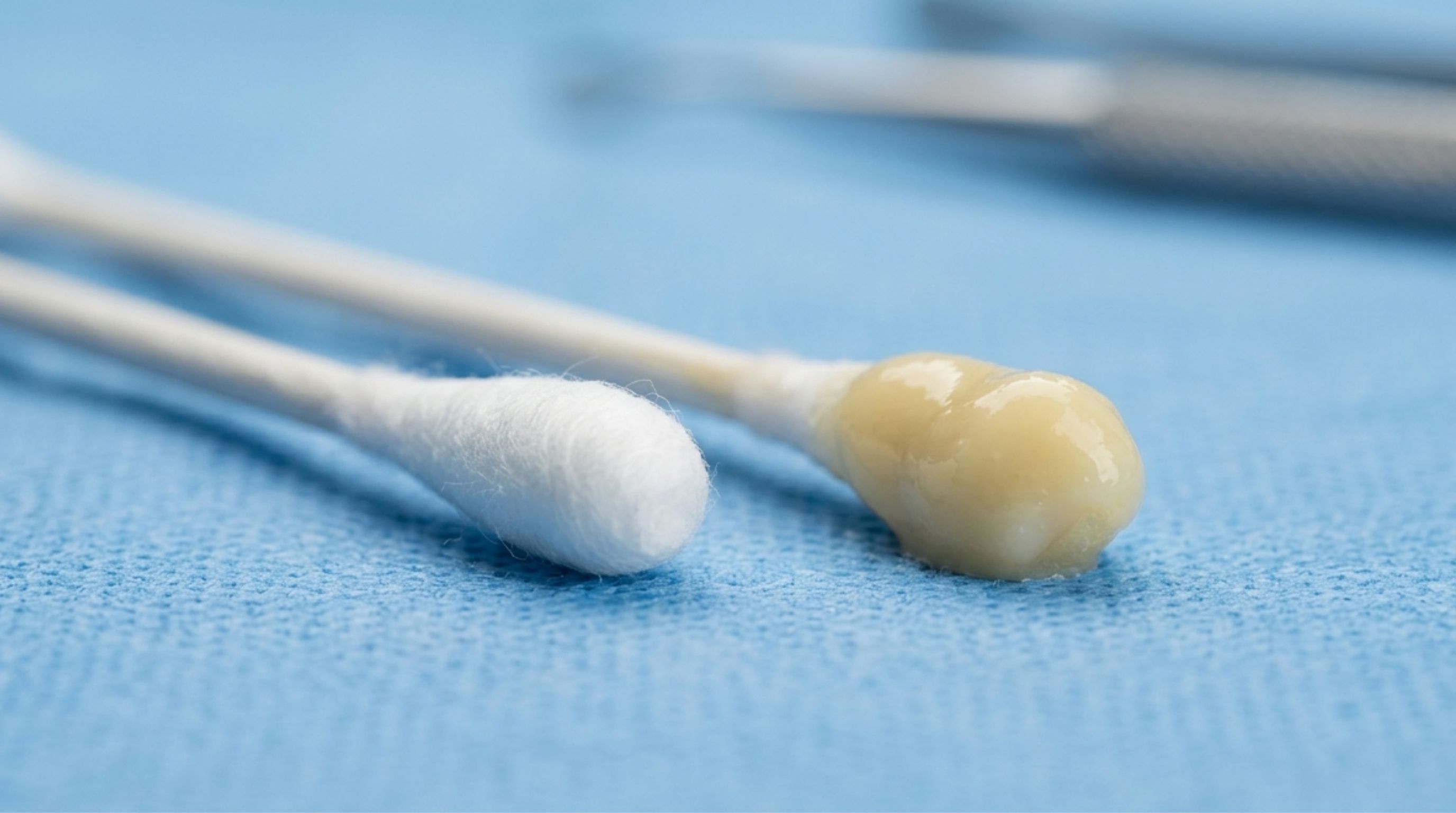
Yes, discharge without pain can be caused by an STD, because many infections begin by altering mucus production without triggering inflammation or nerve signals. Seeing discharge without pain is one of those moments that sends people straight to Google, usually late at night, scrolling through worst-case scenarios. The tricky part is that discharge sits right in the overlap between completely normal body function and early-stage infection. That's why guessing rarely works. What matters is understanding what's happening biologically and when testing actually gives you a clear answer.
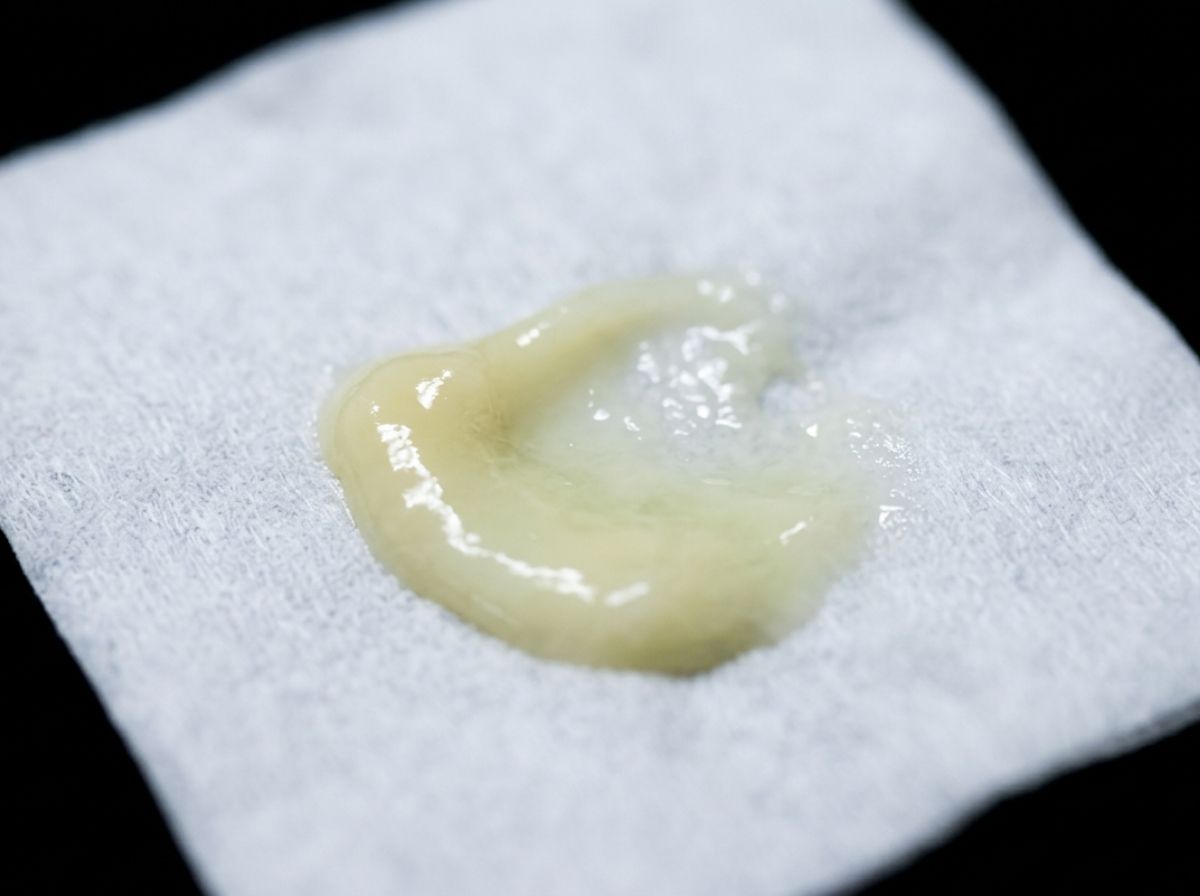
Discharge With No Other Symptoms: What Is Your Body Telling You?
Discharge is not automatically a problem; it's a biological function. The cells lining the genitals, urethra, and cervix constantly produce mucus as part of maintaining moisture, balancing bacteria, and clearing out debris. This process happens continuously, whether or not an infection is present.
Here's the thing about pain: it comes from inflammation, not from discharge itself. Inflammation happens when the immune system sends signals that irritate nearby tissue and activate nerve endings. If that immune response hasn't kicked in yet, or is still mild, you can have visible discharge with zero discomfort, and that window is exactly when most people assume everything is fine.
This is why early-stage infections often go completely unnoticed. Bacteria like chlamydia infect the cells lining the genital tract and begin replicating inside them. During this phase, the body may increase mucus production as a response, but without enough immune activation to create pain or burning. The result is discharge that looks unusual but doesn't feel like anything.
Normal discharge also shifts based on hormones, hydration, sexual activity, and natural bacterial changes. That overlap is what makes this so confusing: the same symptom can come from completely different mechanisms, which is why appearance alone will never give you a reliable answer.
Can STDs Cause Discharge Without Any Pain?
Yes, and this is where a lot of people get misled. The absence of pain does not rule out an STD. Several of the most common infections are known specifically for being silent in the early stages, not because they're mild, but because their biology doesn't require inflammation to spread.
Chlamydia is the clearest example. It infects epithelial cells and replicates inside them, which lets it spread without immediately triggering a strong immune response. Discharge can appear as one of the first visible signs, often well before any burning, irritation, or pelvic discomfort develops. Most people who have it don't know.
Gonorrhea can behave similarly, especially in the first phase after exposure. The bacteria attach to mucosal surfaces and begin multiplying, leading to increased secretion. Pain typically shows up later, once inflammation intensifies and starts affecting surrounding tissue. According to NCBI StatPearls, 25–40% of men with nongonococcal urethritis may remain entirely asymptomatic, discharge included.
Even viral infections like herpes can present without pain at first, particularly if lesions are internal or very mild. In these cases, discharge may be related to the body's immune response rather than visible sores.
What all of these have in common is timing. The infection starts at a cellular level, changes fluid production, and only later, if at all, triggers symptoms you can actually feel.
Normal vs. STD Discharge: How to Tell the Difference
Trying to self-diagnose discharge based on appearance alone is one of the least reliable strategies in sexual health. Still, there are patterns worth understanding, not as a diagnosis, but as a signal of whether testing makes sense.
Normal discharge is driven by hormonal cycles and natural bacterial balance. It tends to be predictable, even if it varies slightly in consistency or volume throughout the month. STD-related discharge comes from infection-driven changes in the cells lining the reproductive or urinary tract, a different mechanism entirely, even when the end result looks similar.
The difference comes down to cause: hormone-regulated secretion versus infection-triggered secretion.
| Feature | Normal Discharge | Possible STD-Related Discharge |
|---|---|---|
| Color | Clear or white | Yellow, green, cloudy, or gray |
| Consistency | Changes with hormonal cycle | Persistent or unusually thick |
| Odor | Mild or none | Stronger or distinctly unusual |
| Timing | Follows hormonal patterns | Appears after sexual exposure |
| Pain | None | Often none in early-stage infections |
The Most Common STDs Linked to Discharge Without Pain
When discharge shows up without pain, the likely causes are infections that affect mucosal surfaces without immediately triggering inflammation. These infections change how cells produce and release fluids, which is why discharge appears before discomfort, sometimes by days or weeks.
Chlamydia is the most common cause in this category. It infects epithelial cells and replicates inside them, which allows it to spread quietly. The body responds by increasing mucus production, leading to discharge that may be clear, cloudy, or slightly yellow. Because the immune response builds gradually, pain is often absent in the early phase, sometimes indefinitely.
Gonorrhea also targets mucosal linings, particularly in the urethra, cervix, rectum, or throat. In its early stage, it increases fluid secretion as bacteria multiply on the surface of these tissues. Pain typically develops later, once inflammation intensifies and begins irritating nerve endings.
Trichomoniasis, caused by a protozoan parasite, can also produce discharge without immediate discomfort. The organism disrupts the natural balance of vaginal or genital flora, which changes the consistency and odor of discharge before irritation becomes noticeable.
What connects these infections is that they start by altering cells and secretions, not by triggering pain. That delay is exactly why timing your test correctly matters more than waiting for symptoms to escalate.
When to Test: Timing Matters More Than Symptoms
This is the part that most people don't understand. If you test too soon, you might get a false negative even if you already have an infection. This is because STD tests look for either the DNA of bacteria (NAAT tests) or antibodies made by your immune system (blood tests). It takes time for both to reach levels that can be found.
If you notice discharge after having sex, you shouldn't get tested right away. Instead, you should get tested at the right biological window. That's what tells you if your result is real.
There are two main ways to test for STDs at home: NAAT (nucleic acid amplification tests) for infections like chlamydia and gonorrhea, and blood tests for infections like HIV, syphilis, herpes, and hepatitis. The time between tests is different for each one, depending on how the infection spreads in the body.
| STD | When to Test | Detection Method | Biological Reason |
|---|---|---|---|
| Chlamydia | 14 days after exposure | NAAT (urine or swab) | Bacteria replicate inside epithelial cells before DNA becomes detectable |
| Gonorrhea | 3 weeks after exposure | NAAT (urine or swab) | Bacterial load must reach detectable levels in mucosal tissue |
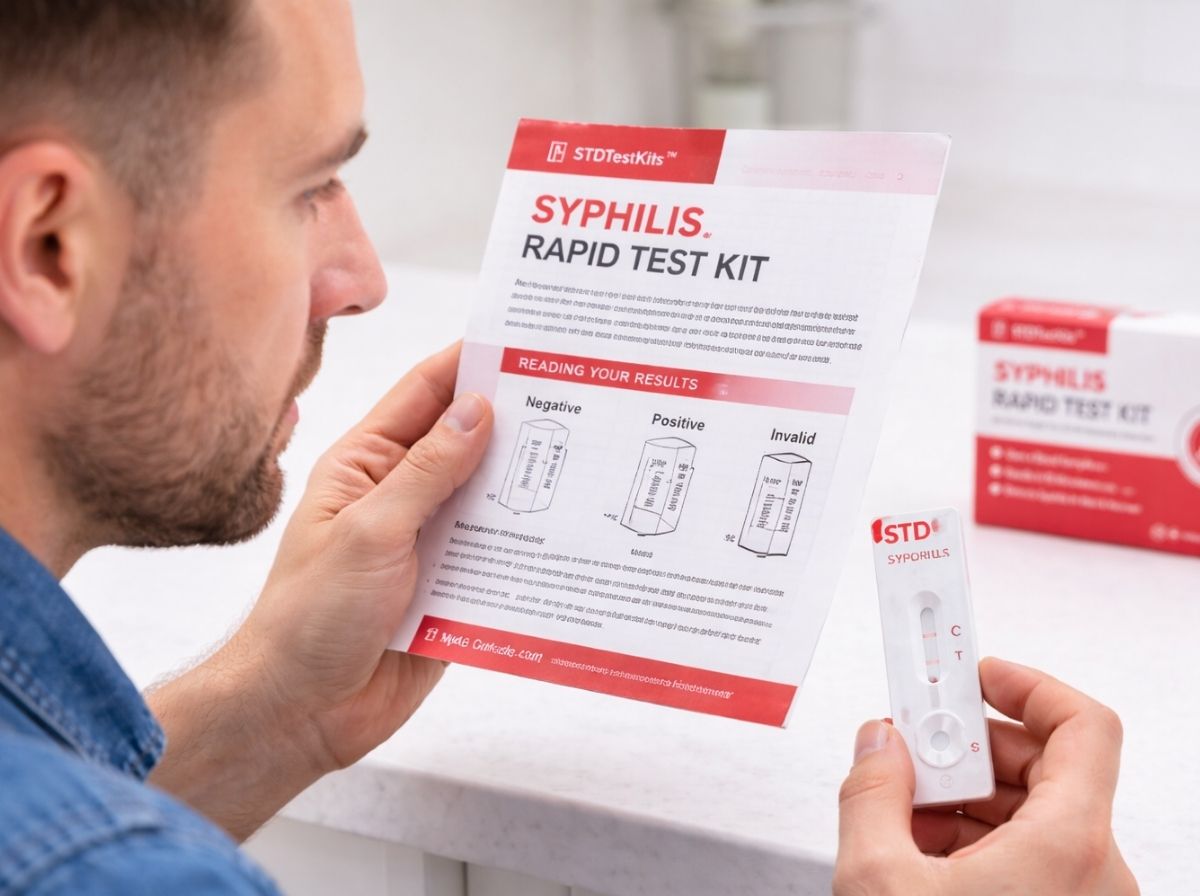
| Syphilis | 6 weeks after exposure | Blood test | Antibodies require time to develop in bloodstream |
| HIV | 6 weeks (first test), 12 weeks (confirmation) | Blood test | Immune response markers increase progressively after infection |
| Herpes (HSV-1 & HSV-2) | 6 weeks after exposure | Blood test | Antibody production becomes detectable after immune activation |
| Hepatitis B | 6 weeks after exposure | Blood test | Viral antigens and antibodies appear after incubation period |
| Hepatitis C | 8–11 weeks after exposure | Blood test | Antibodies and viral RNA reach detectable levels over time |
A negative result means no infection was detected at the time of testing, but if the test was taken before the window period, the pathogen may still be present and simply below detectable levels. That's what creates a false negative, and it's far more common than people realize.
A positive result means the infection has been confirmed through either genetic detection (NAAT) or antibody presence in blood. At that point, the next step is clinical follow-up for treatment or management, not more guessing.
If you test before the correct window, retesting isn't optional, it's necessary, because your body hasn't yet produced enough detectable markers. This is not extra caution; it's just how infections replicate and how immune systems respond over time.
For complete clarity, using a full-panel kit that covers all major infections removes the need to guess which test to take. The 6-in-1 At-Home STD Test Kit covers six of the most common infections in one straightforward process. Testing is the fastest way to stop the uncertainty, and when it's done at the right time, it gives you a definitive answer.
What Happens If You Ignore Discharge?
Ignoring discharge without pain doesn't stop an infection, it just gives it more time to develop. The underlying issue is that many STDs continue replicating at a cellular level even when symptoms remain mild or absent.
Chlamydia and gonorrhea, for example, can ascend the reproductive tract over time. In people with a cervix, this can lead to pelvic inflammatory disease when bacteria reach the uterus and fallopian tubes. In people with a penis, untreated infection can affect the epididymis, which plays a role in sperm transport. Neither outcome announces itself with escalating pain, both can develop silently.
The progression isn't about how intense symptoms feel; it's about how long the bacteria have been present and multiplying. That's why using pain as a signal for when to act is one of the most reliable ways to miss something that's already well established.
Even in cases where discharge isn't caused by an STD, ignoring persistent changes means missing the opportunity to identify what your body is actually responding to. Either way, clarity comes from testing, not waiting.
What to Do Next If You Notice Discharge Without Pain
If you're seeing discharge without pain, the next step is not guessing, it's aligning your timeline with the correct testing window. Discharge tells you that something in your body's normal fluid balance has changed. What matters is identifying whether that change is driven by hormones, natural bacterial shifts, or an infection that started after a specific exposure.
The most useful question to ask yourself is: when was your last sexual contact with a new or untested partner? That date determines everything. If the exposure happened recently, testing immediately may not detect an infection yet. If enough time has passed to match the testing windows, you can get a definitive result.
Most people lose time in one of two ways: they test too early and get a false negative, or they wait for symptoms like pain that may never show up. Neither gives you a real answer. Testing at the correct biological window does.
If your exposure falls within the correct timeframe, using a full-panel at-home test removes the need to guess which infection to check for. The 7-in-1 Complete At-Home STD Test Kit covers seven infections in one kit, one process, and complete clarity. Peace of mind isn't about waiting, it's about getting a clear answer based on how your body actually works.
Why Discharge Can Appear Without Other Symptoms
One of the most misunderstood things about STDs is that symptoms don't appear all at once. Biologically, infections develop in stages. The first stage often involves colonization, bacteria or viruses attach to cells and begin replicating. During this phase, the body may increase mucus production as a response, which shows up as discharge.
At this point, the immune response is still localized and relatively mild. Inflammation hasn't reached the level needed to trigger nerve irritation, which is what creates pain, burning, or discomfort. The infection is active, but your body hasn't escalated its response yet. That gap can last days, weeks, or in some cases never close at all.
This is especially common with chlamydia, where the bacteria live inside cells and avoid immediate detection. According to the CDC, a significant percentage of chlamydia infections remain asymptomatic in early stages, which is why routine testing is emphasized over symptom-based diagnosis.
The takeaway is this: discharge is often an early signal, not a late one. Waiting for additional symptoms means waiting for the infection to progress, which is the opposite of what you want.
When Discharge Is NOT an STD
Not all discharge is linked to sexually transmitted infections. In many cases, the cause is completely unrelated to sexual exposure and instead tied to normal biological processes or temporary imbalances.
Hormonal fluctuations are one of the most common reasons. Estrogen levels directly influence mucus production, which means discharge naturally changes throughout the menstrual cycle. Around ovulation, for example, discharge becomes clearer and more elastic as the body prepares for potential fertilization. This is normal, predictable, and not a reason to test.
In people with a penis, pre-ejaculatory fluid can appear without any sexual activity leading to ejaculation. This fluid is produced by glands that lubricate the urethra and can be released in response to arousal, again, without pain or discomfort, and without any infection involved.
Bacterial imbalance is another factor. When the natural microbiome shifts, the body may produce more discharge as it tries to restore balance. This isn't always related to an STD, but it can look similar, which is why testing becomes the deciding factor when timing aligns with a recent exposure.
The key distinction is context: if discharge appears independently of sexual exposure, it's more likely tied to internal regulation. If it appears after exposure with a new or untested partner, testing is the right next step.

FAQs
- 1. Can you have an STD and not feel pain but still have discharge?
- Yes, and it's more common than not. Both chlamydia and gonorrhea work by infecting mucosal cells and making them secrete more fluid before the inflammation gets bad enough to hurt. Pain, if it occurs, typically manifests later, after the immune response has sufficiently escalated to irritate adjacent tissue. At that point, the infection has usually been around for a while. Discharge without pain is often the only early sign, which is why testing based on when you were exposed is more important than waiting for something to hurt.
- 2. How soon after exposure can discharge happen?
- It can show up as soon as 2 to 5 days after exposure because bacteria start to multiply quickly in mucosal cells. But here's the important part: just because discharge shows up that quickly doesn't mean the test will be right. Chlamydia can be found in 14 days, and gonorrhea can be found in 3 weeks. This is how long it takes for an NAAT to find enough bacterial DNA. The discharge lets you know that something is going on. The test tells you what when you take it at the right time.
- 3. Does clear discharge mean you have an STD?
- Clear discharge on its own is usually normal. It's the most common type and changes naturally during the menstrual cycle. It matters if it has changed from your usual pattern and if the timing fits with a recent sexual encounter. If you have a discharge that is clearer than usual, bigger than usual, or slightly different in consistency after getting a new partner, you should pay attention to it. This is not because it proves anything, but because testing at the right time will. You can't tell what's going on just by looking at it.
- 4. Should I wait until I'm in pain to get tested?
- No, and this is probably the most important thing to know about getting tested for STDs. Inflammation causes pain, and it happens when the immune system steps up its response. Many infections, especially chlamydia, can last for months without causing enough inflammation to hurt. Waiting for pain means waiting for a sign that may never come while the infection keeps spreading. Testing should be based on when you were exposed, not on how you feel.
- 5. What sexually transmitted disease makes you discharge without burning?
- Chlamydia is the most common cause, and it's often asymptomatic, which is why it's called a "silent infection." In the early stages of gonorrhea, the body may produce more mucus before inflammation causes any burning. Trichomoniasis, a parasitic infection, can also change the discharge before irritation sets in. All three start by changing the way cells make fluids. If burning happens, it's a downstream effect of inflammation that could take days, weeks, or never happen.
- 6. If it's an STD, can discharge go away on its own?
- One of the most misleading things about these infections is that the visible discharge can change or get worse over time. You might think the problem is gone, but the infection is still there at the cellular level and can still be passed on. Chlamydia, in particular, is known for staying in the body for months or even years without causing any symptoms. Less discharge does not mean that the problem is gone. Treatment is the only way to get rid of the infection, and a test is the only way to find out if it is still there.
- 7. Is smell a good sign that you have an STD?
- Changes in smell are a good sign, but they aren't specific enough to point to a certain infection. Bacterial vaginosis, trichomoniasis, gonorrhea, or even just a temporary change in pH after sex can all cause a strong or strange smell. The problem is that these causes are so similar that smell alone can't tell you which one is to blame. It's a reason to pay attention and check if the timing matches up with a recent exposure, but it's not a reason to assume a certain diagnosis.
- 8. Is it possible to test for an STD too soon?
- Yes, and it's a mistake that happens a lot. There is a window period for each STI, which is the shortest amount of time after exposure that there is enough bacterial DNA, antigen, or antibody for a test to find. Testing before that window gives a negative result that is based on biology, not safety. For chlamydia, that time frame is 14 days. Three weeks for gonorrhea. Six weeks for syphilis, HIV, and herpes. A negative result before these points doesn't mean anything is wrong; it just means the test hasn't found anything yet.
- 9. What is the best way to test?
- A NAAT test, either urine or swab, is the best way to find bacterial infections like chlamydia and gonorrhea because it looks for bacterial genetic material at the site of infection. Blood tests are used to find viral and blood-borne infections like HIV, syphilis, herpes, and hepatitis because they look for immune markers instead of local swabs. The method is important, but timing is what really matters for accuracy. Even the most sensitive test will give a false negative if it is done before the infection has reached levels that can be detected.
- 10. What should I do right now if I have discharge?
- Start by getting a good sense of timing. When did the sexual contact happen, and has enough time passed for the right detection window to open? If the exposure was recent and you're still in the window, the best thing you can do is write down the date and plan your test. If the window has passed, testing now will give you a sure answer. Chlamydia and gonorrhea are the most common infections that can cause discharge without pain. You can test for them 14 days and 3 weeks after getting them, respectively. A full-panel test includes both of these and everything else that should be ruled out after a possible exposure.
Take Control of Your Sexual Health
If you're dealing with discharge and uncertainty, the fastest way to move forward is testing, not guessing, not waiting, not overanalyzing symptoms. Whether you want to cover the most common bacterial infections or go broader with a full-panel screen, there's a kit for exactly where you are right now.