Is Pegging Safe? What You Should Know Before You Use That Strap-On
Quick Answer: Yes, pegging can give you an STD, especially if you don't clean your toys, don't use condoms, or if your partner has an infection that hasn't been diagnosed. Still skeptical?

Quick Answer: Yes, pegging can give you an STD, especially if you don't clean your toys, don't use condoms, or if your partner has an infection that hasn't been diagnosed. Even after playing with toys, testing is important.
Why Pegging Isn’t as “Safe” as You Think
The myth of risk-free pegging often comes from good intentions: sex educators want to de-shame anal pleasure and promote queer, female-led intimacy. But in trying to affirm the act, we sometimes skip over the medical reality. Anal sex, regardless of who is penetrating, comes with higher risks for STD transmission, especially for infections like chlamydia, gonorrhea, herpes, syphilis, and even HIV.
Unlike vaginal tissue, the rectum is thinner and more prone to microscopic tears, even if you don’t feel them. That creates easy entry points for bacteria and viruses. Add in unclean toys, shared lubes, or sex during an active infection (even if asymptomatic), and you’ve got the perfect storm.
Still skeptical? According to the CDC, unprotected anal sex is one of the highest-risk behaviors for HIV transmission. And while pegging may not involve semen, the bacteria and viruses that cause STDs don’t care if the object is silicone or flesh, they just need contact and access to mucous membranes.

Yes, STDs Can Spread Through Toys
Let’s clear this up once and for all: yes, STDs can absolutely be transmitted via sex toys. It doesn’t matter if the toy is “non-biological.” If it goes inside someone and picks up fluids or bacteria, then enters someone else without being properly cleaned or covered, it can carry infections.
Here's how it happens:
| Scenario | Potential Infection | Why It Happens |
|---|---|---|
| Using the same toy between two people without washing | Chlamydia, Gonorrhea, Trichomoniasis | Bacteria from one person’s rectum can transfer to the next |
| Switching holes (anal to vaginal) without a new condom | Bacterial Vaginosis, Hepatitis B | Translocation of bacteria, even without visible fluids |
| Using toys with active sores (like herpes or HPV) | Herpes, HPV | Viral shedding can happen even without symptoms |
Figure 1. Common toy-related STD transmission routes based on real-world sex toy use scenarios.
The risk increases when multiple people are involved, when toys are shared without barriers, or when someone is unknowingly infected. Symptoms might not show up for days, or ever, but the transmission can still happen. Even herpes can be spread this way, since viral shedding doesn’t require visible sores.
How to Make Pegging Safer (And Sexier)
You don’t have to give up pegging to protect your health. But you do need to be intentional about how you do it. That means cleaning, testing, using protection, and communicating clearly.
Here’s what safer pegging looks like in practice:
| Action | Why It Matters | Pro Tip |
|---|---|---|
| Use condoms on toys | Prevents fluid transfer and makes clean-up easier | Switch condoms between partners or holes |
| Wash toys with warm water and soap | Removes bacteria and viral particles | Let toys air dry completely before storing |
| Choose the right lube | Prevents tears and reduces friction | Water-based for silicone toys; avoid oil-based unless toy-safe |
| Test regularly, even without symptoms | Most STDs are asymptomatic for weeks | Use an at-home combo STD test to check discreetly |
Figure 2. Safer pegging essentials, harm reduction practices that preserve both health and pleasure.
One note on condoms: yes, it can feel strange to put one on a toy. But it’s the easiest way to prevent fluid transmission between partners, especially during switch play. If you're going to peg more than one person or go from anal to vaginal penetration, use a fresh condom every time.
And don’t forget your own health: even if you're the one doing the pegging, you’re not immune to risk. Herpes, HPV, and hepatitis B can all be transmitted through skin-to-skin contact or shared equipment.
When Symptoms Show Up After Pegging
Sometimes the first sign that something’s off isn’t a dramatic rash or burning, it’s subtle. Maybe it’s an itch that won’t go away, or a weird discharge that wasn’t there before. Or maybe it’s silence: no symptoms at all, until a partner tests positive.
Here’s what makes anal-based STD symptoms especially tricky: they often look like irritation from play. Redness, soreness, bleeding, or itching can easily be brushed off as “just too much pressure” or “we didn’t use enough lube.” That assumption delays testing, and that delay can increase transmission.
Common post-pegging symptoms that could signal an STD include:
- Anal itching or burning that lingers more than 48 hours
- Bleeding not linked to trauma or menstruation
- Pain during bowel movements
- Unusual discharge from the anus
- Flu-like symptoms (fever, swollen glands, fatigue)
Some infections, like chlamydia, gonorrhea, and syphilis, can infect the rectum without producing any outward signs. The only way to confirm or rule them out is with testing, not guesswork. And if you’ve shared toys or skipped protection, symptoms or not, testing should be on your radar.
“We Thought We Were Safe”
Jalen, 27, and his girlfriend had been exploring pegging for over a year. They used the same strap-on every time, cleaned it with wipes, and always had fun. Then he started noticing some blood during bowel movements. He thought it was from rougher play. Two weeks later, a screening showed rectal chlamydia. His partner tested positive too, and neither had cheated. The culprit? A toy they’d been using between both of them without barriers.
“We weren’t being reckless. We just didn’t know you could pass infections with a dildo. I thought because there wasn’t any bodily fluid, we were good.”
Now they test quarterly, use condoms on their toys, and communicate before every session. Jalen says the experience was humbling but ultimately made their sex life even better.
When (and How) to Get Tested After Pegging
If you’ve recently pegged or been pegged and are wondering whether you should test, the answer is probably yes, especially if you didn’t use condoms, shared toys, or notice any symptoms afterward. But timing matters just as much as intention.
Here’s what to keep in mind:
| Infection | Earliest Detectable | Best Time to Test |
|---|---|---|
| Chlamydia | 7 days post-exposure | 14 days |
| Gonorrhea | 5–7 days | 14 days |
| Syphilis | 3 weeks | 6–12 weeks |
| HIV (antigen/antibody) | 18–45 days | 3–12 weeks |
| Herpes (blood test) | 4 weeks | 12–16 weeks |
Figure 3. STD testing timelines after exposure from anal or toy-based sex. Timing ensures results are accurate, not falsely negative due to early testing.
If you test too early, you might get a false sense of relief. That’s why many clinicians recommend a follow-up test a few weeks after potential exposure, even if the first is negative. And since some infections stay silent, retesting is especially important if you're in a non-monogamous dynamic or if symptoms show up later.
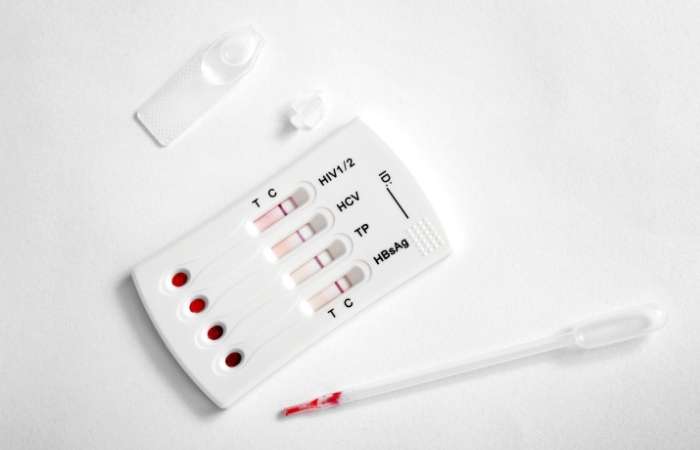
You can test through a doctor, a clinic, or from home. STD Test Kits offers confidential, FDA-approved options for combo STD tests that include rectal swabs and blood drops. They’re shipped discreetly, don’t require appointments, and results come in minutes.
Why Retesting Matters, Even If You Feel Fine
Here’s a harsh truth most people don’t hear until it's too late: testing once isn’t always enough. That first negative might come too early, especially after pegging, toy-sharing, or anal play. Retesting is how you protect both your peace of mind and your partners’ health, without living in fear.
Let’s break it down. If you tested:
- Within the first 7 days: That’s often too early for accurate detection. Retest in 1–2 weeks.
- At 2 weeks: Good timing for chlamydia and gonorrhea. But for HIV, herpes, and syphilis, this is still early. Plan a follow-up test in a month or two.
- After 4–6 weeks: Excellent for most common STDs, especially if you’ve had no new exposures.
We’ve seen users test too soon, get a negative, and then ignore lingering symptoms, until a new partner tests positive and everything comes crashing down. That’s not your fault. But it’s also preventable.
Pro tip: Plan your retest timing like you’d plan a check-up or oil change. Set a reminder on your phone, especially if you’re sexually active with multiple partners or exploring new forms of play.
Your Privacy Is Protected, Here’s How
If the idea of going to a clinic makes your stomach flip, or if you live somewhere where queer, kink, or non-traditional sex is still taboo, you’re not alone. That’s exactly why at-home testing exists, and why it’s becoming the most trusted method for many.
When you order from STD Test Kits, here’s what you can expect:
- Discreet packaging with no medical labels or identifiers
- No prescription needed, no awkward pharmacy pickups
- Results in 15 minutes, in your own space, on your terms
Shipping is fast, and many kits arrive within 1–3 business days depending on your location. Whether you're testing after a wild weekend, a pegging first, or a toy-sharing mistake, you don’t have to explain yourself to anyone.
And your results? They’re yours. No one sees them unless you choose to share. Your privacy, your control, your body.
What If You Test Positive After Pegging?
Before you spiral: take a breath. Most STDs are highly treatable, and you are not dirty, reckless, or broken. Testing positive is not a moral failure. It just means your body came into contact with something, and now you’re taking care of it.
If your result is positive:
- Confirm with a second test if needed. Some results (like faint lines or early syphilis exposure) should be followed up with lab-based testing.
- Contact partners with clarity and compassion. You can use anonymous text services or script out what you want to say. “Hey, just a heads-up, I tested positive for [infection] and you may want to get tested too.”
- Begin treatment. Many STDs can be treated with a single round of antibiotics, or managed with antivirals if chronic (like herpes or HIV).
Case in point: Eva, 32, tested positive for gonorrhea after pegging her partner with a toy she hadn’t cleaned properly. She was embarrassed but took immediate steps, got treated, notified her partner, and bought separate toys for future play. Today, she says it brought them closer because “we got real about our bodies and our safety.”
You Deserve Safety That Honors Your Pleasure
Pegging is powerful. It flips the script on who penetrates, who receives, who controls. It’s bold, liberating, queer, feminist, kinky, beautiful. But it’s not risk-free. And pretending it is does more harm than good.
Knowing the risks doesn’t kill the mood, it deepens it. It means you trust yourself and your partner(s) enough to be real. It means you believe in pleasure that’s smart, informed, and safe.
So if something didn’t feel right last time, or if you’ve never tested after anal or toy-based play, do it now. This combo kit tests for the most common STDs. Results in minutes. No shame. Just answers.
FAQs
- 1. Wait, can you actually get an STD from a strap-on?
- Yes. It surprises a lot of people, but infections like chlamydia, gonorrhea, and even herpes can hang out on a toy’s surface and get passed between partners. Doesn’t matter if it’s silicone, glass, or steel. If it touched one person’s fluids and then another’s body without proper cleaning or a condom in between? That’s a risk.
- 2. Do I really need to use a condom on a toy?
- If you’re sharing it? 100% yes. Even if you’re switching holes with the same partner (like anal to vaginal), use a fresh condom. It’s not about being “paranoid”, it’s about stopping bacteria from taking a joyride between places it shouldn't be.
- 3. How soon after pegging should I get tested?
- Give it about 7 to 14 days for bacterial infections like gonorrhea or chlamydia to show up. For viral infections like HIV or herpes, it might take 3 to 12 weeks to get accurate results. If you test too early, you might get a false negative. Not because you're safe, but because your body hasn't built up enough detectable evidence yet.
- 4. What does an STD feel like after anal sex?
- Sometimes like... nothing. That’s the kicker. But other times, it's itching that won’t go away, a weird discharge, bleeding even though it wasn’t rough, or pain when you poop. And yes, it’s easy to blame these on friction or bad lube, but if they linger, test.
- 5. Herpes without symptoms, can I still pass it on with a toy?
- Yup. That’s called “viral shedding,” and it’s sneaky. Even if you feel totally fine and don’t see any sores, the virus can still live on skin or surfaces and transmit. That’s why consistent barriers and cleaning matter, especially with recurring partners.
- 6. Could I get HIV from pegging or being pegged?
- It’s possible, especially if there’s blood involved or if you’re reusing toys without barriers. The rectum has thin tissue, and tiny tears you don’t feel can still be entry points. Pegging may seem lower-risk than traditional anal sex, but it’s not zero-risk.
- 7. What's the best way to clean toys to kill STD germs?
- Unscented soap and warm water usually do the trick for most toys, but check your toy’s material. Some can be boiled (steel, silicone), others need specialty cleaners (think porous or motorized toys). And always dry completely before storing in a clean space.
- 8. Do I have to tell someone if I test positive?
- Legally? Depends on where you live. Ethically? Yes, especially if they were a partner. It doesn’t have to be a whole confession, just a heads-up so they can test too. Text it, script it, say it with love. It shows you care.
- 9. We're two women who use toys, do we still need to test?
- Yes, babe. Queer doesn’t mean immune. Toy play, oral sex, skin-to-skin contact, all of it can transmit STDs. The queer community deserves better than being left out of the testing conversation. You’re just as worthy of protection and peace of mind.
- 10. I feel fine. Should I still get tested?
- Feeling fine ≠ being clear. The majority of people with STDs have no symptoms at all. Testing isn’t just for when something burns, it’s part of routine care, like brushing your teeth or getting a physical. Especially if you're switching partners, sharing toys, or trying new things.
You Deserve Answers, Not Assumptions
It is a myth that pegging is completely safe just because it "doesn't involve a penis." This myth puts people in danger. Your body deserves more than myths; it deserves facts, care, and understanding. It's not about fear; it's about freedom.
Get results from a discreet combo STD test kit that make you feel strong, not ashamed. No matter if you're new to switching or have done it before, you deserve to have safe, informed fun.
How We Sourced This Article: We combined current guidance from leading medical organizations with peer-reviewed research and lived-experience reporting to make this guide practical, compassionate, and accurate. In total, around fifteen references informed the writing; below, we’ve highlighted some of the most relevant and reader-friendly sources.