Is That a Pimple, Herpes, or a Genital Wart?
Quick Answer: A single genital bump is most often an ingrown hair, especially after shaving. The Moment You Notice It: What Panic Gets Wrong A bump doesn’t automatically equal an STD. Or the condom that slipped.
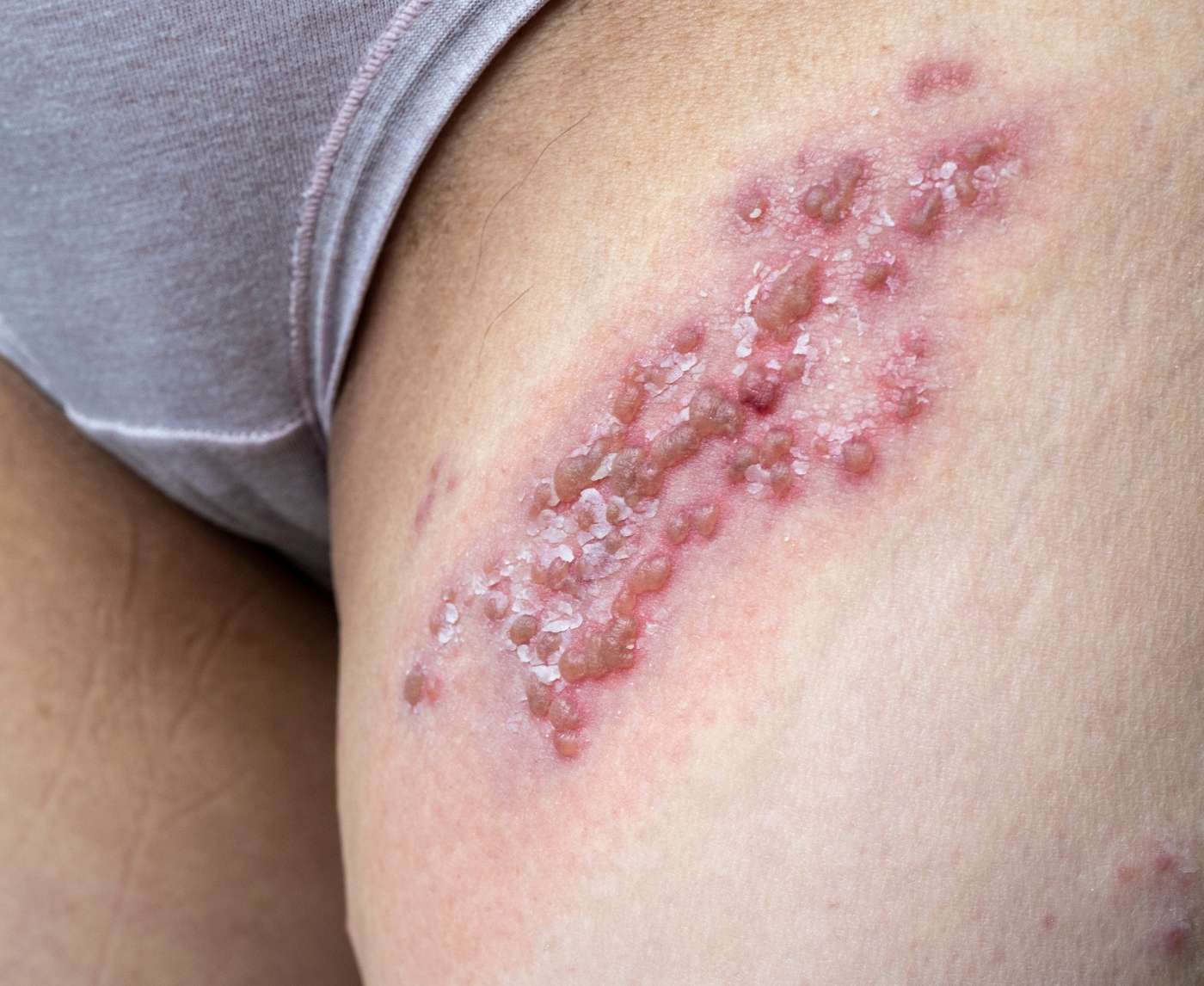
Quick Answer: A single genital bump is most often an ingrown hair, especially after shaving. Herpes usually starts as painful fluid-filled blisters that break into sores, while genital warts are typically painless, flesh-colored growths that may feel rough or cauliflower-like.
The Moment You Notice It: What Panic Gets Wrong
A bump doesn’t automatically equal an STD. Your skin reacts to friction, sweat, tight clothing, razors, hormones, and clogged follicles all the time. The genital area is especially prone to irritation because it’s warm, moist, and often shaved.
But anxiety fills in blanks aggressively. You remember that hookup from two weeks ago. Or the condom that slipped. Or the oral sex that “probably didn’t count.” Suddenly the bump becomes a verdict instead of a symptom.
Let’s slow this down and look at what each possibility actually looks and feels like in real life.
What Early Herpes Actually Feels Like
Herpes, caused by HSV-1 or HSV-2, often begins differently than people expect. Many first outbreaks do not start as a dramatic cluster of sores. Sometimes it begins with tingling, burning, or itching in one spot before anything visible appears.
Imagine this: you wake up and the area feels raw, almost like a rug burn. Later that day, a small fluid-filled blister appears. It’s tender. Within a day or two, it opens into a shallow sore. That progression matters.
Herpes lesions are usually painful, especially during a first outbreak. They often appear in small groups, but yes, sometimes it can start as just one visible sore before others emerge. The key difference is texture and evolution. Herpes tends to blister, rupture, and scab over within 7–14 days.
Another important detail: systemic symptoms. Fever, swollen lymph nodes, body aches, or fatigue sometimes accompany an initial herpes outbreak. Ingrown hairs do not make you feel flu-ish.
How an Ingrown Hair Behaves (And Why It’s So Common)
An ingrown hair forms when a shaved or trimmed hair curls back into the skin instead of growing outward. The body sees it as irritation and sends inflammation to the area. The result? A small red bump that can look uncannily like a pimple.
Picture someone who shaved their pubic area two days ago before a date. The next morning, there’s a tender dot near the bikini line. It’s red. Maybe slightly raised. Sometimes there’s a visible hair trapped inside. That scenario accounts for a huge percentage of “Is this herpes?” searches.
Ingrown hairs are usually solitary. They may feel sore if pressed. Sometimes they form a small whitehead. They don’t cluster. They don’t form clear blisters. And they usually improve within several days to a week.
If you gently stretch the skin and see a dark hair loop under the surface, that’s a strong clue you’re dealing with a follicle issue, not a virus.
How Genital Warts Develop Over Time
Genital warts are caused by certain strains of HPV. They usually don’t hurt. They don’t blister. They don’t ooze. Instead, they appear as soft, flesh-colored or slightly gray bumps that may feel rough or textured.
Think of someone who notices a small raised area that doesn’t sting or burn. Weeks go by. It’s still there. It may grow slightly or develop a cauliflower-like surface. That slow, painless persistence is typical of warts.
Unlike herpes, warts do not ulcerate. Unlike ingrown hairs, they do not resolve within a few days. They often remain stable or gradually multiply if untreated.
Side-by-Side Comparison: What You’re Seeing Matters
| Feature | Ingrown Hair | Herpes | Genital Wart |
|---|---|---|---|
| Typical Number | Usually single | Often multiple, sometimes starts as one | Single or multiple |
| Pain Level | Mild tenderness | Often painful or burning | Usually painless |
| Appearance | Red bump, may have white center or visible hair | Clear fluid blister that becomes open sore | Flesh-colored, rough or cauliflower-like |
| Timeline | Improves in days | Heals in 1–2 weeks | Persists or grows over weeks/months |
| Systemic Symptoms | None | Possible fever or swollen glands | None |
If you’re staring at something that doesn’t blister, doesn’t sting, and hasn’t changed in two weeks, herpes becomes less likely. If it appeared right after shaving and already looks less inflamed by day three, an ingrown hair jumps to the top of the list.
Timing Changes the Interpretation
When did the bump appear relative to sexual contact? That question helps narrow things down.
Herpes symptoms typically show up between two and twelve days after exposure. Warts can take weeks or even months to develop. Ingrown hairs usually appear within a day or two of shaving or friction.
Here’s how timeline plays out in real life. Someone hooks up on Saturday. By Monday morning, there’s a red bump. That rapid onset leans more toward irritation than a viral lesion. On the other hand, if a blister shows up a week later with burning discomfort, herpes testing becomes more reasonable.
| Condition | Time From Trigger to Appearance | What That Means |
|---|---|---|
| Ingrown Hair | 1–3 days after shaving or friction | Skin irritation response |
| Herpes | 2–12 days after exposure | Viral incubation period |
| Genital Wart (HPV) | Weeks to months after exposure | Slow viral skin growth |
Understanding timing can interrupt panic. Your body has patterns. Learning them helps you respond instead of react.
If uncertainty is keeping you up at night, clarity matters more than guessing. Discreet options are available at STD Rapid Test Kits, including at-home kits that can provide fast answers without a waiting room.
For example, if you’re specifically worried about Herpes, an HSV-1 & HSV-2 rapid test kit can help you take the next step privately and quickly.
When It’s Time to Test Instead of Watch
Not every bump requires testing. Sometimes observation is enough. But certain signs shift you from “monitor” to “act.” Painful blisters. Multiple lesions forming over days. Flu-like symptoms. A sore that breaks open and crusts.
There’s also the emotional factor. If the anxiety is spiraling and you can’t stop checking in the mirror, testing can become an act of mental health, not just physical health.
Testing doesn’t mean you did something wrong. It means you’re choosing clarity over guessing. That’s not shameful. That’s responsible.
When Pain Is Loud, And When Silence Is the Clue
Pain changes the story fast. A painful genital bump pulls your attention back to it every time you move, sit, or shower. It demands awareness. That’s one reason Herpes tends to create more immediate panic than an ingrown hair or a genital wart.
A first herpes outbreak often feels disproportionate. The soreness can feel sharp, raw, or burning. Urinating may sting if a lesion is nearby. Walking might irritate it. Some people describe it as “a paper cut that won’t stop reminding you it exists.”
Now contrast that with a wart. Many people discover a wart by accident. It doesn’t hurt. It doesn’t itch much. It just sits there, almost boring in its persistence. That lack of pain is actually one of its defining traits.
An ingrown hair usually falls somewhere in the middle. It can be tender if you press on it. It might ache slightly if your underwear rubs against it. But it does not create the deep, nerve-like sting herpes lesions often produce.
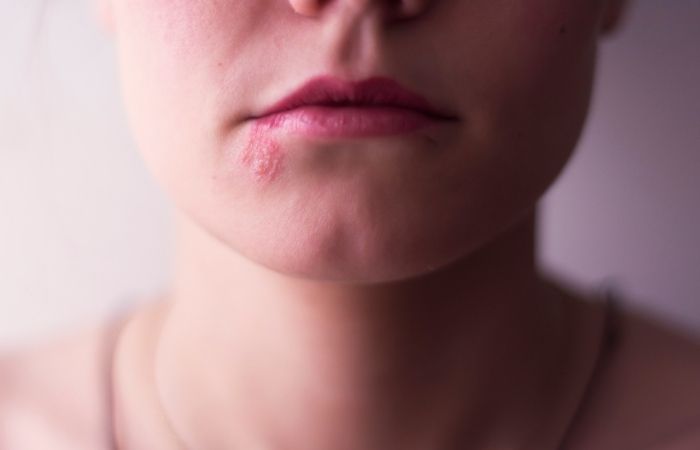
What Herpes Looks Like as It Progresses
The progression pattern is one of the clearest differentiators. Herpes tends to follow a script. It starts with tingling or itching. Then a small clear blister forms. The blister breaks open into a shallow sore. A thin crust forms as it heals. The whole cycle usually lasts about one to two weeks.
Imagine someone noticing a tiny bubble-like bump on day one. By day two it’s more sensitive. By day three it has opened slightly and looks like a small ulcer. That transformation is classic for herpes. A pimple does not usually blister and rupture that way. A wart does not ulcerate at all unless irritated.
Herpes can also cluster. Even if it begins with one visible lesion, additional small blisters sometimes appear nearby over a few days. That spreading cluster pattern is important. Ingrown hairs rarely recruit friends.
| Day Range | Ingrown Hair | Herpes | Genital Wart |
|---|---|---|---|
| Days 1–3 | Red bump, may have visible hair | Tingling then clear blister | Small flesh-colored bump appears slowly |
| Days 4–7 | May form whitehead or begin improving | Blister opens into sore | Usually unchanged |
| Days 8–14 | Often resolved or shrinking | Scabs and heals | Still present, possibly slightly larger |
If you’re watching something transform quickly over days, herpes becomes more likely than a wart. If it barely changes over two weeks, warts move higher on the list.
The Urge to Pop It, And Why That’s a Bad Idea
Let’s talk about the temptation. You see a bump. Your brain says, “If I squeeze it, I’ll know.” That instinct can actually make things worse.
If it’s an ingrown hair, aggressive squeezing can drive bacteria deeper and create a true infection. If it’s herpes, rupturing a blister can increase irritation and potentially spread viral particles to nearby skin. If it’s a wart, squeezing won’t remove it and can cause bleeding or trauma.
One of the most responsible things you can do when unsure is leave it alone. Observe. Note changes. Avoid friction. Give your skin a chance to show you what it’s doing without interference.
When Anxiety Is Louder Than Symptoms
Sometimes the bump is small, mild, and already fading. But your anxiety is massive. That mismatch matters.
Maybe you had unprotected sex recently. Maybe you’re in a new relationship and terrified of “bringing something into it.” Maybe you grew up in a culture where STDs were framed as moral failures instead of medical conditions.
A single genital bump can become a lightning rod for all of that. It stops being about the skin and starts being about fear.
This is where testing becomes empowerment. Not because every bump is dangerous, but because certainty can quiet the mental noise.
If herpes is your main concern, a discreet HSV-1 & HSV-2 rapid test kit can provide answers privately. If you want broader reassurance, a combo panel from STD Rapid Test Kits allows you to check multiple infections at once without stepping into a clinic.
What About Just One Bump? Can Herpes Really Do That?
Yes, herpes can present as a single visible sore, especially early on. But that sore typically behaves like a blister first, not a solid bump. It tends to feel sensitive before you even see it clearly.
If what you’re seeing looks firm, flesh-toned, and textured rather than fluid-filled, herpes becomes less likely. If it feels like a clogged pore and shrinks over several days, ingrown hair remains the leading suspect.
Patterns matter more than snapshots. A photo taken on one day rarely tells the whole story. Seeing how things change over time can often tell you more than seeing them for the first time.
When to Stop Guessing and Get Evaluated
If the bump is extremely painful, spreading, accompanied by fever, or not healing after two weeks, professional evaluation is wise. Testing becomes more important if you see a lot of new lesions forming.
If you are pregnant, immunocompromised, or experiencing severe symptoms, immediate medical care is important rather than at-home monitoring.
But if you’re dealing with a small, improving bump after shaving and no systemic symptoms, observation for several days is often reasonable.
FAQs
- 1. Okay, seriously, can herpes really be just one bump?
- Yes. And this is where people get tripped up. The first visible lesion can absolutely be a single sore. But here’s the nuance: it usually doesn’t behave like a solid pimple. It tends to start as a tender, fluid-filled blister. It may sting before you even see it clearly. And over a few days, it changes, blister, open sore, scab. If what you’re staring at looks firm, dry, and stable for days, that leans away from herpes.
- 2. If it doesn’t hurt at all, does that rule out herpes?
- Not entirely, but pain is common, especially during a first outbreak. Many people describe herpes as sharp, burning, or raw. A completely painless bump that just quietly exists for weeks is more typical of a genital wart or simple skin irritation. Pain isn’t the only clue, but it’s an important one.
- 3. It showed up the day after I had sex. Is that too fast for herpes?
- In most cases, yes. Herpes usually appears between two and twelve days after exposure. If you shaved, had friction, or wore tight clothing and noticed a bump the very next morning, irritation becomes much more likely. Timing is not everything, but it tells a strong story.
- 4. What if I popped it and now it looks worse?
- First, you’re human. Almost everyone has tried to squeeze a mysterious bump at least once. But popping can blur the picture. An ingrown hair can get inflamed. A herpes blister can become more irritated. A wart can bleed. If you’ve already poked it, stop there. Keep the area clean, avoid friction, and observe what happens over the next few days instead of escalating the trauma.
- 5. How long should I wait before deciding it’s not serious?
- Watch the pattern, not just the presence. If the bump is shrinking within three to five days, that strongly favors an ingrown hair. If it evolves into a sore and crusts over within two weeks, herpes becomes more likely. If it sits there, painless and unchanged for weeks, that suggests a wart. The body’s timeline is often more revealing than the first glance.
- 6. Can genital warts really just sit there and not hurt?
- Yes. That’s what makes them confusing. They don’t usually announce themselves with pain. They’re more like quiet little skin growths. Someone might notice one while showering and think, “Has that always been there?” That slow, subtle appearance is classic for HPV-related warts.
- 7. I feel fine otherwise. No fever, no swollen glands. Does that mean it’s not herpes?
- It lowers the odds, especially during a first outbreak. Many initial herpes infections come with body aches, swollen lymph nodes, or fatigue. Not everyone gets those symptoms, but when they’re absent and the bump is mild, irritation becomes more likely.
- 8. What if I can’t stop thinking about it even though it looks small?
- That’s the anxiety talking. And anxiety around sexual health is powerful because it taps into shame, fear, and uncertainty. Sometimes the most responsible move isn’t waiting, it’s testing. Not because you’re guilty. Not because you “should.” But because clarity is better than spiraling.
- 9. Does shaving increase the chance I’ll mistake irritation for an STD?
- Absolutely. Shaving is one of the biggest culprits behind single red bumps in the genital area. Hair removal creates tiny openings in the skin. Add sweat and friction, and suddenly you have inflammation that looks dramatic but isn’t viral.
- 10. If it disappears completely in a few days, am I in the clear?
- In most cases, yes. Herpes lesions typically follow a distinct blister-to-sore-to-scab progression over about one to two weeks. A bump that fades quickly without ulcerating or crusting strongly suggests irritation or an ingrown hair. Your skin resolving itself is a reassuring sign.
You Deserve Clarity, Not Catastrophizing
A single bump is not a verdict on your character. It is a piece of information. That information can sometimes mean that the skin is just irritated. Sometimes it means something viral that can be handled. Either way, the path forward is grounded in facts, not fear.
If you’re tired of refreshing symptom pages and zooming into blurry photos, take control instead of spiraling. Order a discreet test. Observe intelligently. Give yourself permission to respond calmly.
Your results, your privacy, your power.
How We Sourced This Article: This guide combines the most up-to-date clinical information from major sexual health organizations, peer-reviewed dermatology research, and patterns of how patients actually present themselves. We made sure to be clear and correct by focusing on incubation times, lesion shape, and differences in progression, all while being polite.