Is That HPV? What Red Bumps, Warts, and Silent Symptoms Mean
Quick Answer: Yes, Human Papillomavirus (HPV) can cause visible skin changes such as bumps or warts. So a red bump or nothing doesn’t prove, or disprove, HPV. What Is HPV, and How Does It Behave?
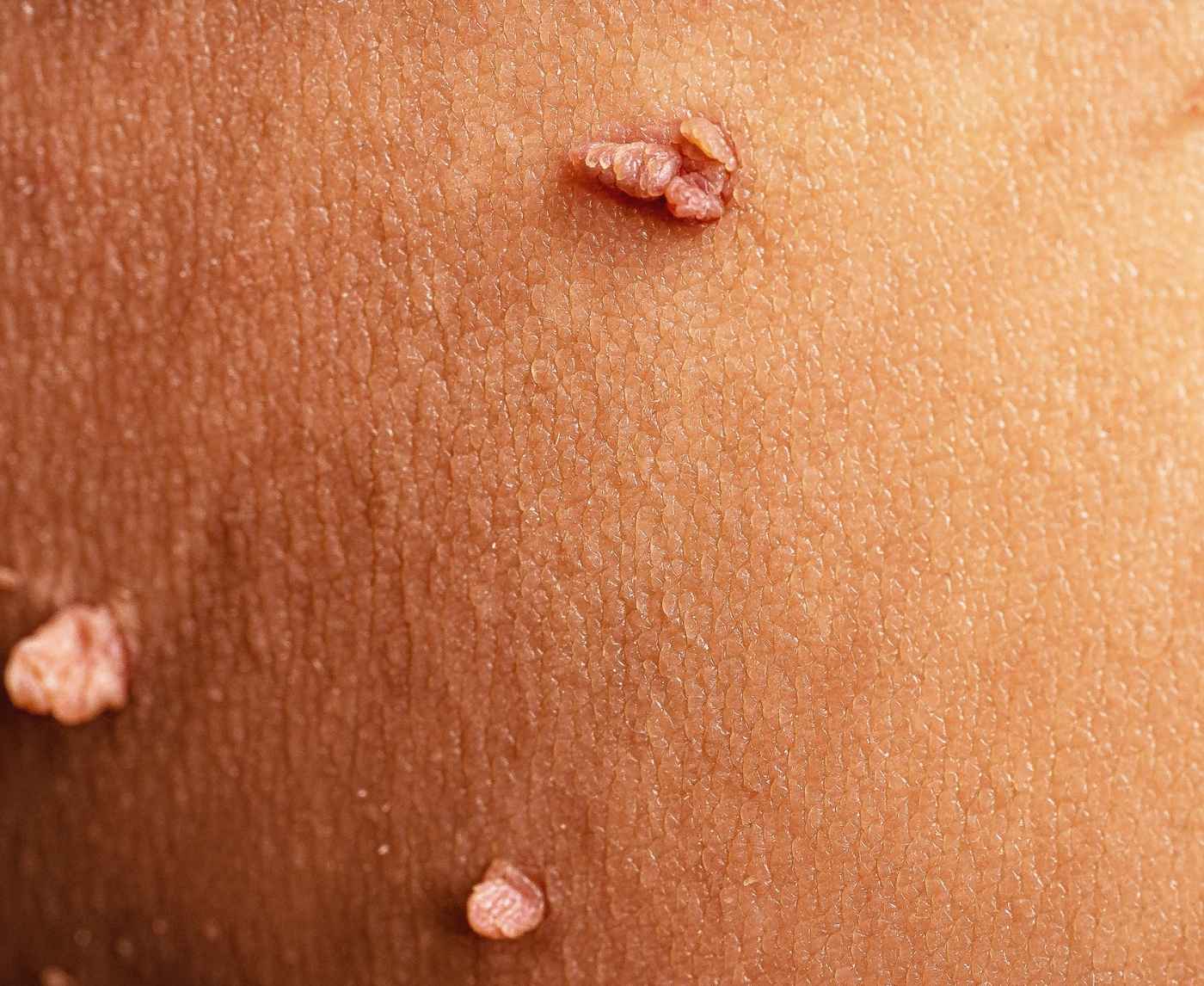
Quick Answer: Yes, Human Papillomavirus (HPV) can cause visible skin changes such as bumps or warts. But it also very often causes nothing visible at all: many people carry HPV silently, without red spots, bumps or warts. So a red bump or nothing doesn’t prove, or disprove, HPV.
What Is HPV, and How Does It Behave?
HPV isn’t one virus, but a whole family of dozens (even over a hundred) different virus strains. In many cases, your immune system clears HPV naturally and you never notice anything at all. But sometimes, depending on the HPV type and where it lands, it can cause visible skin changes: warts, bumps or other lesions.
That also means: just because you don’t see anything doesn’t mean you’re “safe,” and conversely, a bump doesn’t always mean HPV. Skin is complicated, and many things, from friction to shaving irritation, can produce bumps. That ambiguity explains why HPV remains one of the most confusing and common infections globally.
According to the CDC, nearly everyone who has sex will get HPV at some point, and most won’t know it. There’s no cure, but most strains go away on their own. The ones that don’t can either linger without symptoms, or cause warts, lesions, or cellular changes linked to cancer.
When HPV Appears: What Warts and Bumps Look Like
When HPV leads to visible changes, the most common outcome is what we call genital warts (or warts on other skin areas if the virus landed elsewhere). These can vary a lot in appearance, which is part of what makes it tricky to recognize without testing.
In some people, the bumps show up as a small, soft texture change. In others, they may look more like cauliflower clusters or skin tags. Some are pink. Others are flesh-toned. Some are so flat or tiny that they’re mistaken for pores or friction marks.
| Appearance | Description |
|---|---|
| Small, flat or barely raised bumps | Tiny lesions, often skin-toned or pink; might feel like a rough patch |
| Cauliflower-like clusters | Classic presentation of multiple genital warts fused together, often soft |
| Soft “stemmed” outgrowths | Wart protrudes slightly from the skin like a tag or flap |
| Red spots or irritation | Occasionally, HPV lesions can appear reddish or inflamed, especially with friction |
Keep in mind that HPV-related changes can also occur inside the vagina, anus, throat, or cervix, where they can’t be seen at all. These types usually don’t itch, hurt, or bleed. In fact, they tend to stay completely silent until they’re picked up on a routine screening or Pap test.
And still, other times, what looks like a wart may actually be not HPV. Skin tags, molluscum contagiosum, and even herpes can visually mimic HPV. That’s why testing, not guessing, is key.
If you're seeing something but aren't sure what it is, you can order a discreet HPV rapid test kit through STD Rapid Test Kits or speak to a telehealth provider for a closer evaluation.
People are aslo reading: Why So Many Georgia College Students Get STDs
When It’s Not HPV: Why Red Bumps Can Be Misleading
Jade, 25, had just come back from a weekend at the beach when she noticed a red bump on her bikini line. She panicked. “Is this a wart?” she typed into Google at 2:16 a.m., heart racing. What she didn’t realize is that sweat, friction, or even razor burn can mimic the appearance of an STD, especially when anxiety heightens body awareness.
So let’s pause and be blunt: not all red bumps are HPV. In fact, many genital-area bumps come from things that have nothing to do with STDs. Heat rash. Ingrown hairs. Post-wax irritation. Fordyce spots. Even benign cysts. These can look alarming but are not contagious or dangerous. The confusion comes from how similar the bumps can appear, especially without magnification or medical context.
Herpes blisters, for instance, can begin as red bumps before becoming fluid-filled and painful. Molluscum contagiosum, another viral skin condition, can look like tiny waxy bumps with a dimple in the center. And in people with sensitive skin, friction from tight clothing or rough sex can cause small broken capillaries that appear as red dots.
| Condition | Typical Clues |
|---|---|
| Razor burn / ingrown hair | Red, sore bump often with visible hair trapped under skin; occurs after shaving |
| Friction irritation | Appears after sex, sweating, or tight clothing; may feel raw or stinging |
| Herpes (early lesion) | Small painful red bump that may become a blister; often recurs in the same spot |
| Molluscum contagiosum | Tiny dome-shaped bumps with central dimple; less likely to itch or hurt |
| Skin tags or Fordyce spots | Benign, permanent structures of the skin or oil glands; non-infectious |
The key difference? HPV warts tend to grow slowly, don’t hurt, and may cluster, but they don’t erupt like herpes or flare up after a haircut. They’re usually persistent and may feel rubbery or soft to the touch.
HPV With No Symptoms: The Invisible Reality
Here’s the part many people don’t realize: HPV is most dangerous when it’s doing nothing. Around 90% of HPV infections go unnoticed and clear within two years. That doesn’t mean they’re harmless, especially for people with a cervix, where high-risk HPV types can cause cell changes that lead to cancer over time. But the virus often leaves no visible trace until a screening or Pap smear picks it up.
This makes it tricky. You could have sex with someone who seems totally fine, no bumps, no redness, no visible lesions, and still contract HPV. That’s because the virus can live in the skin cells without showing up as a wart. It’s transmitted through skin-to-skin contact, not fluids. Condoms reduce risk but can’t fully prevent it because they don’t cover all skin surfaces.
In men, HPV often remains “subclinical”, it doesn’t show warts or symptoms, but the person can still pass it on. In women, certain strains are more likely to affect the cervix, leading to abnormal Pap results even when the genitals look perfectly normal. This is why testing and Pap smears matter, they catch what the eyes can’t.
If you’ve had unprotected sex or skin-to-skin contact and you’re concerned, even without symptoms, it may be worth testing. Especially if your partner has a known history of HPV, or if you’ve had multiple partners. You can order a rapid at-home HPV test discreetly and see results in minutes.
Red Bumps After Sex: When to Worry (and When to Wait)
Devon, 31, noticed a small red mark near the base of his penis three days after a casual hookup. He panicked, googled images of STDs, and convinced himself it was either HPV or herpes. But by the end of the week, the bump faded without scabbing or spreading. It had been a pressure bump from condom friction, made worse by shaving the night before.
Still, the anxiety didn’t go away until he tested. And that’s often what we see: the fear of “what if” haunts more than the actual infection. That’s where testing becomes more than clinical, it becomes mental relief.
If you notice a bump within 24–72 hours after sex, pause before spiraling. Ask:
- Did you shave recently?
- Was there rough or extended friction?
- Does the bump itch, hurt, or change rapidly?
- Does it feel fluid-filled or blister-like?
These clues don’t give a diagnosis, but they help frame urgency. If the bump lasts longer than two weeks, spreads, or starts looking cauliflower-like, it’s worth testing or showing a provider. For peace of mind, consider discreet home screening. You don’t have to explain yourself in a waiting room, you just get answers.
HPV in Men vs Women: Same Virus, Different Visibility
HPV doesn’t care about gender, it spreads through skin, not identity. But how it appears (or doesn’t) can vary depending on anatomy. That’s part of what makes detection and prevention complicated.
In women and people with a cervix, certain high-risk HPV strains target internal tissue, especially the cervix. This often leads to no visible symptoms until an abnormal Pap smear flags cellular changes. External warts may also show up on the vulva, around the anus, or on the thighs, but they’re less common than invisible infection.
In men and people with penises, the virus often remains silent. When symptoms do appear, they’re typically external, small, painless warts on the shaft, head, scrotum, or near the anus. They may look like tiny skin-colored bumps or soft raised lesions. Since there’s no equivalent to a Pap smear for the penis, men often only know they carry HPV if a partner tests positive or warts become visible.
And yes, HPV can affect the mouth and throat, too. This usually happens through oral sex. These strains (especially HPV-16) have beenlinked to oropharyngeal cancers, though these are still relatively rare. Symptoms can include sore throat, hoarseness, or lumps in the neck, but in many cases, there are no signs at all.

People are aslo reading: Itching Again? When STD Symptoms Keep Coming Back After Treatment
Warts That Come and Go: The Strange Pattern of HPV Flare-Ups
Unlike some STDs that hit hard and then clear up with antibiotics, HPV can behave like a ghost. It might show up as a wart months, even years, after you were exposed. Or it might show up, disappear, and reappear later. This is especially true for strains that cause low-risk genital warts.
Gabriel, 28, was shocked when a tiny wart appeared on the base of his penis more than two years after his last new partner. His doctor explained that the virus can lie dormant, and that stress, immune changes, or skin trauma can “reactivate” visible symptoms. That wart went away after treatment, but the fear stayed. “I thought I was safe,” he said. “Now I’m not sure I’ll ever know when I’m really clear.”
This waxing-and-waning behavior makes it hard to tell when you’re contagious. While most people clear the virus over time, some may carry it silently for years. And because there’s no FDA-approved HPV test for men without symptoms, many simply don’t know.
For people with a cervix, routine screening is the best defense. Pap smears and HPV co-testing can detect high-risk strains before they cause harm. For others, the best strategy is observation, protection, and occasional home screening, especially if a new bump shows up or a partner has been diagnosed.
Testing for HPV: Options, Accuracy, and Peace of Mind
So here’s the big question: Should you test, and how? The answer depends on your body, your history, and your symptoms (or lack thereof).
For people with a cervix, the gold standard remains regular Pap smears with HPV co-testing starting at age 25–30. These tests detect precancerous changes and tell you whether high-risk strains are present. For those without access to a clinic or who want to avoid a pelvic exam, self-collection HPV swabs are becoming more common, and several at-home tests now exist.
For others, especially men or people without symptoms, testing gets more complex. The FDA has not approved a general-use HPV test for men. However, at-home kits that test skin tissue (such as from visible warts or penile swabs) are available and can detect viral presence. These are most helpful if you’ve had a recent exposure or a visible change in skin texture.
Here’s a look at testing options based on body type and situation:
| Body Type | Recommended Test | Best For |
|---|---|---|
| With cervix (symptom-free) | Pap smear + HPV co-test (clinic or mail-in) | Routine screening for high-risk HPV |
| With cervix (visible wart) | Visual exam + optional swab | Confirming wart type or ruling out other STIs |
| Penis, scrotum, or anus (visible bump) | HPV rapid test via swab or biopsy | Evaluating warts or persistent skin changes |
| Oral or throat (sore or concern) | ENT exam + biopsy or HPV DNA test | Oropharyngeal symptoms or partner exposure |
If you’re dealing with the unknown right now, a bump, a partner’s diagnosis, or lingering doubt, testing can bring clarity. It’s not always perfect, but it’s better than spinning in fear. And the best part? You don’t have to sit in a waiting room or explain your sex life to a stranger.
Order a discreet HPV or combo STD test kit here. Results come fast, instructions are clear, and your privacy is respected.
FAQs
- 1. Can HPV really cause red bumps, or is that something else?
- It can, but red bumps aren’t HPV’s signature move. Genital warts caused by HPV are usually skin-colored or slightly pink, not bright red, not angry-looking. If you’re seeing a red spot after shaving or sex, it could just be friction, an ingrown hair, or even a clogged follicle. But if it sticks around longer than two weeks or starts multiplying? Time to test.
- 2. I don’t see anything, but I had unprotected sex. Could I still have HPV?
- Yep. Unfortunately, most people with HPV don’t have any symptoms, no bumps, no warts, not even a rash. It can live quietly in your skin and still be passed to someone else. That’s why it’s often called “the invisible STD.” If you’ve had skin-to-skin contact, especially without condoms, it’s smart to check in with a test.
- 3. What do HPV warts actually feel like?
- Weirdly…nothing. They’re usually painless, don’t itch, and don’t ooze or crust. Most people describe them as soft, fleshy bumps, kind of like tiny skin tags or texture changes you might not notice unless you’re looking closely. Some grow alone, some show up in clusters. And some vanish before you even spot them.
- 4. How fast can HPV show up after exposure?
- HPV doesn’t move on a schedule. Warts can appear weeks, months, or even *years* after you got exposed, or not show up at all. So if a bump appears, don’t assume it’s from your most recent hookup. That’s why blame games around HPV rarely help, it’s confusing, not linear.
- 5. Is it herpes or HPV? Because Google is scaring me.
- Totally fair. Both can cause bumps “down there,” but they behave differently. Herpes usually starts as painful blisters that burst and crust over. HPV warts are painless and don’t pop. Herpes likes drama (burning, tingling, symptoms you feel), while HPV is often silent and sneaky. But since even doctors misidentify them sometimes, a test is the only way to be sure.
- 6. If I had warts years ago and they’re gone, am I still contagious?
- Maybe, and maybe not. HPV can go dormant. That means your immune system has things under control, but the virus might still be hanging out in your skin. Most people stop being contagious after their body clears it (usually within 2 years), but there’s no simple “you’re done” test. That said, if you haven’t had symptoms in ages, the risk is probably low.
- 7. Can men even get tested for HPV?
- Not easily, and that’s frustrating. There’s no FDA-approved HPV screening test for men who don’t have symptoms. If there’s a visible bump, a provider might swab or biopsy it. Otherwise, most men find out only if a partner tests positive or if they spot something unusual themselves. That’s why at-home test kits can be helpful, even just for peace of mind.
- 8. Do condoms prevent HPV?
- They help, but they’re not a force field. HPV spreads through skin-to-skin contact, and condoms don’t cover everything (think: base of penis, labia, thighs). They reduce the risk, especially for high-risk HPV types, but don’t eliminate it. Using them is still better than not using them, especially with new or multiple partners.
- 9. Can I get HPV from oral sex?
- Yes, it’s possible. Certain HPV strains can live in the throat or mouth, especially HPV-16, which is linked to some oral cancers. That said, most oral HPV infections clear on their own without causing issues. If you’ve had a sore throat that won’t quit or lumps in your neck, get checked, but don’t panic. It’s rare, but worth knowing.
- 10. Is it worth testing if I don’t have any symptoms?
- Honestly? Yes, especially if you’re sexually active, had unprotected contact, or just want peace of mind. Testing for HPV isn't just about symptoms. It’s about protecting your future self and your partners. Knowing your status puts the power back in your hands, even if what you’re dealing with is invisible.
You Deserve Answers, Not Assumptions
Whether you're staring at a red bump or dealing with invisible doubts, know this: you're not alone, and you're not dirty or broken. HPV is common, confusing, and often invisible. But you don’t have to sit in the dark or spiral on search engines. With modern testing and accurate info, you can figure out what’s going on, treat what needs treating, and move forward informed.
Don’t wait and wonder, get the clarity you deserve. This at-home combo test kit checks for the most common STDs discreetly and quickly.
How We Sourced This Article: We combined current guidance from leading medical organizations with peer-reviewed research and lived-experience reporting to make this guide practical, compassionate, and accurate.
- Mayo Clinic – HPV Infection
- Healthline – HPV Without Warts
- About Genital HPV Infection – CDC
- HPV infection: Symptoms & causes – Mayo Clinic
- Anogenital Warts – Human Papillomavirus (HPV) Infection (CDC)
- HPV (Human Papillomavirus) – Cleveland Clinic
- Genital warts – Symptoms and causes – Mayo Clinic
- Genital Warts – StatPearls / NCBI Bookshelf
- HPV (Human Papillomavirus) – NFID
- Common warts – Symptoms and causes – Mayo Clinic