Mouth Sores, White Patches, or Nothing? What Oral HPV Really Looks Like
Quick Answer: Oral HPV can appear as painless white patches, raised bumps, or warts on the tongue, tonsils, or throat, or it may show no symptoms at all. A bump. A sore. A weird coating on the tongue. Is it contagious?
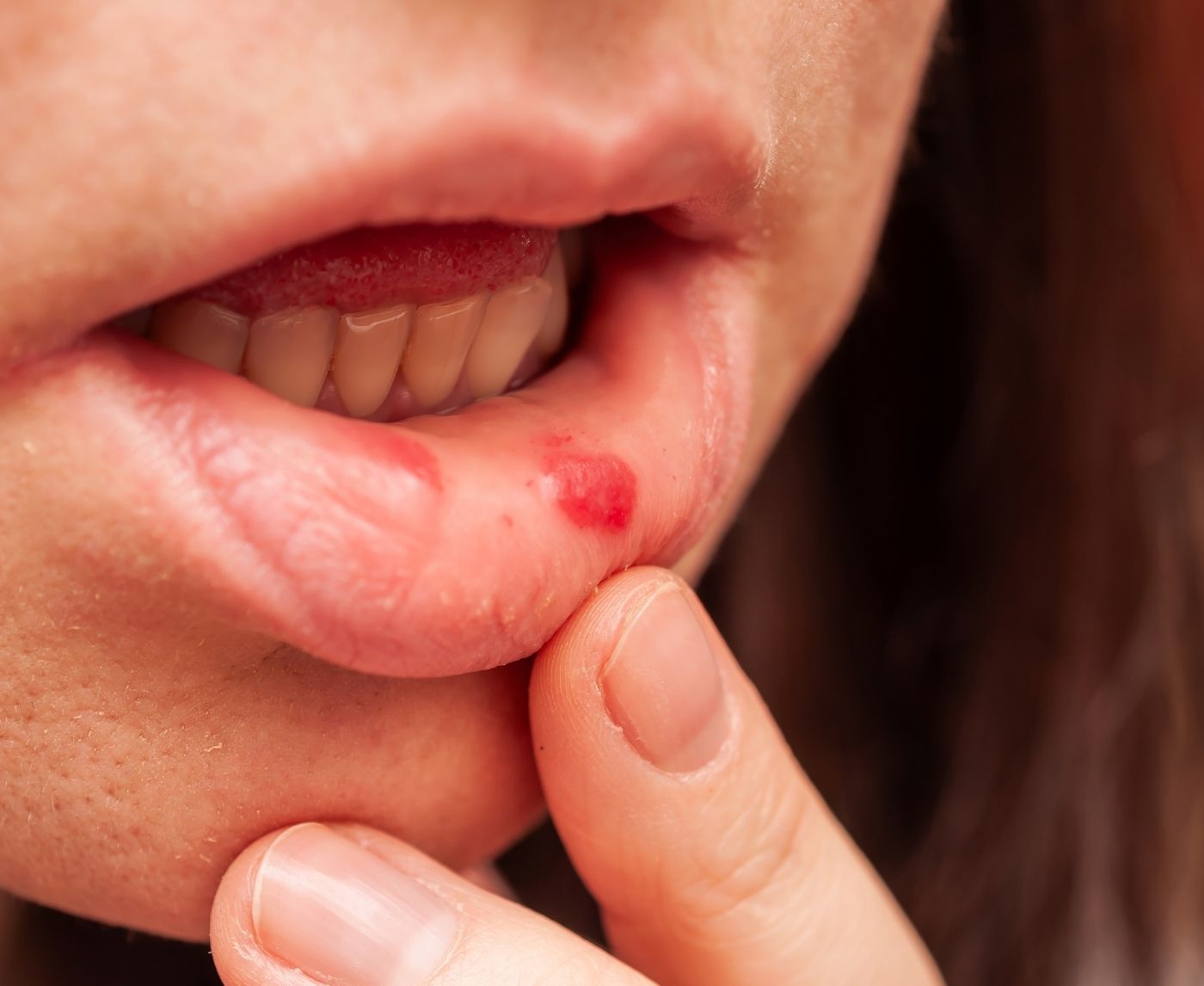
Quick Answer: Oral HPV can appear as painless white patches, raised bumps, or warts on the tongue, tonsils, or throat, or it may show no symptoms at all. If you notice persistent changes in your mouth, testing is the only way to know for sure.
Why This Matters: You Can’t Rely on Symptoms Alone
There’s a quiet panic that comes with seeing something unfamiliar in your mouth. A bump. A sore. A weird coating on the tongue. The mind races: Is it cancer? Is it contagious? Did I get this from oral sex? But here’s the truth, most people with oral HPV have no idea they’re carrying it. Unlike more visible STDs like genital herpes or syphilis, oral HPV tends to be subtle, if not completely silent.
For some, like Keira, a 28-year-old who works in hospitality, the first sign came during a dental cleaning. Her hygienist noticed a small, wart-like growth under her tongue and asked if she’d been tested for HPV. Keira hadn’t even known that was something she could get in her mouth. “I thought HPV was just a ‘down-there’ thing,” she said. “No one ever talked about it affecting your throat.”
The emotional fallout of that moment, shame, confusion, and a desperate Google spiral, is all too common. But recognizing how oral HPV works is the first step toward protecting yourself and your partners. It’s also how we break down the stigma that keeps people silent.
What Oral HPV Actually Looks Like (When It’s Visible)
Contrary to what you might expect, oral HPV doesn’t always show up as dramatic sores or painful blisters. In fact, the majority of strains that affect the mouth are low-risk and don’t cause noticeable symptoms. But when they do, here’s what tends to show up in clinical observations and patient reports:
| Possible Symptom | Where It Appears | How It Feels | HPV-Specific? |
|---|---|---|---|
| Flat white patches (leukoplakia-like) | Tongue, inner cheek, tonsils | Painless | Sometimes (requires testing) |
| Small raised bumps or warts | Back of tongue, throat, uvula | Usually painless | Often linked to HPV |
| Persistent sore throat or hoarseness | Throat, vocal cords | Annoying but mild | Could be HPV-related |
| Tongue swelling or pain | Top or side of tongue | Mild to moderate discomfort | Not always HPV |
| No symptoms at all | , | , | Common for HPV |
Table 1: Visible and invisible signs of oral HPV. Note that symptoms may overlap with other mouth conditions, testing is essential for confirmation.
It’s worth repeating: these signs are not diagnostic on their own. A cold sore, for example, is caused by herpes simplex virus, not HPV. A white patch could be irritation from dental work or smoking. That’s why assuming, or dismissing, a symptom based on appearance alone can be dangerous.
If you’ve noticed a new growth, patch, or irritation that lasts more than two weeks, or changes in your voice or swallowing, that’s your cue to check in with a provider or explore at-home STD testing options that include oral HPV detection.
People are aslo reading: Why Delaware’s STD Rates Keep Rising, And What You Can Actually Do About It
Case Study: "I Thought It Was a Burn From Pizza"
Lena, a 33-year-old graphic designer, remembered the moment she noticed a sore on the roof of her mouth. “I thought it was just something I burned eating hot food,” she said. “But after a few weeks, it was still there. It didn’t hurt much, just felt… off.”
She tried saltwater rinses, switched toothpastes, and even stopped drinking her usual morning coffee. Nothing helped. Finally, she visited an ENT specialist who took a swab and sent it for HPV typing. The results? Positive for HPV-16, a high-risk strain associated with oropharyngeal cancers.
Lena’s story isn’t meant to scare you, it’s to show that even vague, mild symptoms deserve attention. And for people with cervixes or penises, this is especially important. HPV doesn’t discriminate by gender. But most of the public awareness still focuses on genital HPV, leaving oral symptoms overlooked and underreported.
Thankfully, not all oral HPV cases lead to complications. In fact, most low-risk HPV strains clear on their own. But that doesn’t mean we should ignore them, especially when early detection could prevent something more serious down the line.
Wondering whether what you’re seeing in your mouth could be something serious? Don’t leave it up to chance. You can order a discreet oral HPV test here, no waiting rooms, no judgment, just clarity.
How Oral HPV Spreads (Even Without Oral Sex)
If you’re trying to figure out how you might have gotten oral HPV, know this: it’s more common, and easier to contract, than most people realize. Oral HPV is spread through skin-to-skin contact, which means anything from oral sex and deep kissing to sharing items like toothbrushes or smoking devices could potentially expose you. The most common route is still oral-genital contact, but it’s not the only one.
Take Dante, 22, who was shocked to test positive after never having had penetrative sex. “I’ve only ever hooked up a couple of times, some kissing, some oral, but I thought that wasn’t really risky.” He’s not alone. Many people assume that HPV only affects those who’ve had a lot of sexual partners. But studies show that even a single encounter can transmit the virus, especially if it involves unprotected oral contact.
The virus can also live in the mouth or throat for months, or even years, before showing any sign. This makes it hard to pinpoint when you were exposed or who you may have passed it to. It also means that someone can unknowingly carry and transmit HPV to partners even if they feel perfectly healthy.
If you're feeling anxious reading this, you're not alone. But anxiety doesn't equal diagnosis, and knowledge is power. If you're wondering whether your symptoms or sexual history put you at risk, it might be time to consider testing. Peace of mind can start with one simple swab.
STD Rapid Test Kits lets you get tested quickly, privately, and without having to go to a clinic.
How Long Oral HPV Lasts, and Why Timing Matters
After diagnosis, one of the first questions people ask is: how long will this last? Unfortunately, there’s no universal answer. The average immune system can clear most oral HPV infections in one to two years. But some strains, like HPV-16 and HPV-18, which are more dangerous, can last a lot longer. Over time, they can slowly raise the risk of throatcancers.
That’s where timing becomes essential. Whether you’re watching a sore, waiting for a test, or wondering if you need a follow-up, knowing the natural course of HPV can keep you from spiraling into unnecessary fear or false reassurance.
Let's look at it step by step with a timeline:
| Stage | What’s Happening | Timeframe | Testing Relevance |
|---|---|---|---|
| Exposure | Skin-to-skin or oral contact introduces HPV virus | Immediate | Too early to detect |
| Incubation | HPV begins replicating in mouth or throat cells | 2 to 12 weeks | Some tests may detect after 2–4 weeks |
| Symptom Onset (if any) | Warts, white patches, or throat changes may appear | Weeks to months post-exposure | Ideal time to test if symptoms appear |
| Clearing (in most cases) | Immune system fights off the virus naturally | 6 to 24 months | Repeat testing may show clearance |
| Persistence (some cases) | High-risk strains remain active without symptoms | 12+ months | Ongoing monitoring advised |
Table 2: Typical oral HPV timeline and what it means for detection and testing.
Remember that HPV doesn't always cause disease, even when it stays around. The vast majority of people who carry HPV, even high-risk types, never develop cancer. But that’s exactly why ongoing awareness, regular check-ins, and honest sexual health conversations are so powerful. You’re not powerless. You’re informed.
Testing for Oral HPV: What Works (and What Doesn’t)
You can’t diagnose HPV in the mouth just by looking. Even doctors rely on specific tools and swabs to confirm what might be causing a throat lesion or persistent irritation. That's why it's important to know what tests are available to you if you have symptoms or are worried but don't have any.
At this time, there are no FDA-approved oral HPV screening tests that anyone can use. But clinical labs and specialty providers do offer oral HPV DNA testing, especially for people who are at high risk. Most of the time, these tests use a throat rinse or an oral swab to get samples from the back of the throat, the tongue, and the tonsils. Depending on where you live and what the rules are, at-home kits may offer similar features.
And yes, some rapid tests can help screen for HPV types in oral specimens. These don’t diagnose cancer, but they can flag high-risk strains that deserve follow-up. If you see a kit claiming instant cancer results, that’s a red flag. Stick with vendors who explain what their test can, and can’t, do.
Jeremy, a 40-year-old who’s been living with HIV for a decade, was surprised to learn that oral HPV testing wasn’t part of his usual checkups. “I assumed my doctor was testing for everything,” he said. “But unless you specifically ask, you might not get screened.”
For immunocompromised individuals, smokers, or those with frequent oral sex exposure, talking to a provider, or opting for a trusted at-home test, can be a smart step toward clarity.
Can Oral HPV Become Cancer? Here’s What the Research Says
There’s a reason why HPV gets so much attention in cancer prevention campaigns. While most HPV infections go away, certain high-risk strains, especially HPV-16, have been strongly linked to oropharyngeal cancers, which affect the throat, tonsils, and base of the tongue.
According to the CDC, oral HPV causes roughly 70% of oropharyngeal cancers in the U.S. And men are disproportionately affected, especially those over age 40. But not everything is bad. Treatment works well for early-stage cancers caused by HPV. And as people become more aware, it is becoming easier to find things earlier.
Still, the pathway from infection to cancer is usually long and not guaranteed. That’s why knowing your status, watching for changes, and maintaining regular health checks, especially with ENT specialists or dentists, can make a real difference.
For many, getting the HPV vaccine is another tool in prevention. The Gardasil 9 vaccine protects against the most dangerous HPV strains and is now approved for people up to age 45. Even if you’ve already had some exposure, vaccination can help protect against future infections and reinfections.
If you’re reading this and feeling behind, you’re not. It’s never too late to take charge of your health. Whether that means scheduling a screening, getting vaccinated, or simply learning more, you’re doing the right thing.
Still not sure if what you're feeling is worth testing for? Trust your gut. This at-home combo test kit covers multiple STDs discreetly and gives you answers in minutes, not weeks.
“I Didn’t Know I Could Give It to Someone”: The Partner Problem
Cam, a 36-year-old musician, hadn’t heard of oral HPV until his partner of two months tested positive during a routine cervical screening. “She told me the doctor said it could’ve come from oral sex,” he recalled. “I was floored. I felt guilty but also confused, was I supposed to know I had it?”
This is where oral HPV creates emotional landmines. Because symptoms are so subtle, or nonexistent, people can carry the virus without ever knowing. That makes disclosure difficult. After all, how do you tell someone you might have something you’ve never tested positive for? And if you’re in a committed relationship, how do you even begin that conversation?
Experts recommend approaching it from a place of shared care, not blame. HPV is incredibly common, so common, in fact, that almost everyone will encounter it at some point. What matters is that you’re willing to talk about it. That’s what Cam did. “I told her I didn’t know, but I cared enough to figure it out. That seemed to matter more than the diagnosis.”
If you're navigating disclosure or trying to support a partner through an oral HPV diagnosis, keep it grounded in facts. You don’t need to have all the answers, just compassion and a willingness to learn together.

People are aslo reading: Paid Sex, Real Panic: Do I Need to Get Tested?
Prevention, Protection, and Moving Forward
The best defense against oral HPV is a layered one. No method is perfect, but you can significantly reduce your risk through a few key strategies: vaccination, barrier use, and regular check-ins with your body.
The HPV vaccine is your front line. Originally recommended only for adolescents, it’s now approved for adults up to age 45. If you missed the window in your teens, it’s not too late. The CDC notes that the vaccine covers multiple high-risk strains, including the ones most linked to oral cancers.
Next comes barrier protection. Dental dams and condoms aren’t just for penetrative sex. Used during oral sex, they can reduce HPV transmission, especially if one partner has visible warts or recent exposure. While they’re not foolproof, because HPV can spread via surrounding skin, they’re better than nothing, and can be combined with other forms of risk reduction.
And finally, listen to your body. If your throat feels scratchy for weeks, if a white patch won’t budge, or if swallowing suddenly feels uncomfortable, don’t gaslight yourself. Your symptoms matter, even if they don’t scream “emergency.”
Need help figuring out your next step? You don’t have to guess. STD Rapid Test Kits offers tools like the Risk Calculator and symptom checkers to guide you, confidentially and judgment-free.
What to Do If You Test Positive
If your test result comes back positive for oral HPV, take a breath. The first 24 hours might feel like a blur of questions and “what now?” spirals. That’s completely normal. But here’s the thing, most oral HPV infections don’t require immediate medical intervention. There’s no pill or ointment to make it vanish overnight, but there is a roadmap forward.
Start by confirming the result. If you took a test at home, talk to a doctor or nurse to see if you need more tests, especially if the test showed a high-risk strain. If you have lesions that can be seen or symptoms in your throat, you may be sent to an ENT (ear, nose, and throat specialist) or an oral surgeon for more tests.
For many, monitoring is the primary approach. Your provider may suggest periodic exams or follow-up testing. For others, especially those with compromised immune systems, more proactive surveillance might be recommended. Either way, the emphasis is on support, not punishment.
Emotionally, you may feel tempted to withdraw or blame yourself. But remember: HPV is a virus, not a moral failing. You didn’t do anything “wrong” by getting it, and you’re not dirty, reckless, or irresponsible. You’re human.
If you're navigating this alone, don’t. There are clinics, telehealth services, and online support groups that focus on teaching people about HPV and how to care for it. This oral HPV test kit comes with instructions on what to do next based on your result, so you don't have to worry about where to start.
FAQs
- 1. Can I really get HPV in my mouth just from kissing?
- Yeah, it happens. Deep, open-mouth kissing, especially with tongue, can spread oral HPV even if neither person has visible symptoms. It’s not super common compared to oral sex transmission, but if you’ve had a makeout-heavy hookup (or a few), it’s absolutely possible. That doesn’t mean kissing is dangerous, just that viruses don’t always play by our rules.
- 2. There’s a white patch on my tongue. Should I be worried?
- Not necessarily. White patches in the mouth can come from dozens of things, biting your cheek, acidic foods, allergies, even stress. But if it sticks around for more than two weeks, doesn’t brush off, or you start to notice more popping up? That’s when it’s smart to get checked for things like HPV, thrush, or precancerous changes. You’re not overreacting, you’re just paying attention.
- 3. Do people with oral HPV always know they have it?
- Honestly? Most have no clue. Oral HPV doesn’t usually cause pain, and lots of people never get visible symptoms. That’s part of what makes it so common, someone can carry it for years without knowing and pass it on during oral sex or even just kissing. This is why testing (when available) matters, even if everything seems “normal.”
- 4. Will I have oral HPV forever?
- Probably not. Most of the time, your immune system will clear the virus on its own within 6 to 24 months. Think of it like catching a cold you didn’t know you had. That said, some high-risk strains can stick around longer, so if you test positive, staying on top of any symptoms or changes is key. No need to panic, just don’t ghost your own health.
- 5. Is oral HPV a guy problem?
- No, but men do tend to have higher rates, especially cisgender men who have sex with women and engage in frequent oral sex. The reasons are still being studied, but hormone differences and immune response may play a role. That said, anyone with a mouth can get oral HPV. It’s not gendered, it’s viral.
- 6. Can oral HPV turn into cancer overnight?
- No, and thank goodness. HPV-related cancers (especially throat or tonsil cancers) develop over years, not days or weeks. That means there’s time to catch changes early, especially if you're keeping an eye on symptoms like persistent throat pain, hoarseness, or trouble swallowing. Early doesn't mean immediate. You have time, and options.
- 7. Should I tell my partner if I test positive for oral HPV?
- Ideally, yes, but do it with compassion and context. HPV is incredibly common, and disclosure isn’t about blame, it’s about care. Try something like, “This came up on my test, I wanted you to know so you can decide what’s best for you too.” Most people appreciate the honesty more than you might expect.
- 8. Do condoms or dental dams actually help prevent oral HPV?
- They help, but they’re not perfect. HPV can spread from skin that isn’t covered by a barrier, but using protection during oral sex does reduce your risk. Pair that with vaccination and regular check-ins with your body, and you’ve got a solid defense line going.
- 9. Can I get tested for oral HPV at home?
- In some places, yes. There are at-home test kits that screen for oral HPV using a throat rinse or swab. They're not always widely available, and not all are FDA-approved for oral use, but they’re becoming more accessible. Just make sure you’re using a reputable provider, not some sketchy mystery kit from a random online ad.
- 10. I tested positive. Now what?
- Breathe. A positive test doesn’t mean cancer, and it doesn’t mean you’ve done anything wrong. Most oral HPV clears on its own. Your next move is either monitoring with your provider or just staying aware of your symptoms. You’re not dirty. You’re informed, and that’s powerful.
You Deserve Answers, Not Assumptions
Oral HPV doesn't always scream for attention. Sometimes it whispers, through a lingering patch, a subtle sore, or no sign at all. And that's why this conversation matters. Whether you're staring into your bathroom mirror wondering if that bump means something, or scrolling late at night after a partner disclosed a diagnosis, you deserve clarity, not shame.
Your body is not a mystery to be feared, it's a signal to be listened to. And testing doesn’t mean something is wrong. It means you care enough to know. If you’re ready to stop wondering, this at-home combo test kit can give you discreet, doctor-trusted answers without stepping into a clinic.
How We Sourced This Article: We combined current guidance from leading medical organizations with peer-reviewed research and lived-experience reporting to make this guide practical, compassionate, and accurate.
- CDC – HPV Vaccination: What Everyone Should Know
- HPV and Oropharyngeal Cancer — CDC
- HPV infection: Symptoms & causes — Mayo Clinic
- Throat cancer: Symptoms & causes — Mayo Clinic
- HPV and Oral Cancer Facts — CDC
- HPV‑Related Papillary Lesions of the Oral Mucosa: A Review — NCBI PMC
- Oropharyngeal HPV Infection — Cleveland Clinic
- Oral human papillomavirus infection — MedlinePlus
- Mouth cancer: Symptoms & causes — Mayo Clinic