STD or Skin Problem? How to Spot Herpes, Syphilis, and HPV on Your Face
Quick Answer: STD symptoms on the face can mimic acne but tend to crust, ulcerate, or cluster in unusual ways. If a bump persists, changes rapidly, or follows oral sex exposure, get tested. And it’s not always painful.
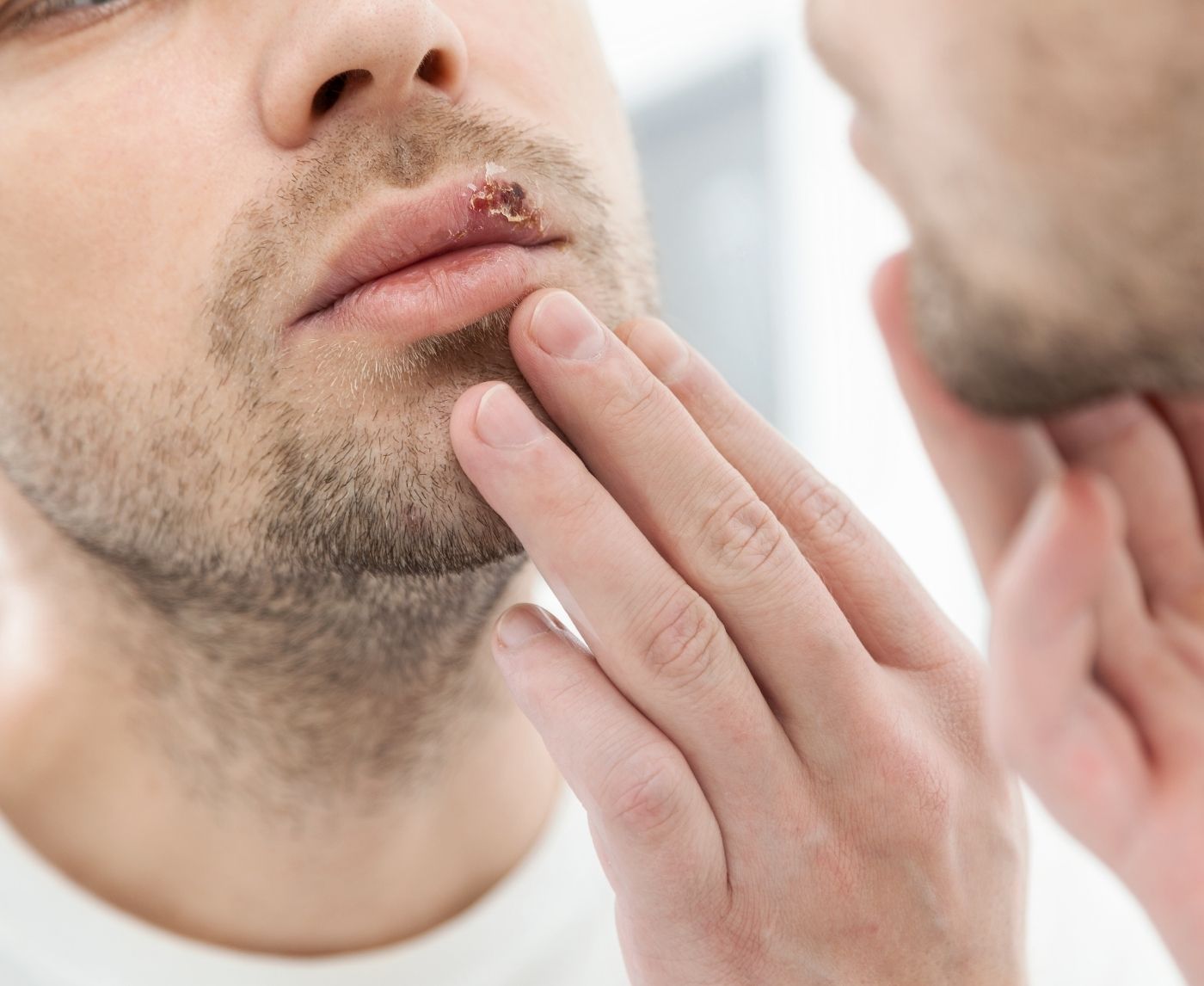
Quick Answer: STD symptoms on the face can mimic acne but tend to crust, ulcerate, or cluster in unusual ways. Herpes often causes fluid-filled blisters, syphilis may appear as a single painless sore, and HPV can cause wart-like growths. If a bump persists, changes rapidly, or follows oral sex exposure, get tested.
Why You Might Think It’s Just Acne (But It’s Not)
Here’s the hard truth: most people don’t associate STDs with their face. We’re trained to look for symptoms “down there”, not above the neck. But facial STDs are more common than you think, especially after unprotected oral sex.
Herpes simplex virus (HSV-1 and HSV-2) is the main culprit behind cold sores, but it doesn’t always stay on the lips. Chin, jawline, and even nostril outbreaks are possible, especially during early infection or reactivation. And it’s not always painful. In early stages, a herpes lesion can look just like a clogged pore or angry red pimple.
Syphilis, while less common, can cause a single firm sore on the face. These lesions, called chancres, are usually painless and may appear on the lip, corner of the mouth, or even the nose if exposed during sex. They’re often confused with ingrown hairs or dry skin, until they stick around for weeks.
And then there’s HPV, human papillomavirus. Certain strains can lead to flat, wart-like growths on the face, chin, or neck. These aren’t always raised or itchy. Many people ignore them as skin tags or odd moles.
Confused? You’re not alone. One Reddit user posted,
“I had what I thought was a shaving nick near my lip. Two weeks later, my doctor said it was herpes. I’ve never felt so dumb, but how was I supposed to know?”
That mix of panic and shame is exactly what we’re here to unpack, with facts, not fear.
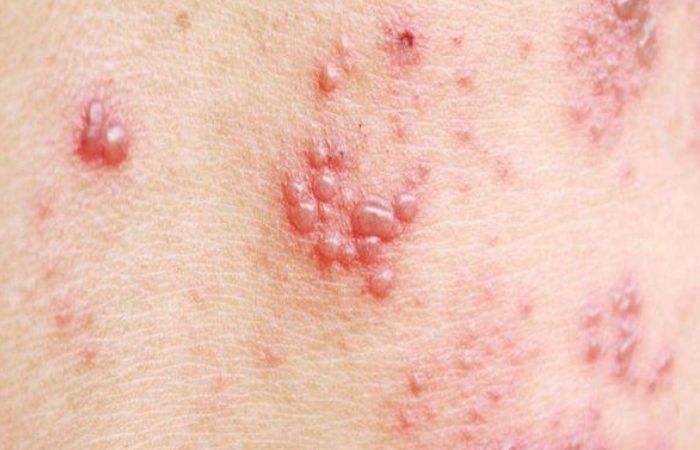
Herpes on the Face: Not Just Cold Sores
When most people think of herpes on the face, they imagine a classic cold sore on the lip. But HSV outbreaks can appear anywhere in the oral-facial region, especially after initial exposure.
Common locations include:
| Area | Possible Herpes Symptoms | STD Confusion Risk |
|---|---|---|
| Lip border (vermillion) | Blister, crust, burning or tingling | Often mistaken for a cold sore or dry skin |
| Chin and jawline | Small clustered pustules, may ooze | Commonly misread as acne or razor burn |
| Nose or nasal opening | Itchy or painful bump, internal scab | Misdiagnosed as pimple or sinus bump |
| Cheeks or mouth corners | Ulcerated lesion, cracked skin, tingling | Confused with eczema or fungal rash |
Table 1. Common facial locations where herpes can mimic acne or skin conditions.
Herpes lesions tend to follow a cycle: tingling → blister → open sore → crusting → healing. If you notice a recurring bump that follows this pattern, especially after stress, illness, or sun exposure, it’s worth testing. Herpes doesn’t always “look bad,” especially in early stages. You may only notice a dry patch or redness that seems to return in the same spot.
Facial herpes can be diagnosed with a swab test or a blood test for HSV-1 or HSV-2 antibodies. The best option depends on timing: swabs work only if there’s an active lesion, while blood tests show past or current infection.
If you’re unsure whether it’s acne or herpes, an at-home herpes test may help you rule things out discreetly. This herpes rapid test kit screens for both HSV-1 and HSV-2 using a fingerstick sample.
Syphilis on the Face: The Sneaky Sore That Doesn’t Hurt
Syphilis isn’t the first STD people think of when they spot a weird bump near their mouth, but it should be. The earliest sign of primary syphilis is a single, painless sore called a chancre. These can show up on any part of the body that had sexual contact, including the lips, chin, or tongue after oral sex.
What makes syphilis so misleading? The sore is usually:
| Feature | Typical Appearance | Why It's Misread |
|---|---|---|
| Color | Red, pinkish, or flesh-toned | Blends into skin tone |
| Texture | Firm, round, non-painful | Feels like a pimple but doesn't pop |
| Location | Lips, corners of mouth, nose, chin | Looks like a shaving nick or dry spot |
| Duration | 3–6 weeks without treatment | Outlasts most pimples or cold sores |
Table 2. How syphilis chancres differ from acne or herpes lesions on the face.
Unlike herpes, a syphilis sore doesn’t blister. It’s more like a crater or ulcer that doesn’t hurt. And because it heals on its own, many people never realize what it was, until weeks later when a secondary rash appears on their body, or they test positive on a routine panel.
“I had a bump on my lip that didn’t go away for almost a month,” said Derek, 31, who contracted syphilis from oral sex. “It didn’t hurt, so I ignored it. When I finally tested, I had already entered stage two.”
The good news? Syphilis is curable with antibiotics, usually a single injection of benzathine penicillin G. But early detection matters, especially to prevent long-term complications like neurosyphilis or transmission to others.
If you notice a stubborn sore that won’t heal, don’t wait. You can test for syphilis at home with this blood test kit or see a clinician for a confirmatory treponemal and non-treponemal blood panel.
HPV Warts on the Face: Subtle, Stubborn, and Often Ignored
When we talk about HPV, most people think of genital warts or abnormal Pap tests. But certain strains of the human papillomavirus can cause facial warts, especially if there was skin-to-skin contact during oral sex or shaving over an infected area.
Facial HPV warts are not like herpes blisters or syphilis chancres. They tend to be:
- Flesh-toned or slightly darker
- Flat or slightly raised
- Smooth or cauliflower-like in texture
- Painless, slow-growing, and stubborn
HPV-related facial warts often appear along the jawline, cheeks, or neck. They may look like skin tags, moles, or just weird rough patches. Many people ignore them for months, or try to remove them at home, without realizing they’re viral.
“I had one on my chin for almost a year,” said Asha, 27. “I thought it was just a mole. When I finally asked my derm about it, she said it was HPV-related and probably from oral sex in college.”
There’s no test for HPV on the face, but dermatologists can usually diagnose it visually or through a biopsy if needed. Treatment options include cryotherapy (freezing), topical treatments, or surgical removal, but recurrence is common. Some people also benefit from the Gardasil vaccine, which protects against high-risk and wart-causing strains.
If you’re seeing persistent or unusual growths on your face and have a history of skin-to-skin contact during sex, talk to a provider. These warts aren’t dangerous in most cases, but they are contagious, and some strains carry cancer risk.
How to Know If It’s Acne or Something More
So how do you actually tell the difference between a facial STD symptom and a bad breakout? Acne usually follows patterns, forehead, nose, cheeks, jawline, and responds to skincare changes. STD-related bumps often defy those rules.
Here’s a quick guide to watch for red flags:
- Location: STD lesions may appear in spots acne rarely hits, inside the nose, mouth corners, or lips.
- Timing: If it shows up 2–10 days after oral sex, it’s worth noting.
- Appearance: Clustering (herpes), painless ulcers (syphilis), or wart-like growths (HPV) are signs to test.
- Recurrence: Same spot keeps flaring? It may be viral, not hormonal.
- Healing: STDs often take longer to go away, and don’t respond to typical acne treatments.
If you're unsure, the smartest move is to test. This combo STD test kit screens for multiple infections, including herpes and syphilis, with one discreet kit.
Testing at Home vs Going to a Clinic: What’s Best for Facial STD Symptoms?
If you're staring at a suspicious bump near your lip or chin, the pressure to "figure it out fast" can be overwhelming. But the right test, at the right time, can spare you weeks of guessing, Googling, and unnecessary shame.
Here’s how to think through your testing options based on what you’re seeing, what you’ve done sexually, and what you need emotionally:
| Testing Option | Best When | Limitations |
|---|---|---|
| At-home herpes blood test | No active sore, past exposure suspected | May not detect recent infection |
| At-home syphilis rapid test | Suspicious sore present or high-risk exposure | Accuracy increases 3+ weeks post-infection |
| Clinic-based lesion swab | Blister or ulcer is fresh and visible | Must time visit before sore heals |
| Dermatologist wart exam | Painless bump or skin tag isn’t going away | No home test for facial HPV |
Table 3. When to choose each type of test depending on symptom location and timing.
If you’re early in a symptom cycle, or have no active sore, an at-home blood test may be the fastest way to get clarity. Herpes test kits detect antibodies, while syphilis kits check for treponemal markers.
If your face has a fresh lesion (like an ulcer, open blister, or odd crust), try to get it swabbed ASAP. Timing is critical, once the sore heals, swab accuracy drops.
And if what you’re seeing looks more like a slow-growing bump or wart, a dermatologist or primary care doctor can visually assess it. You can also take a photo to a telehealth service if in-person care isn’t an option.
“It Wasn’t Acne, But I Ignored It for Weeks”
Micah, 24, didn’t think much of the bump on his upper lip. He’d recently hooked up with someone new, and figured it was an ingrown hair. “It wasn’t gross or painful, just there,” he said. But after a second sore showed up under his nostril, he started to panic.
A quick search told him it might be herpes. “That’s when the spiral hit,” he said. “I convinced myself I’d never date again.” But after testing positive for HSV-1, he realized how common it was. “My doctor told me over 50% of adults carry it. I felt less alone instantly.”
Micah now uses a home test kit every six months to stay informed. “It gives me control. I don’t feel like I’m waiting for the next disaster, I’m tracking my health like I track anything else.”
STD symptoms on the face are often missed because they’re not painful or “gross enough.” But being subtle doesn’t make them safe to ignore. Whether it’s a blister, sore, or wart, you deserve to know what you’re dealing with, and how to treat it.
Let’s Talk Prevention: Protecting Your Face (and Partners)
Here’s the reality: oral sex transmits STDs, even when it feels “safer.” Herpes, syphilis, and HPV all spread through skin-to-skin or mucosal contact, which means lips, tongue, and face are fair game.
To reduce risk:
- Use barriers: Condoms and dental dams lower transmission risk.
- Talk testing: Ask partners about last test dates, symptoms, or known infections.
- Watch symptoms: New bumps after oral contact should be monitored.
- Vaccinate: The HPV vaccine is approved for adults through age 45.
- Retest after exposure: Especially if symptoms persist or partners test positive.
If you’re in a situationship, open relationship, or just exploring, you’re not being reckless by protecting yourself. You’re being responsible. Testing facial symptoms isn’t vain, it’s wise.
Need a way to check multiple infections at once? Try the Combo STD Home Test Kit, it checks for the most common infections, with results in minutes.
FAQs
- 1. Is it possible to contract an STD on your face through oral sex?
- Yes. Herpes, syphilis, and HPV are infections that can be spread through oral sex. These infections can cause sores, blisters, or warts on the lips, chin, nose, and mouth. People often mistake these symptoms for acne or irritation, but they need to be tested for STDs.
- 2. How does herpes on the face look?
- There may be one or more fluid-filled blisters on the face that break, crust, and heal over the course of several days. People often think they are cold sores or pimples. Herpes can show up on the lips, chin, jawline, or even inside the nose.
- 3. How can I tell if it's an STD or a pimple?
- Pimples usually follow a set pattern: they start as whiteheads, pop, and then heal. STD lesions can last longer, come back in the same place, or crust and ulcerate. Get tested if the bump comes after sex or has strange symptoms.
- 4. Can syphilis make sores appear near the mouth?
- Yes. A single, firm, painless sore (chancre) is often the first sign of primary syphilis. It can show up on the lips, inside the mouth, or on the chin if you have oral sex. It can last for weeks and is often missed or misdiagnosed.
- 5. Do HPV warts show up on the face?
- Yes, they can. Some types of HPV can give you warts on your face, especially if you touch your mouth and genitals. These can look like skin tags or flat growths, and they usually grow slowly. You can't test for HPV at home on your face, but a dermatologist can.
- 6. How long after being exposed do STD symptoms show up?
- Symptoms of herpes can show up anywhere from two to twelve days after infection. Three weeks after contact, syphilis chancres show up. It can take weeks or even months for HPV warts to show up. Any unexplained bump on your face after oral sex should be checked out, no matter when it happens.
- 7. Is it okay to put acne cream on an STD sore?
- Don't do it. Acne treatments like salicylic acid or benzoyl peroxide can make STD lesions worse and slow down healing. If you're not sure, don't treat the bump until you've been tested or seen a doctor.
- 8. Can you test for facial herpes at home?
- Yes. You can buy herpes test kits that you can use at home that look for antibodies for HSV-1 and HSV-2. They take a sample from a fingerstick and give you results in minutes. You have to go to a provider to get a swab test, and you have to do it while the sore is still there.
- 9. If my bump on my face goes away, should I still test?
- Yes. Some STD symptoms, like herpes or syphilis, go away on their own but stay in the body. Testing is important to make sure you don't have an infection, keep your partners safe, and stop complications or infections from coming back.
- 10. Do STDs leave scars on the face?
- Yes, they can. Picking at or treating lesions the wrong way can leave scars. Herpes can cause temporary changes in color, and untreated syphilis sores can cause permanent pitting or changes in pigmentation if not treated right away.
You Deserve Answers, Not Assumptions
When a bump shows up on your face, the last thing you want to think about is an STD. But the truth is, your face is just as vulnerable as any other part of your body after oral contact. That doesn’t make you dirty. It makes you human, and worth clarity, care, and compassion.
If you’re worried, the best thing you can do is test. At-home options exist for herpes, syphilis, and other common infections, and they’re fast, discreet, and doctor-trusted.
Don’t wait and wonder, get the clarity you deserve. This at-home combo test kit checks for the most common STDs discreetly and quickly.
How We Sourced This Article: We combined current guidance from leading medical organizations with peer-reviewed research and lived-experience reporting to make this guide practical, compassionate, and accurate. In total, around fifteen references informed the writing; below, we’ve highlighted some of the most relevant and reader-friendly sources.
- Herpes Simplex Virus (HSV) Fact Sheet – WHO (HSV causes painful blisters and ulcers that can appear on the face/mouth)
- About Genital HPV Infection – CDC (HPV can cause warts and lesions on skin and mucous membranes)
- Sexually Transmitted Diseases and Your Mouth – MouthHealthy (ADA) (herpes and HPV oral lesions)
- Syphilis Clinical Presentation – NIH (secondary syphilis causes mucocutaneous lesions including facial/skin manifestations)
- Syphilis Images – CDC (photographs showing syphilis lesions including mucosal and skin lesions)
- Herpes Simplex Virus (HSV) Fact Sheet – WHO (HSV causes painful blisters and ulcers that can appear on the face/mouth)