STD or Something Worse What Donovanosis Actually Does
Quick Answer: Donovanosis is a rare bacterial STD that causes destructive skin ulcers, often mistaken for herpes or cancer. But this isn’t cancer. It’s a curable STD. Donovanosis isn’t common in the U.S.
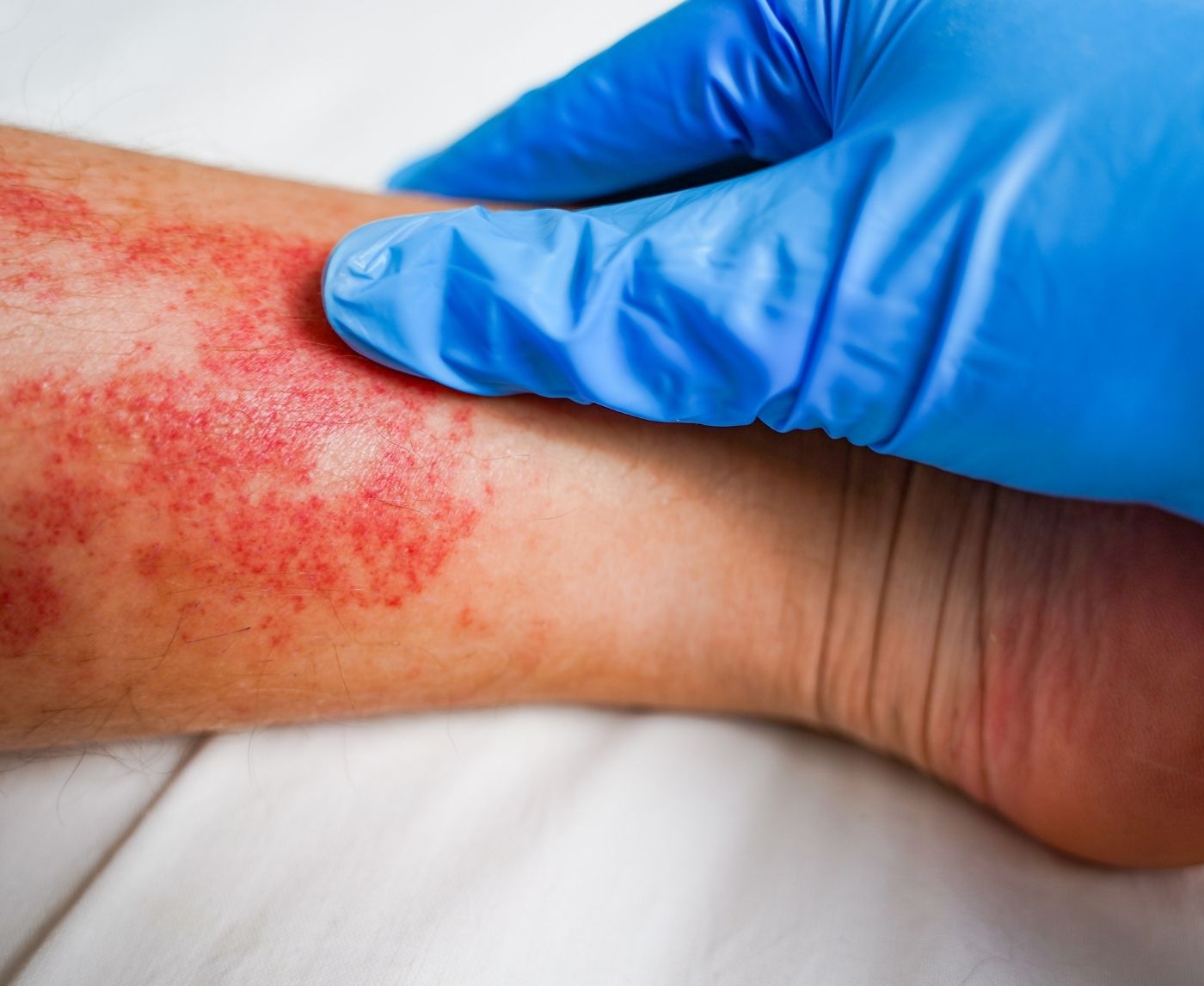
Quick Answer: Donovanosis is a rare bacterial STD that causes destructive skin ulcers, often mistaken for herpes or cancer. It spreads through skin-to-skin contact during sex and can be cured with antibiotics if caught early.
This Isn’t Just a Sore, And Here’s Why It Matters
Most people never hear the word Donovanosis until they’re terrified. They’ve tried to self-diagnose a genital sore that keeps spreading or won’t respond to herpes meds. The panic usually sets in when symptoms get worse, or when a doctor suggests a biopsy “just in case.” But this isn’t cancer. It’s a curable STD.
Donovanosis isn’t common in the U.S., but global travel, immigration, and under-reporting make it more widespread than most assume. Cases have appeared everywhere from Texas to Australia, and many go misdiagnosed for months. If you're reading this, you’re likely trying to figure out if that sore is normal, or something you need to act on fast. This guide is for you. It's also for anyone who’s been dismissed by a doctor, worried they might have something rare, or afraid to even look at the affected area.
We’ll walk through what Donovanosis actually is, how it spreads, what it looks like (early and late), and how to get diagnosed and treated safely and discreetly.
What the Hell Is Donovanosis?
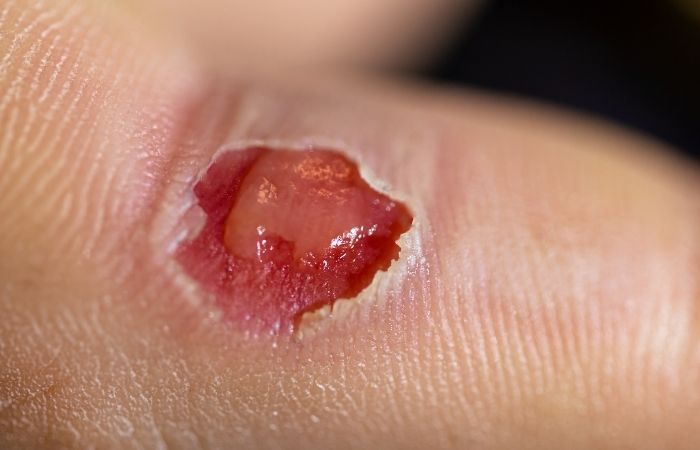
Donovanosis, also called granuloma inguinale, is a sexually transmitted bacterial infection caused by Klebsiella granulomatis. Unlike herpes, which causes painful blisters, or syphilis, which often starts with a painless chancre, Donovanosis invades the tissue itself. The ulcers it creates are red, beefy, and bleed easily. Over time, these lesions can grow large and destructive, slowly eroding skin and surrounding areas. They often appear on the genitals, groin, or perianal region.
In severe or untreated cases, the infection can cause extensive disfigurement. Yet despite this, Donovanosis usually begins painlessly. That’s part of what makes it so dangerous: people ignore it until it becomes visually alarming, or until it's misdiagnosed as something worse, like cancer or necrotizing fasciitis (flesh-eating disease).
Transmission happens primarily through vaginal or anal sex involving skin-to-skin contact with an infected lesion. Oral transmission is less common, but not impossible. Condoms reduce the risk but may not fully prevent it if ulcers are outside the covered area.
Early Symptoms vs. Advanced Donovanosis
Donovanosis doesn’t follow the standard playbook of STDs. There’s no itching, no burning urination, no discharge. Instead, the infection begins as a small nodule or pimple-like bump. That bump breaks down into a slowly growing ulcer, which is usually painless in the beginning. Over time, it deepens, bleeds easily when touched, and develops a red, moist, “beefy” appearance with rolled edges. The surrounding skin may look inflamed, and multiple ulcers can merge if untreated.
Here’s a visual breakdown of how Donovanosis typically presents in different stages:
| Stage | What You Might See | Sensation | Common Confusions |
|---|---|---|---|
| Initial Stage | Small red bump or papule | Painless or mildly tender | Ingrown hair, friction sore |
| Ulcerative Stage | Beefy red open sore with bleeding edges | Still usually painless | Herpes, syphilis, skin cancer |
| Advanced Spread | Multiple large ulcers, tissue destruction, possible odor | Painful or tender if secondary infection sets in | Cancer, necrotizing fasciitis |
Figure 1. Symptom progression of Donovanosis, from bump to destructive ulcer.
“I Thought It Was Just Razor Burn”
Lana, 27, noticed a red spot near her bikini line after a camping weekend hookup. She assumed it was friction from her leggings or a razor nick. But over the next two weeks, the spot turned into a small ulcer. It didn’t hurt, so she didn’t think much of it. By week four, the sore had doubled in size and started to bleed when she washed. A clinic nurse swabbed it for herpes, negative. They considered syphilis, also negative.
“I googled ‘STD that causes holes in skin’ and that’s the first time I saw the word Donovanosis. I’d never heard of it. It looked exactly like what I had.”
Lana was eventually diagnosed after a biopsy showed Donovan bodies, bacteria inside white blood cells. She was treated with oral antibiotics for three weeks. The sore fully healed in six.
Why Donovanosis Gets Missed So Often
There’s a reason Donovanosis is called “the forgotten STD.” It’s not on most doctors’ radar unless they’ve worked in specific regions, like Papua New Guinea, India, South Africa, or Brazil, where it’s more common. In high-income countries like the U.S., cases are rare and often confused with more familiar infections like herpes or syphilis, or even mistaken for cancerous growths.
Standard STD panels don’t check for Donovanosis. There’s no urine or blood test that can catch it easily. Instead, diagnosis typically requires a tissue swab or biopsy, stained and examined under a microscope. The key clue? Intracellular bacteria called “Donovan bodies” that show up inside immune cells.
It’s not that doctors don’t care, it’s that they don’t expect to see it. In regions with low prevalence, many clinicians might go their entire careers without diagnosing a single case. That’s why self-advocacy matters. If you’ve had unprotected sex, especially with someone from or in a tropical region, and have a non-healing genital ulcer, bring up the possibility of Donovanosis, even if your provider doesn’t mention it first.
How Donovanosis Is Diagnosed
There’s no rapid test or commercial lab screening for Donovanosis the way there is for chlamydia or HIV. Diagnosis relies on a microscopic evaluation of a tissue smear or biopsy from the ulcer. A Giemsa or Wright’s stain is typically used to visualize Klebsiella granulomatis inside white blood cells, these are the so-called “Donovan bodies.”
Here’s how diagnosis usually plays out:
| Step | Purpose | What It Shows | Timeframe |
|---|---|---|---|
| Visual exam | Initial suspicion | Beefy, bleeding ulceration | Immediate |
| Tissue swab or biopsy | Sample collection | Cellular material for staining | 1–3 days |
| Microscopy (Giemsa/Wright stain) | Identify Donovan bodies | Confirms Klebsiella granulomatis | Within 24 hours |
Figure 2. Common diagnostic pathway for Donovanosis.
In certain instances, diagnosis may be presumptive, predicated on clinical presentation and the exclusion of other sexually transmitted infections such as herpes, syphilis, or chancroid. However, a positive microscopy result showing Donovan bodies is still the gold standard.
Treatment: Yes, It’s Curable
Donovanosis is a bacterial infection that can be completely cured if it is caught early and treated correctly. This is different from viral infections like herpes or HPV. A course of oral azithromycin is the usual first-line treatment. In more serious or resistant cases, other antibiotics like doxycycline, erythromycin, or ciprofloxacin may be needed. Treatment usually lasts three weeks or until all of the lesions are completely healed.
Here's a simple list of treatment options:
| Medication | Typical Dosage | Duration | Notes |
|---|---|---|---|
| Azithromycin | 1g once weekly OR 500mg daily | At least 3 weeks | Preferred first-line |
| Doxycycline | 100mg twice daily | Minimum 21 days | Alternative for those allergic to azithro |
| Ciprofloxacin | 750mg twice daily | 3+ weeks | Used in refractory cases |
In advanced cases with significant tissue damage, surgical intervention (such as debridement or skin grafting) may be needed. But if caught early, oral antibiotics alone are highly effective.
Can You Test for Donovanosis at Home?
No, in short. There is no FDA-approved home test for Donovanosis right now, unlike home tests for common STDs like chlamydia or HIV. To make a diagnosis, you need to look at the affected tissue directly under a microscope. But if you think you have an unusual sore, a quick test kit for more common STDs can help rule out herpes or syphilis and make your case for more testing stronger.
Peace of mind is one test away. If your symptoms don’t match common STDs, or if everything keeps coming back negative, it’s still worth testing for everything else. STD Test Kits offers discreet, doctor-trusted options you can do from home.
Why People Wait Too Long
Most people who delay treatment for Donovanosis don’t do it out of carelessness. They do it because they’re ashamed, afraid, or convinced it’s something less serious. Some are scared of being judged. Others think a sore “must be from shaving.” And far too many are misdiagnosed with a fungal infection or given antivirals for herpes that don’t work.
Jamal, 32, shared anonymously through a support forum that he waited six weeks before seeking help. By then, the ulcer on his inner thigh was the size of a quarter. It bled constantly. A clinic in Miami finally sent him for biopsy, and that’s when they discovered it wasn’t herpes. It was Klebsiella granulomatis.
“I’d never even heard of it. I felt embarrassed just saying the name. But once I knew, I could treat it. The worst part was not knowing.”
No one should suffer in silence just because a name sounds scary or unfamiliar. Donovanosis isn’t your fault. It’s rare, it’s real, and it’s absolutely treatable.
Who’s at Risk, and Why It Still Happens
For decades, Donovanosis was labeled a “tropical STD,” mostly found in parts of Papua New Guinea, India, and Brazil. But that label has become dangerously misleading. In today’s world of global mobility, what was once “rare abroad” is now showing up in unexpected places, from rural Australia to urban clinics in the U.S.
Outbreaks have been documented in coastal Florida, northern Australia, and South Africa in the past 15 years. Climate change, migration, travel, and healthcare gaps mean you don’t have to visit a jungle to be exposed. One case report even identified local transmission in Louisiana, where a woman was initially diagnosed with skin cancer before further testing revealed it was Donovanosis.
Risk factors include:
- Unprotected sex (especially in areas where the infection is endemic)
- Multiple partners or transactional sex
- Untreated open wounds in genital or groin areas
- Travel to or contact with people from endemic regions
But here's what really matters: You can get Donovanosis without ever leaving your city. And it has nothing to do with “cleanliness,” lifestyle, or shame. This is a bacterial infection, not a punishment. It can happen to anyone with skin, and sex, involved.
What to Do If You Test Positive (Or Suspect It)
If you've been told you might have Donovanosis, or your symptoms line up but your herpes/syphilis tests are negative, here’s what to do next:
- Seek confirmatory diagnosis: This usually means a tissue biopsy or swab from the ulcer. If your provider doesn’t mention Donovanosis, ask directly.
- Start antibiotic treatment: Azithromycin or doxycycline are the first-line therapies. Treatment is typically oral and lasts 3+ weeks.
- Don’t stop meds early: Finish the full course, even if the sore starts healing. Incomplete treatment risks recurrence and antibiotic resistance.
- Tell your partner(s): The bacteria spreads through skin contact, so anyone you’ve had sexual contact with should be told and monitored.
Partner notification can be terrifying, especially with an unfamiliar or dramatic-sounding name like Donovanosis. But consider this: honesty saves tissue. A simple text or message could prevent someone else from experiencing the same pain, or worse.
Use a confidential, stigma-free approach. You can say: "I’ve been diagnosed with a rare bacterial STI called Donovanosis. It’s treatable with antibiotics, but you might want to get checked just in case."
How Long Until It Heals?
Most ulcers start to get smaller within 7 to 10 days if they are treated correctly. Depending on how bad the injury is and when treatment started, it can take anywhere from three to six weeks for it to heal completely. The sooner you start, the less likely it is that you'll need surgery or long-term care for scars.
If ulcers are deep or widespread, your provider may recommend wound care, topical antibiotics, or even minor surgery to assist with healing. For most, though, oral antibiotics do the job, without hospitalization.
Retesting is usually unnecessary if symptoms resolve completely, but in cases where healing is slow or new lesions appear, a follow-up exam is important. Immunosuppressed patients (such as those with HIV) may require longer treatment.
And yes, after full recovery, sex is safe again. Just make sure your partner has also been evaluated and cleared.
Let’s Talk About Scars (And Shame)
Donovanosis can leave physical scars, but for many, the deeper wounds are emotional. The name itself sounds scary. The pictures are worse. And the fact that most people haven’t heard of it only adds to the isolation.
Raul, 39, was diagnosed in Cape Town after a business trip. The infection had already destroyed a section of skin near his scrotum. “I didn’t want to take my pants off around anyone again,” he said. “I thought no one would want me after this.”
“The nurse told me, ‘It’s just bacteria. It doesn’t define you.’ That sentence stuck with me.”
We say it too: Donovanosis doesn’t define you. You’re not gross. You’re not dirty. You got a rare bacterial infection, and you treated it. That’s it. You’re still whole. Still desirable. Still you.
If you’re struggling with body image or trauma around the experience, consider therapy, support forums, or even speaking with a sexual health counselor. Healing goes beyond the physical.
FAQs
- 1. Can you actually get Donovanosis in the U.S.?
- Yep, you can. While it's rare, Donovanosis isn’t stuck in faraway tropics. It’s shown up in Florida, Louisiana, and a handful of other places, usually tied to global travel, but sometimes without any obvious link. So yes, it’s possible. No, you're not making it up.
- 2. Is Donovanosis just another kind of herpes?
- Not even close. Herpes is viral and usually painful. Donovanosis is bacterial and, weirdly, often painless. The ulcers it causes are deeper, redder, and don’t blister like herpes. If your “herpes meds” aren’t working, this could be why.
- 3. What does a Donovanosis sore look like, really?
- Think raw, red, and beefy, yes, medical texts actually say that. These ulcers bleed easily, often have raised or rolled edges, and don’t scab over like a pimple or blister. They tend to grow slowly but aggressively. If your sore looks angrier than it feels, pay attention.
- 4. Does it go away on its own?
- Nope. This isn’t something that clears up like a razor bump or minor yeast infection. Without antibiotics, the bacteria keeps digging into the tissue and can lead to permanent scarring, or worse. Waiting it out is not the move.
- 5. How do you even test for this?
- Unlike chlamydia or HIV, there’s no pee-in-a-cup or cheek swab. Doctors usually take a tissue sample from the sore and look for something called “Donovan bodies” under a microscope. Sounds intense, but it's pretty straightforward when you know what to look for.
- 6. Can I just get an at-home test for Donovanosis?
- Unfortunately, no. There’s no at-home test for this specific infection yet. But if you're not sure what's going on, testing for the more common STDs first is smart. Ruling out herpes, syphilis, and chlamydia can help narrow things down. And if everything’s negative, it gives you more reason to push for deeper answers.
- 7. Is it contagious even when I feel fine?
- Yes, especially if there’s an open ulcer, even a small one. Skin-to-skin contact during sex is all it takes. Condoms help, but they can’t protect areas they don’t cover. That said, you’re not a danger to anyone if you get treated.
- 8. Can I get it from oral sex?
- It’s less common, but yeah, it’s possible. If there’s a lesion present and skin touches skin, transmission can happen. There are even documented cases of Donovanosis affecting the mouth or throat, though they're super rare. If you're wondering, get checked.
- 9. Will it leave a scar?
- Maybe. The earlier you treat it, the better your skin bounces back. But deep or untreated ulcers can leave marks or even require minor surgery. If that feels scary, know this: scars don’t define your worth, and neither does this infection.
- 10. Is it deadly?
- Not in the traditional sense. It won’t shut down your organs or put you in the ICU. But it can disfigure you if ignored, and that’s a big deal. The real danger comes from delayed treatment and misdiagnosis, not the infection itself. Catch it early, and you’re golden.
You Deserve Answers, Not Assumptions
You deserve to know what's going on without feeling ashamed, whether you're looking at a sore that won't go away or getting a diagnosis you didn't know about. Donovanosis sounds scary, but it's just a bacterial infection and not a death sentence. It can be completely cured with the right care. You are not your symptoms. And you're not by yourself.
Don’t wait and wonder, get the clarity you deserve. This at-home combo test kit checks for the most common STDs discreetly and quickly.
How We Sourced This Article: We combined current guidance from leading medical organizations with peer-reviewed research and lived-experience reporting to make this guide practical, compassionate, and accurate. In total, around fifteen references informed the writing; below, we’ve highlighted some of the most relevant and reader-friendly sources.