STD Symptoms During Pregnancy: What’s Normal and What’s Not
Quick Answer: STD symptoms during pregnancy can include unusual discharge, burning during urination, itching, pelvic pain, or sores. A lot of people assume STD symptoms would feel obviously different or dramatic.

Quick Answer: STD symptoms during pregnancy can include unusual discharge, burning during urination, itching, pelvic pain, or sores. Many of these signs overlap with normal pregnancy changes, which is why testing, not guessing, is the safest way to know what’s actually happening.
The Strange Overlap Between Pregnancy Symptoms and STD Symptoms
Pregnancy is famous for changing the body in ways no one fully prepares you for. Increased vaginal discharge, occasional irritation, and even mild pelvic discomfort are extremely common. But here’s the tricky part: several sexually transmitted infections can create symptoms that look almost identical.
A lot of people assume STD symptoms would feel obviously different or dramatic. In reality, infections like chlamydia or gonorrhea often produce subtle symptoms or none at all. That’s one of the reasons prenatal doctors screen for them early in pregnancy, because relying on symptoms alone simply isn’t reliable.
Imagine someone named Elena at 14 weeks pregnant. She notices a thin discharge that seems slightly stronger in smell than usual. Her first instinct is to assume it’s just hormones, because every pregnancy guide mentions discharge changes. But what many people don’t realize is that infections can quietly develop without much fanfare.
That overlap between pregnancy symptoms and STD symptoms is exactly why medical professionals emphasize routine screening. The goal isn’t to scare anyone, it’s simply to remove the guessing game.

What Changes Are Actually Normal During Pregnancy?
Before jumping into the possibility of an infection, it is helpful to understand what changes occur in the body that are considered normal. For instance, the hormonal changes that occur during pregnancy increase blood flow to the pelvic area, which stimulates the glands in the vagina. As such, discharge increases significantly.
The discharge, also known as leukorrhea, is usually thin, milky, and mild-smelling. It is the body’s way of keeping the vagina healthy and preventing infection.
Some women also report mild itching or irritation due to the stretching of the skin. Sensitivity can cause women to notice changes that they may have felt before pregnancy.
| Symptom | Why It Happens | When It's Usually Normal |
|---|---|---|
| Increased discharge | Hormones stimulate vaginal glands | Thin, white or milky, mild odor |
| Mild itching | Skin sensitivity and moisture changes | Short-lived irritation without sores |
| Pelvic pressure | Growing uterus and increased blood flow | Intermittent discomfort rather than sharp pain |
| Frequent urination | Hormonal shifts and uterine pressure | No burning or severe pain |
Such changes may be uncomfortable, but they are sometimes just the body adjusting to the pregnancy. The main difference is in the way the symptoms develop. Normal changes tend to remain minor and predictable.
Infections, on the other hand, often introduce additional signs that feel noticeably different.
Symptoms That Might Suggest an STD During Pregnancy
When an STD is present during pregnancy, the symptoms are usually tied to inflammation or infection in reproductive tissues. That inflammation can produce signs that feel different from typical hormonal changes.
Someone might wake up with a burning sensation while urinating, or notice discharge that has become thicker, yellow, or green. Others may experience pelvic pain that feels sharper than the pressure normally associated with pregnancy.
Another example: Priya, 22 weeks pregnant, notices small sores near the genital area that feel tender and uncomfortable. At first she wonders if the skin irritation is simply from friction or shaving. But sores or blisters can sometimes be linked to herpes, especially if they appear suddenly.
These kinds of changes don’t automatically mean someone has an STD. But they are signals that testing may be a good idea.
| Possible Symptom | What It Could Indicate | Why Testing Matters |
|---|---|---|
| Burning during urination | Chlamydia, gonorrhea, or urinary infection | Helps identify treatable infections early |
| Strong-smelling discharge | Bacterial infection or STD | Testing clarifies the exact cause |
| Genital sores or blisters | Herpes infection | Important for delivery planning |
| Lower abdominal pain | Pelvic infection or inflammation | Ensures appropriate medical treatment |
It’s worth emphasizing that many STDs produce no noticeable symptoms at all. That’s why prenatal care typically includes routine screening early in pregnancy.
If you’re lying in bed late at night wondering whether a symptom might mean something more, testing is often the fastest way to stop the uncertainty spiral.
For people who want discreet options, you can explore private testing options through STD Test Kits, including home tests that check for common infections.
Which STDs Doctors Screen for During Pregnancy (And Why)
One of the reassuring things about prenatal care is that STD screening is already built into the process. Early in pregnancy, often during the first prenatal visit, doctors typically run several tests that look for common infections. These screenings aren’t about suspicion or judgment. They’re simply routine medical care designed to protect both the parent and the developing baby.
Most providers test for chlamydia, gonorrhea, syphilis, and HIV early in pregnancy. Some people are also screened again later in pregnancy depending on risk factors or local health guidelines. According to the CDC’s pregnancy screening guidelines, identifying and treating infections early dramatically reduces complications during pregnancy and delivery.
Think of it this way: prenatal STD screening works like a safety net. Many infections can exist quietly without symptoms, and catching them early means treatment can start long before they create problems.
| STD | Typical Test Type | Why Doctors Screen During Pregnancy |
|---|---|---|
| Chlamydia | Urine or swab NAAT test | Untreated infection can increase risk of premature birth |
| Gonorrhea | Urine or swab NAAT test | Can infect the baby during delivery if untreated |
| Syphilis | Blood antibody test | Early detection prevents congenital infection |
| HIV | Blood antigen/antibody test | Treatment dramatically reduces transmission risk |
These screenings happen even when someone feels perfectly healthy. The reason is simple: symptoms alone are not a reliable way to detect infections.
How Specific STDs Can Show Up During Pregnancy
Each infection has a different effect on the body. Some affect the urinary tract, the skin, or the reproductive system. In addition, hormonal changes during pregnancy tend to intensify the sense of these symptoms, which may cause them to seem stronger.
Understanding the nature of these infections and how they tend to behave in the body is the first step in understanding why a doctor would want to test for them, even if the symptoms are minor.
One of the most common STDs that a pregnant woman will contract and test positive for is chlamydia. In most cases, people with this infection will not have any symptoms at all, which is why it is vital to get tested. However, in the instances when symptoms do appear, they are normally unusual discharge, slight pelvic pain, or a burning sensation while urinating.
Gonorrhea is also similar in nature to chlamydia. Some people will notice a thicker discharge or a sense of pelvic pressure, while others will not have any symptoms whatsoever. Without testing, it is easy to confuse it with normal pregnancy symptoms.
Let's say a woman, Sofia, is 18 weeks pregnant and suddenly feels a burning sensation while urinating. At first, she thinks it is a urinary tract infection, which is common in pregnant women. However, she also knows that some STDs cause similar symptoms, and this is why a doctor will want to run a number of tests on the patient in this instance.
Herpes is a bit different, as it is a skin infection. Some people will develop a number of small sores or blisters on the genital area, and these are normally tender or painful. While this is important to diagnose in a pregnant woman, it does affect the way in which the baby is delivered.
Syphilis is a bit different, as the symptoms tend to be very minor. In the initial phase, a person will develop a painless sore, and this is normally not noticeable. In the later phases, the symptoms are a rash or the flu, and this is why a blood test is the normal way in which this is detected.
When Symptoms Are Subtle, Or Completely Missing
One of the most frustrating truths about sexually transmitted infections is that symptoms are often unreliable. Some infections cause noticeable irritation, but others remain silent for long periods of time. Pregnancy doesn’t necessarily make symptoms stronger, and in some cases, people may not notice anything unusual at all.
This is where routine testing becomes incredibly important. Medical providers don’t rely on symptoms because too many infections simply don’t produce them.
A lot of people are surprised when they learn how common asymptomatic infections are. Research shows that a significant portion of chlamydia and gonorrhea infections cause no obvious symptoms. That means someone could feel perfectly normal while an infection is present.
Picture someone scrolling through pregnancy forums late at night. They might read dozens of posts about discharge changes or pelvic discomfort and start comparing every sensation in their body. But biology rarely follows internet checklists. Some infections cause symptoms, some cause subtle ones, and some cause none at all.
This uncertainty is exactly why prenatal doctors combine symptom evaluation with laboratory testing. The goal is simple: remove the guesswork.
If testing is recommended or if symptoms raise questions, having access to discreet testing options can help people feel more in control of their health decisions. For example, some individuals prefer to start with private screening through at-home kits like the 7-in-1 Complete At-Home STD Test Kit, which checks for multiple common infections.
Testing doesn’t mean something is wrong. It simply means choosing clarity over uncertainty.
Can an STD Affect Pregnancy or the Baby?
This is usually the question that shows up at 2 a.m. during an anxious Google spiral: if an infection is present during pregnancy, what does that actually mean?
The honest answer is that it depends on the infection and how early it’s detected. The reassuring part, and this is important, is that most sexually transmitted infections are treatable, especially when doctors catch them early through routine prenatal testing.
Take chlamydia and gonorrhea, for example. These bacterial infections are typically treated with antibiotics that are considered safe during pregnancy. When treated early, complications are much less likely. According to the CDC’s overview of STDs and pregnancy, early diagnosis and treatment significantly reduce risks to both the parent and the baby.
The bigger concern usually comes from infections that go unnoticed for long periods. Untreated infections can sometimes lead to complications like premature birth, low birth weight, or infection during delivery.
That’s why prenatal testing is structured the way it is. Doctors aren’t waiting for symptoms to appear, they’re actively looking for infections so they can treat them long before delivery.
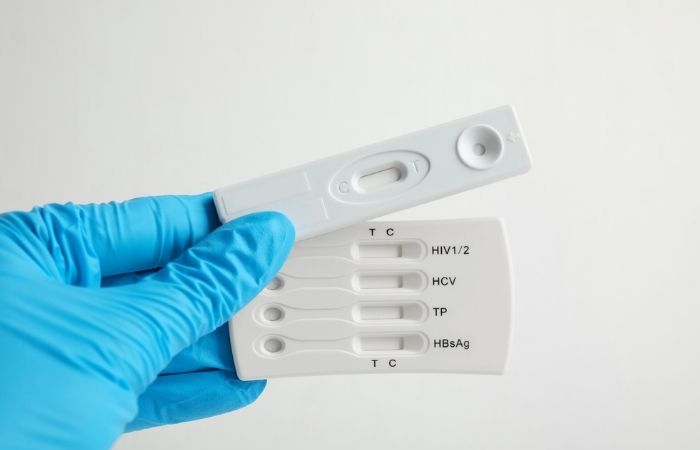
How Different STDs Can Influence Pregnancy Outcomes
Each infection interacts with the body differently, which means the potential risks during pregnancy also vary. Understanding those differences helps explain why screening and treatment are such a routine part of prenatal care.
| STD | Possible Pregnancy Impact | Why Early Treatment Helps |
|---|---|---|
| Chlamydia | May increase risk of premature birth | Antibiotics can clear infection before complications develop |
| Gonorrhea | Can infect baby during delivery | Treatment during pregnancy prevents transmission |
| Syphilis | May cause serious complications if untreated | Early treatment dramatically lowers risk |
| Herpes | Active outbreak near delivery can affect birth plan | Doctors may recommend antiviral medication or C-section |
Reading a table like this can feel intimidating, but remember that these outcomes are largely preventable with proper care. Modern prenatal medicine is very good at identifying infections early.
In fact, many people who test positive during pregnancy complete treatment and go on to have completely healthy pregnancies and deliveries.
When Symptoms Should Prompt a Call to Your Doctor
There are enough surprises that come with pregnancy to make one wonder about every new sensation. Most often, the new sensations are simply the result of the new hormonal changes in the body. There are, however, some new sensations that should not go unreported to a healthcare provider, simply because they could indicate infection.
Take, for example, a person such as Jordan, who is feeling new sensations of pelvic discomfort that are accompanied by a change in the color of the discharge. While the discomfort is not severe, it is new enough to prompt an individual to wonder about the cause. This is the reason why healthcare providers always advise individuals to ask about new sensations that they are not sure about.
Healthcare providers are not focused on individual sensations. While an individual sensation may not mean much on its own, the combination of several sensations can often prompt the individual to seek medical attention that will help to clarify the situation.
| Symptom Pattern | Possible Cause | Recommended Action |
|---|---|---|
| Burning with urination plus discharge | Urinary infection or STD | Discuss testing with your doctor |
| Genital sores or blisters | Possible herpes outbreak | Seek medical evaluation |
| Pelvic pain with unusual discharge | Infection or inflammation | Contact prenatal provider |
| Strong odor or color change in discharge | Bacterial infection or STD | Request testing for clarity |
The key idea here isn’t panic, it’s communication. Prenatal providers expect questions like these and would almost always prefer to evaluate symptoms early rather than later.
And if the uncertainty itself is stressful, having access to private testing options can help people regain a sense of control. Some individuals choose to start with confidential screening through options available at STD Test Kits before discussing results with their doctor.
Testing isn’t a sign of something being wrong. It’s simply a way to replace anxiety with real information.
FAQs
- 1. Can you have an STD and still have a healthy pregnancy?
- Yes, it is absolutely possible to have an STD and still have a healthy pregnancy. The key is to catch it early so it can be treated before it causes problems. This is why prenatal doctors check for STDs—to treat them before they cause complications.
- 2. Do STD symptoms change during pregnancy?
- Yes, sometimes they can. Symptoms can sometimes feel a little different because of all the changes happening in the body. Most times, however, the symptoms of an STD are the same, or they might not be noticeable at all.
- 3. Is vaginal discharge during pregnancy always normal?
- While it is normal to experience increased discharge during pregnancy, abnormal changes in discharge, including changes in color, odor, or consistency, could indicate the presence of an infection. If it turns yellow, green, has a strong odor, or itches or burns, it could be a sign of an infection, so it would be a good idea to get it checked out.
- 4. When do doctors test for STDs during pregnancy?
- Doctors usually check for a number of different STDs when a woman first visits her prenatal care doctor. Some doctors might check again later in the pregnancy, depending on the woman’s risk factors, to make sure she hasn’t gotten an infection since the first time she was tested.
- 5. Can a baby get an STD from the mother?
- While it is possible, it is rare, especially when a woman is treated for an STD while she is pregnant. This is another good reason to get tested, so any problems can be treated before the baby is born.
- 6. What STD symptoms should I never ignore while pregnant?
- If you experience symptoms like genital sores, severe pain in the pelvic region, foul-smelling discharge, or burning sensations during urination, it is recommended that you discuss the symptoms with your healthcare provider. While the symptoms don't necessarily point to an STD, it is always best to have the symptoms checked to ensure that there is no infection involved.
- 7. Can pregnancy hide STD symptoms?
- Yes, pregnancy symptoms sometimes mask the symptoms of an STD. This is because pregnancy causes many symptoms that resemble each other, including discharge, frequent urination, and cramping in the pelvic region. This is why a doctor will always recommend that the results of the test be confirmed through a lab test rather than symptoms.
- 8. Is it safe to take antibiotics for an STD while pregnant?
- Yes, it is completely safe to take antibiotics when you have an STD while pregnant. This is because many of the antibiotics used to treat various STDs, including chlamydia and gonorrhea, are deemed safe for pregnant women.
- 9. Can I use an at-home STD test while pregnant?
- Yes, you can definitely purchase an at-home test to check for STDs when you are pregnant. This is because many at-home tests check for the same STDs that your doctor will check for when you visit the clinic.
- 10. If I test positive, does that mean someone cheated?
- The answer is a simple no. This is because there is a possibility that the STD could have been dormant in the system for months, and the test only revealed the results at the time when the test was conducted. Accusatory behavior is not likely to solve the issue at hand.
So What Should You Actually Do If Something Feels Off?
If pregnancy teaches anything, it’s that the body doesn’t always follow neat instruction manuals. One day everything feels normal. The next day you’re Googling discharge color charts at midnight. When a new symptom shows up, itching, burning, unusual discharge, pelvic discomfort, the most practical next step is simple: talk to your prenatal provider or consider testing.
The good news is that STD testing during pregnancy is extremely common. Doctors expect it. In fact, screening is part of routine prenatal care precisely because symptoms are often unreliable. Many infections are easily treated when caught early, and treatment during pregnancy is designed to protect both the parent and the baby.
If the uncertainty itself is keeping you up at night, clarity can come quickly. Many people choose discreet testing options before or between appointments. You can explore confidential options through STD Rapid Test Kits, including multi-infection screening like the Combo STD Home Test Kit. For many readers, having clear results is the fastest way to stop the mental spiral.
Most importantly, remember this: STD testing during pregnancy is not a confession or a sign that something is wrong. It’s simply responsible health care, the same way prenatal vitamins, ultrasounds, and blood tests are part of looking after yourself and your baby.
How We Sourced This Article: This article was written using current clinical guidelines from major public health organizations, peer-reviewed medical research, and real-world materials for teaching patients about prenatal STD screening. We looked at about fifteen references to make sure they were medically correct and clear for readers who were worried about pregnancy-related symptoms. We chose the six sources below because they are reliable, easy to find, and relevant to prenatal STD testing and symptoms.