STDs That Don’t Require Penetration
Quick Answer: Several STDs, like herpes, HPV, syphilis, and trichomoniasis, can spread without any penetration at all. It’s for the person who kissed someone new last weekend and now has a blister.
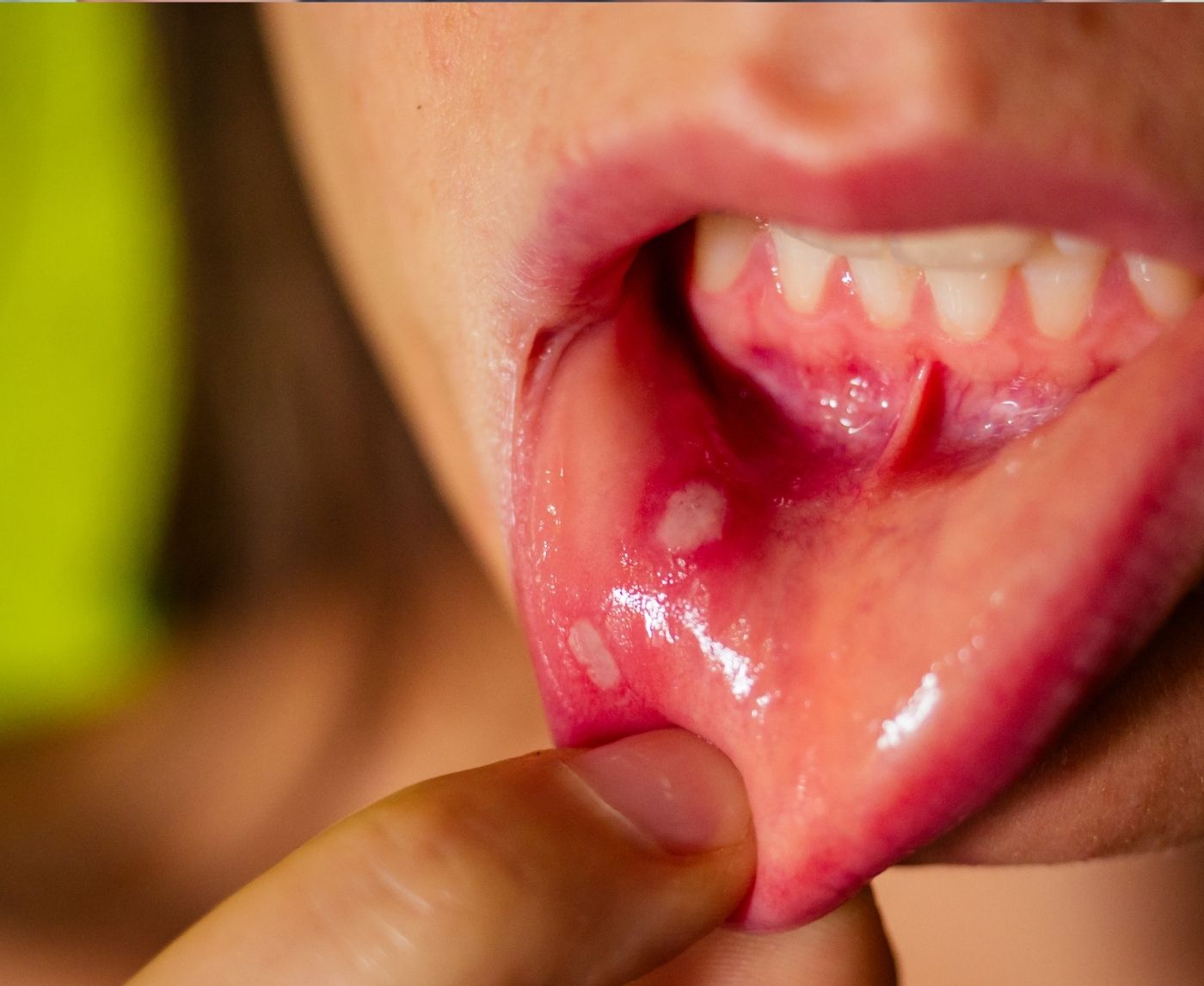
Quick Answer: Several STDs, like herpes, HPV, syphilis, and trichomoniasis, can spread without any penetration at all. Skin-to-skin contact, oral sex, shared toys, or mouth-to-genital contact are enough to transmit infection.
This Guide Is for Anyone Who's Thinking: “But We Didn’t Have Sex”
This article is for the people who woke up with a sore, a strange itch, or a nagging worry even though “nothing really happened.” It’s for the person who kissed someone new last weekend and now has a blister. The person who dry humped in their clothes but feels off. The person who gave oral sex and thought that didn’t count.
If you’ve ever wondered whether it’s possible to get an STD without actual intercourse, or if you're feeling confused, ashamed, or angry at your own body, this guide is here to clear things up, without judgment and without scare tactics. Just clarity, truth, and options.
You’ll learn how certain infections pass between people without penetration, what symptoms to watch for, how to test (even from home), and what to do if you test positive.
Wait, How Can You Get an STD Without Having Sex?
Sex isn’t just one thing. It's not always penis-in-vagina or penis-in-anus. And STDs, more accurately called STIs, don’t need penetration to do their thing. Some are carried in fluids (like semen, vaginal fluids, or saliva). Others live in the skin or mucous membranes. Some can even survive on surfaces or toys for short periods. That’s why what counts as “risky” behavior goes far beyond traditional definitions of sex.
Here are real, medically verified ways STDs can spread with zero penetration involved:
| Contact Type | Potential STD Transmission | Explanation |
|---|---|---|
| Kissing | Herpes (HSV-1 or HSV-2), syphilis, mono | Herpes and syphilis can transmit through open sores or active lesions in or around the mouth. |
| Oral sex (giving or receiving) | Chlamydia, gonorrhea, syphilis, herpes, HPV, HIV | Mucous membranes in the mouth and genitals allow fluid and skin-based transmission even without deep contact. |
| Fingering or mutual masturbation | Herpes, HPV, trichomoniasis (rarely) | If fingers have fluids or contact lesions, they can transmit infection, especially if touching cuts or mucous areas. |
| Shared sex toys | Chlamydia, gonorrhea, trichomoniasis, HPV, herpes | Toys can carry fluids or cells. Without cleaning or condoms between users, infection can spread. |
| Skin-to-skin contact (grinding, dry humping, hand jobs) | Herpes, HPV, syphilis, molluscum contagiosum | Warts and sores can be on outer skin, transmission doesn’t require fluid or ejaculation. |
Table 1. STD transmission risks without penetration. This shows how common behaviors, often dismissed as “safe”, can carry real risks depending on timing, symptoms, and infection status.
“I Got Herpes After My First Kiss”
Nico, 17, had never had sex. He’d only kissed one person, his first boyfriend, and it was just a few makeouts. A week later, a blister formed on his lower lip and burned when he ate. He assumed it was a cold sore. A nurse practitioner later diagnosed him with oral herpes simplex virus type 1.
“I didn’t even think to get tested. I was like, how? I’ve never even had sex.”
Nico’s case is more common than you’d think. HSV-1, the virus that causes cold sores, can be passed through mouth-to-mouth contact, even if the other person doesn’t have a visible sore. It’s estimated that nearly 50% of U.S. teens and young adults carry the virus, often without knowing it.
This isn’t about fear. It’s about knowing how common doesn’t mean harmless, and how “firsts” still matter when it comes to protection and awareness.
Which STDs Commonly Spread Without Intercourse?
While almost any sexually transmitted infection can technically spread without penetration if the right conditions exist, some are far more likely to transmit this way than others. Here are the most common culprits:
| STD | Transmission Without Penetration | Symptoms May Appear |
|---|---|---|
| Herpes (HSV-1 or HSV-2) | Very likely, spread by kissing, oral sex, skin contact, shared items | 2–12 days after exposure (blisters, itching, tingling) |
| HPV (Human Papillomavirus) | High risk, skin-to-skin contact or shared toys can transmit | Weeks to months; often asymptomatic or genital warts |
| Syphilis | Moderate, can spread through oral contact or skin lesions | 10–90 days; painless sore (chancre) at entry site |
| Trichomoniasis | Possible, through fluids, shared sex toys, or fingering | 5–28 days; itching, discharge, odor, or asymptomatic |
| Gonorrhea & Chlamydia | Less common, but oral or toy-sharing can transmit | 1–3 weeks; may cause throat, rectal, or genital symptoms |
Table 2. STDs with strong potential for non-penetrative transmission. Some infections may take time to show up or cause symptoms that mimic other issues.
Worth noting: HPV and herpes top the list not just for frequency, but because they’re both skin-transmitted viruses. Condoms reduce risk, but only for the areas they cover. That means outer labia, scrotum, anus, and inner thighs remain exposed, and that’s often where people assume they’re safe when they’re not.
What Does “No Sex” Look Like? (And Why It Still Carries Risk)
Many people draw a hard line around what “counts” as sex. But the body doesn’t care about semantics. Viruses and bacteria care about exposure points, mucous membranes, open skin, bodily fluids. That’s it.
Let’s walk through some common “not-sex” encounters and how risk actually shows up:
You gave oral, but didn’t receive anything back.
Even if your partner didn’t touch you, your mouth was in contact with their genitals. If they had gonorrhea, chlamydia, or herpes, those organisms could enter via your throat or lips.
You made out with someone who had a cold sore.
That’s likely oral HSV-1. If your lips, nose, or broken skin touched the sore, even briefly, you could catch herpes. Some cases spread even when no sores are visible, through “asymptomatic shedding.”
You used a sex toy right after someone else.
Without cleaning or using a new condom, this is a real risk for trichomoniasis, chlamydia, and HPV. Moist environments help infections survive for a short time on silicone or plastic.
You dry humped with underwear on.
The friction might’ve felt safe, but if there was skin contact and someone had an outbreak of herpes or HPV, that’s enough for transmission. Even non-genital skin outbreaks can be contagious.
Not Knowing Doesn’t Make You Reckless, But Not Testing Can Keep You in the Dark
The good news: Most STDs, even the ones spread without penetration, are treatable or manageable. But only if you know you have them.
And here's where it gets tricky. Some of these infections don’t show symptoms for weeks, or ever. HPV may not cause warts at all. Herpes can lie dormant for months before its first outbreak. Trichomoniasis is silent in up to 70% of people. That means waiting for symptoms won’t cut it.
Testing is the only way to know. And thanks to modern kits, you can test discreetly from home, even for infections like herpes, chlamydia, and syphilis. You don’t have to wait weeks for an appointment or explain your situation to a stranger if you’re not ready.
If your head keeps spinning, peace of mind is one test away. Order a discreet Combo STD Home Test Kit here, it checks for multiple infections in one go.
Should You Retest If There Was “No Real Sex”?
Absolutely, especially if you’re still feeling symptoms, had a recent encounter with someone new, or used toys, mouths, or skin in any intimate way. The “no penetration = no risk” logic doesn’t hold up medically. If you're asking the question, there's usually enough of a reason to test or retest.
Here’s a guide based on typical risk and timing:
If it’s been less than a week
You may be too early for some infections to show up on a test. Herpes, for example, has an incubation period of 2–12 days. Chlamydia and gonorrhea take 7–14 days. Testing now might still be useful for peace of mind, but plan a follow-up if symptoms appear or exposure is confirmed.
At 14+ days
This is the sweet spot for most tests to detect infections accurately. If you’re testing at home, use a reliable rapid or combo kit that checks for more than one infection type.
After symptoms or a positive partner test
Don’t wait. If you see signs, bumps, sores, discharge, burning, or your partner tells you they tested positive, test right away. Then test again at the 30-day mark if results were negative but symptoms continue.
One reader tested at 5 days post-exposure and got a negative. But they retested at day 16 when a sore appeared, and that second test caught the herpes simplex virus. The first test offered temporary relief; the second gave real answers.
What If You Feel Embarrassed? (You’re Not Alone)
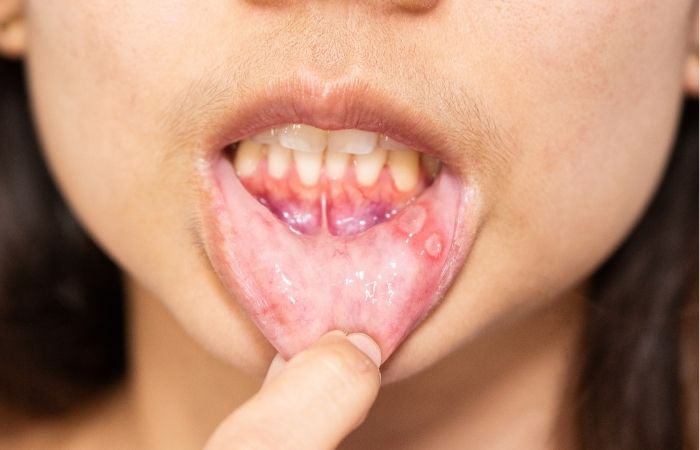
This is one of the hardest parts. People who get an STD after “not having sex” often feel double-shamed: first, by the diagnosis, and second, by the disbelief. Friends might say, “But you didn’t even sleep with them.” Providers might downplay your concern. You might doubt your own body, wondering if you did something wrong.
Let’s be clear: nothing about testing or caring for your sexual health is shameful. You don’t owe penetration for your body to count. Intimacy in all its forms can carry risks, and deserves care, respect, and prevention.
If it helps, here’s what one Reddit user wrote after their HPV diagnosis:
“I never even had sex with her. Just fooled around. Now I’m crying in the clinic bathroom with a wart. I feel stupid. But I’m also glad I came in.”
Getting tested is not admitting guilt. It’s choosing clarity. And clarity is power.
Talking to a Partner: “I Tested Positive, But We Didn’t Even...”
Conversations about STDs are hard. But when the infection comes from a “non-sexual” act, it can be even trickier. How do you explain that something you thought was safe, kissing, oral, touching, was enough to transmit something serious?
Here’s how you might start:
“I wanted to tell you something. I tested positive for [STD], and while I don’t know for sure when or how I got it, I wanted you to know because we were physically close. You might want to get tested just in case.”
You don’t have to accuse, confess, or defend. Just inform. That’s care.
If you want to let someone know anonymously, many health departments and telehealth services offer anonymous partner notification tools. Some at-home test services will even send anonymous messages for you.
Privacy, Packaging, and Peace of Mind
One of the best things about modern STD testing? You can do it on your terms. From your bedroom. Without having to explain yourself to anyone unless you choose to.
Our Combo STD Home Test Kit ships in plain, unmarked packaging with no STD labels or identifying information. Billing is discreet. Instructions are simple. And results come quickly, sometimes in just minutes depending on the test.
If you’re traveling, living off-grid, or just want total privacy, at-home testing is often the best first step. You can always follow up at a clinic later if needed. But you don’t have to start there. You start where you are.
Testing without judgment. That’s what we believe in.
FAQs
1. Can kissing actually give you an STD?
Yep. Herpes is the big one here. You can get oral herpes (HSV-1) just from a kiss, especially if the other person has a cold sore, but even if they don’t. Some folks shed the virus without visible symptoms. Think of it like sharing a drink... but with skin contact and way more viral enthusiasm.
2. What if we only messed around, like, hands and toys?
Still a maybe. If there were fluids, skin contact, or shared toys without cleaning between, you’ve got some risk, especially with herpes, HPV, or trich. It’s rare, but not impossible. Remember: fingers can carry more than just vibes.
3. I gave oral, not full-on sex. Could I still catch something?
Definitely. Oral sex can pass along chlamydia, gonorrhea, syphilis, herpes, and more. Your mouth has mucous membranes, same as genitals. That means stuff can get in, even if you never took your pants off. Bonus fact: throat STDs often have no symptoms at all.
4. If there was no penetration, do I really need to test?
If something happened that’s making you wonder... yeah. Especially if it involved someone new, or you’re feeling off. Testing isn’t just for people who “went all the way.” It’s for anyone who wants peace of mind. It’s self-care, not overkill.
5. How long should I wait to test after a hookup like this?
14 days is a solid starting point for most STDs. Some things, like herpes or syphilis, might take longer to show. If you test early and it’s negative, that’s okay, but consider a retest around the 30-day mark if you’re still unsure or something feels off.
6. Will a clinic even take me seriously if I say there was no sex?
A good one will. And if they don’t, that’s on them, not you. Non-penetrative transmission is medically documented. Your body and your worries are valid, no matter what “counts” as sex in someone else’s book.
7. Which STDs are most likely to spread without actual sex?
Herpes, HPV, and syphilis top the list. They're the skin-to-skin sneaky types. Trich and chlamydia can show up too, especially via oral or shared toys. The key isn’t whether there was sex, but whether there was contact.
8. Can I catch anything from someone who doesn’t have symptoms?
Oh yeah. That’s the frustrating part. Herpes and HPV especially can spread when someone has zero visible symptoms. It’s called asymptomatic shedding, and it’s why “But they looked clean” is not a reliable STD strategy.
9. Do condoms or dental dams help if we’re not even having sex?
They help more than people think. Condoms during oral? Smart. Dental dams during rimming or vulva play? Also smart. They won’t stop everything, herpes can still sneak around the edges, but they lower your chances a lot.
10. I feel embarrassed. Is it dumb to get tested if nothing “serious” happened?
Not at all. Honestly, it’s the opposite. Getting tested means you respect your body, your health, and the people you’re with. You’re not being paranoid, you’re being proactive. And that’s badass.
You Deserve Answers, Not Assumptions
Maybe you didn’t “go all the way.” Maybe you were cautious. Maybe no one told you that kissing, oral, or skin contact could still pass something on. That doesn’t mean you were reckless. It means you were missing information, and that ends here.
You deserve care that matches your experience. And that includes testing that respects your story, your timing, and your body. Whether you’re worried, symptomatic, or just ready to stop second-guessing, this at-home combo test kit checks for the most common STDs discreetly and quickly.
No judgment. Just answers.
How We Sourced This Article: We combined current guidance from leading medical organizations with peer-reviewed research and lived-experience reporting to make this guide practical, compassionate, and accurate. In total, around fifteen references informed the writing; below, we’ve highlighted some of the most relevant and reader-friendly sources.