STD or Hormone Imbalance? Why You’re Burning After Sex
Quick Answer: Burning after sex can result from STDs, but it’s often caused by hormone fluctuations, friction, allergic reactions, or vaginal imbalances. You're not being "dramatic."
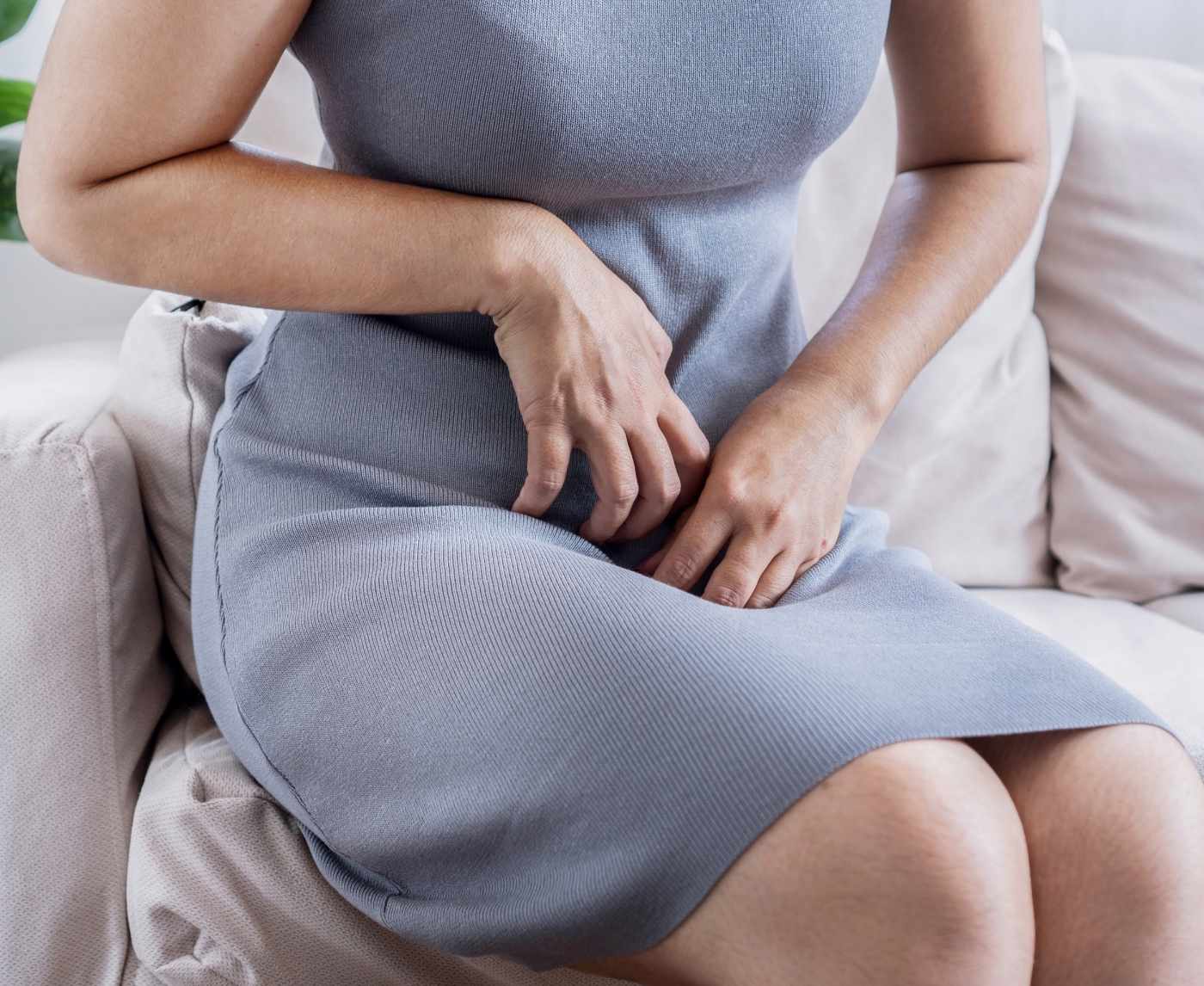
Quick Answer: Burning after sex can result from STDs, but it’s often caused by hormone fluctuations, friction, allergic reactions, or vaginal imbalances. Even with a negative test, symptoms should be taken seriously, especially if they persist.
Who This Article Is For (And Why This Happens So Often)
If you're someone who dreads post-sex discomfort, who feels that sting and immediately starts Googling, this guide is for you. If you're perimenopausal, on birth control, dealing with chronic yeast infections, or just feel like your body is betraying you, read on. You're not being "dramatic." Burning after sex can have real physical triggers, even when your STD test comes back clean.
We’re talking to the person whose OB-GYN said, “Everything looks fine” but the symptoms still linger. To the woman who just started a new relationship and is terrified she’s misread the situation. To the postpartum mom wondering if her hormone crash is to blame. To the queer woman whose symptoms were dismissed. We see you.
This article breaks down the top causes of post-sex burning, STDs, yes, but also hormone changes, lube reactions, condoms, and more. We'll also cover when to retest, what kind of tests are most accurate, and how to take care of your body without shame or panic.

Let’s Start with STDs, Because Yes, They Still Matter
Even if your last test was negative, we need to talk about STDs. Why? Because the window period, the time between exposure and accurate detection, matters. If you had unprotected sex in the last few days or weeks, your test might have been too early.
Common STDs that can cause a burning sensation after sex include:
- Chlamydia: Often asymptomatic, but can cause burning, pelvic pain, and discharge.
- Gonorrhea: May feel like a UTI, burning when you pee, pain after sex.
- Trichomoniasis: Common in women, can cause stinging and frothy discharge.
- Herpes: May present as burning before sores appear.
If you were exposed less than two weeks ago, some infections might not show up yet. For example, chlamydia and gonorrhea may not be detectable until 7–14 days post-exposure. Herpes and syphilis have even longer windows. Testing timing matters, and so does retesting.
When It’s Not an STD: The Hormone Factor
Here’s something most doctors don’t explain clearly: estrogen plays a huge role in how sex feels, and what happens after. Estrogen helps maintain healthy vaginal tissue, keeps the pH balanced, and encourages natural lubrication. When estrogen dips, things change. Fast.
Postpartum, perimenopause, birth control pills, or even stress can lower estrogen levels. The result? Thinner tissue, less lube, more friction, and yes, burning after sex. This is sometimes called “vaginal atrophy,” and it doesn’t only happen to women in their 50s. Teens and 20-somethings on hormonal birth control can experience it, too.
In one clinical study, women with low estrogen reported more pain and burning after penetrative sex, even when STDs and infections were ruled out. This isn’t in your head. It's physiology. Hormonal balance affects how resilient and hydrated the vaginal tissue is, making it either bounce back or sting like hell post-orgasm.
If you suspect hormones are involved, ask your provider about options like vaginal estrogen creams, pH-balanced lubricants, or estrogen-friendly moisturizers. These aren’t about “fixing” you, they’re about comfort and autonomy.
When the Chemistry Is Off: pH Imbalance and Post-Sex Burn
Another reason for burning after sex that you might not know about? An imbalance in the pH of the vagina. The vagina has a pH of about 3.8 to 4.5, which makes it acidic. On the other hand, semen is basic. Add lube, soap residue, or even changes to your diet to that, and you have a recipe for irritation. That "burning" feeling in your stomach after sex? It's real, and most of the time it's about chemistry, not infection.
Bacterial vaginosis (BV) or yeast overgrowth can happen when the pH balance is thrown off. Both can make you feel like you're stinging, itching, or burning during or after sex, even if you don't see or smell anything.
In a Reddit thread with more than 800 comments, a lot of women talked about getting a burning feeling after sex that turned out to be undiagnosed BV or pH imbalance, not STDs. A lot of people only felt better after switching to pH-balanced lubricants or stopping using scented soaps and pads.
If this sounds like you, the first thing you should do is stay away from scented products near the vulva. Then, talk to a doctor about trying things like boric acid suppositories or switching to gentle cleansers (or none at all).
It’s Not Just What You’re Feeling, It’s What You’re Using
If you're still burning after using condoms, it could be because you're allergic to latex or spermicides. People really do have latex allergies and sensitivities, and they are often confused with STDs or infections. Some of the symptoms are:
- Feeling like you're burning or stinging during or after sex
- The vulva may be red, swollen, or have small bumps on it.
- Irritation that comes on later, sometimes hours after contact
It's not just latex, either. A lot of lubricants, especially those with glycerin or parabens, can throw off the balance of the vagina or cause direct irritation. Microtears can happen from too much sex or dryness, and they hurt when they come into contact with semen, lube, or even air.
Consider switching to non-latex condoms (like polyisoprene or nitrile), using unscented, water-based lube, or trying lube made for sensitive users like aloe vera-based formulas. Products labeled “pH-balanced” and “free of glycerin and parabens” are your safest bets.
Common Causes of Post-Sex Burning (And How to Spot Them)
| Cause | Typical Symptoms | STD Test Result | What Helps |
|---|---|---|---|
| Chlamydia / Gonorrhea | Burning, discharge, pelvic pain | Positive (if test timed correctly) | Antibiotics, retesting partner(s) |
| Trichomoniasis | Burning, frothy discharge, odor | Positive on antigen or NAAT test | Single-dose antibiotics |
| Yeast Infection | Itching, thick discharge, post-sex burn | STD test: Negative | Antifungal treatment (OTC or Rx) |
| Bacterial Vaginosis | Fishy odor, irritation, pH imbalance | STD test: Negative | Prescription gel or oral meds |
| Hormonal Vaginal Atrophy | Dryness, tearing, pain, delayed burn | STD test: Negative | Vaginal estrogen, lube, moisturizers |
| Latex or Lube Sensitivity | Stinging, redness, localized rash | STD test: Negative | Switch to non-latex and gentle lube |
| Friction or Microtears | Soreness, sharp sting during/after | STD test: Negative | Lubrication, rest, healing creams |
Figure 1. This table breaks down common causes of post-sex burning and how to distinguish between them, especially when STD tests are negative.
“I Was Told It Was in My Head”
Tanisha, 32, had been dealing with a burning sensation after sex for almost a year. “My tests kept coming back negative. My partner got tested too. I thought I was losing my mind.” After months of being dismissed by providers, she found a GYN who asked about her birth control.
“I was on the same pill I’d taken for years. But she said low estrogen might be the culprit. Turns out I had early perimenopause. She switched my birth control and added a vaginal moisturizer. It changed everything.”
Tanisha’s story isn’t rare. Many people spend years caught in a loop of testing, self-blame, and fear, when the real issue is overlooked because it doesn’t show up on a swab.
If that sounds like your experience, you’re not alone. And you deserve answers that go beyond “Well, your tests are normal.”
Not Sure What’s Causing It? Here’s What You Can Do Right Now
Still burning after sex and not sure where to turn? Let’s break it down into clear next steps:
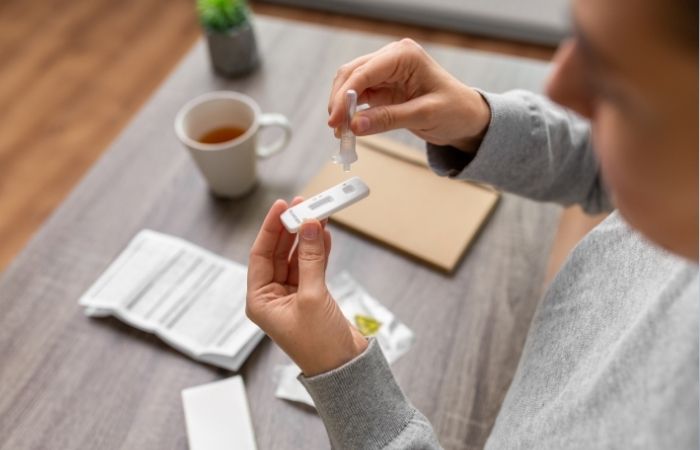
- If you might have been exposed less than 14 days ago, you should think about getting tested again with a reliable, private combo STD home test kit. Some STDs won't show up until that time has passed.
- Keep a journal of your symptoms, the products you used, when the burning started, and how long it lasted. Patterns can often show you hidden triggers.
- Check your condoms and lubricant. Try options that are hypoallergenic or don't have glycerin in them, and see if your symptoms get better.
- If your estrogen levels are low, you might want to talk to a doctor about vaginal moisturizers or hormone therapy.
One test away from peace of mind. If you've been feeling lost, doing something small, like ordering a test or switching products, can really help you get back on track.
When to Retest, and Why Your First Result Might Lie
Let's face it: a negative STD test feels like a breath of fresh air, but the burning doesn't stop. That's when the doubt comes back. "What if I took the test too soon?" "Is it possible that it is a false negative?" "Do I need to take the test again?"
The truth is that timing is important. There is a "window period" for each STD, which is the time between when you are exposed to it and when it can be found. If you test too soon, the result might be negative even though the infection is growing in your body without you knowing it. This isn't unusual; it's science.
| STD | Minimum Time to Test | Ideal Retest Time | Why Retest? |
|---|---|---|---|
| Chlamydia | 7 days | 14 days | Early negatives possible if tested too soon |
| Gonorrhea | 7 days | 14+ days | May be missed if asymptomatic |
| Trichomoniasis | 5–7 days | 2–3 weeks | False negatives with antigen-only tests |
| Herpes (HSV-2) | 2 weeks | 12+ weeks (antibody test) | Longer window; false negatives common early on |
Figure 2. Retesting windows based on infection type and test method. These ranges reflect CDC and WHO guidance on detection accuracy.
Bottom line? If you’re still burning, don’t assume one test is the final word. Retesting after the optimal window can offer clarity, especially if symptoms linger or evolve.
“I Thought It Was Gone, Then It Came Back Worse”
Liana, 27, had a one-time hookup. Condom slipped, but it seemed fine. A week later, the burning started. “I took a test right away, negative. I felt relieved, but something still didn’t feel right.”
“At first it was just burning after sex. But two weeks in, I was peeing fire. I got retested. Turns out it was chlamydia, the first test was just too early.”
Liana’s story is what makes this so frustrating. Testing can provide relief, but false reassurance is dangerous. That’s why knowing when to test, and when to retest, is critical. Especially when your body is giving you signals like burning, pain, or persistent irritation.
If you're unsure, opt for a combo test that checks for multiple infections at once. A discreet test like the Combo STD Home Test Kit can eliminate second-guessing and help you move forward with clarity.
The Shame Loop: Why Burning After Sex Feels So Personal
Let's take a moment to talk about something bigger: the shame spiral. Burning after sex isn't just a physical thing; it's an emotional thing, too. It brings back old fears, bad memories, and deep shame. You might find yourself googling in the dark, not telling anyone, avoiding sex, or checking yourself over and over again afterward. It's not just pain; it's trauma that echoes through the body.
For many people, especially women and marginalized genders, post-sex pain is dismissed. Doctors chalk it up to “anxiety.” Partners roll their eyes. The result? Silence. Loneliness. Delayed diagnosis. But you deserve more than that.
Burning is a symptom, not a character flaw. Whether it’s caused by an STD, a lube reaction, or a hormonal shift, your discomfort is valid. And getting tested, or seeking answers, is not admitting guilt. It’s choosing care.
FAQs
- 1. Can you really burn after sex even if it’s not an STD?
- Oh yeah. You don’t need an infection to feel like your vagina just walked through fire. Friction, dryness, a hormonal dip, a new lube, any of these can turn a good night into an itchy morning. If your test is negative and you’re still feeling the heat, you’re not imagining it. Keep digging.
- 2. How soon after sex should I get tested if I’m worried?
- Depends on the infection. Most bacterial STDs like chlamydia or gonorrhea can be picked up accurately after about 7 to 14 days. Test earlier and you risk a false negative. If the condom broke last weekend and you're panicking now, go ahead and test, but plan to retest later for confirmation.
- 3. Could lube or condoms be the problem?
- 100%. If you’re using latex condoms or a flavored, scented, or warming lube, your bits might be protesting. Some people react to glycerin, others to spermicide. Try switching to a simple, pH-balanced, unscented lube and non-latex condoms. Your vagina might throw a thank-you party.
- 4. Is it normal to only feel burning after sex, no other symptoms?
- Yes, and it’s maddening, right? No discharge, no bumps, no obvious signs... just the burn. Sometimes it’s a subtle infection like BV or trich, other times it’s hormonal dryness, pH shifts, or tiny tears you didn’t feel at the time. Don’t wait for more symptoms to “prove” something’s wrong.
- 5. I already tested negative, do I really need to retest?
- Possibly. If you tested right after exposure, you might’ve been too early in the window. Or maybe you were tested for some STDs, but not others (a lot of people assume they got the full panel, but they didn’t). Retest if it’s been two weeks or longer and your symptoms are hanging around.
- 6. Could this be herpes if there are no sores?
- Herpes is sneaky. Sometimes the only warning sign is a burning or tingling feeling after sex, even before any blisters show up. You can also carry herpes and not have symptoms at all. If this keeps happening, consider a type-specific blood test for HSV-2, especially if you’ve never been tested for it.
- 7. What if my doctor says everything’s fine but I’m still uncomfortable?
- Then it’s time to find a new doctor, or a second opinion. Too many people (especially women and queer folks) get brushed off when symptoms aren’t textbook. If you feel dismissed, you’re allowed to advocate for better care. Your comfort isn’t negotiable.
- 8. Can I still have sex while figuring this out?
- That depends on the cause and how you feel. If there’s a chance it’s infectious, or if sex is making it worse, maybe hit pause for now. But if it’s hormonal dryness or friction and you’ve made adjustments (like lube, positions, condoms), then proceed with caution and consent. Your body, your rules.
- 9. Could anxiety make the burning worse?
- Honestly? Yes. Stress impacts blood flow, hormone levels, even muscle tension in the pelvic floor. It doesn’t mean the pain is “all in your head”, but anxiety can crank up the volume on symptoms that are already there. Address both. You deserve full relief, not just half answers.
- 10. What’s the best all-in-one test if I’m not sure what’s going on?
- A solid starting point is a panel that checks for the most common culprits, like the 7-in-1 Complete At-Home STD Test Kit. It’s discreet, accurate, and lets you test without leaving your house (or sitting in a paper gown you didn’t ask for).
Your Next Move: Gentle, Empowered Testing
If this article is hitting close to home, don’t wait until it gets worse. One small step, like choosing the right test, can break the loop of guessing and spiraling. Whether you’re waiting for symptoms to pass, just came off a hookup, or have had symptoms for weeks with no answers, you deserve clarity.
Testing isn’t about being “clean.” It’s about being empowered. Your sexual health is your right, and your peace of mind matters.
How We Sourced This Article: We combined current guidance from leading medical organizations with peer-reviewed research and lived-experience reporting to make this guide practical, compassionate, and accurate. In total, around fifteen references informed the writing; below, we’ve highlighted some of the most relevant and reader-friendly sources.