Think Antibiotics Always Cure STDs? Here’s the Scary Truth
Quick Answer: Antibiotics don’t always cure STDs. Some infections, like drug-resistant gonorrhea or Mycoplasma genitalium, may not respond to first-line treatments. Retesting and second-line options are often needed. S.
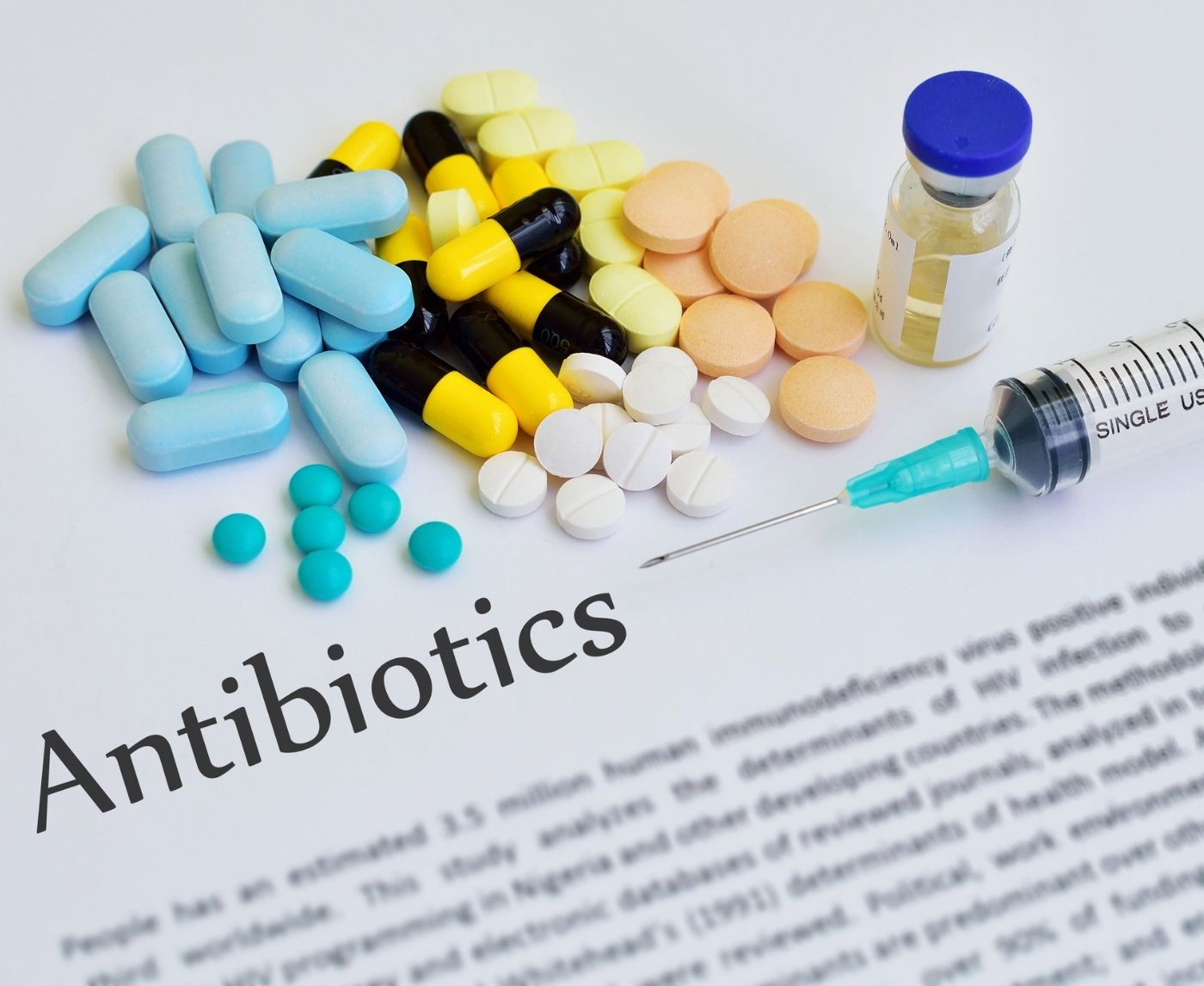
Quick Answer: Antibiotics don’t always cure STDs. Some infections, like drug-resistant gonorrhea or Mycoplasma genitalium, may not respond to first-line treatments. Retesting and second-line options are often needed.
Myth #1: “Antibiotics Always Work for STIs”
This one’s as common as it is outdated. While antibiotics can still cure many bacterial STDs, like chlamydia, gonorrhea, and syphilis, the word “always” no longer applies. Drug resistance is no longer a hypothetical problem on the horizon. It’s here. And if you’ve ever taken a round of antibiotics and found yourself still testing positive, you’ve probably experienced it firsthand.
In the U.S., gonorrhea is the most high-profile culprit. The CDC now tracks drug-resistant strains as an “urgent threat.” We’re talking about cases where the usual treatments, like ceftriaxone, the go-to injection, don’t clear the infection. Instead of getting better, patients stay symptomatic, or worse, get misdiagnosed and pass the infection unknowingly.
It’s not just gonorrhea. Infections like Mycoplasma genitalium, a lesser-known but increasingly common STI, often require second-line antibiotics like moxifloxacin. And those come with side effects and availability issues most people aren’t prepared for. If you’ve never heard of M. genitalium, you’re not alone. Many clinics don’t test for it unless you specifically ask.
Myth #2: “If It’s Still There, It’s a New Infection”
Let’s talk about persistence. Imagine this: you’re five weeks post-treatment, feeling mostly fine, but one strange symptom keeps hanging on, maybe it's spotting after sex, or a persistent itch you can't explain. You assume you got re-infected. Maybe your partner wasn’t treated. Maybe someone lied. But what if it’s not a new infection? What if it’s the same one, never actually cured?
Positive tests don't always mean you have the disease again. They could mean that the first treatment didn't work. The antibiotics didn't work, but that wasn't your fault. The drugs weren't as smart as the bacteria. This concept is known as antimicrobial resistance (AMR). It is changing how we test for, treat, and follow up on STDs. But not a lot of people talk about it.
Here’s where things get murky: most people aren’t told to retest after treatment unless they’re pregnant or have ongoing symptoms. But if the infection wasn’t wiped out, you’re still contagious, and still vulnerable to complications like pelvic inflammatory disease (PID), infertility, or testicular pain. That’s why guidelines now recommend test-of-cure follow-ups for high-risk infections like resistant gonorrhea and Mycoplasma genitalium.
| STD | Standard Treatment | Drug Resistance Concern | Test-of-Cure Needed? |
|---|---|---|---|
| Gonorrhea | Ceftriaxone injection | High | Yes (especially in MSM or persistent symptoms) |
| Chlamydia | Doxycycline (7-day) | Low–Moderate | Sometimes (pregnancy or unresolved symptoms) |
| Mycoplasma genitalium | Azithromycin + Moxifloxacin | Very High | Yes (always) |
| Syphilis | Benzathine penicillin G | Low (but rising) | Depends on stage and risk group |
Figure 1. Test-of-cure recommendations vary by infection, risk, and treatment success. Drug resistance makes follow-up testing more critical than ever.

Myth #3: “Symptoms Always Mean Infection”
This one hurts people on both sides of the equation. Sometimes, folks think they’re still infected when the issue is actually inflammation or residual irritation. Other times, people brush off real symptoms because they “already took something” for it, and end up ignoring an ongoing infection.
Consider this scene: Jamie was treated for chlamydia a month ago. They finished their antibiotics, used condoms after, and assumed all was well. But then came the discharge, thicker than before, with a weird smell. A clinic told them it could be “normal shedding,” but the retest came back positive. It wasn’t residual. It was the same infection, never cleared.
Symptoms are helpful clues, but they aren’t reliable proof of whether an infection is gone. That’s why drug resistance complicates everything. You can have a negative test and still have inflammation. Or you can feel “mostly okay” while still spreading an infection that’s dug in and resisted treatment.
If your symptoms persist after finishing treatment, especially for gonorrhea, syphilis, or M. genitalium, don’t wait and wonder. Follow-up testing can give you peace of mind, or help you catch what the first round missed.
Whether it’s a stubborn infection or a confusing aftereffect, you deserve clear answers. You don’t need a clinic visit to retest. This at-home combo test kit checks for the most common STDs quickly and discreetly.
Myth #4: “You Can’t Catch a Resistant STD If You Use Protection”
This one’s a half-truth, and those are often the most dangerous. Condoms are one of the best tools we have for STI prevention. But they’re not bulletproof, and they’re not resistance-proof. Drug-resistant STIs spread the same way regular ones do. And that includes routes condoms don’t always cover, like oral sex or skin-to-skin contact in areas condoms don’t touch.
Let’s go there. You meet someone on a trip. The vibe is good, the chemistry even better. You use a condom. Days later, you notice burning during urination and chalk it up to dehydration. But it lingers. You test positive for gonorrhea, and yes, you used protection. So how?
Turns out, gonorrhea can live in the throat and be passed through oral sex, no penetration required. And resistant strains are more likely to thrive in those non-genital sites because the antibiotics don’t reach them as effectively. Condoms help, but they’re not magic. If you engage in oral, anal, or skin-to-skin genital contact, you’re still at some level of risk, even if you play it “safe.”
This isn’t about shaming sexual behavior. It’s about updating the script. Knowing where risk actually comes from helps you make informed choices, not paranoid ones. It also reminds us that when symptoms pop up unexpectedly, it’s okay to investigate even if you “did everything right.”
Myth #5: “If You Still Test Positive, It’s Your Fault”
Let’s be real, this one is more than a myth. It’s a stigma bomb. Many people internalize blame when treatment doesn’t work. They assume they didn’t take the pills right, or their partner cheated, or they’re being punished for something. None of that is true. Drug-resistant STIs aren’t a sign you did something wrong. They’re a sign the bacteria adapted. That’s what bacteria do.
In fact, resistant strains often appear in people who’ve done everything “right”, they got tested, treated, informed their partners. But if the strain isn’t susceptible to standard meds, none of that stops the infection from hanging on. That’s why we need a new conversation around treatment failure that includes science, not shame.
Here’s the good news: most cases of treatment failure can be managed with second-line therapy. But that means knowing you’re still infected. And to know, you need to test again. Preferably with something accurate, discreet, and not another week of waiting in clinic limbo.
| Common Reasons for Repeat Positives | Is It Your Fault? | Next Step |
|---|---|---|
| Drug-resistant bacteria survived initial treatment | No | Get a second-line antibiotic after retesting |
| Reinfection from an untreated partner | Not necessarily | Both partners need testing and treatment |
| Delayed partner treatment or exposure during incubation | No | Retest and consult a provider |
| Incorrect use of medication (missed doses) | Sometimes | Discuss with a provider before retreatment |
Figure 2. Still testing positive doesn’t mean you failed, it means you need better tools and better info. Many cases resolve with a second-line approach.
Case Study: “I Did Everything Right. I Still Had It.”
Sofia, 28, was used to being proactive. She’d always gotten regular STI checks, especially after starting a new relationship. So when she tested positive for Mycoplasma genitalium, she didn’t panic. She followed her provider’s instructions, took the prescribed azithromycin, and waited. A few weeks later, the weird pelvic twinges came back. She retested, still positive.
“I was so embarrassed. I thought, did I mess up? Did I get reinfected? Did my body just ignore the meds?”
Her doctor explained that her infection was likely drug-resistant, a strain of M. genitalium that required a more aggressive second-line antibiotic. Sofia started moxifloxacin and within ten days, her symptoms cleared. The experience shook her, but it also made her realize how much silence there is around treatment failure.
“No one tells you this can happen. You feel like a failure when it does. I wish someone had told me it wasn’t my fault.”
She now tells her friends not to assume one round of antibiotics will always work. “Don’t just trust the meds. Retest. Especially if something still feels off.”
If you’ve been treated but still feel unsure, you don’t have to wait weeks for answers. STD Rapid Test Kits offers discreet at-home options that deliver fast results. Because wondering in silence helps no one.
What If You Want to Be Sure? The Role of Retesting
Retesting isn’t about mistrust, it’s about precision. In a world where resistant STIs are increasingly common, follow-up testing is often the difference between peace of mind and a missed diagnosis. Unfortunately, most people aren’t told that.
Here’s what we know: for gonorrhea and Mycoplasma genitalium, retesting 14 to 21 days after treatment is often recommended, especially if you had symptoms to begin with. For chlamydia, the window is similar, though fewer people experience drug resistance. And if your symptoms persist, no matter what the test says, you should advocate for another round of testing and evaluation.
But there’s another reason to retest: sometimes your body clears the infection slowly, or not at all, even if the medication technically “should have worked.” A negative test result is good, but it isn’t the whole story. You need to listen to your body as much as you listen to your lab report.
Modern test kits, like the ones we offer, can help you navigate this uncertainty. They’re not meant to replace a doctor, but they can empower you with information when the system fails to explain what’s happening. You don’t need permission to check again. You just need the right tools.
Is There a Test for Drug Resistance?
This is a common question, and a complicated one. In most cases, there is no over-the-counter or at-home test that specifically checks for drug resistance. Instead, resistance is inferred through symptoms, repeat positives, or lab-based culture and sensitivity testing, which is usually reserved for specialized clinics or public health labs.
However, some providers can send samples to be genotyped for resistance, especially in high-risk populations or for infections like M. genitalium. These tests check for known resistance mutations, but they aren’t available everywhere and can be costly. For most people, resistance is discovered after a first treatment fails and symptoms persist.
This is why proactive retesting is so important. If you test positive again, or your symptoms don’t go away, a provider can help you access the next line of treatment, even if they can’t officially “prove” resistance in a lab. Your experience matters. Don’t let anyone tell you otherwise.
People are aslo reading: What Syphilis Looks Like in Newborns (And Why It’s Often Missed)
Can You Prevent Drug-Resistant STIs?
Not perfectly, but you can lower your risk. And it starts by understanding that prevention isn’t just about condoms. It’s also about testing frequently, finishing treatment correctly, and making sure partners are treated too. Resistance spreads when infections linger, mutate, and get passed between people who never knew they had them.
That means if you’re diagnosed with an STI, your partner should be tested and treated, even if they don’t have symptoms. And you should both abstain from sex until you’ve completed treatment and ideally tested negative. Sound strict? Maybe. But the alternative is playing bacterial roulette with your health and theirs.
Some experts also point to overuse of antibiotics, especially when people take leftover meds or get misdiagnosed. If you’ve ever taken antibiotics for a UTI or sore throat without knowing the cause, you’ve contributed (even unknowingly) to resistance patterns. It’s not about blame. It’s about awareness.
Most importantly, drug-resistant STIs are not a reason to panic. They’re a reason to get smarter, get tested, and get clear on what your body’s telling you.
Let’s Talk About Sex Positively (Even When It’s Complicated)
It’s easy to get wrapped up in fear when we talk about STIs, especially the “superbug” kind. But let’s be clear: having an STI doesn’t mean you’re reckless, dirty, or broken. And getting one that doesn’t respond to meds doesn’t make you unlucky or irresponsible. It makes you human in a world where bacteria evolve.
Shame is what lets infections spread in silence. Silence is what delays testing. Delays are what give drug resistance the upper hand. The best way to fight back isn’t with fear, it’s with information, access, and care.
We believe that access to testing is access to power. That’s why our products exist. Whether you’re retesting after treatment, starting a new relationship, or just following a gut feeling, you deserve a clear answer without the shame spiral.
Don’t wait for permission. Get tested today, and take back the narrative.
FAQs
- 1. Can STDs really be drug-resistant now?
- Yes, and it’s not a distant public health theory, it’s happening right now. Gonorrhea, in particular, has evolved to dodge multiple antibiotics over the years. Some strains of Mycoplasma genitalium are basically allergic to first-line meds. That doesn’t mean they’re untreatable, but they might need a second (or third) plan. Think of it like bacteria getting better at playing hide and seek.
- 2. Why would I still test positive after treatment?
- Honestly? You might’ve gotten the right drug, but the wrong strain. Resistance means the bacteria didn’t respond, even if you took every pill exactly right. Or maybe a partner wasn’t treated and passed it back. Or you had something like M. genitalium that just loves to hang on. You didn’t screw up. It happens more than people admit.
- 3. How long should I wait to retest?
- Usually about two to three weeks after finishing treatment. If your symptoms are still lurking, or if you never had symptoms but want peace of mind, don’t wait too long. The sooner you catch a lingering infection, the sooner you can fix it. And yeah, you can totally do that from home.
- 4. Do condoms protect against resistant STIs?
- Condoms lower your risk, but here’s the deal: some infections live in the throat, or get passed through oral sex or close contact in places condoms don’t cover. So yes, use protection, but also test regularly. It’s not about being reckless; it’s about being real with how sex actually works.
- 5. What is Mycoplasma genitalium and why is everyone suddenly talking about it?
- M. genitalium is like the quiet cousin of chlamydia. It causes similar symptoms, pain, weird discharge, pelvic cramping, but it’s way harder to treat, and many doctors still don’t test for it unless you ask. It’s been around, but we’re just now realizing how good it is at dodging meds. If you’ve had symptoms that won’t go away, it’s worth checking for.
- 6. Can I test for drug resistance itself?
- Not from home. There are lab tests that can detect resistance mutations, but they’re mostly used in complex cases. What you can do is retest after treatment. If you’re still positive, that’s your signal to talk to a provider about second-line options. The test won’t say “resistant,” but your body might.
- 7. Is it safe to take a second round of antibiotics?
- Generally, yes, especially if your doctor recommends it. But second-line meds like moxifloxacin can have more side effects and aren’t always easy to find. The key is not guessing. Get tested again, see what your results say, and then decide what to do next with a pro.
- 8. What if my partner doesn’t want to get tested again?
- That’s tough, but here’s the truth: if you got treated and they didn’t, or they got treated but you didn’t wait long enough to have sex again, you’re just passing it back and forth. No shame, just science. Have the conversation. Frame it like a team thing, not a blame thing.
- 9. Am I doing something wrong if I keep testing positive?
- No. Seriously, no. Your test result isn’t a moral report card. You could be doing everything “right” and still run into resistance. That’s not a failure. That’s biology. What matters is catching it, treating it, and not blaming yourself in the meantime.
- 10. Is it okay to test myself at home again instead of going back to the clinic?
- Absolutely. In fact, a lot of people prefer it. It’s faster, private, and skips the awkward waiting room part. If you're retesting after treatment or just want to double-check, an at-home test like this combo kit gets it done discreetly and reliably.
You Deserve Answers, Not Assumptions
Drug-resistant STIs aren’t some far-off nightmare scenario. They’re already here, quietly disrupting treatments and confusing people who did everything right. But confusion doesn’t have to mean chaos. You can retest. You can ask questions. You can find clarity without shame.
Don't just guess. If something still feels off, trust yourself, and take action. This at-home combo test kit checks for several infections while giving you the privacy, speed, and accuracy you need.
How We Sourced This Article: We combined current guidance from leading medical organizations with peer-reviewed research and lived-experience reporting to make this guide practical, compassionate, and accurate.
- CDC – Gonorrhea Treatment and Resistance Trends
- World Health Organization – Antimicrobial Resistance
- Drug‑Resistant Gonorrhea (CDC)
- Preventing Antibiotic‑Resistant Gonorrhea by Changing Treatment Guidelines (CDC)
- Multi‑drug‑Resistant Gonorrhoea Fact Sheet (WHO)
- Mycoplasma genitalium Antibiotic Resistance‑Associated Mutations (PMC)
- Phenotypic Antibiotic Resistance of Mycoplasma genitalium (PubMed)
- The Management of Gonorrhea in the Era of Emerging Antimicrobial Resistance (PMC)
- Prevalence and Risk Factors for Antimicrobial Resistance in Mycoplasma genitalium (PMC)
- Combatting Antimicrobial‑Resistant Gonorrhea and Other STIs (Indiana Department of Health)