What Are 5 Symptoms of Chlamydia? The Most Common Signs
Quick Answer: The five most common signs of chlamydia are burning when you urinate, strange discharge from the vagina or penis, pain in the lower abdomen or pelvis, pain during sex, and bleeding between periods.

Quick Answer: The five most common signs of chlamydia are burning when you urinate, strange discharge from the vagina or penis, pain in the lower abdomen or pelvis, pain during sex, and bleeding between periods. A lot of people have mild symptoms or none at all, so testing is often the only way to be sure.
Why Chlamydia Symptoms Can Be Hard to Notice
The worst thing about chlamydia is that it doesn't always behave in a way that is expected of it. A large number of infections do not display any signs or symptoms immediately. A person could be perfectly normal even weeks or months after being infected.
This is because the bacteria that cause chlamydia, *Chlamydia trachomatis*, tend to infect a person's cells before any signs of inflammation are displayed. This means that a person could be capable of passing on chlamydia even when they are unaware of their condition.
A sexual health nurse once explained this condition to a patient by saying, “Chlamydia is sneaky. It’s not always dramatic like the internet makes it sound.” This is why it is always recommended that you get tested even when you are feeling perfectly normal.
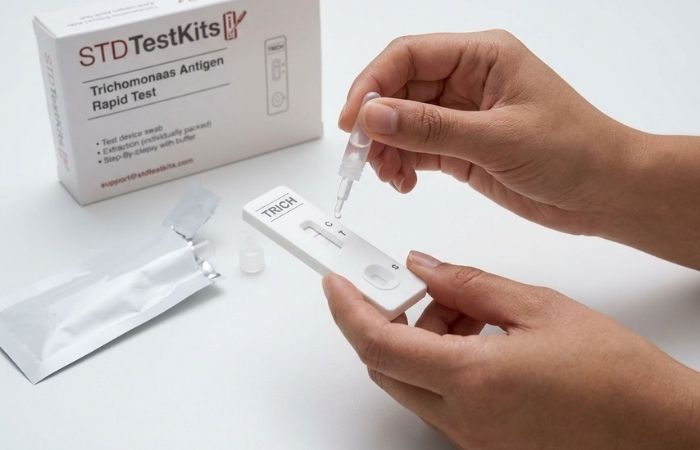
If you are not aware of your condition but would like some clarity without having to visit a doctor's office, you could try some of the discreet tests that are now available, such as those offered by STD Test Kits.
Symptom #1: Burning When You Urinate
The first symptom many people notice is a sharp or uncomfortable burning sensation while urinating. It can feel similar to a urinary tract infection, which is why people often assume that’s what it is at first.
This burning happens because the infection irritates the urethra, the tube that carries urine out of the body. When that tissue becomes inflamed, even normal urination can suddenly feel unpleasant or painful.
A common scenario looks like this: someone wakes up, goes to the bathroom, and feels a sudden sting they’ve never felt before. At first they brush it off as dehydration or irritation from sex the night before. But when it keeps happening, it becomes harder to ignore.
The tricky part is that this symptom can appear anywhere from about one to three weeks after exposure, though timing varies widely. Because burning urination overlaps with other conditions like UTIs or irritation from soaps, testing is often the only way to confirm what’s actually causing it.
Symptom #2: Unusual Discharge
Another sign that people with chlamydia tend to display is unusual discharge from the penis or vagina. To one person, it might be a little change. To another, it might be a bigger change.
In people with vaginas, the discharge might be cloudy, yellowish, or a different texture. In people with penises, the discharge might be milky or watery. It might be present at the end of the penis. The amount varies greatly. This is why many people are unaware that they are infected.
Discharge might be caused by other things. Hormones, yeast infections, or other body changes might cause a person to be unaware that he or she has chlamydia. This might be one reason why chlamydia is so contagious. A person might assume that he or she has a harmless disease.
If a person experiences unusual discharge with burning urination or pelvic discomfort, he or she should consult a doctor. A fast way to get tested for chlamydia with a chlamydia rapid test kit can be helpful.
| Symptom | How It Typically Appears |
|---|---|
| Burning during urination | Stinging or pain when peeing due to urethral inflammation |
| Unusual discharge | Cloudy, yellowish, or milky fluid from vagina or penis |
| Pelvic or lower abdominal pain | Dull ache or pressure in the lower stomach area |
| Pain during sex | Discomfort or deeper pelvic pain during intercourse |
| Bleeding between periods | Unexpected spotting outside the normal menstrual cycle |
Symptom #3: Pelvic or Lower Abdominal Pain
The next symptom that many people with chlamydia notice is not something they see but rather something they feel. A dull ache or pressure that people feel in their lower abdomen is one of the next symptoms that people notice after they have contracted the disease. People describe this as a nagging feeling of heaviness that they feel just below their belly button.
This is because the infection is moving deeper into the reproductive organs. In women with vaginas, the infection is moving into the cervix. Inflammation of the cervix is what is causing the pain. It may be a dull ache at first, which is why many people write it off as menstrual cramps or stomach cramps.
However, one patient once told a doctor this: “It felt like a period cramp that never really went away.” Doctors know that this is a symptom that they should look into more closely. When the symptom of pelvic pain is noticed after a sex encounter with someone that the patient has never had sex with before, doctors recommend that the patient be tested as quickly as possible.
Symptom #4: Pain During Sex
Another symptom that people are often surprised by is pain during sex. The sex they once had without any issues now hurts or is uncomfortable. This is because chlamydia causes inflammation in the cervix area. This inflammation causes pain in this area because of the friction caused by sex. This pain may only happen from time to time or all the time.
The scenario that people are in when they think they are only dealing with a normal issue is: they think they are only dealing with stress, dryness, or irritation. However, after multiple sex sessions, this pain is a clear indicator that something is going on. Sexual health experts always tell people that pain during sex is not something you have to deal with in silence. It is a clear indicator that something is wrong in your body, and it needs to be investigated to get answers quickly.
Symptom #5: Bleeding Between Periods
Unexpected spotting or bleeding between menstrual cycles is another symptom that people may develop with chlamydia. Although this symptom may not be the most common one, when it does occur, it usually causes a great deal of alarm.
The reason for this symptom is that the infection causes the cervix to become inflamed. The cervix has a number of blood vessels, and when these become inflamed, they are more likely to bleed, especially after having intercourse.
For some people, this symptom may appear after having intercourse when they spot blood that they did not expect. Others may experience random spotting a few days before their expected menstruation.
While there are a number of possible causes for this symptom, medical professionals usually advise people to seek STD tests if they are experiencing random spotting.
Why Many People With Chlamydia Have No Symptoms
Here’s the amazing truth that often catches people off guard: A tremendous percentage of people with chlamydia have absolutely no symptoms at all. A person may have the infection for weeks or months without even realizing anything is wrong.
That’s one reason why health experts always recommend that people get tested. If you wait until you have symptoms, you may never get tested.
Sexual health professionals hear this complaint over and over. A person feels perfectly healthy, goes in for a routine test with a new lover, and discovers they have chlamydia. While the news may come as a shock, from a medical standpoint, it’s extremely common.
If you’re in that old familiar “what if” mode from a new lover or a condom mishap, getting tested can put your mind at ease. Many people prefer at-home testing that’s available from organizations such as STD Test Kits.
When Chlamydia Symptoms Usually Appear
Timing is another reason people struggle to connect symptoms with an exposure. The body doesn’t respond instantly to infection. Instead, symptoms often appear gradually.
Most people who do develop symptoms notice them somewhere between one and three weeks after exposure. But this timeline isn’t universal. Some people experience symptoms earlier, while others may not notice anything for months.
This delay happens because the bacteria need time to multiply and trigger inflammation in the tissues they infect. During that period, someone might feel completely normal while the infection quietly develops.
| Time After Exposure | What May Happen |
|---|---|
| 1–7 days | Usually no noticeable symptoms yet |
| 7–21 days | Common window when burning urination or discharge may appear |
| 3–6 weeks | Pelvic pain, spotting, or pain during sex may develop |
| Months later | Some people remain asymptomatic despite infection |
This timeline is why healthcare providers often recommend testing about two weeks after a potential exposure for the most accurate results.
What to Do If You Notice Chlamydia Symptoms
When you notice any or all of these signs, your mind will likely begin to spin with possibilities. It’s completely understandable to think that perhaps something serious might be going on. The important thing to know, however, is that chlamydia ranks among the easiest sexually transmitted diseases to treat once it has been detected.
The first step to treatment is to get a test. While it might be tempting to try to diagnose the problem yourself by basing it off your signs and symptoms, this isn’t always very effective since many diseases can manifest with similar signs. Burning during urination could be a urinary tract infection, unusual discharge could be a yeast infection, and pain in the pelvic area could be dozens of things. Getting a test will clear up any uncertainty and let you know exactly what’s going on with your body.
If you do find out that you have chlamydia, treatment usually consists of antibiotics. In most cases, the infection will go away very quickly with the right antibiotics. While it might seem like it’s not a big deal, it’s worth noting that early treatment can make a huge difference.
For those who prefer to keep things private, it’s worth considering an at-home option like a chlamydia rapid test kit.
Talking to a Partner If You Might Have Chlamydia
One of the worst aspects of the STD scare is not the testing, but the conversation that may follow. There is often concern over how to bring this up with someone without creating alarm or blame.
Sexual health professionals recommend that the conversation should be handled as simply as possible. For example, “I noticed a few symptoms, and I am going to get tested. I thought it would be a good idea to be safe.”
It is important to note that chlamydia does not always manifest with symptoms. A positive test does not necessarily mean that the individual has been infected with the disease recently or that the partner they were with lied to them. In many cases, the individual did not know they had the disease.
By approaching the situation with a focus on health rather than blame, the situation is more likely to have a positive outcome.
FAQs
- 1. What are the first symptoms of chlamydia?
- The first symptoms of chlamydia include burning sensations while urinating or unusual discharge from the penis or vagina. However, not everyone may show symptoms immediately. The only way of detecting the infection is by testing.
- 2. Can you have chlamydia without symptoms?
- Yes, you can have chlamydia without showing symptoms. A large percentage of people infected with chlamydia do not show symptoms of the infection. Therefore, it is recommended that people practice regular STD testing, especially when they are sexually active.
- 3. How long after exposure do chlamydia symptoms appear?
- The symptoms of chlamydia may appear after one to three weeks of exposure. However, the time frame may vary from one individual to another. Some people may not show symptoms of chlamydia for an even longer period of time.
- 4. Does chlamydia cause itching?
- Yes, chlamydia may cause itching. However, the most common symptoms of chlamydia include burning while urinating, unusual discharge from the vagina or penis, pain in the pelvic region, and vaginal bleeding in between the periods.
- 5. What does chlamydia discharge look like?
- The discharge that is associated with chlamydia may be cloudy or yellowish in color and may look milky in appearance.
- 6. Can chlamydia go away by itself?
- It is very rare for chlamydia to go away without any treatment. The infection needs to be treated with medicine to go away completely.
- 7. Is chlamydia a painful STD?
- There are people who may feel some pain from chlamydia. For example, there may be pain in the pelvic area or discomfort while urinating or making love. Some people may not feel anything at all.
- 8. Can chlamydia cause bleeding between periods?
- Yes. For women with a vagina, chlamydia can cause bleeding between periods because it inflames the cervix.
- 9. How do doctors test for chlamydia?
- Doctors test for chlamydia by using a urine test or a swab from an infected area. The tests are very accurate and can identify chlamydia even if symptoms are mild.
- 10. Should I test for chlamydia if I have symptoms?
- Yes. If you are feeling symptoms such as a burning sensation while urinating or unusual discharge from your vagina or penis, then it would be best to get tested for chlamydia to see if it is an STD.
You Deserve Answers, Not Guesswork
It can be a little unnerving to discover unusual symptoms, especially as your mind begins to create worst-case scenarios. However, sexual health is a reality for millions of people to deal with annually, and the treatment for the vast majority of infections, even chlamydia, is easy to obtain once the diagnosis is made.
While your body might feel a little different, being tested for a sexually transmitted disease is just the responsible thing to do. It eliminates guesswork and puts the power of knowledge to work for you and your partners. You can find discreet testing options at any time at STD Test Kits.
We wrote our article using the most up-to-date advice from the best public health and medical groups. Then, we changed it into simple language based on real-life situations, like treatment, getting reinfected by a partner, being exposed to someone with no symptoms, and the awkward question of whether it "came back." We had a lot of different public health advice, clinical advice, and medical references in the background of our research, but the following are the most relevant and helpful for readers who want to check our claims for themselves.