What Happens If You Dont Use Condoms on Sex Toys
Quick Answer: Yes, you can get an STD from using a sex toy without a condom, especially if it’s shared or porous. But sex toys, especially those used internally, can be silent vehicles for infection.

Quick Answer: Yes, you can get an STD from using a sex toy without a condom, especially if it’s shared or porous. Pathogens like chlamydia, gonorrhea, and herpes can survive on toys long enough to infect you or your partner.
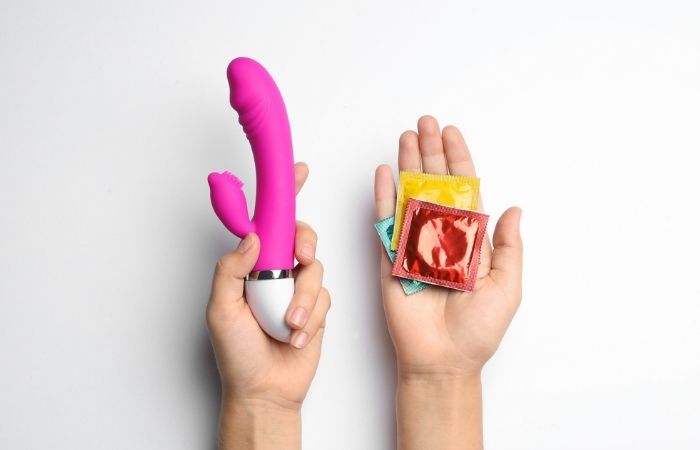
Why Condoms on Toys Actually Matter
Most people associate condoms with penis-in-vagina or penis-in-anus sex. But sex toys, especially those used internally, can be silent vehicles for infection. According to research published in the Sexually Transmitted Infections journal, certain STIs like HPV and chlamydia can live on surfaces for hours, even days, under the right conditions. And most sex toys aren’t made with hospital-grade sterilization in mind.
Here’s what people often forget: many common sex toys are made from porous materials. That means they can trap bacteria and viruses inside tiny holes or microscopic cracks in the surface, making cleaning alone unreliable. Without a barrier like a condom, those organisms can move from one body to another, especially if the toy is inserted into different partners (or different parts of the same body).
This is especially true for toys made of materials like jelly rubber, latex blends, or cheaper silicone. Even with cleaning, those pores can harbor infection. Using a condom on your toy creates a smoother surface, one that’s easy to change between uses and harder for bacteria to cling to.

“I Didn’t Sleep With Her. We Just Shared a Toy.”
Leah, 24, was just starting to explore her bisexuality when she had a sleepover hookup with a friend from grad school. “We didn’t do anything major,” she said. “We just used my toy. I used it, then she did, back to back. No condom.”
“I had no idea that counted as a risk. A few weeks later, I started having discharge and tested positive for gonorrhea. I was shocked. I hadn’t even had penetrative sex with a guy.”
Leah’s story is more common than you’d think. Toy-to-person transmission is an often overlooked route, especially among women who have sex with women, nonbinary people, or anyone in shared-play situations. It doesn’t take visible symptoms. It doesn’t even take long. A warm, moist toy used between bodies without a barrier is enough.
How Long Can STDs Survive on Sex Toys?
The survivability of pathogens depends on several factors: the toy material, moisture, temperature, and the specific infection. But some pathogens are surprisingly hardy. Studies from the National Institutes of Health show that viruses like HPV can remain stable on surfaces for up to 24 hours. Bacteria like gonorrhea may survive a few hours under moist conditions. Meanwhile, herpes simplex virus has been found to stay infectious on plastic for several hours, long enough to cause transmission if toys are passed around without cleaning or condom use.
| Infection | Survival Time on Toys (Estimate) | Can Be Transmitted Via Toys? |
|---|---|---|
| Chlamydia | Up to 2–3 hours (moist) | Yes |
| Gonorrhea | 1–4 hours (moist) | Yes |
| HPV | Up to 24 hours | Yes |
| Herpes (HSV-1, HSV-2) | 2–6 hours (plastic) | Yes |
| Hepatitis B | Up to 7 days (dry surface) | Rare, but possible |
Figure 1. Estimated survival times for common STIs on sex toy surfaces.
Wait, Can I Really Get Chlamydia Without Sex?
Yes, and this is where most people get confused. You don’t need traditional “sex” to catch an STD. Chlamydia, for instance, can infect the cervix, urethra, throat, or rectum depending on how it’s introduced. If a toy was inside someone who’s infected, even without symptoms, and it’s then used on someone else, the bacteria can move right along with it. It doesn’t need live ejaculation or skin-to-skin contact.
This matters a lot for people exploring intimacy in less “traditional” ways: queer partners, sex workers, kink communities, and even people rediscovering sex after trauma. STI risk isn’t about who you are, it’s about what’s shared, how, and how often.
And no, washing with soap and water between partners doesn’t always fix it. Many infections cling longer than you’d think, especially on toys with suction cups, seams, or textured finishes.
For peace of mind, it’s worth testing if you've shared a toy recently without a condom, especially if it was used vaginally, rectally, or by multiple people in a short timeframe.
Which Sex Toys Carry the Highest Risk?
Not all sex toys are created equal. Some are safer than others, especially when it comes to bacterial and viral transmission. The risk isn’t about shape or function; it’s about material, surface texture, and how the toy is used. Insertable toys, vibrators, dildos, anal plugs, and anything designed to go inside the body, pose the highest risk, especially when shared without barriers or proper cleaning.
What increases the risk? Reuse without cleaning, rapid switching between users or orifices, or failure to use a condom, especially on toys that can’t be boiled or disinfected thoroughly. Anal toys that are used vaginally without a barrier in between can introduce gut bacteria into the vagina, setting off infections like bacterial vaginosis or worse. Add in the possibility of carrying chlamydia or gonorrhea across partners, and the picture becomes clearer.
And let’s be real, sometimes you just grab a toy and go, especially in the heat of the moment. That’s why prepping toys with condoms in advance (or keeping them nearby) can help reduce risk without killing the vibe.
Why Some Materials Are Dangerous
It's also easy to assume that running it through a quick rinse will be enough, but if your toy is of porous material, soap and water simply won't cut it. Materials like jelly rubber, elastomer, and low-grade silicone can trap fluids and bacteria inside the minuscule pores on their surface. Even after washing, those pathogens might remain there. This makes them even more dangerous to reuse, or share-even solo-if you're using the toy on several parts of your body.
Here is a breakdown of common materials and the risk when used without a condom:
| Material | Porous? | Needs Condom? | Safe to Share? |
|---|---|---|---|
| Jelly Rubber | Yes | Absolutely | No |
| Silicone (Non-medical grade) | Somewhat | Yes | Only with condom |
| Medical-grade Silicone | No | Recommended if sharing | Yes, if boiled between uses |
| ABS Plastic | No | Optional | Yes, with cleaning |
| Glass or Stainless Steel | No | Optional | Yes, if properly sanitized |
Figure 2. Material risks and barrier recommendations for common sex toys.
Bottom line: If your toy is soft, squishy, smells like chemicals, or doesn’t specify medical-grade materials, it’s likely porous. And even non-porous toys should be wrapped if you're sharing or switching between body parts.
How to Use Toys Safely, With or Without a Condom
If you’re flying solo, your risk of STI transmission from a toy is low, but not zero. If you use the same toy vaginally and anally without cleaning or a barrier in between, bacteria can still spread and cause infection. If you’ve had past partners and haven’t sanitized the toy since, that risk can linger too.
Here’s a simple rule: if it goes inside you, it deserves a barrier or a boil. Condoms are the quickest option, just slip one on before use, change it between partners or holes, and toss it afterward. Lube? Make sure it's compatible with both the condom and toy material (water-based is safest for most). For toys without motor parts, boiling for 5–10 minutes can sterilize them. For vibrators or toys with electrical components, stick to a high-quality antibacterial toy cleaner and a dry, sealed storage system.
For people in relationships or group dynamics where toys are shared often, building in condom use (or dedicated toys for each partner) can become part of the routine, without shame or awkwardness. It’s not just about protection. It’s about respect, safety, and staying in control of your health.
Don’t Wait and Wonder, Get the Clarity You Deserve
If you’ve recently used a toy without a condom, especially one that was shared or went from anal to vaginal use, you deserve to know what’s going on inside your body. STDs don’t always announce themselves with symptoms. In fact, many people carry chlamydia or HPV for months without a clue.
You don’t need to panic, but you don’t need to guess either. This discreet at-home combo test kit checks for the most common STDs and ships in private packaging. Whether you’re looking for peace of mind or a reset, you can test, treat, and move forward, without ever leaving home.
What to Do If You Used a Toy Without a Condom
Don't beat yourself up if you came here because you recently used a toy without a condom, whether you shared it or just switched between holes. This isn't about being ashamed. It's time to think about what to do next. First, pay attention to your body. Do you have any new symptoms that are strange, like itching, burning, discharge, or pain? If so, it's time to test now.
But here's the hard part: most STDs don't show symptoms right away. That's when things get tricky with timing. You could still have an infection even if you feel fine, which means you could pass it on to a partner later without knowing it. If you test too soon, you might also get a false negative, especially if it's within the first few days of being exposed.
That's why it's best to test at the right time, not just right away.
When to Test: Timing Is Everything
Every infection has what’s called a “window period”, the time between exposure and when a test can accurately detect it. For most bacterial STDs like chlamydia and gonorrhea, this window is about 7 to 14 days. If you test too soon, you may get a false negative even if you’re infected.
Here’s a quick breakdown of when to test after toy-based exposure:
- Chlamydia, Gonorrhea: Test 7–14 days after exposure
- Herpes: Blood tests become accurate after 3–6 weeks
- HPV: Usually detected via pap or DNA testing; no rapid test
- Trichomoniasis: NAAT or antigen tests become reliable after 5–7 days
If you're unsure when the exposure happened, or it was ongoing, it’s okay to test now and retest later. This is common. Many people take a “baseline” test to ease anxiety, then a follow-up test 2–4 weeks later to confirm accuracy.
“I Tested Too Early and Paid the Price”
Dante, 31, shared a toy with a new partner during a threesome. No condoms. “I was nervous,” he said. “So I tested three days later, negative. I figured I was fine.”
“But two weeks later, I started having discomfort. A second test came back positive for trichomoniasis. If I’d waited the full window, I would’ve caught it earlier and saved my partner the exposure.”
Dante’s story isn’t rare. The emotional need for answers is real, but testing too early can give a false sense of security. That’s why timing and retesting matter. It’s not about paranoia. It’s about precision.
Should You Retest? Here’s When It’s Smart
Even if your first test comes back negative, certain scenarios call for a retest:
- You tested before the 7-day window
- Your symptoms started after the test
- You used a porous toy that wasn’t sterilized
- You shared toys with multiple partners
- You’re immunocompromised or pregnant
In these cases, a follow-up test at 3–4 weeks gives you the clearest picture. It’s also worth retesting after treatment if you do test positive, especially for trichomoniasis and gonorrhea, where reinfection is common.
And remember, testing doesn’t just protect you, it protects everyone you connect with. Explore discreet test kits here and choose the timing that fits your exposure window.
What If You Test Positive?
First, breathe. Most STIs are treatable, manageable, and common. A positive result after using a shared toy doesn’t mean you’re reckless or dirty. It means you’re paying attention, and that’s powerful.
Depending on the infection, your immediate actions will vary. Bacterial infections such as Chlamydia, Gonorrhea, etc., caused by an STD, will require antibiotics. Once you have been diagnosed positively for an infection such as herpes, your treatment may involve antiviral drugs, counseling, etc. In each scenario, the earlier you take these steps, the smoother your experience will be.
Make sure to alert partners (or future ones) when relevant. It might feel awkward, but it's easier than living with untreated infection. You can even use anonymous text services to notify past partners without direct confrontation.
If you used a toy with a partner and now test positive, offer them the chance to test too. It’s not about blame, it’s about care.
FAQs
- 1. Can I really catch something from a sex toy?
- Yeah, especially if it was a shared toy or if it had been used in more than one place without being washed or with a condom. STDs such as chlamydia, gonorrhea, and herpes can be transmitted without actual sex. They just need a ride. And a toy can be a ride if it’s not handled well.
- 2. Is wiping a toy before using it on someone else enough?
- Possibly. But that depends on how well the wiping was done, what type of material the toy is made of, and how quickly it was reused. Porous materials (like soft and squashy or rubbery ones) retain bacteria even after being cleaned. If the wiping did not kill bacteria present in that material, then there may still be a problem. What would be best? Well, test.
- 3. How long can STDs live on toys, anyway?
- Some bacteria can survive a few hours if the toy stays moist. Viruses like HPV can last on surfaces for a whole day. It’s wild. Dry plastic doesn’t keep things alive as long, but soft toys or ones with seams and textures? Total bacteria playground.
- 4. Do I need to use condoms on toys if I’m solo?
- If it’s just you, and you’re not switching holes or reusing old toys, the risk is low. But if you’re going from backdoor to front door, or using a toy that’s been around the block, wrap it or clean it like you would if you were sharing. Your body deserves the same care, solo or not.
- 5. I didn’t feel anything weird after using a toy. Should I still test?
- Yes. Most STIs are sneaky. You could carry chlamydia or trich for months without a single symptom. So “I feel fine” doesn’t always mean “I’m in the clear.” If you shared a toy, skipped a condom, or used one you hadn’t cleaned well, a test is smart, even if you’re symptom-free.
- 6. Isn’t boiling my toy overkill?
- Not if you want to keep using it safely. For non-electric, non-porous toys (like glass, steel, or medical-grade silicone), boiling is the gold standard. Think of it as hitting the reset button. If boiling’s not an option, use a toy cleaner that kills bacteria, not just soap and water.
- 7. Someone said herpes can live on a toy. Is that real?
- Yeah, unfortunately it’s true. Herpes simplex virus can live on hard plastic for hours. If someone has a flare-up, or even shedding without symptoms, it can transfer to a toy and then to the next user. This is one reason condoms on toys are a thing, even when nobody’s visibly sick.
- 8. Are condoms on toys just for group sex or kink scenes?
- Not at all. They’re for anyone who wants to preserve their toys as well as their own body. Condoms make sex toy cleanup a breeze. They allow you to easily switch between sexual partners or sex parts without playing STI roulette.
- 9. I tested negative, but I’m still worried. Should I retest?
- If you tested before the 7-day mark after exposure, or if you’ve got symptoms that popped up later, yes, retest. Timing matters. Early negatives can feel reassuring but might not catch new infections. A follow-up test at 3–4 weeks gives a clearer answer.
- 10. Is testing after toy use overreacting?
- Not even close. It’s responsible. Just like you’d test after an unprotected hookup, you should check in if a toy situation feels sketchy. It’s not dramatic, it’s just care. And with at-home kits, it’s also easy, private, and over in minutes.
You Deserve Answers, Not Assumptions
Sex toys are part of a vibrant, healthy, and joyful sex life, but they’re not immune to biology. Whether you’re exploring solo or sharing with others, using protection on your toys is a simple, powerful act of care. If you skipped the condom or weren’t sure what materials your toy was made from, don’t panic, just act.
Your body deserves clarity. This at-home combo test kit screens for the most common STDs, no clinic required. It ships discreetly, reads in minutes, and gives you peace of mind, without the shame, waiting rooms, or judgment.
How We Sourced This Article: We combined current guidance from leading medical organizations with peer-reviewed research and lived-experience reporting to make this guide practical, compassionate, and accurate. In total, around fifteen references informed the writing; below, we’ve highlighted six of the most relevant and reader-friendly sources.