Too Tired to Train? Exercising with Hepatitis B or C
Quick Answer: Exercising with hepatitis B or C is generally safe, but only when your energy levels and symptoms allow. Fatigue, nausea, and liver inflammation are signs to rest. The biggest obstacle? Fatigue.
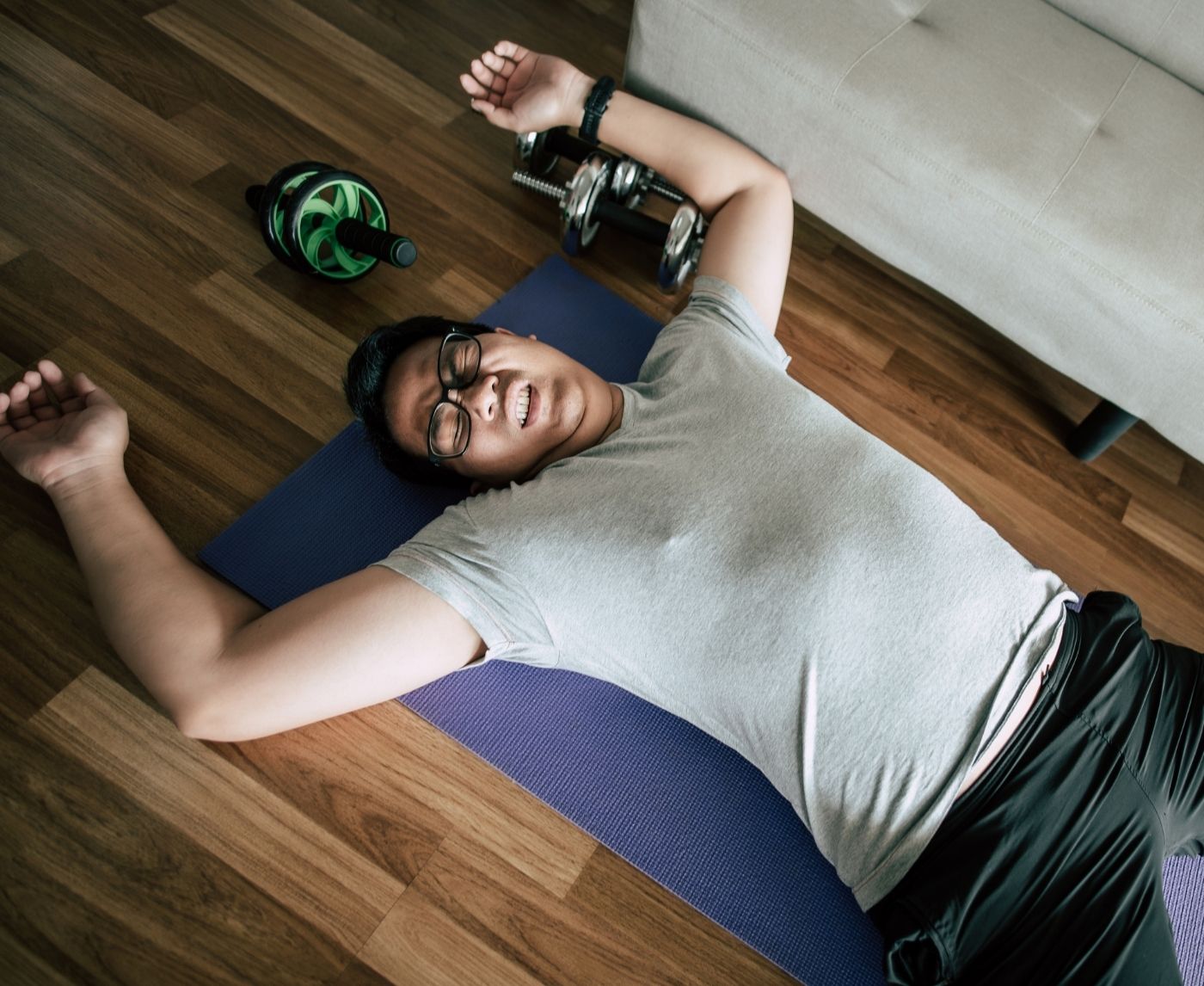
Quick Answer: Exercising with hepatitis B or C is generally safe, but only when your energy levels and symptoms allow. Fatigue, nausea, and liver inflammation are signs to rest. Choose low-impact movement over intense training until you’re cleared by a provider.
Why This Topic Hits So Hard
Living with hepatitis isn’t just a medical diagnosis, it’s a daily negotiation between what your body wants and what your mind thinks it should do. Whether you’re someone who used to crush HIIT workouts or just started walking to manage anxiety, a hepatitis diagnosis can throw a wrench into your fitness plans. The biggest obstacle? Fatigue. It’s not just tiredness, it’s whole-body exhaustion that doesn’t go away with a nap.
Many people also carry internalized shame around resting or "doing less." Some feel pressure to "bounce back" after diagnosis. Others fear judgment at the gym or from friends who don’t understand what hepatitis even means. But here’s the truth: listening to your body is strength, not weakness. And yes, movement can help your healing journey, if done with intention.

What Hepatitis B and C Do to Your Body (and Energy)
Hepatitis B and hepatitis C both affect the liver, a powerhouse organ responsible for filtering toxins, processing nutrients, and regulating your metabolism. When the liver is inflamed or infected, your entire body feels it. That includes your stamina, focus, digestion, and even your emotional state.
Here’s what might be happening inside your body when you try to work out while infected:
| Hepatitis Effect | Exercise Impact |
|---|---|
| Inflamed liver struggles to detox blood | Exercise may lead to more fatigue, nausea, or dizziness |
| Impaired glycogen storage | Less energy available for intense or long workouts |
| Immune system activation | Increased inflammation can worsen muscle recovery |
| Fatigue due to liver dysfunction | Even light activity may feel draining or frustrating |
Table 1. How hepatitis-related liver changes can alter your workout experience.
Understanding these effects helps explain why a 10-minute jog might leave you gasping, or why you feel sore for days after lifting light weights. Your body isn’t broken. It’s trying to heal. And healing takes energy.
Cardio, Strength, or Yoga? Matching Movement to Your Hepatitis Phase
All exercise isn't the same, and the risks involved for exercising while having hepatitis are very dependent on the nature of the activity you are engaging in and where you are in your illness.
| Type of Exercise | When It’s Safe | When to Avoid |
|---|---|---|
| Walking / Light Cardio | Most safe during chronic or recovery stages | Skip during acute flare-ups or if dizzy/nauseous |
| Strength Training | Okay if mild, bodyweight-based, and well-paced | Avoid if muscle soreness triggers fatigue or liver tenderness is present |
| Yoga / Stretching | Often beneficial, helps mood, pain, and flexibility | Caution if abdominal pain or balance issues occur |
| High-Intensity Interval Training (HIIT) | Only after full symptom resolution and medical clearance | Too taxing for most during active or recovery stages |
Table 2. Matching exercise type with hepatitis phase and symptom load.
Think of movement as medicine. The goal isn’t to “burn calories”, it’s to support circulation, mood, and metabolism without overloading your already stressed liver. You’re not failing if your workout today is a walk around the block instead of a gym session. You’re adapting, and that’s survival.
When You Should Stop: Red Flags You Can’t Ignore
One of the hardest things for people, especially athletes or gym regulars, to accept is when exercise becomes counterproductive. With hepatitis B or C, knowing when to push and when to pause isn’t just about comfort. It’s about safety.
If you're mid-workout and feel any of the following symptoms, it’s time to stop immediately and rest:
| Symptom | What It Might Mean |
|---|---|
| Sharp pain under your right rib cage | Possible liver inflammation or enlargement, stop all activity |
| Sudden nausea or vomiting during activity | Liver struggling to process toxins or heat stress |
| Unusual yellowing of skin or eyes (jaundice flare) | Possible symptom spike, rest and hydrate, seek medical input |
| Extreme fatigue or faintness | Your liver and muscles may not have enough fuel or oxygen |
| Dark-colored urine after working out | Can signal liver distress or dehydration, don’t ignore it |
Table 3. Red flag symptoms that signal it's time to stop exercising immediately.
These aren’t scare tactics, they’re guidelines to protect your energy and your liver. Remember: your liver is already working overtime to repair inflammation or manage viral load. If it’s sending you signals like nausea or exhaustion, it’s not weakness. It’s communication.
How Movement Affects Hepatitis Symptoms (And What to Expect)
You might be wondering, “If movement is supposed to be good for me, why does it sometimes feel so awful?” Here’s how different hepatitis-related symptoms can interact with physical activity:
- Fatigue: the most common and least predictable sign. Walking can give some people energy. Some people pass out. To find your patterns, try keeping a short log of how you feel after working out.
- Jaundice: If your skin and your eyes are turning yellow, it means your liver is coping with an extra burden. So, no more sweating sessions for you, and plenty of rest and hydration.
- Liver Pain or Discomfort: Activities that activate the core and abdominal muscles, such as crunches and planks, can exacerbate the sensitivity of the liver.
- Nausea: If you have nausea or an upset stomach, don't exercise until these symptoms go away. High-impact workouts can shake up your core and make your stomach feel worse.
- Depression or Brain Fog: Mild movement (especially outdoors) can improve mood and cognition, but don’t expect instant results. Start small, stay patient, and prioritize consistency over intensity.
Bottom line: hepatitis doesn’t respond to force. It responds to flow. You’ll get more long-term benefit from a 20-minute slow walk four times a week than two forced gym sessions that leave you wrecked.
“I Used to Lift Heavy. Now I Track My Heart Rate.”
Keisha, 32, was diagnosed with hepatitis C after a routine blood test during a fertility checkup. “I was shocked,” she recalls. “I felt fine. But after the diagnosis, I started noticing how exhausted I really was.” A dedicated CrossFit athlete, Keisha initially tried to keep up with her usual routine, deadlifts, box jumps, sprints. “Within ten minutes, I felt like I was going to faint. My trainer said I looked gray.”
Eventually, she pivoted. “Now I do light cycling, some dumbbell work, and yoga. I track my heart rate and stop when it spikes too fast. I’ve learned that healing isn’t about pushing, it’s about listening. And I’m actually stronger for it.”
“You don’t have to give up movement to manage hepatitis. But you do have to give up the idea that pushing through is always brave.”
What If You’re on Hepatitis Treatment?
Modern treatment for hepatitis C, often a 1- to 3-month course of direct-acting antivirals, can drastically reduce or eliminate viral load. But even while on treatment, your body is still undergoing shifts that can affect energy, metabolism, and digestion.
Some medications can cause mild anemia, joint pain, or headaches, side effects that may flare up with vigorous exercise. Always ask your provider if it’s okay to exercise while on treatment, and watch for how your body reacts the first few times you move. If you’re on medication for hepatitis B, like tenofovir or entecavir, these tend to be better tolerated long term, but you’ll still need to adjust workouts based on fatigue and liver function.
That said, low-to-moderate movement can actually improve medication tolerance by boosting circulation, lymphatic drainage, and mental clarity. Just don’t confuse movement with “sweating out toxins”, that myth needs to die. Your liver doesn’t need punishment. It needs support.
Your Body, Your Terms, And Your Test Kit
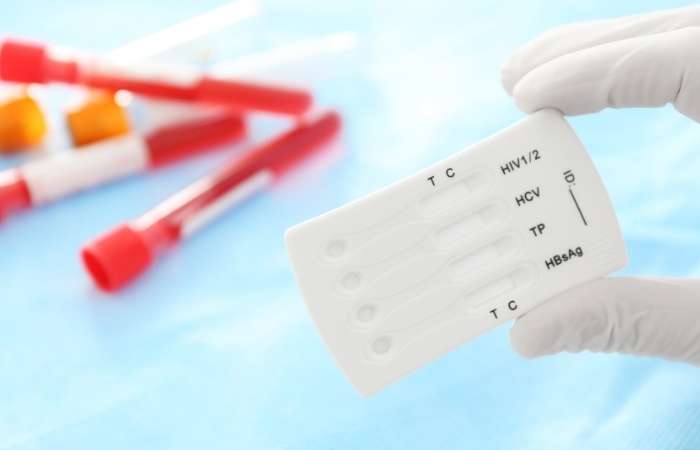
If you’re not sure how recent symptoms line up, or you haven’t confirmed your hepatitis status yet, consider starting with a simple, discreet home test. This hepatitis B test kit and the hepatitis C version both offer quick answers you can act on. No lab wait. No awkward questions. Just clarity.
Your health journey is yours alone. Whether you’re restarting a fitness routine or pausing to rest, you deserve tools that support your choices, not shame them.
Don’t wait and wonder, your body already knows when something’s off. STD Test Kits makes it easy to find out where you stand.
Recovery Looks Different: Post-Workout Tips for Hepatitis
What you do after exercise matters just as much, if not more, than the movement itself. If you’re living with hepatitis B or C, recovery isn’t just about soreness, it’s about avoiding inflammation spikes, honoring your energy, and supporting your liver’s ability to repair.
Here are recovery practices that actually help:
- Hydrate deeply, not just “enough”: Liver stress can reduce your body’s ability to regulate fluids, especially after sweating. Aim for small sips over several hours instead of chugging a bottle right after.
- Eat liver-supportive foods: Skip the protein shake with five ingredients you can’t pronounce. Instead, go for cooked leafy greens, brown rice, boiled eggs, or miso soup, easy on digestion, high in nutrients.
- Rest without guilt: It’s okay to nap after a short workout. Recovery doesn’t need to be “earned.” You’re rebuilding. That takes energy.
- Watch for delayed-onset symptoms: Some hepatitis-related symptoms don’t flare up until hours later, like headaches, nausea, or irritability. Keep a post-exercise symptom journal if needed.
- Skip alcohol, obviously: Even small amounts after a workout can stress the liver, especially if it’s already inflamed from activity. There’s no “safe” amount when your liver is working overtime.
And if you’re feeling pressure to “get back to normal,” remember: this is your new normal for now. Normal means adapting. Normal means healing at your own pace.
The Gym Can Feel Hostile, Let’s Change That
For many people with hepatitis, gyms don’t feel like supportive spaces. Whether it’s fear of disclosure, embarrassment about fatigue, or assumptions from trainers who don’t understand invisible illness, the fitness world can unintentionally make people with chronic conditions feel like outsiders.
Marcus, 41, shared his story anonymously in an online forum: “I told my personal trainer I had hepatitis B because I wanted to be careful with intensity. She acted like I had told her I was contagious through sweat. I never went back.”
You don’t owe anyone your medical history. But if you choose to share, know this: a qualified trainer will not judge you. They’ll modify your plan. They’ll listen. And if they don’t, they’re not worth your time or your membership fees.
If you don’t feel safe in traditional gyms, explore alternatives:
- Outdoor workouts alone or with a trusted friend
- Online fitness classes you can pause or pace as needed
- Low-cost community centers with wellness programming
- Therapeutic yoga or tai chi studios familiar with chronic illness
Staying active shouldn’t come at the cost of your dignity. Your body has been through enough. You deserve spaces that honor that.
Debunking Hepatitis and Exercise Myths
There’s a lot of bad advice floating around, especially in fitness circles. Let’s clear up a few of the most damaging myths about working out with hepatitis:
Myth #1: “You can sweat out the virus.”
Absolutely false. Hepatitis isn’t detoxed through sweat, saunas, or sweat lodges. The liver, not your sweat glands, processes viruses, and it needs rest, not heat overload, to do it well.
Myth #2: “If you’re not bedridden, you should exercise.”
Nope. Invisible symptoms like brain fog and fatigue are real. Pushing through can backfire. Rest is a legitimate form of self-care, and sometimes the most healing one.
Myth #3: “You’ll spread hepatitis by sweating on equipment.”
This is stigma, not science. Hepatitis B and C are not spread through sweat. Transmission requires blood-to-blood contact or, in rare cases, certain bodily fluids, not casual gym contact or shared benches.
Myth #4: “You’ll get lazy if you stop exercising.”
Resting to manage liver inflammation is not laziness. It’s intelligence. You’re not “losing progress”, you’re preserving function.
Myth #5: “Once you feel better, you’re cured.”
Symptoms can fade even when the virus is still active. Always confirm your status with proper testing. Don’t rely on energy levels alone to tell you if you’re in the clear.
FAQs
- 1. Can I still go to the gym with hepatitis?
- You can, and you don’t need to wear a badge or make a speech about it. As long as you’re not in an acute flare-up and you feel up for it, the gym is fair game. Just don’t push to prove something. Hepatitis doesn’t make you contagious through sweat or machines, so you’re not a risk to others. You’re just someone showing up for their health, like everyone else.
- 2. What if I’m too exhausted to move?
- Then don’t. Seriously. This isn’t about “no pain, no gain”, it’s about no shame, no crash. Fatigue from hepatitis B or C hits differently. If getting off the couch feels like a full-body task, your liver might be waving a little white flag. Honor that. Rest is recovery too.
- 3. Is it okay to lift weights if I have hepatitis?
- Maybe, but keep it light and kind. Think resistance bands, dumbbells, bodyweight work. You’re not training for a powerlifting meet (and if you are, let’s have a longer conversation). If you feel sore in weird places, get winded fast, or your body just feels “off,” ease up. There’s no trophy for pushing through liver pain.
- 4. Could exercise make my hepatitis worse?
- Not if you’re smart about it. In fact, gentle movement often helps, circulation, mood, sleep, digestion, all of it. But if you’re nauseous, seeing yellow in the mirror, or dealing with liver tenderness, that’s your body saying “today’s not the day.”
- 5. Can I catch hepatitis from gym equipment?
- Nope. This one’s pure stigma, not science. Hepatitis B and C are bloodborne, not passed through sweat, weights, yoga mats, or your post-leg-day glisten. Go ahead and wipe down the bench (because manners), but you’re not spreading anything unless there’s open blood contact, which isn’t happening in a spin class.
- 6. Why does a short walk feel like I ran a marathon?
- Because your liver is doing behind-the-scenes heavy lifting 24/7. When it’s inflamed or under attack, your energy tank drains faster. Even low-impact movement can leave you fried. That doesn’t mean you're weak. It means your body is multitasking a full-blown immune battle while you’re just trying to move your limbs. Respect that.
- 7. Is yoga okay, or is twisting my core risky?
- Yoga can be magic, but not all poses are friendly to your liver. Deep twists and belly compressions may be uncomfortable if your liver’s tender. Start with gentle flows, avoid hot yoga (your liver hates overheating), and don’t force anything that makes you dizzy or queasy. Your downward dog can wait until your body says yes.
- 8. Should I tell my trainer I have hepatitis?
- That’s entirely your call. If you trust them and want modifications, telling them helps. But you don’t owe anyone a medical memoir to justify doing modified pushups. If they treat you weird after disclosure? That’s a red flag on them, not you. Find someone who understands chronic conditions or is willing to learn.
- 9. Does sweating help “detox” the virus out of me?
- Nope, and let’s kill that myth for good. Your liver handles detox, not your sweat glands. Overdoing it in saunas or boot camps isn’t cleansing, it’s stressing your already overloaded system. Recovery isn’t about sweating more, it’s about healing smarter.
- 10. How will I know when it’s okay to go hard again?
- When your body tells you. When fatigue doesn’t slam you after a light workout. When your labs improve. When your mood lifts and you wake up energized. And when your doctor clears you. Until then? Go slow, stay curious, and honor every signal your body sends. Healing isn’t linear, but it is honest.
You Deserve Answers, Not Assumptions
Movement doesn’t need to be all or nothing. You’re allowed to take breaks, scale back, or pivot entirely while your body heals. If your energy is up, and your symptoms are stable, gentle activity can support your recovery. But if you're hurting, dizzy, nauseous, or deeply exhausted, the best thing you can do might be nothing at all.
Most importantly, don't wait for symptoms to tell you what’s going on. A simple test can confirm whether you’re dealing with hepatitis B, hepatitis C, or something else entirely. This at-home combo test kit checks for multiple STDs, including hepatitis, discreetly and reliably, so you can move forward with clarity.
You’re not fragile. You’re healing. And that’s a strength, not a setback.
How We Sourced This Article: We combined current guidance from leading medical organizations with peer-reviewed research and lived-experience reporting to make this guide practical, compassionate, and accurate. In total, around fifteen references informed the writing; below, we’ve highlighted some of the most relevant and reader-friendly sources.