Syphilis Treatment: What to Expect After Diagnosis
Quick Answer: Syphilis treatment usually involves one or more injections of penicillin that eliminate the bacteria causing the infection. For a lot of people, this moment feels bigger than it actually is medically.
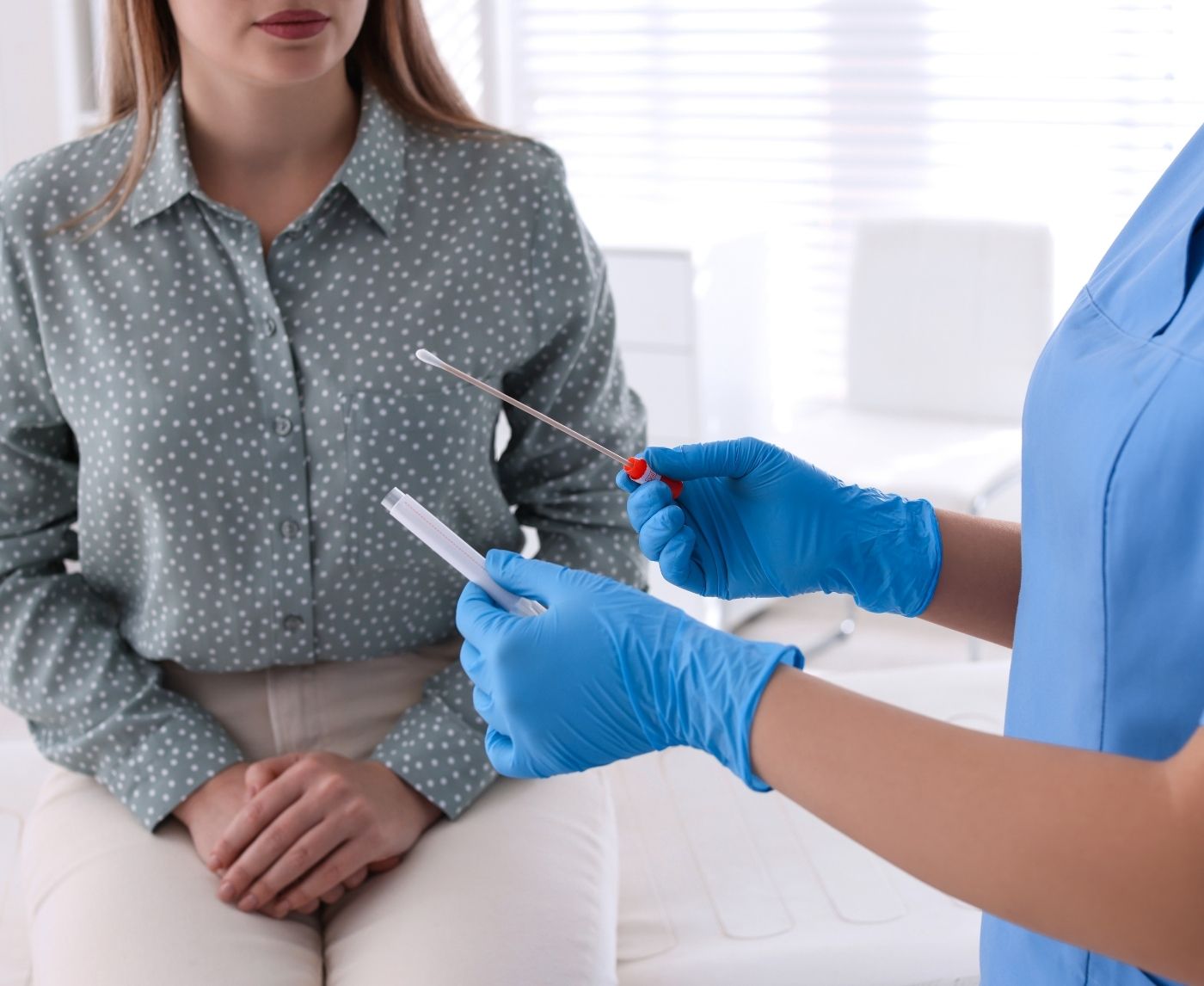
Quick Answer: Syphilis treatment usually involves one or more injections of penicillin that eliminate the bacteria causing the infection. Most people recover quickly, although follow-up blood tests are needed over several months to confirm the infection is fully cleared.
The Moment After Diagnosis: What Doctors Do First
Imagine sitting in an exam room while a clinician reviews your test results. For a lot of people, this moment feels bigger than it actually is medically. The infection has a long reputation, but modern treatment for syphilis is one of the most reliable antibiotic treatments in infectious disease medicine.
The bacteria responsible, Treponema pallidum, is extremely sensitive to penicillin. That means the medication doctors use today works remarkably well, often with a single injection if the infection is caught early.
At this stage, your provider typically focuses on three things: confirming the diagnosis, determining the stage of infection, and starting treatment as soon as possible.
The stage matters because syphilis develops gradually. Early infections require less treatment, while infections that have been present longer may require additional doses to ensure the bacteria are completely eliminated.
Most patients hear the same reassuring sentence during this visit:
“The good news is that this infection is very treatable.”
And in most cases, that statement turns out to be exactly right.

How Syphilis Treatment Actually Works
The standard treatment for syphilis has remained remarkably consistent for decades: an antibiotic called benzathine penicillin G. This medication is given as an injection into a large muscle, usually the upper buttock.
That shot delivers a slow-release form of penicillin that stays in the body long enough to kill the bacteria responsible for the infection.
While the idea of an injection can sound intimidating, most people are surprised by how quick the process is. The entire treatment visit often takes less than fifteen minutes.
The number of injections depends on how long the infection has likely been present.
| Stage of Syphilis | Typical Treatment | Reason |
|---|---|---|
| Early (Primary or Secondary) | Single penicillin injection | Early infections respond quickly to antibiotics |
| Early latent | Single injection | Infection present but symptoms minimal |
| Late latent or unknown duration | Three injections over three weeks | Longer exposure requires extended treatment |
| Neurosyphilis | IV antibiotics in hospital | Bacteria reached nervous system |
Fortunately, most people are diagnosed long before advanced complications develop. Early testing, whether through a clinic or an at-home STD testing option, often means treatment is simpler and faster.
In practical terms, many patients receive one injection and then move directly into the monitoring phase.
That monitoring phase is where doctors confirm that the infection is truly gone.
What the Penicillin Shot Feels Like
People often worry about the injection itself. The medication is thick compared to most vaccines, which means the shot can feel slightly more uncomfortable than a typical flu shot.
That said, the discomfort usually lasts only a few seconds. A brief soreness in the muscle afterward is common, similar to the feeling after a tetanus shot.
Most patients describe the experience as “unpleasant but manageable.” Some even laugh afterward because the buildup in their mind was worse than the actual injection.
“I expected something dramatic,” one patient joked after treatment. “It was basically a shot and then I was done.”
The more important thing to understand is that the medication begins working almost immediately once it enters the bloodstream.
Within hours, the antibiotic starts attacking the bacteria responsible for the infection.
And that process can trigger something that surprises many patients the first time it happens.
The First 24 Hours After Treatment
Most people walk out of the clinic after their syphilis treatment feeling surprisingly normal. The injection is done, the paperwork is finished, and the brain finally starts to calm down after what may have been days, or weeks, of worry.
But the first day after treatment is when the body begins responding to the antibiotic. The penicillin circulating in your bloodstream starts targeting the bacteria responsible for the infection. In many cases, nothing dramatic happens at all.
Some people simply go home, eat dinner, and move on with their day.
Others notice mild fatigue, soreness around the injection site, or a vague “run down” feeling later that evening. None of this is unusual. Antibiotics can sometimes trigger temporary immune responses while the body clears infection.
Doctors often recommend a simple plan for the first day: hydrate, rest if you feel tired, and avoid intense physical activity if the injection site feels sore.
Most patients wake up the next morning feeling completely fine.
What Happens to the Bacteria After the Shot
The key to penicillin’s effectiveness against syphilis comes down to the science of biology. The bacteria that cause the disease are extremely vulnerable to the drug.
Once the medicine gets into your system to a therapeutic level, it will start to interfere with the bacteria’s ability to maintain its cellular structure. Without the structure, the bacteria disintegrates and dies.
This doesn’t take very long. With an early infection, the medicine will start to kill the bacteria within hours.
However, getting rid of the bacteria and getting a cure are two different things. Once the infection is gone, your immune system will continue to produce antibodies to the infection, which will be evident in your blood tests.
This is why a doctor will look for the levels of the infection to change gradually over time instead of the infection disappearing completely.
Your body takes time to recalibrate.
How Symptoms Change After Treatment
Physical symptoms of syphilis often start to clear up within a matter of days after treatment. Exactly what changes, and how quickly, depends on the stage of the infection.
Infections with primary syphilis often start with a painless ulcer referred to as a chancre. Many patients do not even realize they have an ulcer until they receive a test for the infection. If treatment occurs while the patient still has the chancre, the chancre heals within a week or two.
Infections with secondary syphilis can include rashes, swollen lymph nodes, fatigue, or flu-like symptoms. These symptoms occur as the body reacts to the infection circulating through the bloodstream.
Symptoms eventually disappear after treatment as the infection leaves the body.
One patient described the change this way during a follow-up appointment:
“The rash stopped spreading first. Then it slowly faded until it was just gone.”
This type of change occurs extremely frequently. Once antibiotics rid the body of the infection, the body’s tissues start to repair the inflammation that originally produced the symptoms.
For most patients, the first two weeks after treatment pass with noticeable improvement.
Understanding the Stages of Syphilis and Their Treatment Needs
One of the reasons clinicians talk about “stages” when discussing syphilis is that the infection evolves gradually over time. Each stage reflects how long the bacteria have been present in the body and how widely they’ve spread.
Earlier stages are easier to treat because the bacteria have not had time to establish deeper infections in tissues.
| Stage | Common Signs | Treatment Approach |
|---|---|---|
| Primary | Painless sore at infection site | Single penicillin injection |
| Secondary | Rash, fatigue, swollen lymph nodes | Single penicillin injection |
| Latent | No visible symptoms | One or three injections depending on duration |
| Tertiary | Organ or nerve damage | Extended antibiotic therapy |
Most infections today are diagnosed during the primary or secondary stage thanks to improved screening and awareness.
This is good news because early-stage treatment is both simple and extremely effective.
For people who want to confirm their status privately before visiting a clinic, screening options such as those available through STD Test Kits can help identify infections earlier, when treatment is easiest.
Early detection dramatically changes the treatment experience.
The Goal of Treatment: Eliminate the Infection and Prevent Complications
Left untreated, syphilis can eventually affect the heart, brain, and nervous system. This is the stage that historically gave the infection its frightening reputation.
But modern treatment almost always prevents those outcomes.
When antibiotics are given early enough, the bacteria are removed from the body before they have the opportunity to cause lasting damage.
That’s why doctors emphasize testing whenever symptoms appear or when someone learns about a possible exposure. The earlier the infection is detected, the simpler the treatment tends to be.
For most patients diagnosed today, treatment is a short chapter rather than a lifelong condition.
When Treatment Kicks In: Why Some People Feel Worse First
A few hours after treatment, something unexpected can happen. Instead of immediately feeling better, some people suddenly feel like they’re getting the flu.
A headache creeps in. Muscles ache. A mild fever appears out of nowhere. For someone who just received a syphilis diagnosis and treatment, this can feel alarming.
This reaction actually has a name: the Jarisch–Herxheimer reaction. And despite how dramatic it can feel, it’s usually a sign that the antibiotic is doing exactly what it’s supposed to do.
When penicillin begins killing the Treponema pallidum bacteria responsible for syphilis, those bacteria break apart. As they die, they release inflammatory substances that briefly trigger flu-like symptoms in the body.
The immune system responds quickly, which creates that short-lived wave of fever, chills, fatigue, or body aches.
For most people, this reaction begins within 6 to 12 hours after treatment and fades within a day.
| Symptom | How Common | Typical Duration |
|---|---|---|
| Fever or chills | Common | 6–24 hours |
| Headache | Common | Several hours |
| Muscle aches | Moderately common | 12–24 hours |
| Temporary worsening of rash | Sometimes | Less than one day |
| Fatigue | Common | 1 day |
Doctors usually mention this possibility before the injection so patients don’t panic later that evening. If it happens, rest, fluids, and over-the-counter fever reducers usually help until the reaction fades.
The key point is that the reaction is temporary. It does not mean the treatment failed. In fact, many infectious disease specialists see it as evidence that the antibiotic is actively clearing the infection.
The Syphilis Treatment Timeline Most Patients Experience
One of the most reassuring things about syphilis treatment is how predictable the recovery process is.
Although the symptoms of syphilis vary depending on the stage, the recovery process is fairly consistent.
In fact, most people begin feeling physically normal within days. However, the proof that the treatment has worked comes from blood tests conducted over the next months.
| Time After Treatment | What Usually Happens |
|---|---|
| First 24 hours | Possible Jarisch–Herxheimer reaction; mild flu-like symptoms |
| First week | Rashes or sores begin fading |
| 2–4 weeks | Most physical symptoms fully resolve |
| 3 months | First follow-up blood test checks declining antibody levels |
| 6–12 months | Additional blood tests confirm infection has cleared |
This slow drop gives proof that the infection is no longer active.
In other words, how you feel isn't the only thing that matters when it comes to getting better. It's confirmed by changes in your blood work that can be measured.
When Symptoms Start to Disappear
The way symptoms improve depends on the stage of syphilis at the time treatment begins.
Someone treated during the early stages often sees rapid improvement. A painless sore from primary syphilis may already be healing by the time treatment happens. Secondary-stage rashes or flu-like symptoms usually begin fading within a week or two.
For many patients, the moment symptoms start improving brings a huge sense of relief.
“The rash was fading within days,” one patient explained after treatment. “That’s when I realized the antibiotics were actually working.”
Late-stage infections are more complicated, but those are far less common today thanks to earlier testing.
The majority of people diagnosed today receive treatment long before serious complications ever develop.
Why Follow-Up Testing Matters More Than You Think
Even though the symptoms have cleared up, the blood tests will still be used to verify that the syphilis infection has been completely treated.
This part of the treatment often surprises people. They feel better, think the infection is gone, and wonder why blood tests need to be performed.
Well, the answer is that the infection will linger quietly until the antibiotic treatment is complete or the patient is re-infected. The blood tests will verify that the antibiotic treatment completely eliminated the infection.
Most often, blood tests will be performed at three months, six months, and twelve months following treatment.
These tests will verify that the level of antibodies in the blood is decreasing steadily. This is a sign that the immune system is no longer fighting the infection.
However, for those who want to keep their visit to the clinic private or who want to check their blood tests between visits, some people use the STD Test Kits homepage to find out more about at-home testing tools.
However, the thing to keep in mind is that blood tests are not performed out of suspicion. Rather, it is the medical way of verifying that the treatment did exactly what it was designed to do.
When Is It Safe to Have Sex Again?
This is one of the most common questions people ask after they have received syphilis treatment. The answer is a straightforward one: doctors usually recommend waiting until your treatment is complete and your infection is resolving.
In some cases, when a patient receives a single-injection treatment for an early-stage infection, doctors recommend not having sexual intercourse for a minimum of seven days after receiving the antibiotic shot. This ensures the antibiotic is fully capable of removing the infection from your body and prevents you from giving it to another person.
It’s not just a matter of waiting until your infection is gone, though. You also have to consider your sexual partner’s health, especially if they were infected recently. This ensures both people are not stuck in a vicious cycle of reinfection.
An infectious disease doctor explained this during a consultation:
“Treatment fixes the infection in your body. Partner testing prevents the infection from coming right back.”
This is why many clinics encourage partner notification when it comes to syphilis treatment. It’s not about pointing fingers or having uncomfortable conversations. It’s about giving everyone a fair shot at getting rid of this infection in their body.
Can Syphilis Come Back After Treatment?
This is a question that provokes a great deal of anxiety. The quick response is that a cured infection eliminates the infection's causative bacteria.
Nevertheless, it is possible to contract a new infection if a person is later exposed to syphilis.
In essence, a cured infection treats a current infection but does not provide a long-term immunity against it. It does not provide a long-term immunity response like the body might against another infection.
This is one of the main reasons why sexual health professionals stress the significance of regular tests, especially for those with a number of sexual partners.
It is also worth noting that it is through tests that infections are identified in their early stages, where a single antibiotic injection is enough to cure the infection.
The Emotional Side of a Diagnosis
A positive test result can trigger a lot of emotions. Some people feel embarrassed. Others worry about how partners will react or what the diagnosis might say about their choices.
But from a public health perspective, syphilis is simply a bacterial infection, one that spreads through intimate contact and responds extremely well to antibiotics.
Sexual health professionals see these cases every single day. In fact, millions of infections are treated worldwide each year.
The most important shift people often make after treatment is recognizing that testing is not a sign of failure. It’s a sign of responsibility.
“Getting tested means you’re paying attention to your health,” one clinician often tells patients. “That’s something to be proud of, not ashamed of.”
Many people leave the experience with a stronger understanding of their sexual health and a clearer plan for protecting themselves and their partners in the future.
FAQs
- 1. How long does syphilis treatment take?
- Early syphilis infections can be treated with a penicillin injection. It takes effect within a few days inside the body. Although the process takes only a short time, the progress of the patient is monitored with blood tests conducted over a period of time of up to one year to confirm that the infection has been cleared.
- 2. Does the penicillin shot cure syphilis completely?
- Yes, it does. When penicillin is injected correctly, the bacteria causing the disease are completely eliminated from the body. When blood tests are conducted on the patient later, they confirm that the level of antibodies has returned to normal.
- 3. Why did I feel sick after my syphilis shot?
- Some people who undergo penicillin injection to cure their syphilis experience flu-like symptoms referred to as the Jarisch-Herxheimer reaction.
- 4. How soon will the symptoms disappear after treatment?
- Most of the patient’s syphilis symptoms disappear within a few days after the penicillin injection has taken effect. The boils on the patient’s skin disappear after a few weeks after the antibiotic has eliminated the bacteria.
- 5. Will my blood test always show syphilis after treatment?
- These can stay in the body for a few years even after the infection has been cleared. What the doctor is looking at is the reduction in the level of the antibodies.
- 6. Can you get syphilis again after being treated?
- Yes. This is because the infection is cleared with the treatment you are given, but you do not become immune to it and can get infected again.
- 7. Do sexual partners need treatment too?
- Yes, often. This is because if other people have had sex with you, they should be tested and treated as well to prevent re-infection.
- 8. Is syphilis treatment painful?
- Yes, but only to a small extent because the injection hurts a bit as the medication is quite thick.
- 9. What happens if syphilis isn’t treated?
- If syphilis is not treated, the infection can advance to different stages and end up affecting the heart, brain, and nervous system.
- 10. Should I get tested again after treatment?
- Yes. This is because doctors recommend that you should get tested again using blood samples taken over a period of time to ascertain whether you are completely cured of the infection.
You Deserve Clarity, Not Guesswork
However, the waiting and worrying can be much more stressful than the actual testing and treatment. The truth is that syphilis is one of the easiest sexually transmitted diseases to treat as long as it is caught early.
Testing is the best way to find out what is going on when in doubt about a recent exposure or want to find out what is going on without anyone else's knowledge. A person can test for various diseases in private with the Syphilis At-Home STD Test Kit without the need to wait for a scheduled appointment.
Information is what makes it easy to take care of your sexual health.
This article combines advice from experts in infectious diseases, public health groups, and peer-reviewed research on how to find and treat syphilis. We also include real patient concerns that come up a lot during clinical consultations to make sure the advice is based on what really happens.