Why Do Some People Never Show STD Symptoms?
Quick Answer: Some STDs cause no symptoms at all, especially in the early stages. This is called being “asymptomatic,” and it’s common with infections like chlamydia, gonorrhea, HPV, and even HIV. No visible sores.

Quick Answer: Some STDs cause no symptoms at all, especially in the early stages. This is called being “asymptomatic,” and it’s common with infections like chlamydia, gonorrhea, HPV, and even HIV. Regular testing, not symptoms, is the only reliable way to know your status.
Who This Guide Is For (And Why It Matters)
This article is for anyone who’s ever been blindsided by a test result, or avoided testing because “nothing felt wrong.” It’s for new partners learning to navigate each other’s histories, for college students post-hookup, and for adults reentering the dating world after a long relationship. It’s also for the quietly panicked, those who Googled a symptom, didn’t see it match, and moved on, still unsure.
Picture this: you're on a weekend trip, a new fling in the rearview. You Google “burning after sex” in a gas station parking lot and come up empty. No visible sores. No unusual smell. Maybe it’s nothing. Maybe it’s everything. That limbo, the not-knowing, is where most infections spread.
Testing is not about catching symptoms. It’s about catching what your body might never tell you. In this article, we’ll explore why some STDs stay quiet, what “asymptomatic” really means, which infections are most likely to fly under the radar, and what to do if you test positive with no signs at all.
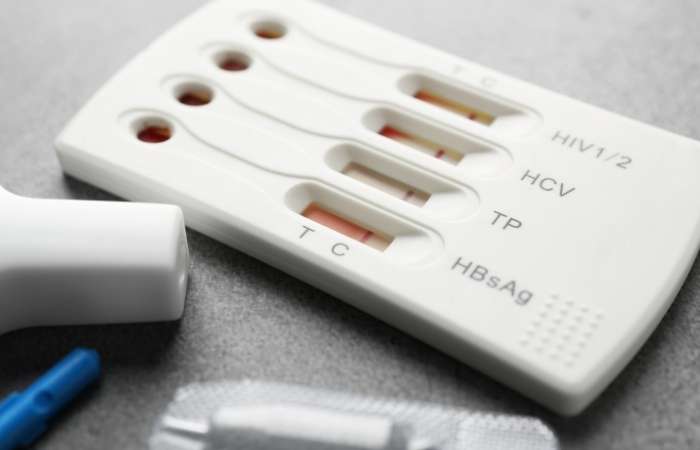
Why “No Symptoms” Doesn’t Mean “No Infection”
Let’s start with a blunt truth: most STDs don’t cause noticeable symptoms in the early stages. And for some people, they never will. This isn’t rare. In fact, it’s the rule for many common infections.
According to the CDC, up to 70% of women and 50% of men with chlamydia have no symptoms. Gonorrhea can be equally sneaky, especially in people with vaginas. And with HPV, most infections clear on their own with zero signs.
This silent phase doesn’t mean the infection isn’t active. It just means the body isn’t reacting in a way you can easily see or feel. That’s why regular screening is recommended even for people who feel “totally normal.”
The Science of Asymptomatic STDs
So, why do some people get sores that hurt or burn, while others don't get anything at all? The answer is in the complicated relationship between your immune system, the infection, and even your genes.
Some STDs remain localized in areas where symptoms are less likely to show, like the throat, cervix, or rectum. Others may trigger only mild inflammation that’s mistaken for something else (like a UTI or irritation from sex).
And sometimes, your immune system suppresses the infection enough to keep it quiet but not enough to clear it entirely. That’s what can happen with herpes: you might never get an outbreak, but you can still carry and transmit the virus.
One study published in the journal Sexually Transmitted Diseases found that asymptomatic individuals were just as likely to spread STDs as those with symptoms, simply because they didn’t know they were infected and continued having unprotected sex.
Which STDs Are Most Likely to Be Asymptomatic?
Here’s a breakdown of common STDs and how often they show no symptoms, based on clinical studies and public health reports:
| STD | % Asymptomatic (Approx.) | Notes |
|---|---|---|
| Chlamydia | 70% (women), 50% (men) | Most common bacterial STD; often silent |
| Gonorrhea | 50–80% (women), 10–20% (men) | Men more likely to show symptoms |
| HPV | 90%+ | Usually clears without symptoms |
| Herpes (HSV-2) | 80%+ | Can still shed virus and transmit |
| Trichomoniasis | 70%+ | Often symptomless in men |
| HIV | 20–60% | May have flu-like symptoms early, then go silent |
Figure 1. Estimated rates of asymptomatic infections by STD. Data compiled from CDC, WHO, and peer-reviewed studies.
When It Looks Like Nothing, and It’s Still Something
Jordan, 28, was prepping for an overseas work trip when a friend suggested a full-panel STD test. “I hadn’t had symptoms in years,” he said. “I assumed I was clean. But boom, positive for trichomoniasis. I’d been dating someone new, no condoms. I probably gave it to her.”
These types of stories aren’t rare. In fact, they’re the norm. People often find out about an STD through a routine test, a partner’s diagnosis, or during pregnancy screening, not because of any discomfort or visible change. That’s how silent STDs continue to spread: they ride under the radar until someone gets tested for a totally unrelated reason.
It’s easy to chalk up odd sensations to other causes. Vaginal itching? Maybe it’s a yeast infection. A bit of rectal discomfort? Could be hemorrhoids. Minor urinary changes? Probably a UTI. But the overlap between STD symptoms and more benign conditions is part of the diagnostic fog. This is especially true for people with vaginas, whose symptoms are often more internal and less dramatic.
Can You Still Pass an STD With No Symptoms?
Yes, absolutely. One of the most dangerous myths out there is “I feel fine, so I’m not contagious.” But asymptomatic people can still shed viruses or bacteria and pass infections to their partners.
For example, someone with herpes simplex virus may not have had a visible outbreak for years, but can still experience what’s known as “asymptomatic viral shedding.” According to a 2021 JAMA study, shedding can occur in 10–20% of days sampled, even when no lesions are present.
The same goes for chlamydia and gonorrhea, which can live in the throat, rectum, or genitals without causing symptoms, yet remain highly transmissible through oral, vaginal, or anal sex. You don’t need symptoms to be a carrier. You just need exposure.
Why Some People Never Show Symptoms (And Others Do)
It’s not about hygiene or morality, it’s about biology. Whether or not you get symptoms depends on several factors:
| Factor | How It Affects Symptoms |
|---|---|
| Immune System Response | Some bodies react with inflammation, others don’t. Less inflammation often means fewer or no symptoms. |
| Infection Site | Throat, cervix, or rectum infections are less likely to cause noticeable symptoms than urethral or external genital infections. |
| Hormonal Fluctuations | Estrogen and progesterone levels can change how your body responds to infection, especially in people who menstruate. |
| Strain of the Infection | Some bacterial or viral strains are more aggressive and symptomatic than others. |
| Prior Exposure or Immunity | People with partial immunity (e.g., from prior infection or vaccine) may suppress symptoms more easily. |
Figure 2. Biological and situational factors that influence whether STD symptoms appear.
One overlooked factor? Stress. Chronic stress can weaken your immune defenses, making you more vulnerable to outbreaks, or less able to mount a strong inflammatory reaction, which could make infections go unnoticed entirely.
How Long Can STDs Stay Hidden in the Body?
It depends on the infection. Some, like chlamydia or gonorrhea, may persist for months or years undetected if untreated. Others, like HPV or herpes, can remain in the body for life, with or without symptoms. Here’s a general breakdown:
| STD | Can Remain Undetected For | Risk If Untreated |
|---|---|---|
| Chlamydia | Months to years | Pelvic inflammatory disease, infertility |
| Gonorrhea | Weeks to months | Joint infections, PID, infertility |
| HPV | Years (or lifelong) | Cervical, anal, or throat cancer (certain strains) |
| Herpes (HSV-1/2) | Lifelong | Recurring outbreaks, transmission risk |
| HIV | Years | Immune suppression, AIDS if untreated |
| Trichomoniasis | Months to years | Increased HIV risk, pregnancy complications |
What’s terrifying for many people is not knowing they were ever exposed. That’s how infections become chronic. It’s also why sexual health experts recommend regular screening for sexually active people, even in long-term relationships. Especially if monogamy hasn’t been clearly established or mutually tested.
“I Feel Fine, Should I Still Get Tested?”
This is one of the most common and dangerous questions asked in sexual health. The answer is a resounding yes. Feeling “fine” is not a reliable indicator of your STD status. The CDC recommends that all sexually active individuals under 25 be screened yearly for chlamydia and gonorrhea, and that people with multiple partners or new partners test more frequently.
And if you're pregnant, testing becomes even more critical, untreated STDs can cause miscarriage, stillbirth, or neonatal infections.
If your last test was more than a year ago, or if you’ve never had one, it’s time. You can order a discreet test kit that arrives in plain packaging and gives results in minutes or days, depending on the type.

What If You Test Positive With No Symptoms?
Getting a positive result when you feel completely healthy can be emotionally jarring. You might doubt the test, question your memory, or blame your partner. That’s normal. But what matters next is how you respond, because being symptom-free doesn’t mean risk-free.
Jessie, 34, got a positive gonorrhea result during a new-job physical. “I hadn’t had any weird discharge or burning,” she said. “I thought maybe the test was wrong. But after a confirmatory test, it was real.” She followed up with treatment, told her recent partners, and eventually found out one of them had been treated for chlamydia but never said anything.
This scenario plays out every day. Here's what to do if it happens to you:
- Confirm the result: Especially if you’re symptom-free, ask your provider about confirmatory testing, this is common for HIV, syphilis, and other infections.
- Don’t delay treatment: Even silent infections can cause long-term harm. Many are curable with a single course of antibiotics or antivirals.
- Tell your partners: It’s awkward, yes. But anonymous notification tools exist, and some clinics can help you notify people confidentially.
Silence isn’t safety. And treating asymptomatic STDs is still urgent, both for your health and the health of those you care about.
Should You Retest After Treatment?
Yes, especially for chlamydia, gonorrhea, or trichomoniasis. The CDC advises retesting three months after treatment to catch reinfection or lingering bacteria. Just because you felt nothing doesn’t mean you can assume clearance without follow-up.
Let’s say you were treated for chlamydia after a silent infection. You finish the antibiotics and feel fine (again, because you felt fine before). If your partner wasn’t treated, or if they had a false negative, you could get reinfected. That’s why retesting is a smart, low-stress way to make sure the infection is really gone.
Likewise, if you’re diagnosed with herpes or HPV, retesting helps track viral load and guide management, even when you don’t feel symptoms. For lifelong viruses, knowing your viral status helps you manage transmission and stress triggers.
The Mental Weight of Asymptomatic STDs
Let’s talk about the head trip. When you test positive for something you’ve never felt, your mind scrambles for answers. You might feel betrayed by your body, or paranoid about who gave what to whom. Some people internalize shame, others lash out. The silence becomes emotional noise.
But here’s what you need to hear: having no symptoms doesn’t make you lucky, and it doesn’t make you dirty. It makes you human. These infections are common, so common that the World Health Organization estimates over 1 million curable STIs are acquired every day worldwide. Most of them? Asymptomatic.
And that’s exactly why routine testing matters. Not because you “feel off,” but because you deserve to know what’s going on in your body, with or without symptoms. Sexual health isn’t about punishment. It’s about power.
If you're feeling overwhelmed or judged, know this: there are places to turn. From Reddit support groups to queer-led sexual health nonprofits, there’s a community that understands. You are not alone. You are not “dirty.” And you are not doomed.
FAQs
- 1. Can you really have an STD and feel totally fine?
- Yes, completely fine. No pain, no discharge, no weird smell. That’s the wild thing: some of the most common STDs like chlamydia and HPV can hang out in your body without causing a single symptom. You could go months, or years, without knowing, unless you get tested.
- 2. Which STDs are the most likely to be silent?
- Top of the list? HPV, chlamydia, gonorrhea (especially in people with vaginas), and trichomoniasis. And then there’s herpes, which can live in your system quietly until it doesn’t. Just because they’re quiet doesn’t mean they’re not doing damage behind the scenes.
- 3. If I don’t have symptoms, how would I even know to get tested?
- That’s the thing, you wouldn’t, unless you make testing part of your routine. Think of it like brushing your teeth or getting a physical. If you’re sexually active, especially with new or multiple partners, getting tested is how you find out what your body isn’t telling you.
- 4. Can I still pass an STD to someone even if I don’t have symptoms?
- Unfortunately, yes. You don’t need symptoms to be contagious. STDs like herpes can spread through viral shedding (yep, even with no outbreak), and chlamydia can be quietly passed along during any kind of unprotected sex. This is why so many people get blindsided, it’s not about recklessness, it’s about not knowing.
- 5. Why do some people show symptoms while others don’t?
- Blame biology, not behavior. It depends on your immune system, where the infection lands in your body, your hormones, even your stress levels. Two people can hook up with the same person and have totally different experiences, one ends up with burning and pain, the other doesn’t feel a thing. It's unfair, but it’s real.
- 6. Will I stay asymptomatic forever?
- Maybe. Some people never develop symptoms, even with long-term infections. Others go months or years symptom-free, then suddenly have a flare-up. It’s a waiting game nobody asked to play. That’s why testing doesn’t stop at “I feel fine.”
- 7. Can STD symptoms come and go?
- Absolutely. They can flare, fade, and fake you out. A little itching here, some spotting there, you might write it off as a yeast infection or rough sex. But if something feels different, or you’re unsure, don’t wait for it to get worse. Get tested and get clear.
- 8. Could I get a negative test even if I have something?
- Yep, especially if you test too early. Every STD has a “window period”, that’s the time between exposure and when a test can actually pick it up. If you jump the gun and test too soon, it might miss the infection. That’s why retesting is a thing, especially after new exposures.
- 9. Do I really need to get tested if I feel fine and only had oral?
- Yes, really. Oral sex can transmit gonorrhea, syphilis, herpes, and more, and your throat won’t always tattle. Most oral STDs are totally silent. But you can still pass them on. So yeah, oral counts. Protect yourself and your partners.
- 10. Is it shameful to have an STD and not know it?
- Not even a little. STDs are infections, not indictments. The stigma comes from silence, not science. Most people who pass an STD didn’t know they had one. If you’re reading this, you’re already doing more than most. There’s no shame in staying informed, and there’s power in knowing your status.
Confidential Testing You Can Do From Home
If the idea of walking into a clinic makes you freeze, or if you're worried about someone seeing your results, know this: confidential at-home testing is real, reliable, and widely used.
At-home STD kits now offer rapid results for multiple infections in minutes, from the privacy of your own space. No waiting rooms. No awkward stares. Just answers. And for infections like chlamydia, gonorrhea, and syphilis, you can test as early as 7–14 days post-exposure.
If you're between tests, wondering what’s going on, or just want clarity before your next hookup, don’t wait. Order a combo test kit that screens for the most common STDs discreetly and quickly. Testing is self-care, not a confession.
How We Sourced This Article: We combined current guidance from leading medical organizations with peer-reviewed research and lived-experience reporting to make this guide practical, compassionate, and accurate. In total, around fifteen references informed the writing; below, we’ve highlighted six of the most relevant and reader-friendly sources.