Why Male STD Symptoms Are Easy to Miss And What to Look For Instead
Quick Answer: Most STDs in men can be completely asymptomatic, meaning no symptoms at all. Others cause mild or confusing signs like itching, irritation, or slight discharge that are easy to overlook. Why?

Quick Answer: Most STDs in men can be completely asymptomatic, meaning no symptoms at all. Others cause mild or confusing signs like itching, irritation, or slight discharge that are easy to overlook. If there’s any chance of exposure, testing is the only way to know for sure.
“But I Feel Fine”, Why That Doesn’t Mean You’re STD-Free
Let’s start with the biggest misconception: that you’d “know” if you had something. For a lot of men, no burning = no problem. But infections like chlamydia, gonorrhea, and even herpes often don’t cause any symptoms at all, especially in the early stages. That’s called being asymptomatic, and it’s incredibly common.
In one large study, over 50% of men with confirmed chlamydia had no symptoms when tested. Another analysis of asymptomatic gonorrhea in men showed similar findings, especially in oral and rectal infections, where signs are even harder to detect. PubMed data confirms that symptomless STDs are not the exception, they’re the norm.
Why? It comes down to how male bodies respond to infection. Some STDs don’t irritate the urethra enough to cause visible symptoms, or they lodge in areas where symptoms don’t show externally, like the throat or rectum after oral or anal sex.
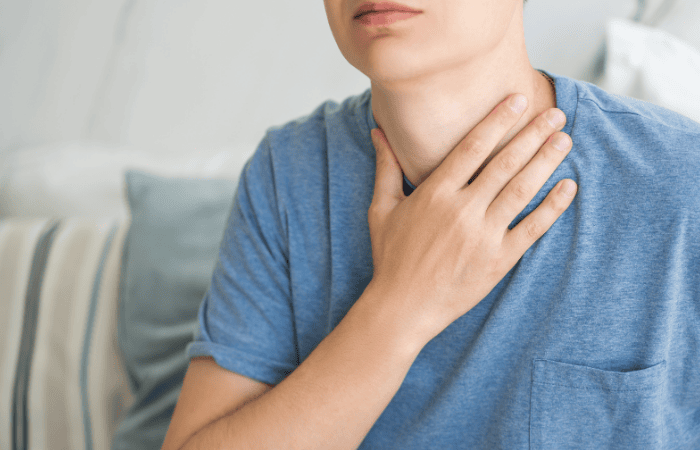
“I Thought It Was Just a Skin Thing”
Andre, 31, had been in a situationship with someone he trusted. When a small red bump showed up near the base of his penis, he assumed it was razor burn. It didn’t hurt, didn’t spread, and went away within days.
“I didn’t even consider an STD. It wasn’t like the horror photos you see in textbooks.”
Two months later, during a routine workup, he tested positive for herpes. That bump? It was his first outbreak.
This kind of misread is common. In men, first outbreaks of genital herpes can be so mild that they go unnoticed, or look like ingrown hairs or eczema. Without clear pain or discharge, many guys write off symptoms until their next partner gets tested and flags something.
This doesn’t make you careless. It makes you normal. The problem isn’t your instincts, it’s the outdated belief that you’ll always “know” when something’s wrong.
The Most Common STD Symptoms in Men (And Why They're Confusing)
Here’s the truth: STD symptoms in men, when they do appear, are often subtle and easily mistaken for everyday irritations. That’s what makes them risky. Below is a breakdown of the most common STDs and the signs they may show, and what they’re often mistaken for.
| STD | Possible Symptoms in Men | Commonly Mistaken For |
|---|---|---|
| Chlamydia | Burning during urination, mild discharge, testicular pain | UTI, dehydration, muscle strain |
| Gonorrhea | Thick discharge, sore throat (oral), anal itching | Allergies, strep throat, hemorrhoids |
| Herpes (HSV-2) | Small blisters, tingling, mild redness | Razor burn, jock itch, bug bites |
| HPV | Genital warts (or none at all) | Skin tags, ingrown hairs |
| Trichomoniasis | Itching, burning, mild discharge | Yeast infection, detergent reaction |
Table 1: Why STD symptoms in men often get overlooked or dismissed.
This table isn’t here to scare you. It’s here to make you feel seen. If you’ve ever Googled “itchy but no discharge STD” or “STD vs jock itch,” you’re not alone. That’s how most people start their search, and why confusion delays testing.
When Symptoms Don’t Show, But the Infection Still Spreads
One of the most dangerous aspects of symptomless STDs is that you can still pass them on. In fact, people are often most contagious during the first weeks after infection, right when they don’t know they’re infected at all.
HPV and herpes are prime examples. You can shed virus even when you have no visible warts or blisters. Similarly, chlamydia and gonorrhea can exist silently in the throat or rectum, especially in men who have oral or anal sex, and still be transmitted to partners.
Even if you’re in a monogamous relationship, untreated STDs can cause complications like infertility, chronic pain, or increase your risk of acquiring HIV. That’s why routine testing isn’t just a precaution, it’s an act of care.
How Long After Sex Do STD Symptoms Start (If They Do)?
Every STD has its own incubation timeline. Some start showing signs within days, others can take weeks, or never show at all. But even if symptoms never show, the infection may still be active in your body. Here's a breakdown based on current clinical data:
| STD | Typical Incubation Period | Symptoms (If Any) | Testing Accuracy Window |
|---|---|---|---|
| Chlamydia | 1–3 weeks | Often none | Best after 14 days |
| Gonorrhea | 2–7 days | Discharge, burning (if any) | Best after 7–14 days |
| Herpes (HSV-2) | 2–12 days | Blisters, tingling (first outbreak may be missed) | Blood test accuracy improves after 3–6 weeks |
| Trichomoniasis | 5–28 days | Mild itching or discharge (or none) | Accurate after 14+ days |
| HPV | Weeks to months | Warts (if any) | No standard test for men, visual diagnosis only |
Table 2: Symptom onset and testing windows by infection type.
These timelines show why early testing can be tricky. Testing too soon can lead to false reassurance. But that doesn’t mean you should wait forever. If you’re within that early window, retesting is key. We’ll explain that next.
Testing Even Without Symptoms: When and Why It Matters
Let’s say you had unprotected sex last weekend. You feel fine. Do you need to test? Yes, because your body may not be showing signs, but that doesn’t mean nothing’s happening.
Here’s a general rule:
If it’s been 7 days or more since possible exposure, you can start testing for gonorrhea, chlamydia, and trichomoniasis using reliable rapid tests. If it’s been less than 7 days, and you're symptom-free, it may be worth waiting or preparing for a second test later.
For herpes or HIV, where antibody detection is involved, waiting 3 to 6 weeks improves test accuracy. That’s because your immune system needs time to respond. There are exceptions, like severe symptoms or recent sexual assault, where immediate testing is still warranted, followed by a later retest.
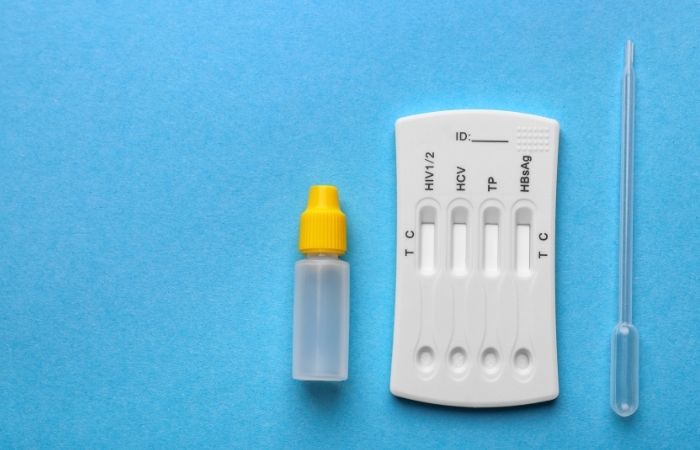
The at-home combo test kit can screen for the most common STDs, discreetly and quickly. It’s ideal if you’re unsure what to test for or want to avoid awkward clinic visits. No symptoms needed.
Peace of mind doesn’t have to wait until something feels wrong. It can start the moment you take control.
“I Tested Too Early and Got a Negative. Then Everything Changed.”
Dante, 28, hooked up with someone new and got anxious. He took an at-home chlamydia and gonorrhea test four days later, both negative. Relieved, he moved on. Two weeks after that, a burning sensation started when he peed.
“I thought I was in the clear. But when the symptoms hit, I knew I had to test again.”
This time, he tested positive for chlamydia. The first test wasn’t wrong, it was just too early.
That’s why knowing your testing window matters. A negative result before the infection has built up enough to detect doesn’t mean you’re clean, it just means you’re not showing positive yet.
If you’ve tested early and still have doubts, symptoms, or recent exposure, a follow-up test after 14 to 21 days can make all the difference.
Whether you have a clear sign or just a gut feeling, you deserve answers. STD Test Kits can help you get them on your terms, no judgment, no waiting rooms.
Should You Retest? Here’s When It Makes Sense
Even if you’ve already tested, there are times when a second test isn’t just a good idea, it’s essential. Retesting helps catch infections that were missed the first time due to testing too early, improper sampling, or because the infection hadn’t developed enough to be detectable.
Here’s when you should strongly consider retesting:
- 2–3 weeks after a known exposure , especially if your first test was taken within the first 7 days
- After treatment , to confirm the infection has cleared (especially for chlamydia and gonorrhea)
- Before starting a new sexual relationship , even if you’ve tested recently, just to be sure
- If symptoms appear later , even mild ones like itching, odor, or soreness
But here’s a hidden truth: the most common reason men don’t retest is fear. Fear of what a second result might say. Fear of judgment. Fear of talking to a partner. But knowledge is always less scary than not knowing. And the second test? It often brings the most relief.
Whether your first test was months ago or just last week, it’s okay to check again. It’s not overkill. It’s responsibility, and it shows you care.
What If You’ve Been Exposed, But Feel Fine?
This is where things get emotionally real. You’re symptom-free, but a recent partner tells you they tested positive. Or maybe you saw something in their meds cabinet that made you wonder. What now?
First, you don’t need to wait for symptoms to show (they might never). Get tested now, and plan to test again based on the windows we discussed earlier. Second, talk to your partner. STDs are common, really common. And in most cases, they’re treatable. Sharing information isn’t an accusation; it’s an act of care.
Some people choose to get tested together. Others use anonymous partner notification tools like TellYourPartner.org. Whatever you choose, know this: protecting each other’s health doesn’t have to be awkward, it can be empowering.
Privacy, Discreet Shipping, and No Awkward Clinics
If the idea of walking into a clinic makes your stomach drop, you’re not alone. Many men delay testing simply because they’re embarrassed, or worried someone they know will see them. That’s why at-home testing has become the go-to solution for privacy-conscious people who still want reliable answers.
Here’s how it works:
Your test kit arrives in unmarked packaging, no logos, no health labeling, no giveaways. Inside, you'll find everything you need: a test cassette, collection swab or dropper, and simple instructions. Some kits are CLIA-waived or FDA-cleared, and results can appear within minutes, depending on the test type.
There’s no need to drop anything off, talk to a receptionist, or explain your sex life to a stranger. You’re in control of the test, the timeline, and the results.
If you need to speak to someone after a positive result, some companies offer telehealth guidance or referrals. But the first step, knowing, is yours alone.
What Happens If You Test Positive?
Let’s take a breath here. A positive test result isn’t a death sentence, it’s information. And most STDs, including chlamydia, gonorrhea, trichomoniasis, and even syphilis, are treatable with antibiotics.
The first step after a positive result is confirming it. That may mean getting a second test (often free or low-cost at clinics) or showing your rapid test results to a provider who can prescribe treatment.
Next, you’ll want to tell recent partners so they can test too. This part feels hard, but remember, people respect honesty more than secrets. And if you need a script? Try this:
"Hey, I just got tested and found out I have chlamydia. I’m letting you know so you can take care of yourself too."
Simple. Direct. Kind. That’s all it takes.
Most people respond with understanding, not anger. And in the end, you’ll walk away knowing you did the right thing, for you and for them.

FAQs
- 1. Is it possible for men to have an STD and not know it?
- Yes. Men don't always show signs of STDs like chlamydia, gonorrhea, and herpes, especially at first. That's why you should get tested even if you feel fine.
- 2. What are the first signs of an STD in men?
- Early signs of an infection might include symptoms such as itching, burning during urination, unusual discharge, or bumps in the genital area. However, many sexually transmitted cases go unnoticed with symptoms for several weeks or months.
- 3. Does itching always mean you have an STD?
- No, not always. Allergies, sweat, jock itch, or irritation can all make you itch. But if it doesn't go away or if you have new partners or have sex without protection, it's a good idea to get tested.
- 4. How long after having sex should men get tested for STDs?
- Usually, you can find if you have an STD 7 to 14 days after exposure, but a test can be more accurate if you allow 2 to 3 weeks. In other cases, such as HIV and herpes, it may take 3 to 6 weeks to detect your antibody level.
- 5. If my first STD test was negative, do I need to take another one?
- You should get tested again if you tested too soon after being exposed or if symptoms show up later. This helps make sure you're safe and rules out false negatives.
- 6. Do at-home STD tests work for men?
- Yes, a lot of quick at-home STD tests are very accurate when used correctly and at the right time. Follow the instructions carefully for the best results, and if you were recently exposed, you might want to test again.
- 7. What if my partner has an STD but I don't have any symptoms?
- Still get tested. You can have and spread STDs without ever getting sick. A negative result also gives you peace of mind and stops the spread of the disease.
- 8. Is herpes always painful?
- No. Herpes can cause painful blisters, mild irritation, or no symptoms at all. Some men have outbreaks that are so small that they think they are ingrown hairs or skin irritation.
- 9. Can I pass on an STD even if I don't have any symptoms?
- Yes. You might be contagious even if you feel fine. Some infections are most contagious before symptoms show up or during "silent" times when the virus is spreading.
- 10. Do condoms stop all STDs?
- Condoms lower the risk of transmission a lot, but not completely. Areas not covered by a condom can still spread skin-to-skin infections like herpes and HPV.
You Deserve Answers, Not Assumptions
Not having symptoms doesn’t mean you’re safe. It just means your body hasn’t raised a red flag, yet. And waiting for a symptom to appear is like waiting for a fire alarm instead of checking the wires.
You don’t have to guess. You don’t have to wait. And you don’t have to feel shame for caring about your health. Whether you’re sexually active with one partner or many, testing is how you take control, not just for you, but for every partner who trusts you.
Don’t wait and wonder, get the clarity you deserve. This at-home combo test kit checks for the most common STDs discreetly and quickly.
How We Sourced This Article: We combined current guidance from leading medical organizations with peer-reviewed research and lived-experience reporting to make this guide practical, compassionate, and accurate. In total, around fifteen references informed the writing; below, we’ve highlighted some of the most relevant and reader-friendly sources.