Think You’re Safe Because You Used a Condom? Think Again
Quick Answer: Condoms significantly reduce STD risk, but they don’t prevent all infections, especially those spread through skin-to-skin contact like herpes, HPV, or syphilis.
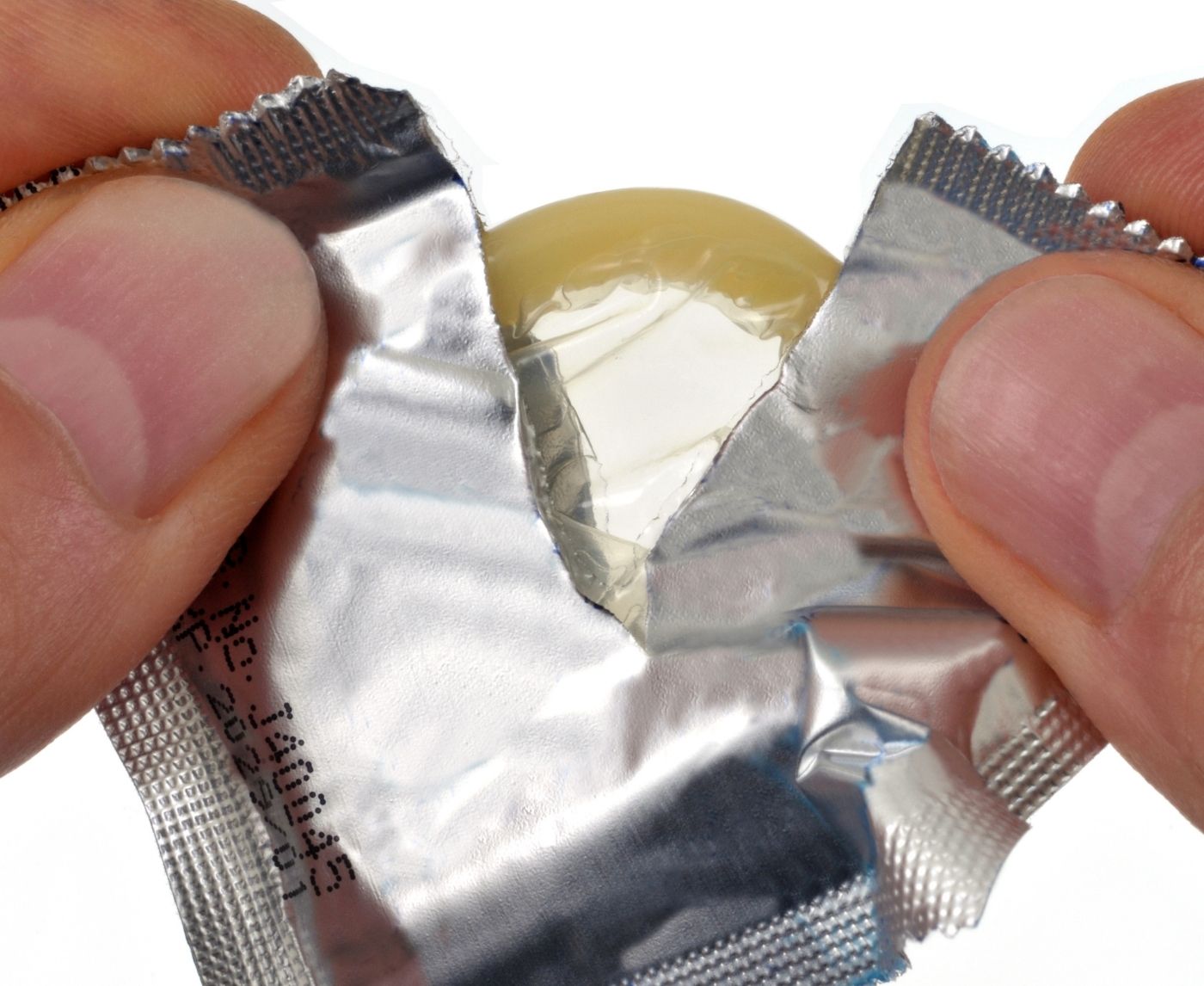
Quick Answer: Condoms significantly reduce STD risk, but they don’t prevent all infections, especially those spread through skin-to-skin contact like herpes, HPV, or syphilis. A condom break means testing is recommended, even if you have no symptoms.
Who This Guide Is For (And Why It Matters)
This guide is for anyone who feels that sudden gut punch after protected sex turned out to be not-so-protected. Maybe the condom broke during a one-night stand, slipped off with a long-term partner, or you discovered afterward that it was expired or damaged. Maybe you’re a woman wondering if you can get chlamydia even if he wore a condom, or a man asking if you can still catch herpes from oral sex with protection.
It also speaks to those who’ve done everything “right” and still ended up exposed. Sex-ed rarely tells the full story, and many people find out too late that condoms, while essential, aren’t perfect. This article helps you understand your real risk, what types of STDs condoms protect against (and don’t), and what steps to take now to protect your health and peace of mind.
What Condoms Actually Protect You From
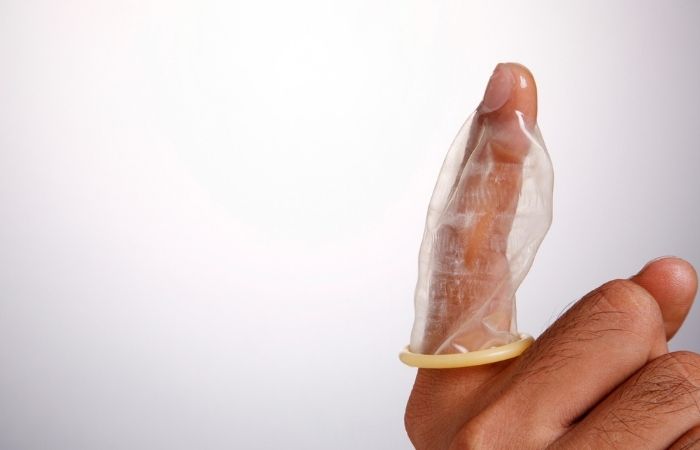
Let’s get clear: condoms are extremely effective at reducing the risk of many STDs, but not all. They’re especially reliable for infections that are transmitted through fluids, like chlamydia, gonorrhea, and HIV. These infections live in semen, vaginal fluids, and rectal secretions, and condoms work by acting as a barrier against those fluids. When used correctly and consistently, condoms can reduce the risk of HIV by about 99% and of chlamydia and gonorrhea by about 90% according to the Centers for Disease Control and Prevention (CDC).
But when it comes to STDs that live on the skin, like herpes, HPV, and syphilis, condoms only protect the areas they cover. If an infectious sore or lesion is on the upper thigh, pubic region, or base of the penis, a condom won’t shield it. That’s how someone can get herpes or HPV even if a condom was used the whole time.
Common Condom Failures: Breaks, Slips, and Misuse
People think condoms fail more often than they do, but this isn't always because they are broken. It's because of how they are used. Here are some common reasons why things go wrong:
| Failure Type | What Happens | Why It Increases STD Risk |
|---|---|---|
| Break | Condom tears during sex | Fluids can pass directly between partners |
| Slip | Condom slides off during or after sex | Loss of coverage = loss of protection |
| Late application | Condom isn’t put on until after penetration starts | Pre-ejaculate can contain STDs |
| Early removal | Condom removed before sex is fully over | Risk from residual fluid or contact |
| Improper storage | Expired, heat-exposed, or damaged condoms | More likely to break or degrade |
Table 1. How condom failures increase the risk of exposure even when precautions are taken.
Which STDs Can Still Spread Even If You Use a Condom?
If your condom failed, or if you used one and still want to understand your risk, here’s a breakdown of which infections can still be transmitted even with “protected” sex.
| STD | Transmission Route | Condom Protection | Real-World Risk |
|---|---|---|---|
| Herpes (HSV-1/2) | Skin-to-skin contact | Partial | Can infect areas not covered by condom |
| HPV | Skin-to-skin contact | Partial | Many carriers show no symptoms; condoms help but don't eliminate risk |
| Syphilis | Sores on skin, fluids | Partial | Condoms reduce risk, but sores may be outside coverage area |
| Chlamydia | Fluids | High | Condoms protect well, but break/slip = high risk |
| Gonorrhea | Fluids | High | Similar to chlamydia; condom failure raises concern |
| HIV | Fluids | Very high | Effective with perfect use, but breakage increases risk |
| Trichomoniasis | Fluids | High | Can spread during vaginal or anal sex with failed condom |
Table 2. Overview of which STDs condoms can and can’t reliably prevent, especially after a failure.
“I Swore We Used Protection. I Still Got Herpes.”
Marcus, 29, thought he was doing everything right. “We always used condoms,” he said. “Every single time.” After his girlfriend developed a painful sore near her genitals, she tested positive for HSV-2, genital herpes. A week later, Marcus noticed a red bump himself.
“I was floored. I didn’t even know you could get herpes if you wore a condom.”
Turns out, the sore had likely been on the outer labia, an area not covered by the condom. Herpes doesn’t need fluids to spread. It just needs contact with shedding skin.
Marcus’s story isn’t rare. According to the World Health Organization, over 500 million people worldwide have HSV-2. Many catch it from partners who had no symptoms at all.
Why You Might Not Have Symptoms (But Still Be Infected)
Here’s the part no one tells you in sex ed: many STDs don’t show symptoms, especially in the first few weeks. Infections like chlamydia and HPV are often completely silent. You might feel fine after the condom broke, but that doesn’t mean you're in the clear.
For example, according to the CDC, up to 70% of women and 50% of men with chlamydia report no noticeable symptoms. With HPV, many people only find out through routine screening or when genital warts appear much later. You can still transmit these infections even if you never feel a thing.
That’s why testing isn’t just for people with visible signs. It’s for anyone who had an exposure, like a condom breaking, regardless of how their body reacts afterward.
How Soon Should You Get Tested After a Condom Break?
Timing matters. If you test too early, your results might miss an early infection. Each STD has a different “window period”, the time between exposure and when it shows up on a test. Testing during that window may lead to a false sense of security.
| STD | Minimum Test Time | Best Time to Test | Retest Recommended? |
|---|---|---|---|
| Chlamydia | 7 days | 14 days | Yes, if tested early |
| Gonorrhea | 7 days | 14 days | Yes |
| Herpes (HSV-2) | 2–3 weeks | 4–6 weeks (blood test) | Yes, if no symptoms |
| Syphilis | 3 weeks | 6 weeks | Yes |
| HIV (Ag/Ab test) | 18–45 days | 4–6 weeks | Yes |
| HPV | Variable | Months (Pap or HPV test) | Not routine unless symptoms |
| Trichomoniasis | 5–7 days | 10–14 days | Yes, if tested early |
Table 3. Testing timeline after exposure due to condom failure. Retesting ensures better accuracy.
If you’re unsure when exposure occurred, start with a baseline test now, and schedule a follow-up 2 to 4 weeks later. Testing more than once is normal, and smart. If symptoms appear earlier, get tested immediately.
Testing Options: Rapid Kits vs Clinic vs Mail-In Labs
You don’t have to wait in a clinic lobby if you’re already anxious. There are several ways to get tested now, each with trade-offs in speed, privacy, and accuracy. Here's how they compare:
| Option | Speed | Privacy | Pros | Considerations |
|---|---|---|---|---|
| At-Home Rapid Test | 10–20 minutes | Very high | Immediate results; no lab | Not all STDs have rapid versions; retesting may be needed |
| Mail-In Lab Kit | 2–5 days | High | Accurate; wide panel options | Needs mailing time and access to a dropbox |
| Clinic or Doctor Visit | Same-day to 1 week | Low to moderate | Comprehensive care; follow-up support | Less private; appointments required |
If you're looking for a quick, discreet way to test after a condom failure, an at-home rapid STD test can offer peace of mind without delay. STD Test Kits provides fast, FDA-approved kits you can use from home, no lab visit required.
Whether it’s chlamydia, syphilis, or a combo panel, knowing what you’re working with lets you act sooner.
What If the Test Is Negative, but You’re Still Worried?
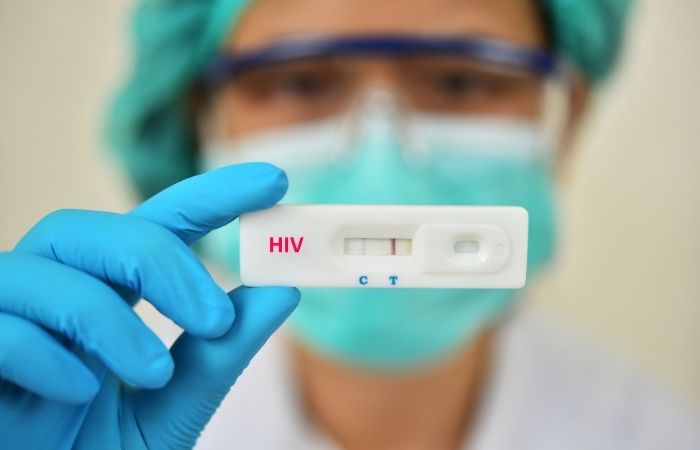
A negative test result can feel like a relief, but only if the test was done at the right time. Testing within a few days of exposure can miss an early infection. It’s not uncommon for someone to test negative at first, then test positive a few weeks later, especially for syphilis, herpes, or HIV.
Here's a common scenario: You had sex, the condom broke, and five days later you took a test. It came back negative. Two weeks later, you notice a bump, or your partner does. That’s when you realize the first test may have been too early. Retesting isn’t overkill. It’s smart strategy.
What Your Actual Risk Looks Like After a Condom Break
After a condom breaks, most people immediately want a number. A percentage. A yes-or-no answer. The reality is messier, and more human. Your actual risk depends on several overlapping factors: the type of sex you had, whether your partner had an STD (known or unknown), whether there were visible sores, how long contact lasted, and whether ejaculation occurred.
For fluid-transmitted infections like chlamydia and gonorrhea, a condom break during vaginal or anal sex does increase risk, particularly if ejaculation happened inside the body. For skin-to-skin infections like herpes or HPV, risk exists even without a break, because condoms don’t cover all exposed skin. This is why people sometimes test positive despite “perfect” condom use.
According to Mayo Clinic, consistent condom use greatly lowers STD risk but does not eliminate it entirely. A failure simply removes one of your strongest layers of protection, making testing the safest next move.
Does Oral Sex With a Condom Change the Risk?
Many people assume oral sex is “lower risk,” especially if a condom was used. While oral sex does carry a lower risk for some STDs, it’s not risk-free, particularly when a condom slips, breaks, or isn’t used the entire time.
Herpes and syphilis can spread easily through oral-genital contact, even without ejaculation. Gonorrhea and chlamydia can infect the throat, often without symptoms. If the condom failed during oral sex, throat testing may be recommended depending on the exposure.
This is one reason experts at the Planned Parenthood emphasize testing based on exposure, not assumptions. If your mouth, genitals, or anus were exposed after a condom failure, it’s worth including those sites in your testing plan.
Should You Tell Your Partner If the Condom Broke?
This is one of the hardest and most important questions. If the condom broke, slipped, or was taken off too soon, being open is important. Not because someone did something "wrong," but because partners who know what they're doing can also protect their own health.
It doesn't have to be dramatic or blameful to tell a partner. A lot of people say things like, "The condom broke, and I think we should both get tested." That one sentence is about care, not blame. It also makes it possible for people to make decisions together about testing and what to do next.
If you test positive, it's even more important to tell your partner. Early treatment can stop the spread and prevent problems. A lot of clinics and some at-home testing services can help you tell your partners in a private and polite way.
What to Do Right Now (A Calm, Practical Plan)
If you’re reading this shortly after a condom break, take a breath. Panic doesn’t help, but action does. Start by noting the date of exposure. That helps you plan the right testing timeline. If it’s been less than a week, consider scheduling a test for the appropriate window rather than rushing into one that may be too early.
If it’s been one to two weeks, testing for chlamydia, gonorrhea, and trichomoniasis is reasonable. Blood-based tests for syphilis or HIV may need a bit more time for accuracy, which is why retesting is often recommended even after an initial negative.
Many people choose to start with a comprehensive option like the 6‑in‑1 At‑Home STD Test Kit so they’re not guessing which infection to check for. It’s a proactive step that replaces spiraling with clarity.
When Anxiety Hits Harder Than the Symptoms
Sometimes it’s not the worst that could happen that is the worst about a condom break: it’s the psychological fallout that ensues. “What if.” Body checking. This is especially true for someone who is dealing with sexual or health-related shame.
What works best is to fill uncertainty with information. Testing gives you something to go on. Even if you need more tests down the road, having a plan is better at alleviating worry than waiting is any way to alleviate worry.
If you feel overwhelmed with fear, it could be beneficial to speak with a medical professional or counselor who understands sexual topics. Feeling anxious just means you are not weak; it means you are concerned about your body and your future.
FAQs
- 1. Can I really get an STD if the condom broke but he didn’t finish?
- Yep, ejaculation isn’t required for an infection to spread. Pre-cum can carry chlamydia, gonorrhea, and even HIV. And for skin-transmitted STDs like herpes, all it takes is contact. So if the condom slipped or tore, even for just a minute, it’s smart to test.
- 2. I used a condom start to finish. Why did I still get herpes?
- Because condoms only cover the shaft, not the surrounding skin. If your partner had a cold sore near their mouth or a lesion on the base of their genitals, that’s enough. Herpes is sneaky, and it can spread even when there are no visible symptoms. It sucks, but it’s not your fault.
- 3. How long should I wait to get tested after a condom mishap?
- Most bacterial STDs like chlamydia and gonorrhea show up on tests after about 7 days. For herpes or syphilis, it’s better to wait 3–6 weeks. No shame in testing early for peace of mind, just know you may need a follow-up for accuracy.
- 4. What if I don’t feel anything, can I skip the test?
- We get it. No symptoms can feel like a green light. But STDs are notorious for staying quiet. Especially in women and people with vaginas, where infections like chlamydia can go undetected for months. Don’t rely on how you feel. Rely on facts. Get tested.
- 5. Is using two condoms safer?
- Actually, no. It’s worse. Friction between them can cause both to tear. Use one condom correctly, and add water-based lube if you want extra protection. More isn’t always better when it comes to latex.
- 6. Can I test for everything at once?
- Almost. A Combo STD Test Kit covers the big ones, HIV, syphilis, chlamydia, gonorrhea, and more. Herpes and HPV may need separate tests, depending on your situation. But yeah, you can knock most of them out in one go from home.
- 7. I tested negative five days after the condom broke. Am I good?
- You’re on the right track, but you’re not quite in the clear yet. Five days is a little early for most infections to show up. Use that result as a baseline, then retest in 2–4 weeks. It’s not overkill, it’s smart follow-through.
- 8. Do I really have to tell my partner the condom failed?
- It's your decision, but here’s what you should know: Most people appreciate honesty, especially if it concerns their health. “Hey, the condom broke last time, so we should both go get tested” does wonders. It's about care, not pointing fingers.
- 9. Can I get an STD from oral sex even if we used a condom?
- Yep. Condoms help, but they don’t make oral sex 100% safe. Gonorrhea, syphilis, and herpes can still spread if there’s skin contact, a sore near the mouth, or if the condom didn’t stay on right. Mouths can carry stuff too.
- 10. After treatment, do I need to test again?
- For some STDs, yes. Especially chlamydia and gonorrhea, where reinfection is common. If you’re sexually active again or not sure your partner got treated too, a retest after 3–4 weeks is a solid move.
You Deserve Answers, Not Assumptions
If a condom broke during sex, you're not overreacting by wanting to know your STD risk. You're being proactive. The truth is, even perfect condom use doesn't offer perfect protection, and once that barrier fails, it's worth checking in with your body.
At-home rapid tests like the 6‑in‑1 At‑Home STD Test Kit offer a private, accurate, and quick way to find out where you stand. Testing is care. It's clarity. And it's one of the smartest moves you can make right now.
How We Sourced This Article: We combined current guidance from leading medical organizations with peer-reviewed research and lived-experience reporting to make this guide practical, compassionate, and accurate. In total, around fifteen references informed the writing; below, we’ve highlighted six of the most relevant and reader-friendly sources.