Feel Totally Normal? That Doesn’t Mean You’re STD-Free
Quick Answer: STD symptoms aren’t always visible. Infections like chlamydia, gonorrhea, and even herpes can cause long-term damage without any immediate symptoms, so yes, you can feel totally fine and still have an STD.

Quick Answer: STD symptoms aren’t always visible. Infections like chlamydia, gonorrhea, and even herpes can cause long-term damage without any immediate symptoms, so yes, you can feel totally fine and still have an STD.
Why This Matters Even If You Feel “Totally Fine”
STDs don’t play fair. They don’t always alert you with a rash or a burning sensation. In fact, asymptomatic infections are more common than most people realize. If you’ve had unprotected sex, or even protected sex with imperfect barrier use, you could be carrying an STD and not know it.
For people with uteruses, the stakes are high. An untreated STD can quietly lead to pelvic inflammatory disease (PID), which can damage fallopian tubes and cause infertility. For men, silent chlamydia or gonorrhea can scar the epididymis and lower sperm quality. All of this can happen without a single symptom ever showing up.
This article is for anyone who’s ever thought, “I feel fine, so I must be fine.” We’ll walk through what infections can go undetected, how they damage the body over time, why symptoms aren't a reliable guide, and when and how to test, even if you’re symptom-free.

Which STDs Often Show No Symptoms?
Most people associate STDs with obvious symptoms, burning, sores, discharge. But the reality is messier. Here are some of the most commonly silent infections:
| STD | Likelihood of No Symptoms | Potential Damage if Untreated |
|---|---|---|
| Chlamydia | Up to 70% of women, 50% of men | Infertility, PID, chronic pelvic pain |
| Gonorrhea | ~50% of cases | Infertility, systemic infection, joint pain |
| Herpes (HSV-2) | ~80% of carriers unaware | Nerve damage, transmission to partners |
| HIV (early) | Often symptom-free for months | Immune suppression, opportunistic infections |
| HPV | Majority show no signs | Cervical, anal, and throat cancers |
Table 1: Common STDs that may show no symptoms but can still cause significant long-term health effects.
Notice the pattern? The most common STDs are often completely silent. This is why relying on symptoms is not a safe strategy.
Micro-Damage, Major Consequences: What’s Happening Inside
When a bacteria or virus invades your reproductive system, it can trigger inflammation, even if you don’t feel it. That inflammation can lead to scarring, blockages, and tissue damage over time. In men, asymptomatic chlamydia can damage the vas deferens or cause low sperm motility. In women, the infection can climb from the cervix to the uterus and fallopian tubes, setting the stage for PID.
Herpes is another sneaky culprit. Even without visible outbreaks, it can shed virus particles and spread. Studies have linked HSV to nerve inflammation and chronic pain syndromes in some patients, years after initial infection.
And let’s not forget HPV, which may sit dormant for years, eventually triggering abnormal cell growth. This isn’t fearmongering, it’s biology.
But here’s the good news: You can catch all of this early with the right test. And that leads us to the part most people skip.
Why Testing Without Symptoms Is Still Critical
It’s common to think, “If I don’t feel sick, I don’t need a test.” But testing isn’t just about treating yourself, it’s about protecting your future, your fertility, and your partners. A test is a check-in, not a confession. It’s part of adult sexual wellness.
In one recent case, Amira, 31, went for a Pap smear and found out she had HPV. “I never would have known. I hadn’t had sex in over a year and felt totally fine.” That test helped her catch abnormal cervical cells early, before cancer had a chance.
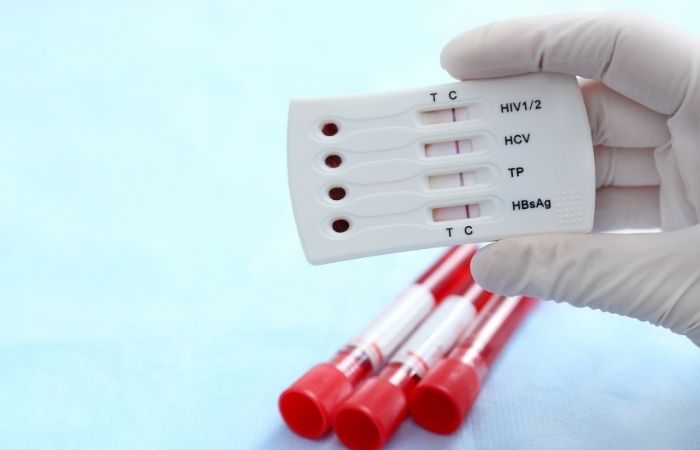
Whether you’re entering a new relationship, managing multiple partners, or just doing your health due diligence, at-home STD testing offers a private, fast, and reliable option. This at-home combo kit checks for the most common silent STDs, no appointment needed.
Your body might not send you an alert. But testing does.
“But I Used Protection”: When Safety Isn’t Foolproof
Condoms drastically reduce STD transmission, but they’re not perfect. Skin-to-skin infections like herpes and HPV can spread even with protection, especially during oral sex or when sores are outside the covered area. And with condoms only used during penetration, anything before or after still carries risk.
Jared, 24, used condoms “every time,” but a routine test showed he had gonorrhea in his throat from unprotected oral sex. “I didn’t think it mattered,” he said. “No one ever talked about testing if you didn’t have symptoms.” But some infections, especially in the throat or rectum, are commonly silent, and often missed.
This is why comprehensive testing matters. It’s not about guilt. It’s about being thorough. Even if you took every precaution, testing remains the only way to know for sure.
Testing When You’re Asymptomatic: What to Expect
Let’s break down what testing looks like when you feel “fine” but want to be smart. Whether you go to a clinic or use an at-home STD test, the process is simple and private.
Here’s what you might need based on the infection:
| STD | Recommended Test | Sample Type |
|---|---|---|
| Chlamydia / Gonorrhea | NAAT (Lab or Rapid) | Urine, vaginal, throat, or rectal swab |
| Herpes | Blood test (IgG) or swab if sores | Fingerstick blood or lesion swab |
| HIV | Ag/Ab combo or oral fluid | Blood or saliva swab |
| HPV | Pap + DNA test (for cervix only) | Cervical swab (clinical only) |
| Trichomoniasis | NAAT or rapid antigen | Swab or urine |
Table 2: How common STDs are tested, even when no symptoms are present.
If you’re testing at home, most kits use urine, vaginal swabs, or finger-prick blood. 8‑in‑1 Complete At-Home STD Test Kit checks for several of these silently spreading infections in one go, ideal for regular check-ins or post-hookup peace of mind.
When to Test: Timing Matters Even Without Symptoms
Even if you’re symptom-free, timing still affects test accuracy. Testing too early after exposure can miss an infection that hasn’t built up enough to detect. Here’s what experts recommend:
| Infection | Minimum Wait to Test | Best Accuracy Window |
|---|---|---|
| Chlamydia / Gonorrhea | 5–7 days after exposure | 14 days+ |
| HIV (4th gen) | 18–45 days | 3 months for max accuracy |
| Syphilis | 3–6 weeks | 12 weeks+ |
| Herpes (IgG blood) | 4–6 weeks | 12–16 weeks |
| Trichomoniasis | 5–7 days | 2 weeks+ |
Figure 1: Window period and optimal testing times after exposure, even without symptoms.
If you test too early and get a negative, retest after the accuracy window. Especially if a partner tested positive or you had unprotected sex, that follow-up test could catch something you missed.
Worried about testing twice? It’s better than missing something entirely.
What If You Wait Too Long?
Many people don’t test until symptoms finally show up, or until a partner tests positive. By then, damage may already be happening. Chronic pelvic pain, infertility, and nerve inflammation are just a few of the long-term effects of untreated STDs.
That’s why testing “just to be safe” isn’t overkill, it’s maintenance. Like checking your brakes before they squeal. Like screening your blood pressure before you faint. You’re not overreacting. You’re protecting your future health, your relationships, and your peace of mind.
And if you do test positive, most STDs are treatable. Fast. Quietly. Without judgment. That’s a better outcome than finding out too late.
Case Study: “I Didn’t Know I Had Anything Until I Tried to Get Pregnant”
Monica, 34, had never tested positive for an STD. She was in a long-term relationship, used protection with past partners, and never had any unusual symptoms. But after trying to conceive for a year, her OB-GYN ran tests. The results? Evidence of past chlamydia infection, untreated, undetected, and likely the cause of her fallopian tube scarring.
“I was shocked. There was no pain, no fever, no discharge. Nothing. I thought those stories happened to other people.”
Her story isn’t rare. As many as 10–15% of women with undiagnosed chlamydia develop PID, which can lead to blocked tubes and infertility. The worst part? Most of them never had symptoms. Silent infections can cost you in ways you never imagined, until it’s too late.
“I Don’t Want Anyone to Think I’m Dirty”: Let’s Talk About Shame
One of the biggest barriers to testing is fear, fear of judgment, fear of being seen as promiscuous, or fear of finding out something bad. But here’s the truth: STDs are infections, not moral failures. You don’t have to “do something wrong” to get one. All it takes is skin contact, a moment of imperfect protection, or a partner who didn’t know they were infected.
And if you test positive? You are not dirty. You are not doomed. You are taking care of your health and showing responsibility to yourself and your partners.
We’ve helped thousands of people test privately, no waiting rooms, no awkward conversations, no records on your insurance. STD Test Kits ships discreetly and quickly, giving you answers with dignity.
Your sexual health is personal, but it should never be shameful.
Do You Need to Retest? Here’s How to Know
If you’ve tested recently but had a high-risk exposure, or you're in an ongoing relationship where you’re not sure of your partner’s status, retesting makes sense. Even more so if you tested during the early window period and got a negative result.
Here’s when to consider a retest:
- After a recent hookup: Test at 14 days, then again at 30–45 days for confirmation
- After treatment: Retest in 3 months to ensure cure and check for reinfection
- With new or multiple partners: Test every 3–6 months
- Before trying to conceive: Get a full panel regardless of symptoms
Testing is a tool, not a punishment. It’s how you stay in control of your health. This combo test kit makes retesting easy and private, because your body deserves regular check-ins, not surprises.
How to Protect Yourself Moving Forward
Silent STDs are a strong reminder that “feeling fine” isn’t always enough. But prevention still works. Here’s what protects you:
- Use condoms consistently and correctly, including for oral sex when possible.
- Get tested regularly, even when you're symptom-free.
- Talk openly with partners about testing history, before things get physical.
- Don’t assume monogamy equals safety unless you’ve both tested.
- Treat and retest quickly if exposed, don’t wait for symptoms to appear.
And when in doubt? Test. Because the biggest risk isn’t knowing, it’s not knowing.
Return to STD Test Kits to browse your discreet options or set a reminder to test again in a few months. You’ve got this.
Privacy, Shipping, and Support: What to Expect
When you order a home test kit from STD Rapid Test Kits, it arrives in discreet packaging, no branding, no medical language. Inside, you'll find everything you need: instructions, collection tools, and rapid-result technology that takes minutes, not days.
We know how nerve-wracking waiting can be. That’s why we offer fast shipping, email support, and detailed guidance so you’re never left wondering what to do. Whether you live in a big city or a rural town, access to answers should never depend on your ZIP code, or your symptom list.
Take the guesswork out of your sex life. Make testing a routine, not a reaction.
FAQs
- 1. Can I really have an STD and feel totally normal?
- Yes, and it happens way more often than you'd think. Most people with chlamydia or HPV don’t have any symptoms at all, and many don’t find out until months or even years later. Just because your body isn’t waving red flags doesn’t mean everything’s clear under the hood.
- 2. What’s the worst that could happen if I never test?
- Honestly? You could pass an STD to someone you care about without knowing. Or you could develop complications like PID, infertility, or chronic pain. We’re not here to scare you, we’re here to say: prevention beats repair, every time.
- 3. I used protection. Do I still need to test?
- If it was a perfect world? Maybe not. But in real life, condoms break, slip, or don’t cover every area. STDs like herpes and HPV can spread through skin-to-skin contact, yep, even during oral. Testing is your backup plan when life isn’t 100% tidy.
- 4. How often should I get tested if I’m not showing any signs?
- Think of it like getting your oil checked. If you’re sexually active, especially with new or multiple partners, every 3 to 6 months is a smart rhythm. And definitely before a new relationship gets physical.
- 5. Is at-home testing legit if I don’t have symptoms?
- It is. Today’s at-home kits are sensitive enough to catch silent infections, especially for things like chlamydia, gonorrhea, and HIV. Just make sure you’re using a reputable kit, like the Essential 6-in-1 At-Home STD Test Kit.
- 6. Can guys have chlamydia and not feel a thing?
- Totally. We’ve seen countless cases where men felt “fine” but had a full-blown infection. No drip, no burn, just vibes and inflammation. And guess what? Their partners often paid the price. Test early, test often.
- 7. What if I tested negative but I’m still worried?
- Then timing might be the issue. Testing too soon after exposure can give false reassurance. Retest at the 2-week or 30-day mark, depending on the infection. It’s not paranoid, it’s thorough.
- 8. Is it true that herpes can hide out without symptoms?
- Oh yeah. Herpes is sneaky. Most people with it don’t know they have it, but they can still pass it on, especially during asymptomatic viral shedding. That’s why testing and honest convo with partners matter more than you think.
- 9. What if I’m monogamous? Do I still need to test?
- If both of you tested after your last partners and stayed monogamous? You're likely in the clear. But if there’s any gray area, or if you didn’t test before starting the relationship, a check-in never hurts. Trust is great. Testing backs it up.
- 10. Is it shameful to test even if I feel healthy?
- Nope. It’s respectful. Responsible. Sexy, even. Getting tested shows you care about your body, your partners, and your future. Feeling fine is great. Knowing you’re fine? Even better.
You Deserve Answers, Not Assumptions
Just because your body feels normal doesn’t mean it’s not asking for care. Silent STDs are real. And they can change lives in quiet, devastating ways, unless you catch them early. Testing isn’t scary. It’s smart. It’s protective. It’s powerful.
Don’t wait for a symptom to appear or a partner to test positive. Be the first to know. Be the one who takes control.
This at-home combo test kit checks for the most common STDs discreetly and quickly. Whether it’s for you, your partner, or both, it’s time.
How We Sourced This Article: We combined current guidance from leading medical organizations with peer-reviewed research and lived-experience reporting to make this guide practical, compassionate, and accurate. In total, around fifteen references informed the writing; below, we’ve highlighted some of the most relevant and reader-friendly sources.