The Truth About Retesting: Why One STD Test Isn’t Always Enough
Quick Answer: A negative STD test doesn’t always mean you’re in the clear, especially if you tested too early or were recently exposed again. It’s not. The body doesn’t operate on instant feedback.
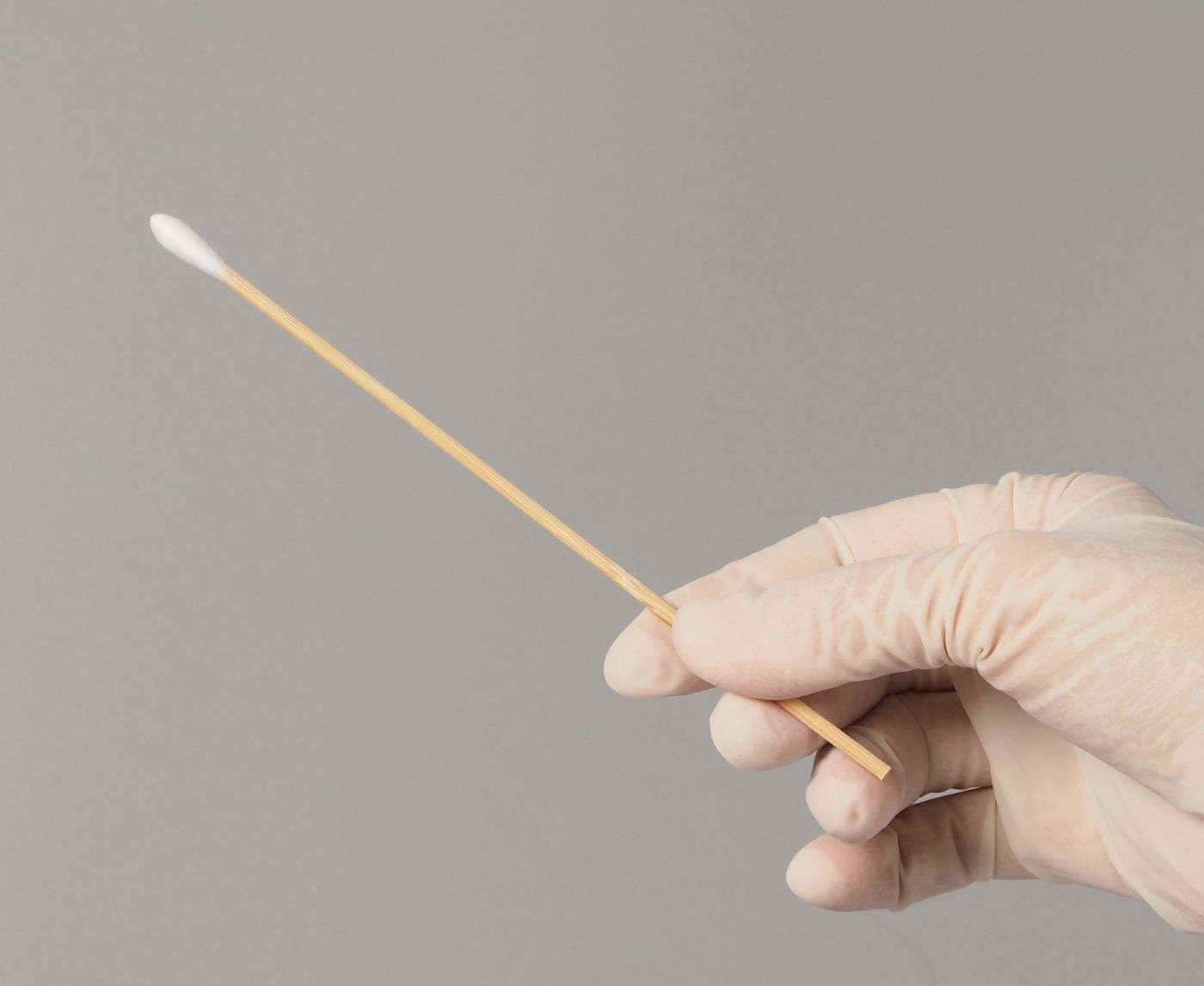
Quick Answer: A negative STD test doesn’t always mean you’re in the clear, especially if you tested too early or were recently exposed again. Retesting is recommended after treatment, new exposure, or when symptoms continue despite a negative result.
Why You Might Need More Than One Test
Let’s be honest, getting tested takes guts. Whether it’s a new partner, a broken condom, or just that sinking feeling in your gut after reading symptoms online, it takes courage to face the unknown. But here’s where many people stumble: they assume the first test is the final answer. It’s not. The body doesn’t operate on instant feedback. Most STDs have a window period, a delay between exposure and when a test can reliably detect the infection.
Think of it like this: if someone spills ink on your shirt, it takes a few seconds to soak in before it shows up. The same goes for your immune system. If you test during those early days, sometimes even weeks, you might get a false negative. Not because the test is broken, but because your body hasn't produced enough detectable material yet. This isn’t failure. It’s biology.
That’s why health authorities like the CDC and NHS recommend retesting after the window period or following treatment. One negative result is not a green light to stop caring for your sexual health, it’s a starting point.
Understanding the Window Period: How Timing Affects Test Accuracy
Timing is everything when it comes to STD testing. You can’t just swab and forget, it matters when you do it. Each infection has its own incubation and window period, and mixing them up can lead to false reassurance.
Here’s how it works: the incubation period is how long it takes for symptoms (if any) to appear. The window period is how long it takes for a test to detect the infection. You can have symptoms before a test shows anything, or test positive long before you feel a thing. That disconnect is where people get lost.
| STD | Window Period | Retesting Recommendation |
|---|---|---|
| Chlamydia | 7–14 days | 14+ days after exposure or 3–4 weeks post-treatment |
| Gonorrhea | 7–14 days | 14+ days after exposure or 3–4 weeks post-treatment |
| Syphilis | 3–6 weeks | 6–12 weeks post-exposure; repeat at 3 months if at risk |
| HIV | 10–33 days (NAAT), 2–6 weeks (Ag/Ab) | Retest at 6 weeks and again at 90 days |
| Herpes (HSV-2) | 2–12 weeks (antibody test) | Retest at 12–16 weeks if high-risk or symptoms appear |
Table 1. Window periods and retest timelines vary by infection. Retesting helps confirm a diagnosis after treatment or in early-stage exposures when the first test may miss it.
It’s common to feel confused, especially if you test negative but your body’s screaming otherwise. Some STDs stay quiet for weeks, while others give off symptoms that mimic a UTI, yeast infection, or even stress rash. That’s why retesting isn’t about being dramatic. It’s about getting it right.
People are aslo reading: Allergic to PrEP? Here’s How to Prevent HIV Without It
Case Study: When the First Test Misses It
Carina, 25, took a full panel after a weekend with a new partner. Her results came back negative, but she felt off, cramping, a bit of discharge, a weird smell. She chalked it up to her period… until she started spotting between cycles. Three weeks after her negative test, she tried again. This time, she tested positive for trichomoniasis.
"I felt betrayed by the first test. I kept thinking, ‘Why didn’t it catch this?’ But now I know, I tested too early."
Carina’s story is more common than you think. Many rapid tests detect what's already measurable in your blood, urine, or mucous membranes. If the infection hasn't "matured" into something detectable yet, the test result will give a false sense of relief. That’s why waiting, and then retesting, is sometimes the most accurate move you can make.
Need help figuring out if it’s time to retest? This at-home combo kit can offer clarity in just minutes, and it’s shipped discreetly so you can test when you’re ready, not when a clinic can fit you in.
Testing After Treatment: Why It Matters
Getting treated doesn’t always mean the infection is gone immediately. Antibiotics take time to clear your system, and some tests, especially for chlamydia or gonorrhea, can pick up leftover genetic material for weeks after symptoms disappear. That can confuse you into thinking you're still infected when you’re not.
On the flip side, if you resume sex too soon or didn’t complete your medication properly, reinfection is very possible. That’s why the CDC recommends a follow-up test about three months after treatment for several STDs, especially if you didn’t test your partner or if symptoms return.
| STD | Post-Treatment Retest Window | Why Retest? |
|---|---|---|
| Chlamydia | 3 months | High reinfection risk, especially if partner wasn’t treated |
| Gonorrhea | 3 months | Resistant strains make follow-up testing crucial |
| Trichomoniasis | 2 weeks (if symptoms persist), 3 months for surveillance | Test-of-cure may be needed, especially in women |
| Syphilis | 6 and 12 months post-treatment | Serological monitoring required to confirm cure |
Table 2. Retesting after treatment prevents reinfection and confirms successful recovery, especially when partners haven’t been treated or symptoms linger.
Testing is part of your recovery, not just a checkpoint. If you’ve been treated and want peace of mind, a retest is not overkill. It’s a smart move.
Why Some Symptoms Stick Around (Even With a Negative Test)
Your test came back negative, but your body still feels... off. That’s more than frustrating, it’s downright terrifying. And it’s a major reason people spiral online, Googling things like “STD test negative but still burning” or “discharge won’t go away after negative chlamydia test.”
Here’s what no one tells you in those clinic pamphlets: some symptoms can linger for days or weeks even after the infection clears. Especially if your body had inflammation, small abrasions, or hormonal shifts, it can take time to fully reset. On top of that, symptoms like pain, discharge, or odor can come from non-STD causes: bacterial vaginosis, yeast infections, UTIs, even allergic reactions to condoms or lube.
And yes, it's always possible that a diagnosis was missed. That's why symptoms that don't go away, especially those that get worse or change, need to be tested again or looked at more closely. A test isn’t a storybook ending. It’s part of the plot.
Retesting gives your body a second chance to speak up, and helps you advocate for yourself without shame or second-guessing. That nagging itch or weird twinge isn’t “just in your head.” It’s worth listening to. And if a second test helps you get peace of mind or proper treatment, it’s more than worth it.
What About Partners? Why Their Testing Status Affects Yours
Here’s a scenario that happens more often than people realize: you test negative, your partner never gets tested, and a month later, you’re positive. What happened?
Transmission loops. If you get treated or test during the window period, but your partner doesn’t, they may still be carrying the infection and can reinfect you, often without symptoms themselves. This is especially common with chlamydia, trichomoniasis, and even syphilis.
Retesting becomes vital in these cases because you’re not just navigating your own exposure, you’re navigating theirs too. If you don’t know their testing status, or if you're in a non-monogamous setup, retesting is a way to reclaim some certainty in a web of unknowns.
This isn’t about blaming partners. It’s about breaking the cycle. Imagine finding out that your symptoms were caused by reinfection, when one extra test could’ve saved you the physical and emotional toll. That’s the power of retesting. That’s why it matters.
Need a test for both you and your partner? This combo kit ships discreetly and can help both of you test on your own terms.
Living With Uncertainty: The Emotional Side of Retesting
There’s nothing sexy about waiting. And when it comes to STD testing, the emotional toll of uncertainty can feel worse than the symptoms themselves. You check your phone every five minutes. You reread your result email like it’s written in code. You question your memory, your partner, your body. This is the quiet panic zone, and it’s where a lot of people freeze.
But retesting isn’t just medical. It’s emotional closure. It’s a way of saying, “I’m not going to let this fear fester.” You don’t have to explain to anyone why you want to retest. Maybe your gut says something’s still not right. Maybe your partner tested positive. Maybe you just want to be sure before taking the next step with someone new. That’s enough. You’re enough.
And if you don’t want to go through a clinic again, wait in line, answer invasive questions, or get side-eyed in the waiting room, you don’t have to. At-home testing gives you the same information, without the pressure. The decision to test again is personal. But the support you get shouldn’t feel lonely.
How to Know When It’s Time to Retest
If you're feeling unsure, here’s how to navigate the decision to retest, without relying on guesswork or fear spirals. There are three main triggers that make retesting worth it:
1. Early Testing or Exposure Within the Window Period
You tested before the infection could be detected. If it’s been less than 2 weeks since exposure, and you tested already, retest at 3 to 4 weeks for common STDs like chlamydia, gonorrhea, and HIV.
2. Symptoms That Continue or Evolve
A negative result doesn’t explain what you’re feeling. If your symptoms get worse, take the test again in 10 to 14 days, or sooner.
3. Partner Exposure or New Sexual Contact
If your partner tested positive, wasn’t treated, or you had unprotected sex with someone new, you may need to retest even if your last result was negative. The countdown starts again with every new exposure.
Think of retesting as an emotional checkpoint as much as a medical one. It’s not just about what’s in your blood, it’s about where your mind is, too.
How Long to Wait: Real-World Retesting Timelines
Every infection has its own rhythm, and your retest strategy should follow that. But instead of memorizing stats, here’s a more human way to remember it. Ask yourself:
“Has it been at least 2–3 weeks since the last exposure, and do I still have questions?” If yes, it's time to retest. Here's what that looks like in practice:
| Scenario | Recommended Retest Timing |
|---|---|
| Negative test | Retest at 14–21 days for most infections |
| Still symptomatic after negative test | Retest in 7–14 days, especially if worsening |
| Partner tested positive | Retest at 2–3 weeks after last contact |
| After completing antibiotics for STD | Retest in 3 months (per CDC guidelines) |
| Starting new relationship or sexual partner | Test now, then again in 30–90 days |
Table 3. Common life moments when retesting is encouraged, either for peace of mind, accuracy, or prevention of reinfection.
Still unsure? Here’s the bottom line: if something doesn’t feel right, retest. If your last test was early, retest. If someone close to you tested positive, retest. Your health doesn’t follow someone else’s calendar. It follows your body’s signals, and those are always worth listening to.
How At-Home Testing Makes Retesting Easier
If you're dreading a second trip to the clinic, you're not alone. Retesting shouldn't feel like punishment, but many people skip it because of the time, the questions, or the plain old awkwardness of going back again. That’s where at-home STD tests change the game.
Imagine being able to swab or prick your finger in your own bathroom, no eyes on you, no judgment. You mail it in or get instant results, depending on the type, and you’re back to your day. For folks living in rural areas, working odd hours, or managing privacy in shared living spaces, this is more than convenience, it’s access.
At-home test kits for common infections like chlamydia, gonorrhea, HIV, and trichomoniasis are designed with accuracy in mind. Some people can even find infections within 7 to 10 days of being exposed, and they can get confirmation later if they need it. Lab-grade testing may still be needed in some cases, such as when someone has a complicated infection like syphilis or herpes. But with at-home options, you can take charge sooner and retest whenever you want.
You can check out this option from STD Rapid Test Kits for discreet delivery and trusted accuracy. Testing again doesn't mean you're reckless. It means you're responsible.

What If the Retest Comes Back Positive?
There’s no denying it, seeing that positive result, especially after a negative one, can knock the air out of you. But here's the truth: catching it now is better than letting it grow unchecked. Most STDs are highly treatable. Some even clear up with a single dose of antibiotics. Early detection means easier treatment, fewer complications, and a shorter window of transmission to partners.
Here’s what to do next:
First, don’t panic. Breathe. Second, get confirmation if needed, especially for syphilis or HIV, where follow-up testing is standard. Third, tell your recent partners. You don’t have to do it face-to-face. Many clinics and apps offer anonymous notification tools. Finally, begin treatment as directed, and avoid sexual contact until you're cleared by a provider.
Jon, 33, retested after a one-night stand when his partner messaged him a week later about a positive gonorrhea result. His own test had been negative right after the encounter. The second test? Positive.
"At first I was mad at the test, then mad at myself. But honestly? Retesting probably saved me from spreading it unknowingly. And now I know how quickly things can change."
Jon’s story is a reminder: testing doesn’t end with one result. Retesting can protect your partners and yourself from a future you don’t deserve.
Your Retesting Game Plan
Think of retesting like checking your rearview mirror. You don’t do it because something bad is about to happen, you do it because you want to be sure, to stay safe, to keep moving forward without risk.
Here’s your personal roadmap:
If you tested early, set a calendar reminder for 2–3 weeks from now. If you’ve been treated, plan to retest in 3 months, or sooner if anything changes. If your partner’s status is unclear, retesting gives you peace of mind and opens a door to a better conversation. And if you're about to start something new with someone? Retest now. Give yourself and your partner the gift of clarity.
Don’t wait and wonder, get the clarity you deserve. This at-home combo test kit checks for the most common STDs discreetly and quickly.
FAQs
- 1. Does a negative STD test mean I’m in the clear?
- Not always, and that’s where most people get tripped up. A negative test just means the infection wasn’t detectable at that moment. If you tested too early (like, say, 3 days after a hookup), you might’ve missed the window where the test actually works. Some infections take a week, others a few months. Think of it like checking your bank account before your paycheck hits, it’s accurate, just not the full story.
- 2. How soon can I retest if I’m still worried?
- For most STDs, retesting around 2–3 weeks after the exposure gives you better accuracy. That’s when your body’s immune response and viral load (if there’s an infection) are easier to pick up. Some people even set calendar reminders, test once for peace of mind, then again for confirmation. If you're still spiraling two weeks later, go ahead and test again. You deserve answers, not anxiety.
- 3. Why would I need to retest after treatment?
- Because life happens. Sometimes the antibiotics didn’t fully kick in. Sometimes your partner wasn’t treated. Sometimes you ended up having sex too soon after meds (no shame, it happens). For infections like chlamydia or gonorrhea, the CDC recommends a retest after 3 months, even if everything feels fine. It’s not about distrusting the treatment. It’s about catching reinfection before it becomes a loop.
- 4. I tested negative, but I still feel symptoms. Am I overthinking it?
- Nope. You're not imagining things. Symptoms don’t always disappear just because a test came back clean. Maybe it’s another kind of infection (BV, yeast, UTI), maybe the test was too early, or maybe the STD you’re dealing with isn’t one that test covered. This is your body’s way of tapping you on the shoulder again. Trust it. Follow up.
- 5. What’s the deal with window periods? Why do they matter?
- The window period is the awkward in-between time after exposure when the infection is there, but the test might miss it. Like ordering a package and checking the mailbox every hour, it’s coming, but not yet visible. Some STDs (like trichomoniasis) show up fast. Others (like HIV or syphilis) take weeks. Testing during the window is like guessing. Retesting after gives you real answers.
- 6. Do I really have to wait 3 months to retest for HIV?
- Depends on the test. Some HIV tests (like NAATs or fourth-gen combo tests) can detect the virus within 10–33 days. But to be 100% sure, a follow-up at 90 days is still recommended by experts. If your first test was early, don't skip the second. Think of it as closing the loop, not just for your health, but for peace of mind.
- 7. What if my partner never got tested?
- Then retesting becomes even more important. If you’re sleeping with someone who hasn’t tested, or you’re not sure if they’ve treated an infection, they could pass something back to you even after you got treated. It’s not about guilt-tripping anyone. It's about protecting yourself. You can’t control their status, but you can stay one step ahead with yours.
- 8. How often is too often to test?
- There’s no gold star for testing “just in case” every week, but there's also no shame in being proactive. If you’re sexually active, especially with multiple or new partners, testing every 3 months is solid. That said, testing too often (like weekly) may land you in the window period trap. Better to time it right than test in a panic every few days.
- 9. Can I use at-home STD tests for retesting?
- Absolutely, and they’re a lifesaver for a lot of people. If you don’t want to make another clinic trip, deal with awkward phone calls, or just need privacy, at-home tests are a solid option. Just make sure you're using a test designed for the infection you're worried about, and that you’re testing at the right time. Many kits come with guides that walk you through this. And yes, results are confidential.
- 10. How do I know when to stop retesting?
- That moment when the anxiety fades, your symptoms clear, and your results align with your timeline, that’s your cue. If you've retested after the window period, followed treatment guidelines, and your partner is clear too, you're in a good place. Testing isn’t supposed to become your whole personality. It’s a tool. And once it’s done its job, you get to move forward.
You Deserve Answers, Not Assumptions
When it comes to sexual health, one test can feel like a finish line. But the real win is knowing when to keep going. You didn't fail if you have to take the test again. It just means you're paying attention, trusting your gut, and not settling for guesswork. Whether you're in a new relationship, dealing with symptoms, or just need that second “yes, you’re good” moment, you’re not alone. You're doing the right thing.
Don’t wait and wonder, get clarity from home, on your own terms. This discreet combo test kit helps you retest for the most common STDs, quickly and confidentially.
How We Sourced This Article: To make this guide useful, kind, and accurate, we used the most up-to-date advice from top medical groups, peer-reviewed research, and reports from people who have lived through the issues.
- NHS: STIs and When to Retest
- WHO STI Fact Sheet
- Why Retesting Matters: CDC’s Guide to Avoiding Repeat Infections
- How to Get Tested for STIs (and When to Do It Again) — CDC
- What to Do After a Positive Gonorrhea or Chlamydia Test — CDC
- Chlamydia Treatment and Retesting Recommendations — CDC
- How Long STDs Take to Show Up (And Why Timing Matters) — Healthline
- STD Testing, Diagnosis & Follow-Up — Mayo Clinic
- Clinical Guidelines on STI Screening and Follow-Up — NCBI Bookshelf
- Screening and Retesting for Common STIs — American Family Physician