Got Tested Right After Sex? Here’s Why That Result Might Be Wrong
Quick Answer: STD tests can show false negatives if taken too soon. Most infections need 7 to 14 days before they become detectable, testing earlier may miss an active infection. Maybe the condom broke.
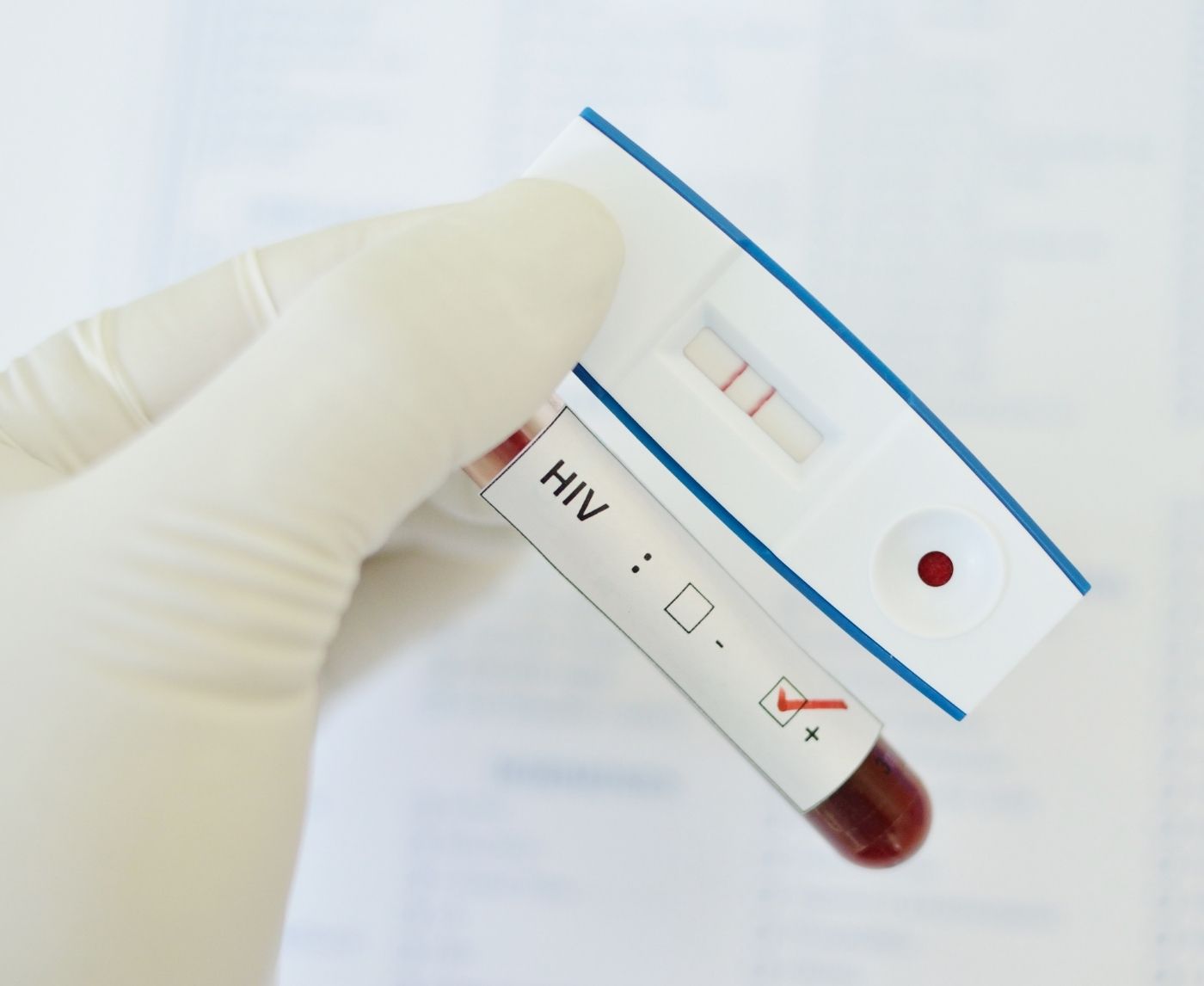
Quick Answer: STD tests can show false negatives if taken too soon. Most infections need 7 to 14 days before they become detectable, testing earlier may miss an active infection. Retesting at the right time improves accuracy.
Who This Guide Is For (And Why It Matters)
If you’re reading this, chances are you're in the waiting zone, somewhere between a risky encounter and your next decision. Maybe the condom broke. Maybe you had unprotected oral sex with someone new. Maybe it was a night you thought was safe but now you’re spiraling through Google searches. This guide is for anyone who wants answers without shame, panic, or confusing medical speak.
Whether you live in a rural area, can’t access a clinic, are waiting for your partner to test first, or simply want to handle this privately, you deserve clear, science-backed information. Testing is care, not confession. And timing matters as much as the test itself. We’ll walk you through what counts as a valid test, how long each STD takes to show up, what to expect from different testing methods, and what to do next if you're unsure about your results.
What Actually Counts as an STD Test?
When people say “STD test,” they might be talking about several different things. The gold standard for infections like chlamydia and gonorrhea is a NAAT (nucleic acid amplification test), which looks for the actual genetic material of the bacteria. These are used in both clinics and many mail-in lab kits.
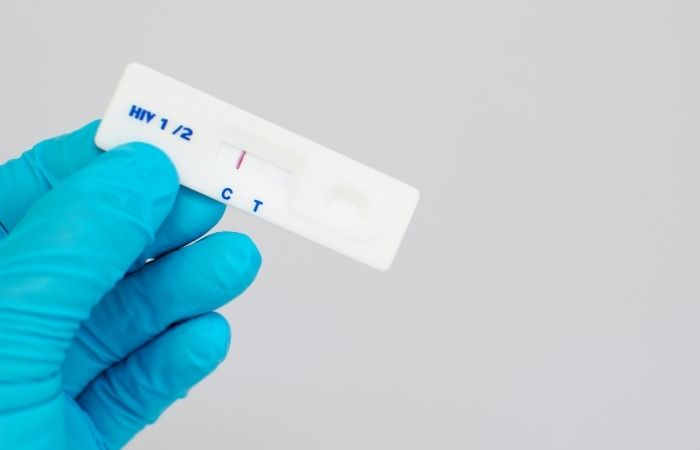
Rapid tests, like those for HIV, syphilis, and herpes, typically detect antibodies (your body’s immune response) or antigens (pieces of the virus). These tests can be done at home using fingerstick blood or oral swabs and provide results in minutes. But here’s the thing: if your body hasn’t started reacting yet, the test may not pick up anything, even if you're already infected.
At-home kits vary. Some use mail-in lab analysis (high accuracy, but slower), while others are instant-read rapid kits. You can browse the full range of options at STD Test Kits. Each method has pros and cons depending on how recently you were exposed.
Window Periods: What to Know for Each STD
The window period is the time between when you are exposed to the virus and when a test can reliably find it. It's not the same as the incubation period, which is the time it takes for symptoms to show up. Knowing the difference can keep you from being falsely reassured.
If you test before the window period is over, the infection may still be there, but your body hasn't made enough detectable material (like antibodies or DNA) for the test to find. That's when false negatives happen. Let's look at it by STD:
| STD | Common Test Type | Sample | Typical Window Period | When Accuracy Peaks |
|---|---|---|---|---|
| Chlamydia | NAAT/PCR | Urine or swab | 7–14 days | 14+ days |
| Gonorrhea | NAAT/PCR | Urine or swab | 7–14 days | 14+ days |
| Syphilis | Antibody (treponemal/non-treponemal) | Blood | 3–6 weeks | 6–12 weeks |
| HIV | Ag/Ab combo or NAAT | Blood or oral fluid | 10–33 days (NAAT); 18–45 days (Ag/Ab) | 4–12 weeks |
| Herpes (HSV-2) | Antibody or PCR | Blood or swab | 4–12 weeks | 12+ weeks |
| Trichomoniasis | NAAT or Rapid antigen | Swab or urine | 5–28 days | 2–4 weeks |
Figure 1. Typical window periods and accuracy timelines. Based on CDC, WHO, and NIH data from 2023–2025.
Rapid Test vs Lab Test: Pros, Cons, and Tradeoffs
Not all tests are created equal, and when you test too early, the kind of test you use matters even more. Picture two people: one does a rapid test from a gas station parking lot the morning after unprotected sex, while another mails a sample from a rural post office a week later. Their results, accuracy, and peace of mind may vary wildly.
Rapid tests (like those from HIV Test Kit) are quick and private, giving you results in minutes. But they're more likely to return false negatives when used during the early window period. Lab-based NAAT or PCR tests, like those in mail-in kits, are more sensitive, especially for bacterial STDs like chlamydia and gonorrhea.
| Method | Privacy | Speed | Sensitivity/Accuracy | Good Fit When |
|---|---|---|---|---|
| At-Home Rapid | Very high | Minutes | Moderate–High (depends on day) | You need an immediate read and value privacy |
| Mail-In Lab | High | 1–3 business days after mailing | High (NAAT/PCR) | You want lab-grade accuracy without a clinic visit |
| Clinic Visit | Low–Moderate | Same-day to several days | Very high | You have symptoms or need in-person consultation |
Figure 2. Comparing at-home and clinical STD testing by speed, privacy, and reliability.
What Happens If You Test Too Soon?
Let’s say you had sex last night and woke up panicking. You take a test. It says “negative.” That’s comforting, but it might not be accurate. On day 1 or 2, most infections haven’t reached detectable levels. You might not even test positive for chlamydia or gonorrhea until day 7 to 14. For viral infections like HIV or herpes, it can take even longer, sometimes weeks to months.
This isn’t about “missing” the infection, it’s about biology. If your body hasn’t produced antibodies or there’s not enough genetic material to detect, the test won’t catch it. These aren’t test flaws. It’s how immune response works. According to the CDC’s STD screening guidelines, retesting is often recommended after the window period ends to avoid false negatives.
Early negatives can make you feel better when you shouldn't. People may stop using protection, put off treatment, or think that symptoms are unrelated because of this. If you tested early, it's not your fault. It's normal. But knowing when to check in can make a big difference.
The Day-by-Day Breakdown: When STD Test Accuracy Improves
Here’s a general timeline based on the most common infections and testing methods. While not exact for every body or every infection, this offers a clear guide for when to test, and when to retest:
| Days After Exposure | What to Expect |
|---|---|
| Day 0–3 | Too early for reliable detection. Rapid tests may show false negatives. Only test if required due to assault or severe symptoms. |
| Day 4–6 | Still early. NAAT tests might begin detecting bacterial infections. Retesting strongly advised after Day 14. |
| Day 7–13 | NAAT tests become more accurate for chlamydia and gonorrhea. Viral infections may still not be detectable. |
| Day 14–21 | Optimal testing window for most bacterial STDs. Begin testing for syphilis and HIV (antigen/antibody combo). |
| Day 22–45 | Retesting recommended for all STDs if symptoms persist or exposure was high-risk. Herpes antibody tests may begin to show positives. |
| 6–12 weeks | Best time to detect late-developing infections like HIV, syphilis, and HSV-2. Peak accuracy. |
Figure 3. Day-by-day STD test accuracy timeline. Based on aggregated data from Mayo Clinic, CDC, and JAMA reviews.
“My Test Was Negative at First. Then Everything Changed.”
Luis, 32, tested four days after a weekend fling. The test came back negative, and he went about his week. Ten days later, he noticed a strange discharge and irritation during urination. He tested again, this time with a lab-based kit. It was positive for gonorrhea.
“I felt betrayed by the first test,” he said. “But my doctor explained it wasn't the test, it was the timing.”
This isn’t rare. Dozens of threads on Reddit, VICE, and even WebMD forums tell similar stories. You test early out of caution, get a clean result, and lower your guard, only to find out later that the timing made all the difference.
Peace of mind is powerful. But false peace of mind can delay treatment, put partners at risk, and keep you stuck in a cycle of doubt. That’s why understanding the testing window is one of the most empowering things you can do for your sexual health.
Do You Need to Retest? Here’s How to Know
If your initial test was taken within 14 days of exposure, especially if it was a rapid test, consider it a “preliminary result.” Retesting after the window period is essential for a definitive answer, especially if you develop symptoms later or continue to have unprotected sex.
After treatment, some infections like chlamydia can leave behind detectable DNA for weeks. Testing too soon can return a false positive, not because you’re still infected, but because the test picked up harmless remnants. In these cases, most guidelines recommend waiting 3–4 weeks post-treatment to retest.
If you were never treated but symptoms started after an early test, retest immediately with a NAAT-based or mail-in test. Ongoing exposures or multiple partners? Retest every 30–45 days or with each new partner. This isn't paranoia, it's smart, preventative care.
Whether you're healing from an STI or testing just to be safe, you can always return to STD Test Kits to explore your options discreetly and confidently.

Privacy, Shipping, and Discreet Support
One reason many people choose at-home STD testing is privacy. No waiting rooms. No awkward conversations. Kits from STD Test Kits arrive in unmarked packaging and ship directly to your home or P.O. box.
Shipping is fast, most kits arrive within 2–3 business days. Results from lab-based kits typically return in under a week after mailing. Rapid kits give you answers in 15–20 minutes. When you're anxious and searching for clarity, those hours matter.
Your results are yours. They're not shared with insurance, and you control whether you follow up with a clinic or telehealth provider. Need support? Many people find comfort in anonymous forums, Planned Parenthood chat services, or talking with trusted friends. You’re not alone, and you don’t have to navigate this alone either.
What If You Test Positive?
Take a breath. Testing positive for an STD might feel like the end of the world, but it's not. Most STDs are treatable. All are manageable. And testing positive means you're one step closer to getting care and protecting yourself and your partners.
The first step is confirming the result, especially if it came from an early rapid test. Many providers recommend a follow-up test from a lab. From there, treatment can begin. For chlamydia and gonorrhea, it's usually a short course of antibiotics. For viral STDs like herpes or HIV, long-term care plans and medications exist that help you stay healthy and undetectable.
Partner notification is tough, but essential. You don’t have to do it alone. Anonymous notification tools exist, and many clinics or telehealth providers can help. Start with a simple message: “I tested positive for an STI and you might have been exposed. Please get tested too.”
FAQs
- 1. Is it possible to test positive for an STD the day after having sex?
- No, most of the time. Most STDs take a few days to a few weeks to show up. Testing on day 1 could give false negatives. Depending on the infection, it's best to wait at least 7 to 14 days.
- 2. Which STD tests show up the fastest?
- NAAT tests can usually find gonorrhea and chlamydia within 7 days. But after day 14, it is more likely that it will be completely correct.
- 3. Why did I test negative but still feel sick?
- You might have tested during the window period, used a test that wasn't as sensitive, or had a different infection. If symptoms don't go away, retest with an NAAT-based kit and talk to a doctor.
- 4. When can I take the test again after treatment?
- If you want to avoid false positives from leftover bacterial DNA, wait at least 3–4 weeks. If you test again too soon, you might get confused.
- 5. Can you get a false positive on a test for STDs?
- Yes, but it's not common. It usually happens when antibody-based tests are used or when cross-reactivity happens. Confirmatory testing in a lab can help clarify.
- 6. What is the difference between the incubation period and the window period?
- During the incubation period, symptoms may show up. During the window period, tests can find the infection. They don't always match up.
- 7. How can I tell which test is best for me?
- Use a mail-in NAAT kit if the exposure was recent. Choose a quick test if you want results right away, but plan to retest after two weeks if the symptoms don't go away.
- 8. Can anxiety make you feel like you have an STD?
- Yes. Stress and anxiety can make physical feelings seem stronger or like they're happening. But if the symptoms don't go away, it's best to rule out an infection with a test.
- 9. Should I tell my partner if I'm not sure I'm positive?
- If you've had a risky encounter recently and a preliminary test was positive or you have symptoms, it's a good idea to tell your partners, even if it's just to be safe.
- 10. If I was exposed months ago, do I need to test again?
- Yes, if you never tested again after that exposure. Some STDs can stay in the body for months or years without showing any signs.
You Deserve Answers, Not Assumptions
It’s normal to want answers fast. To test right after a risky night and hope it’s all behind you. But understanding when and how STD tests work protects you from false reassurance. You’re not being paranoid, you’re being proactive. And that’s powerful.
If you’re still unsure, if symptoms are still lingering, or if your test came back negative but something feels off, retest. Don’t let timing be the reason you miss something important. This at-home combo test kit checks for the most common STDs discreetly and accurately, so you can stop guessing and start healing.
How We Sourced This Article: We combined current guidance from leading medical organizations with peer-reviewed research and lived-experience reporting to make this guide practical, compassionate, and accurate. In total, around fifteen references informed the writing; below, we’ve highlighted six of the most relevant and reader-friendly sources. Every external link in this article was checked to ensure it leads to a reputable destination and opens in a new tab, so you can verify claims without losing your place.