Herpes, HPV, and Sperm: Are These STDs a Fertility Risk Too?
Quick Answer: Herpes and HPV don’t usually cause infertility, but they can affect sperm quality, motility, and DNA. Let’s be real: sexual health and fertility are two things men rarely talk about in the same sentence.
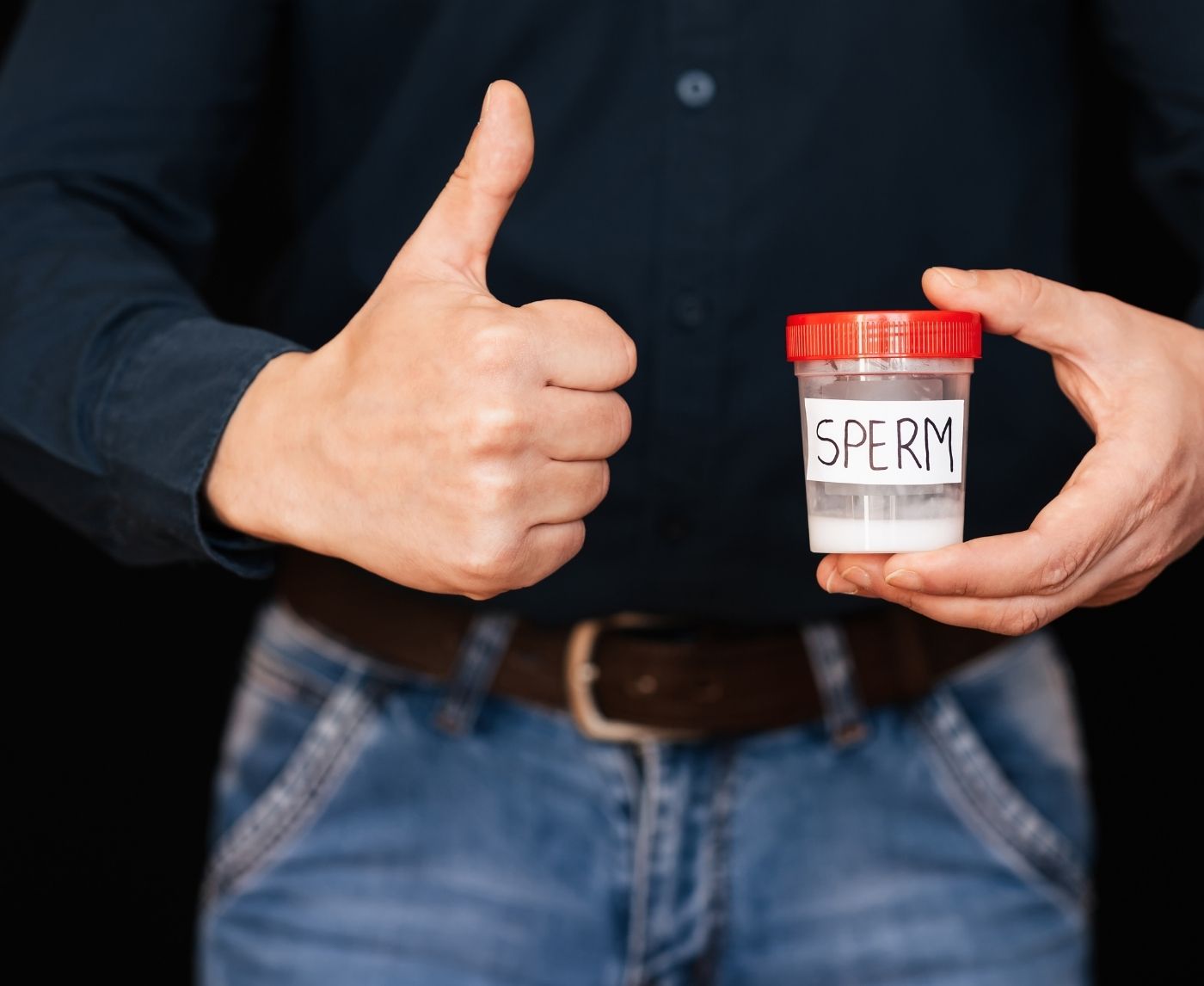
Quick Answer: Herpes and HPV don’t usually cause infertility, but they can affect sperm quality, motility, and DNA. In rare cases, complications from these STDs may interfere with fertility, especially if other infections are involved or treatment is delayed.
Who This Article Is For (And Why It Matters)
This guide is for men who’ve tested positive, or who are worried they might be, and want straight answers about how herpes or HPV might affect their ability to have kids. It’s also for partners trying to conceive, men recovering from STDs, or anyone with lingering anxiety after a diagnosis.
Let’s be real: sexual health and fertility are two things men rarely talk about in the same sentence. But they should be. Silent infections, untreated viruses, and inflammation in the reproductive tract can all play a role in sperm function, even if you feel totally fine. This article unpacks what the science says, what to watch for, and what you can actually do about it.
What Is HPV and Why Does It Matter for Men?
HPV (human papillomavirus) is the most common STD in the world, and yes, men get it too. Often. The CDC estimates that around 45 million people in the U.S. are currently infected with HPV, and most don’t even know it. There are over 100 strains, some of which cause genital warts, while others are linked to cancers, especially in the throat, anus, and penis.
But what about sperm?
Recent studies suggest that certain strains of HPV can attach to sperm cells, potentially interfering with their motility (how well they swim) and ability to fertilize an egg. In men with high viral loads or untreated HPV, there’s also evidence that DNA fragmentation in sperm may increase, though the research is still evolving.
The good news? For most men, HPV clears on its own within two years. It doesn’t always affect fertility, especially if your immune system is strong and you’re not dealing with other infections at the same time.
Can Herpes Affect a Man's Ability to Have Children?
People usually talk about pain, outbreaks, and shame when they talk about herpes, not sperm. But the herpes simplex virus, especially HSV-2, may have a small effect on men's reproductive health, especially in men who have chronic or recurring infections.
Studies show that men with herpes may show:
- Less sperm motility means that the sperm moves more slowly or in a way that isn't steady.
- Abnormal sperm morphology means that the sperm may not be shaped right, which can make it harder for them to fertilize an egg.
- More inflammation: Outbreaks can cause localized inflammation in the genital tract, which may temporarily affect sperm transport or production.
But here's the thing: most of these effects don't last long and can be undone. Over time, treating herpes, managing stress, and keeping outbreaks under control usually bring sperm parameters back to normal. There is inadequate evidence to claim that herpes exclusively causes permanent infertility in men.
How These Viruses Affect Sperm
You might think of sperm as tiny swimmers racing to the finish line, but what happens when an infection takes over the pool? Even if they don't cause any obvious symptoms, both HPV and herpes can change the tiny environment that sperm travel through.
Let's talk about HPV first. Some research shows that HPV DNA can attach to the head of a sperm cell. That might not always make it harder for it to swim, but it could make it harder for it to fertilize an egg or grow into a healthy embryo. Researchers have also looked into whether high-risk HPV strains might make it more likely for a woman to have a miscarriage when they are passed on through infected sperm, but the results are still not clear.
Herpes is different. Even though herpes doesn't directly attach to sperm, it can cause inflammation in the epididymis or prostate, especially during or after an outbreak. That inflammation could make the seminal fluid or sperm transport worse, which could make the sperm move more slowly or have fewer healthy sperm in each ejaculate.
What you should remember is These effects are real, but they are usually mild and go away quickly, especially with treatment. If you're trying to get pregnant or plan to, it's still a good idea to talk to a provider about your history.
What the Research Actually Says
It’s one thing to speculate. It’s another to look at hard data. Here’s what recent research has found on HPV, herpes, and male fertility:
| Study | Findings | What It Means |
|---|---|---|
| HPV and Sperm Integrity (Andrologia, 2021) | HPV DNA was found in sperm of 11–24% of infertile men | Suggests possible link between HPV and subfertility in men |
| HSV and Semen Quality (Fertility & Sterility, 2020) | HSV-2 detected in semen associated with reduced motility | Herpes may temporarily impair sperm movement during infection |
| HPV Transmission Via Sperm (Human Reproduction, 2018) | HPV-positive sperm may increase early miscarriage risk | Supports need for screening in couples with recurrent pregnancy loss |
| Inflammation and Fertility (Journal of Reproductive Immunology, 2022) | Genital tract inflammation linked to lower sperm count and viability | Recurrent viral outbreaks may play a role |
Table 1. Selected studies investigating the correlation between viral STDs and male fertility outcomes.
So what does all this mean for you? If you’re otherwise healthy and managing your STD well, chances are your fertility hasn’t taken a permanent hit. But if you’ve had recurrent outbreaks, delayed treatment, or multiple infections, it might be worth digging deeper with a semen analysis.
How Do You Even Know If It's Affecting Your Sperm?
Let’s say you had herpes for years or tested positive for HPV after a breakup. Now you’re thinking about having kids, or maybe you’re trying and nothing’s happening. How do you know if your past infections are getting in the way?
The gold standard here is a semen analysis. It looks at:
- Volume – how much fluid is produced
- Sperm count – how many sperm are in each milliliter
- Motility – how well the sperm are swimming
- Morphology – the shape and structure of sperm
- Vitality and pH – indicators of fluid health and cell survival
You can get this done through a fertility clinic, a urologist, or even some at-home testing services. It’s non-invasive, usually covered by insurance, and gives you real answers, not just guesswork.
If your results are off, and you’ve had viral STDs in the past, it may point to lingering inflammation or cellular damage. But the upside? Many sperm issues are reversible with the right treatment, time, and support.
Can You Still Get Someone Pregnant If You Have Herpes or HPV?
Short answer: Yes, you absolutely can. But there’s a bit more to it.
Having herpes or HPV doesn’t make you infertile by default. Plenty of men with either virus father healthy kids. These infections don’t shut down sperm production entirely, but they can affect quality, especially during active infection or if inflammation is ongoing.
The bigger concern isn’t always about your ability to get someone pregnant, it’s what gets transmitted during the process. If you have herpes and your partner contracts it during early pregnancy, the risks are higher. Same goes for high-risk HPV strains and unvaccinated partners. That’s why timing, transparency, and good sexual health practices matter just as much as fertility.
In other words: don’t assume you’re in the clear, or that you’re doomed. Talk to your partner, talk to your provider, and make a plan that works for both of you. Sperm can still do its job. You just want to make sure it’s not bringing any unwanted baggage with it.

What About Transmission Through Sperm?
This is where things get a little more sci-fi. Some research has shown that HPV DNA can be carried on sperm, meaning the virus could technically be “delivered” to an egg during fertilization. That doesn’t mean your baby will get HPV, but it may play a role in early miscarriage or failed implantation in rare cases.
With herpes, it’s less about the sperm and more about the environment. If you’re having an outbreak or shedding the virus, exposure can happen during sex, but not via the sperm itself. Still, protecting your partner during conception is crucial. No one wants their “we’re pregnant!” moment to include a surprise infection.
If you’re planning a pregnancy, talk with your doctor about timing, antiviral options, and whether additional testing is needed. It’s not about fear, it’s about informed decisions and respect for your partner’s body, too.
What You Can Do Right Now
If this article hit a nerve, take a breath. You’re not broken. You’re not alone. And you’re not powerless. Here are some next steps you can take, whether you’re actively trying to conceive or just want to protect your fertility for the future:
- Get tested: If you have not tested for the presence of the human Pap virus (HPV), the herpes virus, or other STDs in the past, get tested for them.
- Request semen analysis: In cases where there have been multiple episodes of outbreaks, chronic infections, or issues with fertility.
- Symptom treatment and management: Antiviral therapy, vaccines, and immune-enhancing modifications to lifestyle can be helpful.
- Talk to your partner: Transparency can cultivate intimacy and avoid surprises. Remember, though, that you’re not alone in this process.
If you're not sure where to begin, a Combo STD Test Kit is a great first step. It covers multiple common infections from the privacy of home, no clinic, no judgment.
Myth-Busting: What Doesn’t Affect Sperm (At Least Not From STDs)
Let’s clear up a few misconceptions while we’re here:
- Herpes doesn’t live in your sperm: It affects surrounding tissues, not the sperm cells themselves.
- HPV doesn't guarantee infertility: In most cases, the body clears it naturally and fertility returns to baseline.
- Having an STD doesn’t mean you can’t be a father: It just means you need to manage your health a little more intentionally.
- Sperm damage isn't always permanent: Sperm regenerates every 64–72 days. What’s true today may change in a few months.
Your sperm is resilient. So are you.
FAQs
- 1. Can herpes make me infertile?
- Not likely. Herpes isn't gunning for your sperm, it’s more of a side character in this fertility story. During an outbreak, inflammation in your junk can mess with sperm quality a bit, but it's usually temporary. Most guys see sperm health bounce back once things settle down. So no, herpes doesn’t equal infertility.
- 2. Does HPV damage sperm?
- Sometimes, yeah, but it’s not a guaranteed hit. HPV can hitch a ride on sperm cells and may mess with how they move or affect their DNA. It’s like adding sand to a race track: not ideal, but not necessarily a deal-breaker. Most guys clear the virus naturally and go on to have healthy pregnancies with partners.
- 3. I had herpes years ago. Should I be worried now?
- If your outbreaks are rare and you’ve taken care of your health, probably not. Herpes doesn’t leave permanent footprints on your sperm. But if you’ve had frequent flares, it’s worth checking in with a semen analysis just to see where things stand now.
- 4. Can sperm actually pass herpes or HPV to someone else?
- It’s rare, but kind of. Herpes isn’t riding inside your sperm, it’s spread through skin and fluids. HPV, though, can cling to sperm DNA and potentially reach the egg. That doesn’t mean the baby’s at risk, but it’s one more reason to talk with your doctor if you’re trying to conceive.
- 5. Can I still get someone pregnant if I have herpes?
- Definitely. Herpes doesn’t stop sperm from doing its job. But if you're mid-outbreak, wait it out, protecting your partner is part of the deal. When you're symptom-free, it's game on.
- 6. My partner and I are trying, but I had HPV. Could that be the issue?
- Possibly, but don’t panic. HPV might impact fertility if it’s sticking to your sperm and messing with how they function. A semen test will give you real answers. And if HPV’s the culprit, there are ways to work around it, sometimes all it takes is time and immune support.
- 7. Should I wait to have kids if I just found out I have herpes?
- Not necessarily. If you're managing it well, there's no reason to hit pause forever. But it’s smart to wait until you're not in the middle of an outbreak, and to talk to your partner (and maybe your doc) about timing and antiviral meds that can reduce transmission risk during conception.
- 8. How would I even know if my sperm was affected?
- You wouldn’t, at least not without testing. That’s what a semen analysis is for. It checks things like count, motility, shape, and more. It’s painless, quick, and way less awkward than Googling symptoms at 2 a.m. again.
- 9. Can at-home STD tests check for these viruses?
- Yep. You can use a herpes test or HPV test from home, no clinic, no waiting room. It’s private, fast, and gives you real peace of mind, especially if you’re thinking about future fertility.
- 10. If I get treated, will my sperm go back to normal?
- In most cases, yes. Sperm regenerates every 2–3 months, so what’s happening today isn’t forever. Treat the infection, give your body a little time, and you’ll likely see improvement. Your body’s got this, especially if you’ve got the info to help it out.
You’re Not Broken, You’re Just Getting Informed
Having herpes or HPV doesn’t disqualify you from fatherhood. It doesn’t mean your sperm is useless, or that your future has to look different than you imagined. It means your body had a virus, like most people’s bodies do at some point. What matters now is what you do with that knowledge.
If you’re thinking about fertility, now or later, the best first step is getting tested. STD Test Kits offers reliable, private at-home options, including combo kits and condition-specific tests, so you can take control of your health without judgment.
Your sperm is part of your story. Let’s keep it strong, supported, and shame-free.
How We Sourced This Article: We combined current guidance from leading medical organizations with peer-reviewed research and lived-experience reporting to make this guide practical, compassionate, and accurate. In total, around fifteen references informed the writing; below, we’ve highlighted six of the most relevant and reader-friendly sources.