2025 UNAIDS Report: Why At-Home HIV Testing Is More Urgent Than Ever
Quick Answer: The UNAIDS report from 2025 says that undiagnosed HIV is still a big problem that keeps the epidemic going. Who This Guide Is For (And Why It Matters) Maybe your partner recently tested positive.
Quick Answer: The UNAIDS report from 2025 says that undiagnosed HIV is still a big problem that keeps the epidemic going. At-home testing is a quick and private way to find out your status, especially in places or situations where stigma, distance, or cost make it hard to get to a clinic.
Who This Guide Is For (And Why It Matters)
Maybe your partner recently tested positive. Maybe you’re scrolling in bed, replaying last weekend’s hookup. Maybe you’ve been putting it off for months, afraid of what a result might mean. This guide is for anyone navigating those moments, the anxious, the overwhelmed, the quietly brave. It’s for those who don’t have time or trust for a clinic visit. It’s for people who live in rural areas or conservative households. It’s for anyone who wants clarity without shame.
And it’s especially for people who feel alone in the process. Testing isn’t just a medical step. It’s an act of self-care. It’s the first door you open to take back control. In this guide, we’ll break down what counts as an HIV test, how timing affects results, which test types are best for different needs, and what to do if your result comes back positive. Whether you’re testing for peace of mind or following a risky encounter, you’ll find the answers here.

What Actually Counts as an HIV Test?
An HIV test checks for signs that your body has encountered the virus, or the virus itself. There are three main categories of HIV tests:
Antibody tests
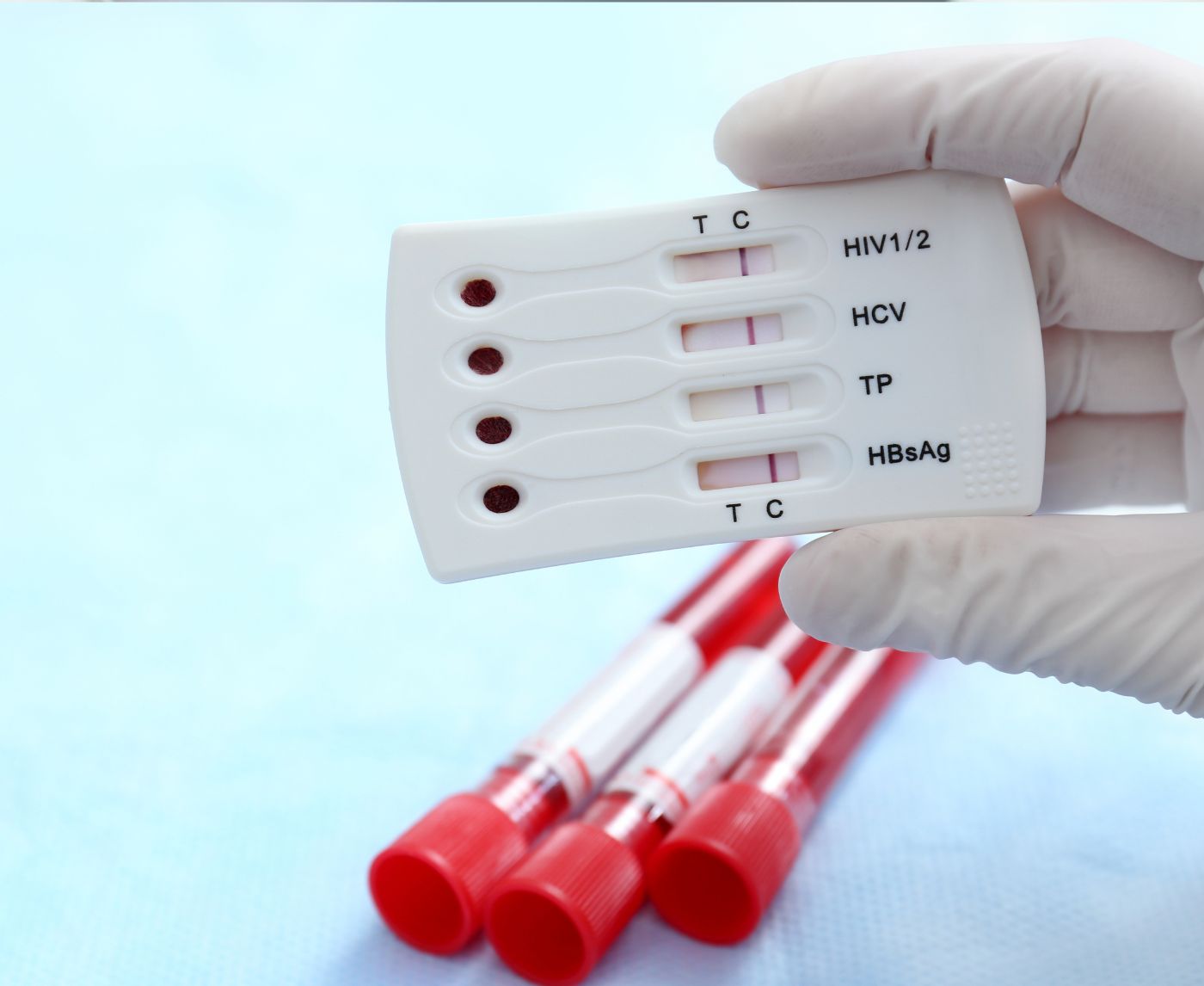
These detect the body’s immune response to HIV. Most rapid tests fall into this category, including many at-home kits that use a fingerstick or oral swab. Results are usually ready within 20 minutes. These tests are accurate but may not detect very recent infections.
Antigen/antibody combo tests (Ag/Ab)
Often performed in clinics or labs, these can detect HIV sooner than antibody-only tests by identifying the p24 antigen, which appears before antibodies do.
Nucleic Acid Tests (NAATs)
These detect the virus’s genetic material itself. NAATs are highly sensitive and can catch HIV infections as early as 10–14 days post-exposure. They’re usually done in clinical settings or through advanced mail-in labs.
At-home options today are more advanced than ever. STD Test Kits offers discreet, FDA-approved tests that screen for HIV and other common STDs. You can order an HIV test kit here and receive results in minutes, all without leaving home.
Window Periods: What to Know for Each STD
One of the most misunderstood parts of HIV testing is the “window period.” That’s the time between when you were exposed and when a test can reliably detect infection. During the early days, your body might not show enough of a response for the test to catch it, even if you’re infected. That’s why timing matters.
For HIV, most rapid tests (especially oral swabs) detect antibodies and work best 3 to 12 weeks after exposure. Antigen/antibody lab tests can detect infection sooner, around 18–45 days. If you test too early, a negative result might not be accurate, you may need to retest later for confirmation.
| STD | Test Type | Sample | Window Period | Best Time to Test |
|---|---|---|---|---|
| HIV | Antibody or Ag/Ab combo | Oral swab or blood | 18–90 days | 28+ days for most; 90 days for full accuracy |
| Chlamydia | NAAT | Urine or swab | 5–14 days | 14+ days |
| Gonorrhea | NAAT | Urine or swab | 5–14 days | 14+ days |
| Syphilis | Antibody test | Blood | 21–42 days | 6–12 weeks |
| Trichomoniasis | NAAT or antigen | Swab or urine | 5–28 days | 2–4 weeks |
Figure 1. Window periods vary based on test type, infection, and your immune system. Choosing the right time to test is just as important as choosing the right test.
Rapid Test vs Lab Test: Pros, Cons, and Tradeoffs
Picture this: You’re sitting in your car outside a pharmacy with a rapid test in your bag, heart racing. You want answers, but you’re not sure if you should trust what you’ll see in that little cassette window. Or maybe you’re mailing off a sample from your kitchen, hoping a lab can give you a clearer picture. Both options have their place, but they serve different needs.
At-home rapid tests offer immediate results. They’re perfect for privacy, especially when you’re dealing with fear, embarrassment, or time constraints. Lab tests, whether done by mail or at a clinic, usually take longer, but they often offer higher sensitivity, especially in early infections.
| Method | Privacy | Speed | Accuracy | Best Use Case |
|---|---|---|---|---|
| At-Home Rapid Test | Very High | 10–20 minutes | Moderate–High (if tested after window period) | Need instant results, testing after known exposure, anxious about clinic visit |
| Mail-In Lab Kit | High | 2–5 days | High (especially for early detection) | Want lab-grade accuracy, testing for multiple STDs, need written report |
| Clinic Test | Low–Moderate | Same day to 1 week | Very High | Ongoing symptoms, need physical exam, treatment onsite |
Figure 2. Each testing method has tradeoffs. Choose based on timing, privacy needs, and emotional comfort, not just speed.
When to Test After Exposure
If it’s been less than 5 days since your exposure, you might feel a desperate need to test right away, but here’s the reality: it’s usually too soon. Most tests, including rapid kits, won’t detect HIV or other STDs during this window. However, if you’re experiencing extreme symptoms, were assaulted, or shared needles, seek immediate medical attention. In those cases, early intervention is critical, and a clinic visit is the best route.
If it’s been 7 to 13 days, some infections, like chlamydia or gonorrhea, may be detectable, but retesting later can still be necessary. A reader once wrote in after getting tested on day 8. Her test was negative, but her symptoms worsened. When she retested at day 18, she found out she was positive for both trich and HIV. “I felt betrayed by my first test,” she said, “but now I understand I just tested too early.”
If it’s been 14 days or more, you’re in the sweet spot. Most tests are highly accurate at this point, especially for bacterial infections. For HIV, you may still need to retest at the 90-day mark to be absolutely sure, depending on the type of test you used.
If you're not sure how risky your situation really was, this interactive quiz can help you figure it out: STD Risk Checker Quiz: Do You Need to Get Tested?
Do You Need to Retest? Here’s How to Know
Retesting isn’t a failure, it’s part of responsible care. If you were treated for an STD, retesting too soon can show false positives because your body may still carry fragments the test picks up. For HIV, some people retest at 90 days after their last risky exposure to be absolutely certain, especially if their first test was early in the window period.
Consider Marcus, 27. He tested negative for HIV using a rapid oral swab 18 days after a one-night stand. But he couldn’t shake the anxiety. At day 40, he took a mail-in blood test. This one came back positive. “I didn’t want to believe it. I thought I was safe,” he told us. His story is common, and a reminder that early negatives don’t always mean you’re in the clear.
If you’ve had a recent treatment, ongoing symptoms, or repeated exposures with different partners, retesting 30 to 90 days later is often recommended. This applies to both HIV and other infections like syphilis, chlamydia, and gonorrhea. It’s not about paranoia, it’s about certainty.
Whether you need peace of mind or post-treatment follow-up, you can return to STD Test Kits to explore test options that meet you where you are. From combo kits to single-infection tests, you can take control of your timeline, privately and on your own terms.
Privacy, Shipping, and Discreet Support
One of the biggest barriers to getting tested is fear, of being seen, of being judged, of not being in control. That’s why at-home testing has become so crucial. Every order from STD Rapid Test Kits is shipped in plain packaging with no logos or health-related language. You’ll know what it is, but no one else will. Most kits arrive within 2 to 4 business days in the U.S., and international shipping options are available.
Results stay private, only you see them. You don’t need to create an online account or wait for someone to email you. Rapid tests give you answers right away. Even if you’re traveling, living with roommates, or navigating a new relationship, you can test on your schedule, not a clinic’s. And if you ever feel stuck or confused, discreet customer support is available by email with no judgment, just real answers.
If you need extra privacy, consider testing during quiet hours, storing the kit in a locked drawer, or using a bathroom with a good mirror and counter space. People in remote areas, conservative homes, or gender-unsafe environments often rely on at-home tests for exactly these reasons. Your autonomy matters, and you don’t need permission to protect yourself.
What If You Test Positive?
Take a breath. A positive result doesn’t mean your world ends, it means your healing starts. Most STDs, including HIV, are manageable or treatable with today’s medical tools. And the earlier you know, the better your outcome. You’re not dirty. You’re not broken. You’re not alone.
If you test positive for HIV, follow up with a clinic, doctor, or telehealth service that can confirm your result with a laboratory test. If confirmed, they’ll guide you toward treatment, which often starts with a single daily pill. The goal is viral suppression, reducing the virus to undetectable levels so you can’t pass it to others. Many people with HIV live long, full, and healthy lives thanks to early intervention.
Confidential partner notification services are available if you don’t feel safe telling someone directly. Anonymous text systems, state health departments, or clinic-based support can help get the message out without putting you at risk. You deserve care, not shame.
Here’s how it often goes: You’re sitting in your car after seeing two lines appear. The world feels like it’s spinning. You open the door, breathe the cold air, and make a choice, you text your partner. You book a follow-up. You look up the treatment steps. That first moment may feel like falling, but what comes after is grounding. You are not the result. You are what you choose next.
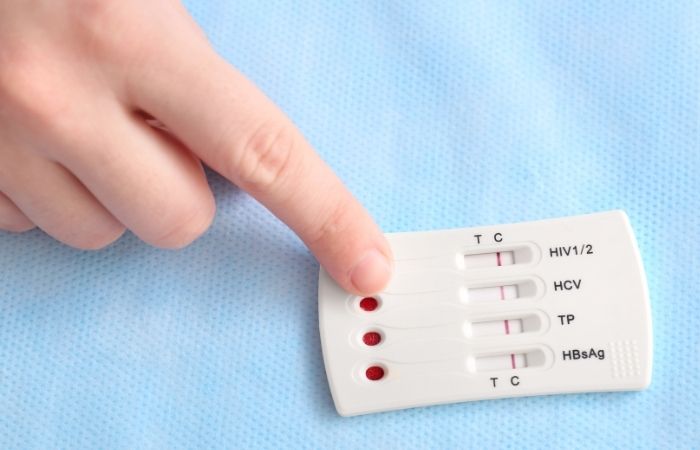
If you're ready to retest, test a partner, or take that first step, the Combo STD Home Test Kit screens for the most common infections discreetly and quickly. No judgment. Just clarity.
People are also looking for: New Herpes Drug Pritelivir What It Means for You
FAQs
- 1. How soon after sex can I get tested for HIV?
- If you’re panicking the morning after, you’re not alone, but hold up. HIV doesn’t show up on tests immediately. Most at-home rapid tests work best at 3 to 12 weeks post-exposure. If it’s been less than that, testing can still help, but be ready to retest. The sweet spot for accuracy? Around day 28 and again at day 90, depending on the test type.
- 2. Can I really trust an at-home HIV test?
- Yes, if it is. If you use them properly and at the right time, FDA-approved test kits, such as those from STD Rapid Test Kits, can be quite accurate. They're much like smoke detectors. They're quick, accurate, and can be lifesavers. You simply have to be sure you're not using them too early.
- 3. What if I got a negative result but I still feel weird?
- Trust your gut, but also check your calendar. If you tested within the first two weeks after exposure, you might’ve jumped the gun. Retest at the 4-week mark, and again at 12 weeks if needed. If your symptoms are intense or unusual, don’t wait, reach out to a clinic. Testing is a snapshot, not a crystal ball.
- 4. What does a faint test line mean?
- A line is a line. Even if it’s barely there, a faint positive on an HIV rapid test means the test likely detected antibodies. It doesn’t matter how dark it is, get a follow-up test from a lab to confirm it. Don’t brush it off. Don’t spiral. Just take the next step.
- 5. Do I need to test again after HIV treatment?
- Nope, not for HIV itself. Once diagnosed and on meds, your doctor will monitor your viral load instead. But you should still test regularly for other STDs. Treatment doesn’t mean you’re invincible, just that you’re in charge now.
- 6. What if I don’t want anyone to know I’m testing?
- That’s exactly why at-home tests exist. They ship in plain packaging. You read your own results. No awkward receptionist. No insurance trail. Whether you’re living with family, in a small town, or just not ready to talk about it yet, privacy is baked in. This test is just for you.
- 7. Is it possible to get HIV from oral sex?
- It’s rare, but yes, especially if there are cuts, sores, or gum disease involved. The risk is lower than with anal or vaginal sex, but it’s not zero. If you’re worried about a specific encounter, test anyway. Peace of mind is worth it.
- 8. What if I used a condom, do I still need to test?
- Condoms are superheroes, but they're far from perfect. They can break, slip, or be used incorrectly. And trust me, that’s besides the fact that you don't have to be intimate to catch some STDs – hello, herpes and syphilis! If there was contact, a broken condom, or your gut telling you something is up, get tested.
- 9. I don’t have symptoms. Should I even bother testing?
- Yes, yes, and yes again. Most people with HIV or STDs have zero symptoms for weeks, months, even years. Waiting for a rash or a sore to show up is like waiting for a fire to start before checking the smoke alarm. Test regularly, especially if you’re sexually active with new or multiple partners.
- 10. What’s the best at-home test if I want to check for more than just HIV?
- Go for a combo kit. The Combo STD Home Test Kit screens for the big ones, HIV, syphilis, chlamydia, gonorrhea, and more. It’s fast, discreet, and gives you a full picture so you’re not testing blind.
You Deserve Answers, Not Assumptions
Silence, delay, and shame keep the HIV epidemic alive. The 2025 UNAIDS report proves we still have work to do, but it also shows that progress is possible. And progress starts with knowing your status.
At-home HIV tests are one of the most powerful tools in the fight against undiagnosed infections. They're discreet, fast, and emotionally safer for people who’ve been avoiding clinics out of fear. Whether you’re questioning, recovering, or just being responsible, testing is how we move forward.
Don’t wait and wonder, get the clarity you deserve. This at-home combo test kit checks for the most common STDs discreetly and quickly.
How We Sourced This Article: We combined current guidance from leading medical organizations with peer-reviewed research and lived-experience reporting to make this guide practical, compassionate, and accurate. In total, around fifteen references informed the writing; below, we’ve highlighted some of the most relevant and reader-friendly sources.