Burning Up at Night? It Could Be More Than Anxiety
Quick Answer: Yes, certain STDs, especially HIV, syphilis, and sometimes chlamydia or gonorrhea, can cause night sweats during early or systemic stages. They often mimic flu symptoms and are easy to overlook. Sweats.
Quick Answer: Yes, certain STDs, especially HIV, syphilis, and sometimes chlamydia or gonorrhea, can cause night sweats during early or systemic stages. They often mimic flu symptoms and are easy to overlook.
Why Night Sweats Might Be a Red Flag
We all sweat at night sometimes, after spicy food, during vivid dreams, or when we're stressed out. But if you’re waking up drenched more than once, and especially after a recent sexual encounter, it’s time to look deeper.
Night sweats linked to STDs are usually part of a wider response: the body trying to fight off a new infection. It can feel like the flu, a bad cold, or even anxiety. And that’s where the confusion sets in.
“I thought I had COVID again,” said one Reddit user describing night sweats, sore throat, and fatigue after a weekend hookup. “Turns out I was seroconverting.” That last word? It refers to the window when someone newly infected with HIV starts to develop detectable antibodies, and their body flips into defense mode. Sweats. Chills. Fevers. Fatigue. Mouth ulcers. All possible.
Other STDs like syphilis and chlamydia can also trigger similar responses, especially when they spread beyond the genitals. But they’re harder to catch if you’re only watching for “down there” symptoms.
The STDs Most Likely to Cause Night Sweats
Not every infection will give you night sweats. Some are stealthy and stay localized. But a few have a reputation for triggering systemic symptoms, fevers, chills, fatigue, sore throat, body aches, and yes, drenching night sweats.
| STD | Can It Cause Night Sweats? | When It Happens |
|---|---|---|
| HIV (Acute Stage) | Yes – Common | 2–4 weeks after exposure during seroconversion |
| Syphilis (Secondary Stage) | Yes – Possible | Weeks to months after initial infection |
| Chlamydia | Rare – But possible if infection spreads | When pelvic or systemic complications develop |
| Gonorrhea | Rare – But possible with PID or systemic spread | Typically in untreated or complicated cases |
| Herpes (Primary Outbreak) | Uncommon – Mild fever and fatigue more typical | During first outbreak |
Figure 1. STD-related night sweats are most common with acute HIV and secondary syphilis.
These sweats are often misread as flu, anxiety, or menopause. That’s not a mistake, it’s a trap. Your brain will try to rationalize. But your body may be waving a red flag that says: something’s wrong.
Night sweats don’t mean you’re doomed. But if they come after a high-risk encounter or show up with other symptoms, like fatigue, sore throat, or swollen glands, it’s worth getting tested. And yes, you can do that discreetly from home.
If you're stuck in the waiting game, wondering if it’s real or just in your head, breathe. You're not alone. And answers are available.
This Isn’t Just Anxiety, And Here’s Why
It’s easy to write off night sweats as anxiety, especially if you’ve been under stress, started a new medication, or are dealing with hormone changes. But when they come paired with other changes after sex, like fatigue, a sore throat, or even just a feeling that something’s “off”, it’s time to consider a deeper cause.
HIV is the classic example. Acute infection symptoms can look exactly like a bad case of the flu: sweats, chills, fever, body aches, sore throat, mouth ulcers, rash. These usually show up 2–4 weeks after exposure and disappear on their own. That’s the dangerous part. Most people don’t realize they were even infected.
CDC guidance confirms that during this time, called seroconversion, viral load is extremely high. That means you’re more infectious than ever, even though the symptoms are vague. Waking up drenched in sweat during this stage is common, but under-discussed.
In secondary syphilis, your body is also under systemic attack. The immune response to syphilis spirochetes can cause fevers and night sweats, along with rash, swollen glands, and hair loss. Again, these symptoms might be dismissed as seasonal flu or stress, especially if the genital ulcer from primary syphilis was missed or went unnoticed.
“I woke up soaked for a week straight,” said Jay, 31, recalling the weeks after a casual encounter. “I thought I was just working too much. Then I got this rash on my hands, and my doctor ordered a syphilis test.” The result? Positive. He never noticed the initial chancre.
STD, Stress, or Something Else? A Symptom Comparison
Here’s where it gets messy: night sweats aren’t just caused by infections. They can also be triggered by:
- Stress and anxiety
- Perimenopause or hormone shifts
- Medications (especially SSRIs)
- Hyperthyroidism
- Other viral infections (like mono or COVID)
So how do you know if it’s related to an STD? Look for clusters of symptoms, timing after sex, and whether there was any risky exposure (new partner, condomless sex, or shared equipment). Here’s a breakdown:
| Cause | Night Sweats? | Other Clues |
|---|---|---|
| Acute HIV | Yes – Common | Fever, sore throat, mouth ulcers, rash, fatigue, swollen nodes |
| Secondary Syphilis | Yes – Occasional | Body rash (especially on palms), lymph swelling, hair thinning |
| Chlamydia/Gonorrhea | Rare | Burning during urination, discharge, pelvic or testicular pain |
| Anxiety/Stress | Yes – Especially with panic or sleep issues | Racing heart, sleep disturbance, no infection signs |
| Mono or Flu | Yes | Sore throat, body aches, fatigue, recent known exposure |
Figure 2. Comparison of common causes of night sweats, with infection-based versus non-infectious clues.
How Long After Sex Can STD Symptoms Like Night Sweats Appear?
Each infection has its own “window period”, the time between exposure and when symptoms or positive test results may appear. For night sweats, we’re usually talking about infections that have spread beyond the point of localized symptoms.
Here’s what that timeline can look like for the most likely culprits:
| Infection | First Symptoms Appear | When Night Sweats May Begin | When to Test |
|---|---|---|---|
| HIV | 2–4 weeks post-exposure | Same as first symptoms (seroconversion) | 14+ days (retest at 30+ days if needed) |
| Syphilis | 10–90 days for primary ulcer; weeks later for secondary symptoms | During secondary stage | 3–6 weeks after exposure; repeat at 90 days |
| Chlamydia/Gonorrhea | 1–3 weeks | Rare, unless severe infection develops | 7–14 days post-exposure |
If you're unsure when you were exposed, or if symptoms came on fast, it’s still worth testing now. Many people miss the early window and delay action out of fear or confusion. You don’t have to wait until you’re sure something’s wrong.
STD Test Kits offers at-home options you can use without leaving your house. Confidential, fast, and easy to interpret, so you can stop guessing.
If you had unprotected sex recently and woke up sweating days later, don't brush it off. Get clarity. Get tested. Then move forward from facts, not fear.
“I Thought It Was Just a Panic Attack”
Aria, 26, had just gotten back from a weekend music festival. She’d hooked up with someone she met at the afterparty. No condom. No exchange of numbers. A few days later, she started waking up in a cold sweat. Her throat felt raw, her muscles ached, and she was completely drained, like her body was trying to fight off something invisible.
“I didn’t even think about an STD,” she said. “I figured I was anxious or dehydrated or just getting sick from the crowd. But it didn’t feel like a cold. It felt deeper.”
By day six, she was still waking up soaked. She Googled “night sweats after sex” and spiraled. She read about HIV seroconversion, syphilis rash, and even CMV reactivation. But instead of panic-buying 10 different test kits, she chose clarity.
She ordered an at-home combo test that covered HIV, syphilis, chlamydia, and gonorrhea. The instructions were clear. Results came fast. And even though the HIV test was negative, the syphilis result came back reactive. It explained everything. She got treated that same week, and her symptoms vanished soon after.
This story isn’t rare. Systemic STD symptoms like night sweats often feel like everything else. The difference is how long they last, and whether they escalate. Your body gives you clues. Don’t ignore them.
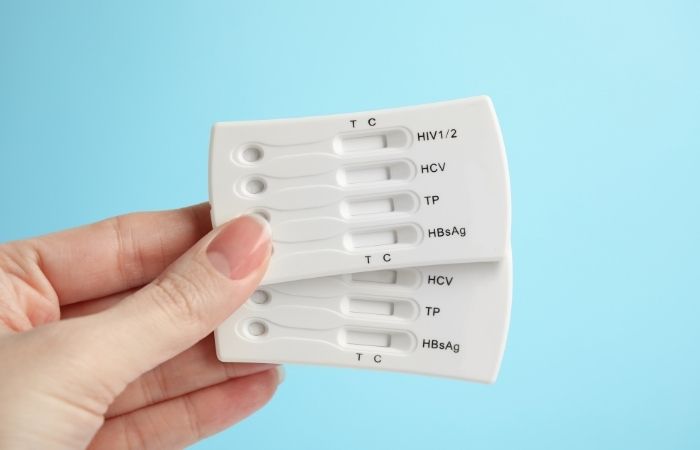
Rapid Test or Lab Test? Here’s What to Choose
If you’ve recently had a high-risk encounter and now have symptoms like night sweats, you have a few testing options. Each one has tradeoffs in terms of speed, sensitivity, and peace of mind. Here’s how they compare in plain terms:
| Test Type | Speed | Privacy | Accuracy | Good If... |
|---|---|---|---|---|
| At-Home Rapid | 10–20 minutes | Very High | Moderate to High | You need instant peace of mind and privacy |
| Mail-In Lab Test | 2–5 days | High | High | You want lab-level accuracy without visiting a clinic |
| Clinic Test | Same-day to 1 week | Low to Moderate | Very High | You have worsening symptoms or need urgent care |
Figure 3. Comparing STD testing options for readers experiencing night sweats or flu-like symptoms.
If you’re unsure which test to get, choose the one that checks for multiple infections, especially HIV and syphilis. Night sweats typically don’t show up with localized infections like genital herpes or trichomoniasis, but they do with systemic ones.
This combo test covers six major STDs and arrives in discreet packaging. You don’t need a prescription, and you can take it in your bedroom without judgment or risk of running into someone at the clinic.
Should You Retest? Timing Matters More Than You Think
If your first test was negative but symptoms persist, or if you tested too early, retesting can make all the difference. Here’s why:
Most rapid and lab tests work best after the infection has had time to show up in your blood or urine. Testing too soon after exposure (within 3–5 days) might lead to a false negative, not because the test is broken, but because your body hasn’t had time to produce detectable markers.
Here’s a guide for retesting if you’ve had night sweats but received a negative result:
- HIV: Retest at 30 days, and again at 90 days if you’re high-risk
- Syphilis: Retest at 6 weeks post-exposure if early result was negative
- Chlamydia & Gonorrhea: Retest at 14 days if symptoms continue
Night sweats that persist after a negative result warrant a follow-up. And if you’ve already tested positive and completed treatment, retesting after 3 months ensures the infection is gone, and that you haven’t been re-exposed.
Whether you're halfway through a panic spiral or just trying to stay informed, remember: your peace of mind is worth more than guessing. Explore your testing options now and take back control of your nights, and your health.
FAQs
- 1. Can STDs actually cause night sweats?
- Yes, especially in the early stages of certain infections like HIV and syphilis. Your body reacts to these new invaders with what looks a lot like the flu: chills, fever, sore throat, and for some folks, night sweats that leave your sheets soaked. If you had a recent hookup and now you’re waking up drenched, it’s worth paying attention.
- 2. How soon after sex would STD symptoms like night sweats even show up?
- For HIV, night sweats can hit around 2 to 4 weeks post-exposure, right when your immune system starts producing antibodies. With syphilis, it might take longer, showing up during the secondary stage weeks or months later. If your symptoms showed up days after a risky encounter, don’t dismiss it as just “in your head.”
- 3. I’m sweating a lot at night, but I don’t have any genital symptoms. Should I still test?
- Absolutely. Not all STDs scream from your underwear. Infections like HIV or syphilis often start with full-body signs, fatigue, fever, sore throat, before any genital symptoms appear (if they ever do). Think of your whole body as part of the story, not just your genitals.
- 4. Could it just be anxiety?
- It could. Anxiety can absolutely cause night sweats, especially if you’re spiraling post-hookup or can’t sleep. But here’s the trick: anxiety doesn’t usually come with a sore throat, swollen glands, or persistent fatigue. If your symptoms feel physical, not just mental, it’s safer to get tested than to sit in the “what if.”
- 5. Do people really get HIV symptoms that soon?
- Yep. Some do. It’s called acute HIV infection or seroconversion, and it happens to about 50–80% of people who get newly infected. One Reddit user said it best: “I thought I had COVID. Turned out it was HIV.” The symptoms can be that vague. That real. And that easy to miss.
- 6. What if I already tested, but my results were negative?
- Timing matters. If you tested within a few days of exposure, the test might’ve been too early to catch the infection. Retest at the recommended window, 14 days for most rapid tests, 30 days for HIV if you're worried. Night sweats don’t lie, but sometimes tests need time to catch up.
- 7. Could chlamydia or gonorrhea do this too?
- It’s rare, but possible, especially if the infection spreads to your reproductive organs (like PID in people with uteruses) or the bloodstream. You’d probably have other symptoms too, like pelvic pain, discharge, or fever. If you're feeling wiped out and sweaty, don’t rule it out, just test for the whole panel to be safe.
- 8. How do I know if it’s time to get tested?
- If you’re asking this question… it's probably time. Anyone who’s had unprotected sex, a new partner, or symptoms they can't explain should test. Full stop. Night sweats are your body whispering, or yelling, that something might be up. Trust that voice.
- 9. Are at-home tests reliable for this kind of thing?
- Yes, and they’ve come a long way. Rapid kits like the Combo STD Test check for major infections and give results fast. Just make sure you test at the right time (not too early), follow the instructions closely, and retest if you’re still worried.
- 10. Do people really wake up sweaty from HIV and not know it for weeks?
- All the time. That’s why it spreads. The early stage of HIV can look like a bad cold or flu. One moment you think it’s travel fatigue, and the next you’re reading articles like this. The good news? If you catch it early, treatment can start early. And your outcome improves dramatically. So don’t guess. Test.
When You’re Burning Up, Don’t Stay in the Dark
Waking up sweaty and anxious is awful. But not knowing why is worse. If you’ve had a recent hookup, feel off, and your body’s sending mixed signals, listen to it. You deserve clarity, not shame. You deserve answers, not assumptions.
Most STDs are treatable. Many are symptomless. But some sneak up in ways we don’t expect, like while we sleep. Testing is care. It’s power. It’s how you move forward.
Don’t wait and wonder, get the clarity you deserve. This at-home combo test kit checks for the most common STDs discreetly and quickly.
How We Sourced This Article: We combined current guidance from leading medical organizations with peer-reviewed research and lived-experience reporting to make this guide practical, compassionate, and accurate. In total, around fifteen references informed the writing; below, we’ve highlighted some of the most relevant and reader-friendly sources.