Can an mRNA Vaccine End Chlamydia? Here’s What the Science Says
Quick Answer: The new mRNA-based chlamydia vaccine trains your immune system to prevent infection before it starts. Over 1.6 million reported cases per year in the U.S. Testing helps. Treatment works. Why?
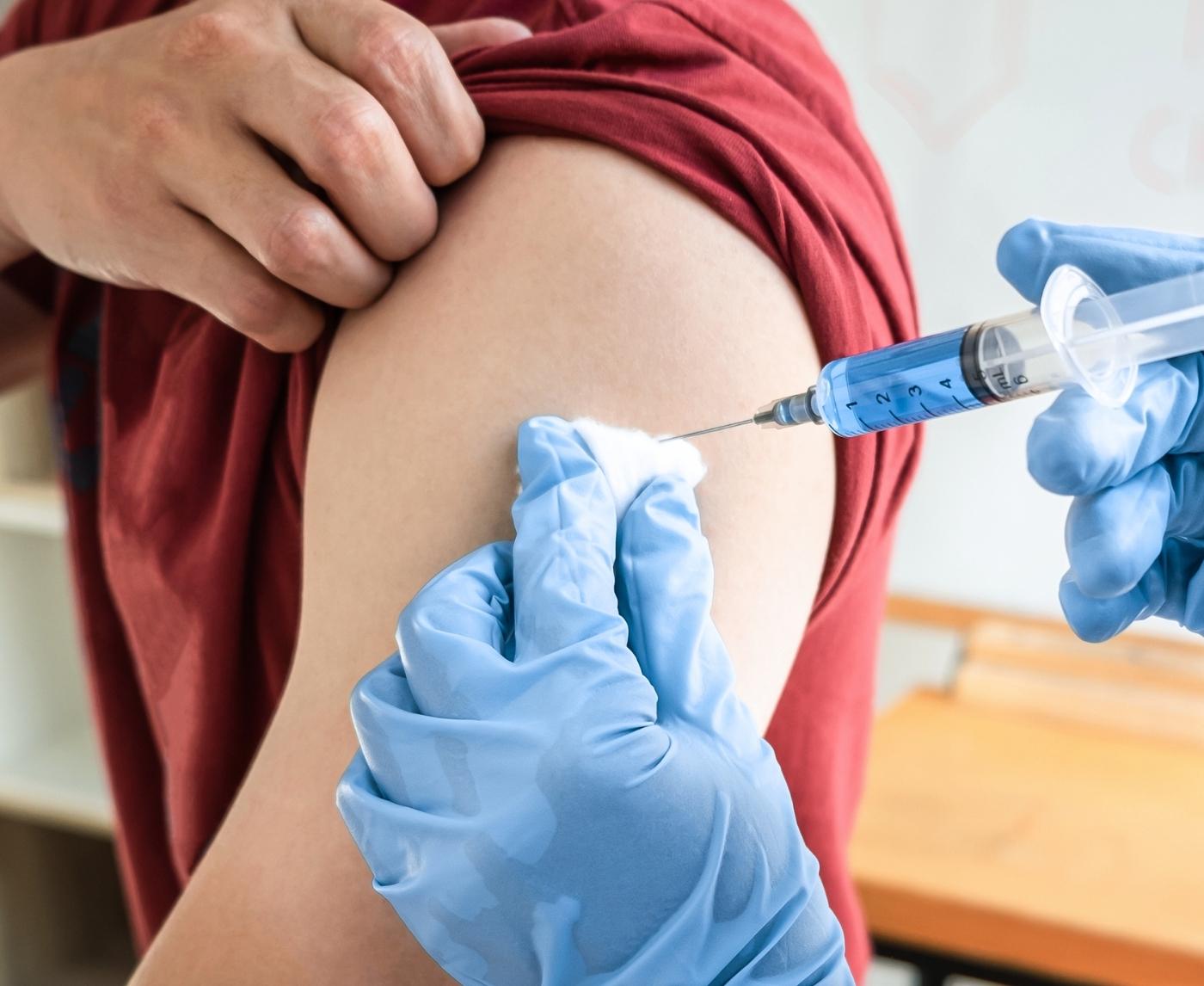
Quick Answer: The new mRNA-based chlamydia vaccine trains your immune system to prevent infection before it starts. Early trials show strong immune response, offering hope that chlamydia, currently the most reported STD, could soon be preventable by shot.
Why Chlamydia Needs a Vaccine (And Why Now)
Let’s be blunt: chlamydia isn’t just common, it’s relentless. Over 1.6 million reported cases per year in the U.S. alone, according to the CDC, and that’s just the tip of the iceberg. Most cases go undetected because this little bug is stealthy. No symptoms, no warning signs, just long-term damage if left untreated. We’re talking pelvic inflammatory disease, infertility, and increased HIV risk. And here’s the kicker: you can catch it more than once. In fact, reinfection rates are sky high, especially in young adults and people with cervixes.
Testing helps. Treatment works. But chlamydia keeps coming back. Why? Because testing and treating only catch infections after they’ve happened. There’s no long-term immunity. Your body doesn’t remember it. Enter the vaccine.

From COVID to Chlamydia: The mRNA Revolution Moves Below the Belt
When COVID-19 hit, the world was introduced to mRNA vaccines seemingly overnight. But the tech wasn’t new, it had been in development for decades. What mRNA does is simple in theory but revolutionary in action: it delivers genetic instructions to your cells so they can make a harmless piece of the pathogen, in this case, a protein from Chlamydia trachomatis. Your immune system then sees that protein, freaks out (in a good way), and builds defenses against it.
That means if you’re exposed later, your body is already geared up. It doesn’t have to start from scratch. No delay. No infection. No damage. It’s preemptive defense. And when it comes to an STD that infects people silently and spreads like wildfire? That kind of immune head start could be a game-changer.
According to researchers at Nature Partner Journals Vaccines, early animal studies using an mRNA-based chlamydia vaccine showed robust mucosal immunity, the kind that actually protects your genital tract, not just your blood. That’s critical. Genital infections require a localized immune response, and this platform might finally deliver it.
How the mRNA Chlamydia Vaccine Actually Works
The vaccine currently in development encodes for a highly conserved protein from the chlamydia bacteria. This isn’t some vague immune system boost, it’s targeted. The mRNA enters your cells (but not your DNA, let’s kill that myth now), gets translated into that protein, and your immune system flags it as a threat. You get trained T-cells and antibodies without ever being infected.
What makes this vaccine different from previous attempts is its delivery system. Using lipid nanoparticles, the same tech used in the Pfizer and Moderna COVID-19 shots, it transports the mRNA safely to the right cells. That’s huge, because older protein-based vaccines often failed to create a strong enough response in mucosal areas. mRNA may finally bridge that gap.
In other words: this isn’t just “new tech.” It’s a precision tool designed to prevent one of the most frustrating, recurring infections out there, before it can even start.
“I Got Chlamydia Twice in Six Months. A Vaccine Would’ve Changed Everything.”
Danny, 26, was in what he thought was a monogamous relationship. When he got diagnosed with chlamydia the first time, he felt betrayed, and ashamed. He got treated, cleared it, and moved on. Six months later, new partner, same result.
“I didn’t even have symptoms. It was routine testing. Both times I had to have that conversation. Both times I felt like I was the dirty one. A vaccine would’ve saved me from that spiral.”
Stories like Danny’s are common. Reinfection isn’t about being reckless. It’s about how easily chlamydia spreads, and how poorly we’re equipped to stop it. An mRNA shot could be the difference between constantly reacting and finally preventing.
What the Trials Say So Far (and What We Still Don’t Know)
The vaccine isn’t on pharmacy shelves, yet. But early-stage human trials are underway, following successful results in mice and non-human primates. One promising candidate, developed by a team at Imperial College London, showed that an mRNA construct targeting the major outer membrane protein (MOMP) of Chlamydia trachomatis triggered a durable T-cell response in mucosal tissue, which is crucial for preventing genital infections.
That’s no small feat. Mucosal immunity is notoriously hard to stimulate. Most vaccines train your immune system to defend your blood, not your bits. But chlamydia enters through mucous membranes, meaning if your genital tract isn’t on guard, your immune system won’t know what hit it. The current mRNA candidate appears to generate the right kind of front-line defense, especially with a mucosal adjuvant added to the formula.
Still, let’s be real: we don’t have phase III data yet. It could be years before approval. We also don’t know how long immunity will last, how well it works across different populations, or how it performs against multiple strains. This isn’t a magic bullet, yet. But it’s the closest we’ve ever been.
Will People Still Need to Test for Chlamydia?
Short answer: yes, at least for now. Even if the vaccine reaches approval, it won’t be retroactive. That means anyone not yet vaccinated, or exposed before their body builds full immunity, can still catch it. Plus, breakthrough infections may still happen (just like with COVID vaccines). The goal isn’t perfection; it’s prevention. If the vaccine cuts transmission even by 50%, that could slash case numbers dramatically. But testing stays essential for at least the next decade of sexual health care.
Think of the vaccine like a new layer of protection, just like condoms or PrEP. It doesn’t replace testing. It works with it. So whether you’re vaccinated or not, knowing your status matters. And if you’re not sure whether it’s time to test again, start here: STD Test Kits offers discreet, at-home options that put you back in control.
If your test comes back positive, don’t panic. Most cases of chlamydia are easily treated with antibiotics. But it’s also a sign you might benefit from future vaccine access once it's available.
Comparing Prevention Tools: Condoms, Testing, and Vaccines
Here’s where we are today: we’ve got condoms, regular testing, and quick treatment. That’s our best defense. But all of those are reactive. Even condoms can fail, slip, break, or simply not be used during oral sex. Testing helps identify infection, but only after it happens. A vaccine shifts that paradigm entirely. It’s proactive, not reactive.
| Prevention Method | Protection Level | Limitations | Best Use Case |
|---|---|---|---|
| Condoms | 70–90% | Can break or be skipped | All partner types, especially new/casual |
| Regular Testing | Not preventive, but reduces spread | Only catches after infection | Sexually active individuals, especially under 30 |
| mRNA Vaccine | Unknown (estimates 50–80% pending trials) | Still in development, not available yet | Preventing first or repeat infections, public health impact |
Table 1. Comparing current and emerging chlamydia prevention methods.
Why Reinfection Keeps Happening, and How a Vaccine Helps
Let’s say you’ve tested, treated, and done “everything right.” But six months later, you’re back at square one. Sound familiar? Chlamydia reinfection happens in about 15–20% of cases, often within the first year. That’s because your body doesn’t develop natural immunity. Once you’ve had it, you’re just as vulnerable the next time around.
Vaccination changes that equation. By training your immune system ahead of time, you build memory cells that respond quickly to future exposures. No infection. No damage. No partner notification hell. Just peace of mind and a serious drop in community transmission rates.
And yes, this is good for your sex life. Fewer infections = fewer difficult conversations, fewer antibiotics, and fewer breaks in intimacy due to fear. If that’s not worth celebrating, what is?
Do We Need STD Vaccines at All? Spoiler: Yes, Desperately
It’s wild to think that in 2025, you can get vaccinated for HPV and hepatitis B, but not for chlamydia, gonorrhea, syphilis, or herpes. STDs affect millions, cost billions in healthcare, and yet vaccine research has lagged behind.
Why? Money, stigma, and scientific complexity. STD research doesn’t always get the same funding as other diseases. And society still treats STDs as shameful rather than inevitable. That lack of urgency delayed development for decades. But COVID changed the game. It proved that mRNA works. It showed that rapid vaccine deployment is possible. And now, sexual health researchers are finally catching up.
Vaccines aren’t about removing responsibility, they’re about giving people tools. If you wouldn’t shame someone for getting a tetanus shot, why shame them for preventing chlamydia?
When Could the Chlamydia Vaccine Actually Be Available?
Best-case scenario? Late-stage clinical trials by 2026, approval within 3–5 years after that. But that’s optimistic. Most vaccine pipelines move at a crawl, unless public health urgency lights a fire under funding agencies. With chlamydia case numbers rising and antibiotic resistance looming, pressure is growing. Still, don’t expect a pharmacy shelf debut next year.
Realistically, the first version would likely roll out to high-risk populations, young adults, people with cervixes under 30, and those in communities with high reinfection rates. Eventually, it could be offered universally as part of routine sexual health care, similar to how the HPV vaccine is now recommended for adolescents and young adults of all genders.
That means the time to get familiar with this vaccine isn’t five years from now, it’s now. Knowing how it works and where it fits in your prevention plan lets you make smarter choices, whether you're vaccinated or not.
Let’s Talk About the Sex-Shame Problem
Here’s the unspoken reason many people don’t test, don’t talk, and don’t treat STDs: shame. If getting chlamydia feels like a moral failure instead of a common health issue, people avoid care. But vaccines offer something different. They reframe STD prevention as self-care, not confession. You don’t need to admit risk. You don’t need to explain partners. You just show up and get protected.
That’s powerful. Vaccines normalize protection in a way that condoms and even testing sometimes don’t. They don’t require disclosure, planning, or negotiating in the moment. And when that kind of tool gets built into public health systems, it breaks stigma wide open.
In short? Getting a chlamydia vaccine one day won’t mean you’re promiscuous. It’ll mean you’re smart.
A Future Without Chlamydia? It’s Not Fantasy Anymore
Imagine a world where 1.6 million new chlamydia cases in the U.S. each year drop to under 100,000. Where reinfections don’t wreck relationships or spiral into infertility. Where routine sex doesn’t come with a silent bacterial hitchhiker. That’s not science fiction, it’s a legitimate possibility if this vaccine lives up to the early promise.
But that world doesn’t build itself. It requires funding, public support, and sex-positive education. It means making sure people have access to tests while we wait, and access to vaccines once they exist. And that’s where you come in.
Whether you’ve had chlamydia once, twice, or never at all, you deserve tools, not judgment. Start by protecting yourself today. Order a discreet chlamydia rapid test kit and stay one step ahead while science catches up.
FAQs
- 1. Is it still possible to get chlamydia after getting the shot?
- Yes, unfortunately, it is possible. It's not an invisible forcefield, just like the COVID vaccine. It teaches your immune system how to fight back quickly, but there is still a chance of getting sick again, especially if you are exposed to the virus before your full immunity kicks in. That's why testing will still be important for a while, even after the vaccine.
- 2. Is there a chlamydia vaccine available right now?
- Not yet. Scientists are still monitoring immune reactions, side effects, and duration of protection as it is still undergoing clinical testing. Try to visualize it; it’s baking in the oven and has to be cooked before it can be served. But trust me; it’s on the way. Not next year, but it’s no longer science fiction.
- 3. Does it protect against all kinds of chlamydia?
- Mostly, it’s designed to block the strains of Chlamydia trachomatis that cause genital infections. But this little bug can also infect the eyes, throat, and rectum, so coverage might vary depending on where and how you're exposed. Researchers are working on it, though. This isn’t a half-baked effort.
- 4. How is this different from the HPV vaccine?
- Great question. The HPV shot prevents certain viruses that can lead to cancer or warts. The chlamydia vaccine is bacterial, and it’s built using mRNA, so it’s more like the COVID vaccine than the traditional shots we grew up with. Same goal, though: prevent drama before it starts.
- 5. If I get vaccinated, can I stop using condoms?
- Ha, nice try. No. The vaccine doesn’t cover other STDs like gonorrhea, syphilis, or HIV. Condoms are still your all-purpose forcefield. Think of the vaccine as a sniper rifle, specific, powerful, but not covering the whole battlefield.
- 6. Who’s going to get it first?
- Probably people under 30, especially those with a cervix, since they face the highest risk of long-term damage like infertility. If it follows the HPV model, it’ll start with youth vaccination, then expand to more age groups as data grows. Eventually, it could become a routine part of sexual health care. Honestly, it should be.
- 7. Will I need boosters?
- Possibly. We don’t know yet how long immunity lasts. Could be a couple years. Could be a one-and-done. Early data is promising, but until long-term studies wrap, expect that a booster might be part of the plan, especially if you’re high-risk or immunocompromised.
- 8. Can I still get tested if I’ve had the vaccine?
- Of course, and you should. Not only people who haven't been vaccinated need to be tested. It helps keep track of how well vaccines work, find other STDs, and find rare breakthrough cases. You should do it regularly, like checking your oil even if your car is running well.
- 9. I’ve had chlamydia before. Will the vaccine still help me?
- Yes, and maybe more than you think. Your body doesn’t build natural immunity to chlamydia, which is why reinfections are so common. A vaccine gives your immune system actual tools, not just battle scars. So if you’ve been through it before, this could stop it from happening again.
- 10. Can I really test for chlamydia from home?
- You bet. And it’s not sketchy. You collect a urine or swab sample, mail it in or read a result in minutes, and boom, answers. No waiting rooms, no awkward small talk with a nurse about your weekend. Try a chlamydia home test kit if you’re overdue or just want peace of mind on your terms.
You Deserve Answers, Not Assumptions
You're not alone if you've ever left a clinic with more questions than answers or skipped a test because you were embarrassed or it was too hard to get to. The promise of an mRNA vaccine goes beyond just stopping chlamydia. It's time to treat sexual health like real health, with respect, investment, and new ideas.
But until that shot’s in your arm, the most powerful thing you can do is stay proactive. This at-home combo test kit checks for the most common STDs discreetly and quickly. It’s peace of mind in your pocket, and a smart move while the science catches up.
How We Sourced This Article: We combined current guidance from leading medical organizations with peer-reviewed research and lived-experience reporting to make this guide practical, compassionate, and accurate. In total, around fifteen references informed the writing; below, we’ve highlighted some of the most relevant and reader-friendly sources.
- WHO – STI Global Overview
- Chlamydial Infections — Treatment Guidelines | CDC
- Advances in Chlamydia trachomatis Vaccination: Unveiling the Potential of Major Outer Membrane Protein Derivative Constructs | MDPI
- mRNA Vaccine Candidate for Chlamydia Receives FDA Fast Track Designation | EATG
- Chlamydia Vaccine Candidate Gets Fast Track Status | VaccineAdvisor