Can an STD Ruin Your IVF Cycle? What Actually Matters
Quick Answer: Some untreated STDs, especially chlamydia, gonorrhea, and advanced syphilis, can affect fertility or pregnancy outcomes. Most past or properly treated infections do not ruin IVF success.
Quick Answer: Some untreated STDs, especially chlamydia, gonorrhea, and advanced syphilis, can affect fertility or pregnancy outcomes. Most past or properly treated infections do not ruin IVF success. Clinics screen to prevent complications, not to disqualify you.
This Is About Safety, Not Shame
Fertility clinics screen for STDs because pregnancy alters immune function and because certain infections can affect implantation or a developing fetus. They are not investigating your past. They are protecting your embryo and your body. Screening is a medical safeguard, not a moral audit.
A couple once sat side by side in a beige consultation room, hands intertwined. She whispered, “I had chlamydia when I was nineteen. I never told anyone except him.” He squeezed her hand as if bracing for bad news. They both assumed this single line in her medical history explained why they were now pursuing IVF. But fertility doesn’t work like that.
Many people with prior STDs conceive naturally years later. Many undergo IVF without any infection-related complications. The question clinics care about is simple: Is there active infection right now? And if there was past infection, did it cause lasting damage?
How STDs Can Affect Fertility Before IVF Even Begins
The most significant risks linked to STDs often happen long before embryos are created in a laboratory. Untreated Chlamydia and Gonorrhea can lead to pelvic inflammatory disease, sometimes with no dramatic symptoms. That inflammation can scar fallopian tubes, distort pelvic anatomy, or affect sperm transport pathways.
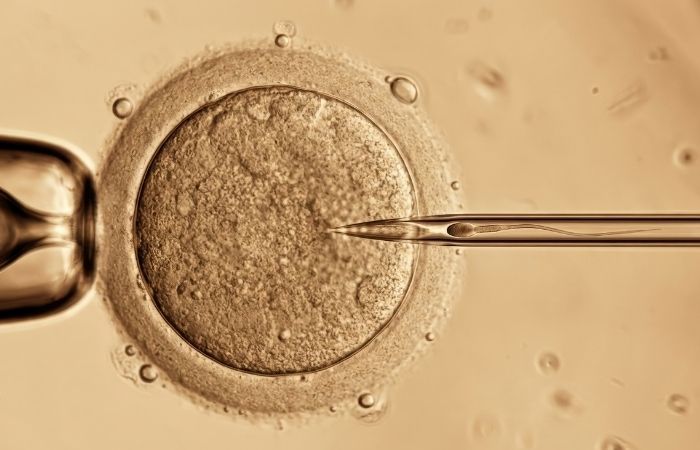
Here’s something important: IVF was originally designed to bypass blocked fallopian tubes. If scarring occurred, IVF can often work around it. What matters most during an IVF cycle is whether infection is currently active or whether chronic inflammation remains inside the uterus.
The difference between “damage from years ago” and “infection happening right now” is everything.
| Infection | Primary Fertility Risk | Can IVF Bypass It? | Impact If Treated Before Cycle |
|---|---|---|---|
| Chlamydia | Tubal scarring, pelvic inflammation | Yes, IVF bypasses tubes | Minimal if no active infection |
| Gonorrhea | Pelvic inflammatory disease | Often yes | Low after treatment |
| Syphilis | Systemic infection, pregnancy risk | No bypass for systemic spread | Very low after adequate treatment |
| Trichomoniasis | Uterine inflammation | Not relevant if cleared | Minimal after treatment |
If infection has been treated and inflammation has resolved, IVF outcomes are usually determined by age, egg quality, sperm quality, and uterine health, not by a distant STD diagnosis. History alone does not sabotage embryo transfer. Active disease is what changes plans.
Active Infection During IVF: What Actually Poses Risk
This is where fertility clinics become cautious. An untreated infection during ovarian stimulation, egg retrieval, or embryo transfer can increase inflammation within the reproductive tract. And implantation is delicate. It depends on hormonal timing, immune signaling, and a receptive uterine lining. Inflammation can interfere with that process.
Imagine everything aligning perfectly. The embryo is graded well. The lining measures beautifully on ultrasound. Hormone levels are synchronized. If a bacterial infection is active at that moment, the uterine environment may not be as welcoming as it appears on screen.
The infections that raise the most concern when active include Chlamydia, Gonorrhea, and untreated Syphilis. Blood-borne viruses like HIV and Hepatitis B are also screened, not because IVF cannot proceed, but because special lab precautions and medical coordination are required.
| STD | Implantation Risk if Active | Embryo Lab Risk | Cycle Delay Likely? |
|---|---|---|---|
| Chlamydia | Moderate | Low | Yes, until treated |
| Gonorrhea | Moderate | Low | Yes |
| Herpes (HSV) | Low unless severe outbreak | None | Rarely |
| HPV | Minimal direct effect | None | Usually no |
| HIV | Managed medically | Requires lab protocol | Sometimes coordinated |
Notice something important: Herpes and HPV are commonly feared, but they rarely cancel IVF cycles. Clinics may adjust timing during a severe herpes outbreak, especially if lesions are present, but HSV does not damage embryos sitting safely in laboratory incubators.
The Herpes Panic That Almost Cancelled a Transfer
A patient once called her nurse at 6:30 a.m., voice shaking. She felt the familiar tingling sensation of a possible herpes outbreak two days before transfer. “Is this it?” she whispered. “Did I ruin everything?” The fear was palpable, like a glass about to shatter.
Most genital herpes outbreaks are localized skin events. They do not infect embryos growing in a controlled lab environment. They do not travel through the uterus attacking implantation. In rare cases of severe symptoms, doctors may delay transfer for comfort and safety, but HSV alone does not tank IVF success rates.
The word “virus” sounds catastrophic. But biology is specific. And specificity is what separates fear from fact.
What About HPV and Implantation?
HPV is extraordinarily common. Most sexually active adults will contract it at some point in their lives, often without ever knowing. It typically lives in epithelial tissue and, in many cases, clears on its own without causing long-term issues.
Some small studies have explored whether high-risk HPV strains might correlate with implantation challenges. The data, however, remain inconsistent and far from definitive. For the vast majority of IVF patients, HPV does not interfere with ovarian stimulation, embryo development, or lab culture conditions.
A past abnormal Pap smear can feel like a red flag waving in the background of your fertility story. But in clinical reality, HPV positivity alone rarely leads to a cancelled cycle. Clinics focus on what is happening in the uterus right now, not what a cervical screening showed years ago.
Male Factor: The Overlooked Side of STD Anxiety
When couples worry about STDs and IVF, attention often lands squarely on the uterus. But fertility is a two-person equation. Untreated Chlamydia or Gonorrhea in men can reduce sperm motility or lead to epididymal inflammation if infection becomes chronic.
That said, most men who receive timely treatment recover normal sperm parameters. Even when motility is lower than ideal, IVF with ICSI can bypass certain mechanical sperm limitations. A past infection does not automatically translate into permanent infertility.
One partner once admitted quietly during screening, “I never got tested after that college thing.” That moment of honesty prevented a cycle delay later. Testing early creates control. Avoiding it creates uncertainty that surfaces at the worst possible time.
What Actually Determines IVF Success More Than STDs
It helps to zoom out. Age remains the strongest predictor of IVF outcomes. Egg quality declines over time, and embryo chromosomal status carries enormous weight in implantation success. Sperm DNA integrity matters. Uterine receptivity depends on hormone timing and structural health.
An untreated, active infection can disrupt implantation. A distant, treated STD almost never becomes the deciding factor. That distinction is what keeps this conversation grounded in evidence instead of fear.
When someone asks, “Can an STD ruin my IVF cycle?” what they’re really asking is whether their past will sabotage their future. In most cases, the answer is no.
When Clinics Pause a Cycle (And When They Don’t)
Online forums sometimes amplify worst-case scenarios. In reality, fertility clinics rarely cancel cycles because of a past STD. They pause cycles because of untreated, active infection. That difference matters more than most people realize.
There’s a major distinction between antibodies in your bloodstream from something years ago and bacteria currently inflaming the uterine lining. A positive screening result often leads to additional clarification testing before any decisions are made.
A patient once sat in her car scrolling through lab results that showed positive antibodies for past Syphilis. Her stomach dropped instantly. But confirmatory testing showed the infection had been fully treated years earlier. Her transfer moved forward without complication.

The Difference Between “Past Infection” and “Active Infection”
This is where confusion spirals. Many STD screenings detect antibodies. Antibodies simply indicate that your immune system encountered something at some point. They do not necessarily mean bacteria or virus are actively replicating in your body.
For example, someone previously treated for Syphilis may test positive on certain screening assays for years. That does not mean the organism remains active. Confirmatory testing helps distinguish past exposure from current disease.
Similarly, lifelong Herpes antibodies reflect prior exposure, not a circulating infection attacking embryos. HSV resides in nerve tissue and causes periodic skin outbreaks. It does not circulate in a way that contaminates embryos in laboratory culture.
The nuance matters. And nuance is often the first thing fear erases.
Systemic Infections: HIV and Hepatitis in IVF
HIV, Hepatitis B, and Hepatitis C need special mention because they are all blood-borne viruses. In the past, when couples were infected with these diseases, they had very few options. However, in today's world, with modern antiviral drugs and strict laboratory protocols, many infected individuals safely undergo IVF and conceive healthy children.
There is very little chance of cross-contamination in today's high-tech fertility clinics. The viral load suppression makes it very unlikely for any infection to be passed on. Being infected with HIV does not disqualify someone from being a parent.
It is a medical and logistical conversation rather than a moral one.
Does an STD Cause Implantation Failure?
Implantation failure is one of the most emotionally loaded phrases in reproductive medicine. When an embryo fails to implant, the search for a hidden cause begins almost immediately. For many patients, STDs become the suspected villain, even when there’s no evidence pointing in that direction.
Active, untreated bacterial infections can create inflammation in the endometrium. Implantation is a complex immune and hormonal dialogue between embryo and uterus, and inflammation can interrupt that conversation. That is exactly why fertility clinics screen before embryo transfer.
But once infection is treated, inflammation resolves, and the uterine lining appears receptive, a past STD is rarely the explanation for repeated failed cycles. More commonly, embryo chromosomal abnormalities, maternal age, or egg quality are driving the outcome.
IVF Success Is a Systems Equation
Fertility is not a single switch you flip on or off. It’s a system composed of hormones, ovarian reserve, sperm integrity, uterine structure, immune response, and embryo genetics. An STD is one variable within that system, and often not the dominant one.
When anxiety zooms in on a single diagnosis from years ago, perspective can disappear. The truth is that certain factors statistically influence IVF success far more strongly than a treated infection in your past. Seeing those factors side by side helps recalibrate fear.
| Factor | Relative Impact on IVF Success | Modifiable? |
|---|---|---|
| Maternal Age | High | No |
| Embryo Chromosomal Status | High | Partially (PGT testing) |
| Sperm DNA Fragmentation | Moderate to High | Sometimes |
| Uterine Structural Issues | Moderate | Often (surgical correction) |
| Active Untreated STD | Moderate | Yes (treatment) |
| Past Treated STD | Low | Not applicable |
The final row matters. A past, treated STD carries far less weight than age or embryo genetics. When fear magnifies one variable, it can distort the whole equation.
Should You Test Again Before IVF?
If you have not been screened recently, testing before IVF is a smart move. It replaces uncertainty with data and prevents last-minute delays after medications have already begun. IVF timelines are tight. Avoidable surprises feel catastrophic when injections are underway and transfer dates are set.
A couple once discovered an untreated Chlamydia infection two days before starting stimulation. The cycle was postponed, and the delay felt devastating. But treatment took a short course of antibiotics, inflammation resolved, and the next cycle proceeded smoothly. Addressing the infection first protected their investment and improved the uterine environment for transfer.
If you prefer to screen before your clinic visit, discreet options exist. A confidential multi-infection screening can help rule out common concerns ahead of time. The 6‑in‑1 At‑Home STD Test Kit allows you to check for common infections privately and quickly, so you walk into your IVF cycle informed instead of anxious.
Peace of mind is not dramatic. It’s preventative.
The Emotional Weight of “What If”
IVF patients carry invisible histories. A diagnosis from years ago. A partner’s past infection. A moment in college that resurfaces when fertility feels fragile. When you’re injecting hormones and calculating embryo grades, those memories can feel louder than science.
But biology does not punish you for having a sexual history. It responds to present physiology. If infection is active, it should be treated. If it has been resolved, it belongs to your past, not to your embryo transfer.
One patient once said softly, “I thought my body was damaged.” After testing, reassurance, and treatment clearance, her transfer succeeded. The narrative shifted from broken to prepared. That shift often matters as much emotionally as any lab result.
What Actually Matters Before Embryo Transfer
Before transfer, clinics focus on three infection-related factors: absence of active untreated bacterial infection, controlled systemic viral infections when applicable, and no severe symptomatic outbreaks that could complicate pregnancy. That’s the lens.
They do not cancel cycles for remote HPV exposure. They do not disqualify patients for managed herpes. They do not reject individuals because of treated infections from a decade ago. The screening process is designed to catch current risk, not rewrite your past.
When you ask whether an STD can ruin your IVF cycle, the most accurate answer is this: an untreated, active infection can delay or complicate it. A treated infection from your history almost never will.
FAQs
- 1. I had chlamydia years ago. Did I permanently mess up my chances with IVF?
- Take a breath. One treated Chlamydia infection in your early twenties does not automatically equal lifelong fertility damage. The real risk comes from infections that went untreated long enough to cause pelvic inflammatory disease and scarring. Even if your tubes were affected, IVF was literally invented to bypass blocked tubes. Your past is data. It is not a life sentence.
- 2. I feel a herpes tingle before transfer. Is this the universe sabotaging me?
- No cosmic punishment is happening. A mild Herpes (HSV) outbreak is usually a localized skin event. It does not infect embryos sitting safely in a lab incubator, and it does not roam through your uterus attacking implantation. In rare cases of a severe outbreak, your doctor may delay transfer for comfort and safety. But HSV does not secretly “ruin” embryos.
- 3. My Pap was abnormal once because of HPV. Should I panic about implantation failure?
- Panic is not required here. HPV is extremely common, and most sexually active adults encounter it at some point. While researchers have explored possible connections between certain strains and implantation, the evidence is inconsistent. Clinics do not cancel IVF cycles just because of HPV. A past abnormal Pap is a cervical screening result, not a verdict on your uterus.
- 4. Could an untreated STD cause implantation failure?
- Yes , if it’s active and causing inflammation. Think of implantation like a very delicate handshake between embryo and uterine lining. Active bacterial infections such as untreated Chlamydia or Gonorrhea can temporarily disrupt that environment. That’s why clinics screen and treat before transfer. Once cleared, your odds go back to being driven mostly by age and embryo genetics.
- 5. Do fertility clinics test both partners, or just the one carrying the pregnancy?
- Both. Because fertility is a team sport. Male partners are screened not to assign blame, but to protect sperm health and lab safety. It’s about eliminating preventable variables before thousands of dollars and months of hormones are involved. No one is on trial. Everyone is just trying to build the safest possible starting line.
- 6. Can gonorrhea or chlamydia permanently damage sperm?
- Only if they linger untreated long enough to cause chronic inflammation or scarring. Most men who receive timely treatment see sperm parameters recover. And even if motility isn’t textbook-perfect, IVF with ICSI can often work around it. One infection does not automatically rewrite your reproductive future.
- 7. If I test positive right before IVF, will everything fall apart?
- Usually, the clinic pauses , not cancels. That distinction matters. A short course of antibiotics might delay stimulation or transfer by a few weeks. It can feel devastating in the moment, especially when you’ve mapped your entire life around this cycle. But treating first protects your body and your investment. A temporary delay is strategy, not failure.
- 8. Can people living with HIV or hepatitis still do IVF?
- In many cases, yes. With modern antiviral therapy and strict lab protocols, individuals living with HIV, Hepatitis B, or Hepatitis C can safely pursue IVF. Care becomes coordinated and intentional, involving infectious disease and fertility specialists. But parenthood is absolutely still possible. Medicine has evolved dramatically here.
- 9. I’m embarrassed to tell my fertility doctor about a past STD. Do I have to confess everything?
- You are not in a confessional booth. Clinics primarily care about your current infection status, and screening tests will identify active infections regardless. If something in your past affects present treatment, it’s helpful to share. But you do not owe anyone a dramatic retelling of your dating history. You deserve clinical care without shame attached.
- 10. I’m starting IVF soon and I’m not totally sure about my status. What’s the smartest move?
- Testing before medications begin prevents last-minute spirals and cancelled transfer days. You can screen discreetly through STD Test Kits or use the 7-in-1 Complete At-Home STD Test Kit to check common infections ahead of your clinic visit. In IVF, calm is currency. And clarity buys calm.
You Deserve Clarity, Not Catastrophe
IVF already demands resilience. The injections, the waiting, the mental math about percentages and embryo grades, your plate is full. The last thing you need is fear that a past STD somehow disqualified you from parenthood.
An untreated, active infection deserves attention and treatment before transfer. That is responsible medicine. But a treated STD from years ago, managed Herpes, or a previous HPV result are not verdicts against your fertility. They are chapters in your history, not barriers to your future.
If uncertainty is creeping in, replace it with information. Testing before your IVF cycle is not dramatic, it is strategic. It protects your timeline, your investment, and your peace of mind. IVF is science. And science works best when decisions are guided by facts, not fear.
How We Sourced This Article: This guide integrates current guidance from the Centers for Disease Control and Prevention, World Health Organization recommendations, reproductive medicine society resources, peer-reviewed fertility research, and clinical infectious disease expertise. We focused on distinguishing active infection risk from treated historical exposure, emphasizing evidence over stigma. All conclusions reflect established screening protocols and modern IVF laboratory practices.