Bleeding After Sex: Causes, STDs, and When It’s an Emergency
Quick Answer: Bleeding after sex is usually caused by cervical irritation, infection, hormonal changes, or friction. First: How Much Bleeding Are We Talking About? Not all bleeding after intercourse means the same thing.

Quick Answer: Bleeding after sex is usually caused by cervical irritation, infection, hormonal changes, or friction. It becomes urgent if bleeding is heavy, painful, persistent, happens during pregnancy, or is accompanied by fever, dizziness, or severe pelvic pain.
First: How Much Bleeding Are We Talking About?
Not all bleeding after intercourse means the same thing. A faint pink streak when you wipe is very different from soaking through a pad. The amount matters. So does how often it happens.
Clinically, postcoital bleeding ranges from light spotting to heavier bleeding that mimics a period. According to guidance from organizations like the CDC and NHS, most cases are not emergencies. But persistent or heavy bleeding deserves evaluation.
| Bleeding Pattern | Common Causes | Urgency Level |
|---|---|---|
| Light pink spotting once | Friction, ovulation, mild cervical irritation | Low |
| Spotting without pain but recurring | Cervical infection, ectropion, STDs like chlamydia | Moderate, test recommended |
| Bleeding with discharge or odor | Gonorrhea, trichomoniasis, pelvic infection | Moderate to high |
| Heavy bleeding or clotting | Pregnancy complication, cervical lesion, trauma | High, seek urgent care |
| Bleeding after menopause | Vaginal atrophy, cancer screening needed | High, medical evaluation required |
Figure 1. Bleeding patterns and likely causes. Persistent or worsening symptoms should always be medically evaluated.
Common (Non-STD) Causes Most People Don’t Talk About
Let’s start with the boring, non-scary stuff, because that’s actually where most cases land. The cervix is delicate. The vaginal lining is responsive to hormones. And sex, especially if enthusiastic or prolonged, can cause small tears or surface irritation.
One of the most common causes is simple friction. Rough sex, longer sessions, or not enough lubrication can create tiny breaks in the vaginal tissue. These usually cause light bleeding and mild soreness. It’s uncomfortable, but not dangerous.
Hormones also play a role. Around ovulation, some people experience mid-cycle spotting. Birth control pills, IUDs, or recent hormonal changes can make the cervix more sensitive. A condition called cervical ectropion, where cells from inside the cervical canal sit on the outer surface, can also bleed easily when touched. It sounds dramatic. It’s usually benign.
But here’s where we shift from “probably nothing” to “let’s not ignore it.” If bleeding happens repeatedly, especially without rough sex or dryness, infection moves higher up the list.
When Bleeding After Sex Is an STD
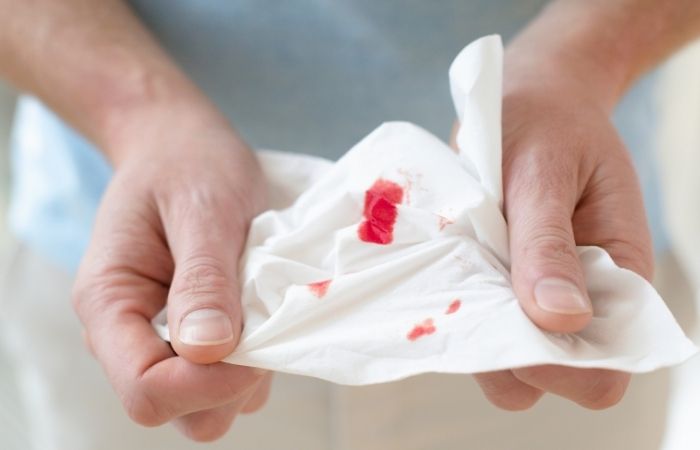
This is the part people whisper into Google at 2 a.m.: “Is bleeding after sex an STD?” The answer is sometimes, and often it’s because of cervical inflammation.
Chlamydia and gonorrhea are two of the most common causes of postcoital bleeding. These infections can inflame the cervix (cervicitis), making it friable, meaning it bleeds easily when touched. You might not have pain. You might not have obvious discharge. That’s what makes it sneaky.
According to the CDC’s chlamydia fact sheet, many infections are asymptomatic. Bleeding after intercourse can be one of the only early signs. The same is true for gonorrhea.
Trichomoniasis can also cause spotting after sex, often alongside frothy discharge or irritation. And in rare cases, herpes outbreaks affecting the cervix may lead to light bleeding.
If bleeding is paired with any of the following, testing isn’t optional, it’s smart:
| Accompanying Symptom | What It Suggests |
|---|---|
| Unusual discharge (yellow, green, or strong odor) | Possible bacterial STD |
| Pelvic pain or pressure | Possible pelvic inflammatory disease |
| Pain during urination | Urethral infection |
| Bleeding between periods | Cervical inflammation |
Figure 2. Bleeding combined with these symptoms increases the likelihood of infection.
If this sounds familiar, you don’t need to wait in anxiety limbo. You can order a discreet test through STD Test Kits and get answers privately. For broad coverage, a Combo STD Home Test Kit checks for the most common infections that cause cervical bleeding.
Testing isn’t an admission of guilt. It’s just information. And information lowers anxiety faster than Google ever will.
Bleeding After Sex During Pregnancy: When It’s Common, and When It’s Not
If you’re pregnant and you notice bleeding after sex, the fear hits differently. Your brain doesn’t just go to “infection.” It goes to “Is my baby okay?” Take a breath. In early pregnancy especially, light spotting after intercourse is common and usually not dangerous.
Pregnancy increases blood flow to the cervix. That tissue becomes softer, more vascular, and easier to irritate. Even gentle penetration can cause light pink or brown spotting afterward. Many OB-GYNs reassure patients that this kind of bleeding, if light and short-lived, is expected.
That said, pregnancy changes the urgency equation. Heavy bleeding, cramping, dizziness, or bleeding that soaks through a pad in an hour is not something to watch and wait on. According to guidance from the American College of Obstetricians and Gynecologists, significant bleeding during pregnancy requires prompt evaluation.
| Pregnancy Bleeding Pattern | Likely Cause | What To Do |
|---|---|---|
| Light spotting after sex, no pain | Cervical sensitivity | Monitor, mention at next prenatal visit |
| Spotting with mild cramps in early pregnancy | Implantation or cervical irritation | Call provider if unsure |
| Heavy bleeding, severe cramps | Possible miscarriage or placental issue | Seek urgent care |
| Bleeding in second/third trimester | Placenta previa or abruption (rare but serious) | Immediate evaluation |
Figure 3. Bleeding during pregnancy requires different urgency thresholds than non-pregnant bleeding.
If you are pregnant and bleeding after sex keeps happening, don’t blame yourself. You didn’t “do something wrong.” But do loop your provider in. Reassurance is part of prenatal care.
Bleeding After Sex After Menopause: Always Get This Checked
Here’s where the tone shifts. If you are postmenopausal and bleeding after intercourse, even once, it needs medical evaluation. Not panic. But evaluation.
After menopause, estrogen levels drop. The vaginal lining thins and becomes fragile, a condition called vaginal atrophy. This alone can cause light bleeding. But postmenopausal bleeding is also a possible early sign of uterine or cervical cancer, according to the National Cancer Institute.
That doesn’t mean it’s cancer. It means it deserves attention. Early detection dramatically improves outcomes. Waiting months because it was “just once” is where risk increases.
If you’re reading this in your 50s or 60s thinking, “It was just a little spotting,” call your provider. It’s not dramatic. It’s responsible.
When Bleeding After Sex Is an Emergency
Most postcoital bleeding isn’t an ER situation. But some versions absolutely are. The body gives escalation clues, and ignoring them because you’re embarrassed helps no one.
Seek urgent care immediately if bleeding after sex is:
Heavy enough to soak a pad within an hour, accompanied by severe lower abdominal pain, associated with fainting or dizziness, paired with fever over 100.4°F, or occurring after known trauma or assault. These are not “wait and see” symptoms.
Pelvic inflammatory disease, a complication of untreated chlamydia or gonorrhea, can escalate from mild spotting to severe pain and fever. According to the CDC’s guidance on PID, early treatment prevents long-term complications like infertility.
If you’re unsure whether something qualifies as urgent, err on the side of care. Emergency rooms exist for uncertainty as much as catastrophe.
How Long Should Bleeding After Sex Last?
This is one of the most common searches: “How long does bleeding after sex last?” The answer depends on cause. Friction-related spotting typically resolves within a few hours. Cervical irritation may cause light spotting for a day.
If bleeding continues beyond 24 hours, worsens, or repeats consistently, it’s time to investigate. Recurrent bleeding, especially bleeding after sex every time, shifts the conversation from “incident” to “pattern.” Patterns deserve testing.
That testing doesn’t have to be public or complicated. If infection is even a possibility, you can use a discreet at-home option from STD Test Kits. A Combo STD Home Test Kit checks multiple common infections that can inflame the cervix and cause spotting.
You don’t need symptoms to justify testing. Bleeding alone is enough reason to gather data.
A Real Story: “It Wasn’t Rough Sex. It Was Chlamydia.”
Eloise, 27, thought it was just dryness. “I kept telling myself it was because we hadn’t used enough lube,” she said. The spotting was light, painless, and only happened occasionally. No odor. No burning. No fever.
“I almost didn’t test because I felt fine. I thought STDs always hurt.”
They don’t. When Eloise finally tested, she was positive for chlamydia. Treatment was straightforward. The spotting stopped within weeks. The hardest part wasn’t the medication, it was the shame she felt before knowing.
“Once I had the result, it wasn’t scary anymore. It was just a plan.”
That’s the pattern we see again and again. Fear thrives in uncertainty. It shrinks with information.
Could It Be Cervical Cancer? Let’s Talk About That Fear Honestly
If you’ve typed “cervical cancer bleeding symptom” into Google, you are not dramatic. You are human. Bleeding after sex is one of the classic warning signs people associate with cervical cancer, and that’s because it can be one.
But here’s the grounded context: cervical cancer is far less common than infections or benign cervical conditions. According to the American Cancer Society, regular Pap smears and HPV screening have dramatically reduced advanced cases in countries with screening access. Most postcoital bleeding is not cancer. Still, persistent bleeding absolutely warrants evaluation.
Red flags that raise concern include bleeding after sex combined with unexplained weight loss, pelvic pain unrelated to intercourse, foul discharge, or bleeding that continues outside sexual activity. If you have not had a Pap test within recommended guidelines, this is your sign to schedule one.
HPV, particularly high-risk strains, is the primary cause of cervical cancer. Most HPV infections clear on their own. A small percentage persist. Screening is what protects you.
IUDs, Rough Sex, and Mechanical Causes
Not all bleeding after intercourse is infection or cancer. Sometimes it’s mechanical. If you recently had an IUD placed, your cervix may still be adjusting. Light spotting after sex is common during the first few months following insertion.
If bleeding begins suddenly long after IUD placement, or is paired with sharp pelvic pain, it’s worth checking placement. But mild spotting alone, especially early on, is usually not dangerous.
Rough or prolonged sex can also cause small vaginal tears. These typically come with mild soreness and resolve quickly. Using lubrication consistently reduces this risk dramatically. This isn’t about shame. It’s about tissue health.
The difference between friction-related bleeding and infection-related bleeding often comes down to repetition. Friction bleeding is usually situational. Infection bleeding often recurs, even with gentle sex.
Decision Table: When to Monitor, When to Test, When to Seek Care
When anxiety is high, decision fatigue is real. So here’s a grounded framework. Not fear-based. Not dismissive. Just practical.
| Scenario | Most Likely Category | Next Step |
|---|---|---|
| Light spotting once after vigorous sex | Friction or minor irritation | Monitor. Use lubrication next time. |
| Spotting repeatedly without pain | Cervical inflammation or STD | Schedule exam or take at-home STD test. |
| Bleeding with unusual discharge | Likely infection | Test for chlamydia, gonorrhea, and trichomoniasis. |
| Bleeding after menopause | Hormonal thinning or possible malignancy | See provider promptly. |
| Heavy bleeding with pain or dizziness | Emergency condition | Seek urgent medical care immediately. |
Figure 4. Decision guidance for postcoital bleeding scenarios.
Why Cervical Infections Bleed So Easily
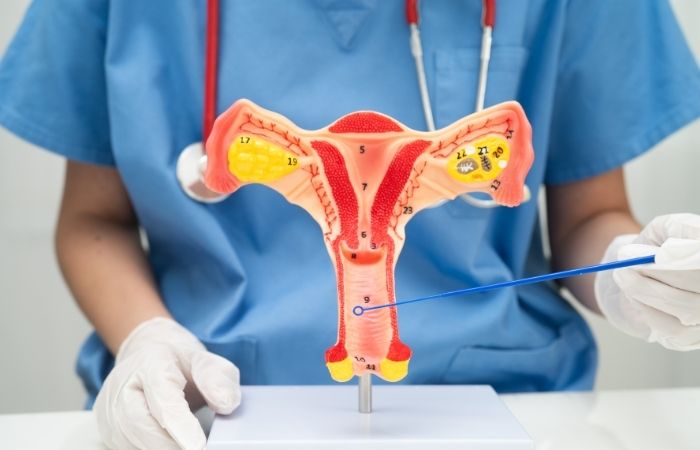
Let’s get anatomical for a moment. The cervix sits at the entrance to the uterus. It contains delicate glandular cells that respond to hormones and immune activity. When infected, those cells swell and become inflamed.
Inflammation increases blood flow. It also makes the tissue friable, meaning it tears or bleeds easily on contact. That’s why even gentle penetration can trigger spotting when an infection is present.
The frustrating part? Many cervical infections cause little to no pain. The phrase “STD symptoms no pain” shows up in search data constantly for a reason. Silence does not equal safety.
If you’ve had a new partner, unprotected sex, or a partner whose testing status you don’t know, bleeding after sex becomes a data point, not a verdict, but a clue. And clues deserve testing.
If You’re Avoiding Testing Because You’re Scared
Let’s talk about avoidance. Sometimes the bleeding isn’t the scariest part. The possibility of a result is. The imagined conversation. The stigma. The “What will this say about me?” spiral.
Here’s what it actually says: you’re a sexually active human. That’s it.
Untreated chlamydia and gonorrhea can lead to pelvic inflammatory disease if ignored. According to the World Health Organization, early diagnosis prevents long-term complications. Testing is preventive care, not confession.
If privacy is the barrier, discreet at-home testing exists for exactly this reason. You can order directly from STD Test Kits and test on your own timeline. The Painful Urination in Women: Top Causes Ranked covers the most common bacterial causes of bleeding after sex and gives you answers without a waiting room.
Your health deserves clarity more than your fear deserves control.
FAQs
- 1. I saw pink when I wiped after sex. Should I freak out?
- No. Pause before you spiral. A single episode of light pink spotting, especially after longer or more vigorous sex, is usually friction or cervical sensitivity. If it stops quickly and doesn’t repeat, you can monitor. If it keeps happening, that’s when we shift from “incident” to “pattern.” Patterns deserve attention, not panic.
- 2. What if there’s no pain at all, can it still be an STD?
- Yes. And this is the part that surprises people. Cervical infections like chlamydia often don’t hurt. No burning. No obvious discharge. Just subtle inflammation that makes the cervix bleed when touched. “I feel fine” doesn’t rule infection out. It just means your body is being quiet about it.
- 3. It only happens sometimes. Does that mean it’s nothing?
- Not necessarily. Infections can cause intermittent bleeding. Hormones fluctuate. Cervical ectropion can bleed one week and not the next. Inconsistent doesn’t automatically mean harmless. If it’s happened more than once, especially with a new partner involved, it’s reasonable to test.
- 4. How heavy is too heavy?
- If you’re soaking through a pad in an hour, passing large clots, feeling dizzy, or experiencing sharp pelvic pain, that’s not “normal spotting.” That’s urgent care territory. Your body should not feel unstable after sex. Heavy bleeding deserves immediate evaluation, no second-guessing yourself.
- 5. I’m embarrassed to bring this up to my doctor. Is that silly?
- It’s not silly. It’s human. Sex still carries stigma in a lot of places, and talking about bleeding afterward can feel exposing. But clinicians hear this constantly. Truly. You won’t shock them. And the relief that comes from clarity is usually bigger than the discomfort of the conversation.
- 6. Could birth control be causing this?
- Yes. Hormonal birth control can thin the uterine lining or make the cervix more sensitive. IUDs, especially in the first few months, commonly cause spotting after sex. If you recently started or changed contraception, timing matters. Still, if bleeding is persistent or new after being stable for years, don’t assume, verify.
- 7. If I test positive for something, does that mean my partner cheated?
- Not automatically. Some infections can be silent for months. Timing isn’t always clear-cut. This is where facts are more helpful than assumptions. Get tested. Get treated if needed. Then have a calm, informed conversation. Blame rarely improves outcomes. Information does.
- 8. Can stress cause bleeding after sex?
- Stress alone doesn’t usually cause postcoital bleeding. But stress can affect hormones, which influence cervical and uterine stability. More often, though, bleeding after sex is physical, irritation, inflammation, or infection, not emotional. Your anxiety might amplify the fear, but it’s not usually the root cause.
- 9. I’m in menopause. It was just a little spotting. Do I really need to see someone?
- Yes. Postmenopausal bleeding always deserves evaluation, even if it’s light and happens once. Most causes are benign, like vaginal atrophy. But this is one of those areas where early detection truly matters. Think of it as maintenance, not emergency.
- 10. If it stops on its own, can I just ignore it?
- If it was clearly friction-related and never happens again, you can likely let it go. But if it recurs, even lightly, your body is asking for a closer look. Ignoring repeated signals rarely makes them disappear. Clarity, whether through an exam or an at-home test, usually brings more peace than guessing ever will.
You Deserve Clarity, Not Panic
Bleeding after sex is your body’s way of waving a small flag. Sometimes that flag says, “Use more lube.” Sometimes it says, “Your cervix is inflamed.” Rarely, it signals something serious. The difference isn’t guesswork, it’s evaluation and pattern awareness.
If this has happened once and resolved, monitor it. If it keeps happening, don’t gaslight yourself into ignoring it. And if infection is even a possibility, take control of the narrative. You can explore discreet options at STD Test Kits. If you want broad coverage without clinic delays, the 7-in-1 Complete At-Home STD Test Kit screens for common bacterial infections that frequently cause cervical bleeding.
Information reduces fear. Testing restores agency. And your health is worth both.
How We Sourced This Article: We reviewed current guidance from the CDC, WHO, ACOG, the American Cancer Society, and other major public health organizations. We also consulted peer-reviewed research on cervicitis, postcoital bleeding, and STI-related inflammation. In total, approximately fifteen sources informed this piece; below are six of the most clinically relevant and reader-accessible references. Every link has been verified to ensure accuracy and credibility.
- Centers for Disease Control and Prevention – Sexually Transmitted Infections Overview
- World Health Organization – Sexually Transmitted Infections Fact Sheet
- Vaginal bleeding after sex: Causes (Mayo Clinic)
- Urethritis and Cervicitis - STI Treatment Guidelines (CDC)
- Postcoital Bleeding: A Review on Etiology, Diagnosis, and Management (PMC)