Painful Urination in Women: Top Causes Ranked
If symptoms last more than 2–3 days or follow new sexual contact, testing is recommended. What “Burning When I Pee” Usually Means (And Why It’s So Common) The medical term for painful urination is dysuria.
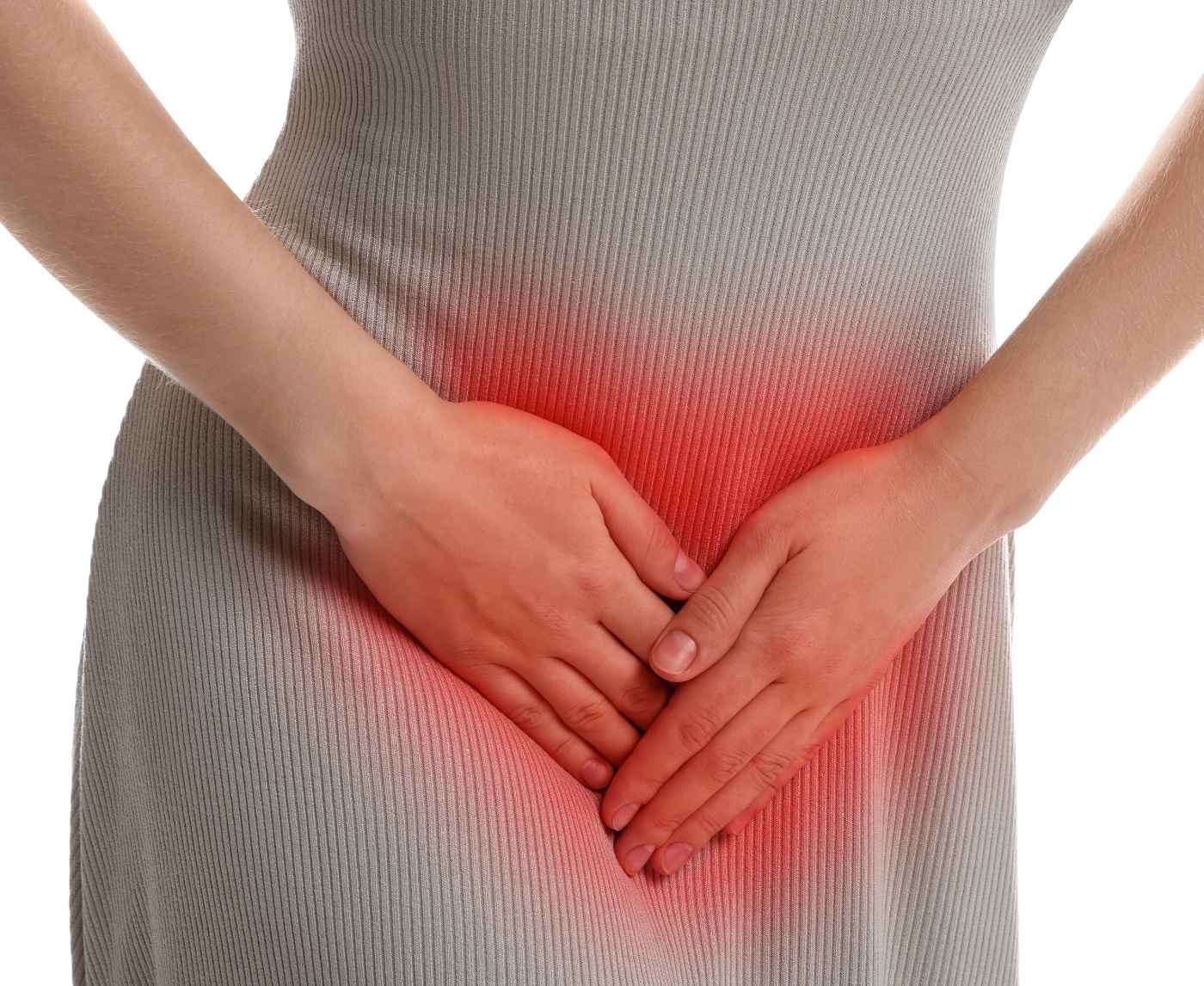
Quick Answer: Painful urination in women is most commonly caused by a urinary tract infection (UTI), followed by sexually transmitted infections like chlamydia and gonorrhea, vaginal infections such as yeast or BV, irritation after sex, and less commonly chronic bladder conditions. If symptoms last more than 2–3 days or follow new sexual contact, testing is recommended.
What “Burning When I Pee” Usually Means (And Why It’s So Common)
The medical term for painful urination is dysuria. It simply means discomfort, burning, or stinging while urinating. But that clinical definition doesn’t capture what it feels like in real life , the hesitation before you sit down, the way your body tenses, the mental checklist of who you’ve slept with in the past month.
Women experience painful urination far more frequently than men because the female urethra is shorter and closer to the anus, making it easier for bacteria to travel into the bladder. According to the CDC and Mayo Clinic, urinary tract infections alone account for millions of healthcare visits annually. That’s why statistically, a UTI sits at the top of this ranking.
But here’s the twist: burning when you pee female does not automatically equal UTI. STIs, vaginal infections, hormonal shifts, friction after sex, and even dehydration can cause similar symptoms. That’s where the confusion begins , especially if there’s no discharge, no fever, and no obvious sign pointing in one direction.

The Top Causes of Painful Urination in Women
Let’s break this down in order of likelihood, based on prevalence data, clinical guidance, and how often each condition presents with dysuria as a primary symptom.
| Rank | Condition | How Common | Key Clues | Testing Needed? |
|---|---|---|---|---|
| 1 | Urinary Tract Infection (UTI) | Very common | Burning + frequent urge to pee, cloudy urine | Urine test |
| 2 | Chlamydia | Very common STI | Burning, often mild or no discharge | STD test (NAAT) |
| 3 | Gonorrhea | Common STI | Burning, pelvic pain, discharge possible | STD test (NAAT) |
| 4 | Yeast Infection | Very common | Itching + thick discharge | Swab or exam |
| 5 | Bacterial Vaginosis (BV) | Common | Fishy odor, irritation | Swab |
| 6 | Urethritis (non-STD irritation) | Moderate | Burning without clear infection | Urine + STI rule-out |
| 7 | Interstitial Cystitis | Less common | Chronic bladder pain | Specialist evaluation |
| 8 | Dehydration / Chemical Irritation | Situational | Temporary burning | Usually no |
Figure 1. Ranked causes of painful urination in women based on clinical frequency and presentation patterns.
#1 Most Common: Urinary Tract Infection (UTI)
If it burns when you pee and you’re also running to the bathroom every 15 minutes, statistically speaking, it’s probably a UTI. UTIs occur when bacteria , usually E. coli , enter the urinary tract and multiply in the bladder.
The classic UTI symptoms include frequent urination and burning, cloudy or strong-smelling urine, and pelvic pressure. Some women describe it as “peeing glass.” Unlike many STIs, UTIs often escalate quickly over 24–48 hours.
However, here’s where anxiety creeps in: UTI vs STD symptoms can overlap significantly. Both can cause burning. Both can cause pelvic discomfort. Both can occur after sex. That’s why testing matters if there’s any uncertainty , especially if you’ve had new or multiple partners.
#2 and #3: STDs That Cause Burning , Chlamydia and Gonorrhea
This is where many women freeze. If you’re searching “burning when I pee but no UTI,” your brain may already be here.
Chlamydia is the most reported bacterial STI in women in the United States. It often causes mild burning during urination, but many women have no noticeable discharge. That’s why phrases like “no discharge just burning” show up so often in search data.
Gonorrhea can look similar but may include thicker discharge, pelvic pain, or bleeding between periods. Both infections are diagnosed through a nucleic acid amplification test (NAAT), typically using urine or a vaginal swab.
The important thing to know: STI-related painful urination can feel nearly identical to a mild UTI. The difference is that antibiotics for UTIs will not treat chlamydia or gonorrhea. Delayed treatment can lead to pelvic inflammatory disease and fertility complications.
If your burning started after new sexual contact , even protected sex , discreet at-home testing can give clarity. STD Test Kits offers confidential options that check for the most common infections without a clinic visit.
When It’s Not a UTI or STD: Vaginal Infections That Burn
Not every sting is coming from your urethra. Sometimes the irritation is external or vaginal, and urine simply aggravates already inflamed tissue.
Yeast infections commonly cause itching, swelling, and thick white discharge. The burning happens when urine hits irritated skin. Bacterial vaginosis (BV) may cause a fishy odor and thin discharge, sometimes paired with mild burning.
The key distinction: yeast and BV usually come with noticeable vaginal changes. If you’re experiencing burning but no discharge, that leans slightly more toward UTI or STI , though not always.
After Sex and Suddenly Burning: Friction, Microtears, and “Honeymoon Cystitis”
There’s a very specific kind of panic that happens when the burning starts the morning after sex. Maybe it was a new partner. Maybe it was a long session. Maybe there wasn’t enough lubrication. You sit there thinking, “Did I catch something?”
Sometimes, painful urination after sex is exactly what it sounds like: irritation. Friction can cause tiny microtears in the vaginal opening or urethral area. When urine passes over that inflamed tissue, it stings. This is especially common if lubrication was minimal, condoms weren’t used, or if you’re navigating hormonal shifts that thin vaginal tissue.
There’s also something informally called “honeymoon cystitis” , a UTI triggered by sexual activity. During sex, bacteria can be pushed toward the urethra, increasing infection risk. That’s why peeing after sex is often recommended. It’s not moral advice. It’s mechanical hygiene.
The key distinction here is timing and progression. Irritation-related burning often improves within 24 to 48 hours. A UTI typically worsens. An STI may stay subtle but persistent. If the discomfort lingers beyond a couple of days or you notice pelvic pain, unusual discharge, or bleeding between periods, testing is the safest next step.
When It Burns but Tests Are Negative: Urethritis and Hidden Inflammation
Sometimes you test for a UTI and it comes back negative. You test for common STDs and those come back negative too. But the burning doesn’t go away. This is when doctors start thinking about urethritis , inflammation of the urethra that isn’t always caused by the usual suspects.
Urethritis in women can result from irritation, prior infections that disrupted tissue, or less common organisms not included in basic panels. It may feel like a mild but constant sting during urination without dramatic discharge or fever. That’s why so many women search “why does it hurt when I pee but no infection.”
This is where working with a provider matters. Sometimes extended STI panels are needed. Sometimes it’s about eliminating irritants like fragranced soaps, douches, or spermicides. And sometimes it’s simply allowing inflamed tissue to calm down after a treated infection.
Chronic Bladder Pain: Interstitial Cystitis
Burning urination that just won’t go away, but all the tests for infections come back negative? That’s when interstitial cystitis, or IC, becomes part of the conversation.
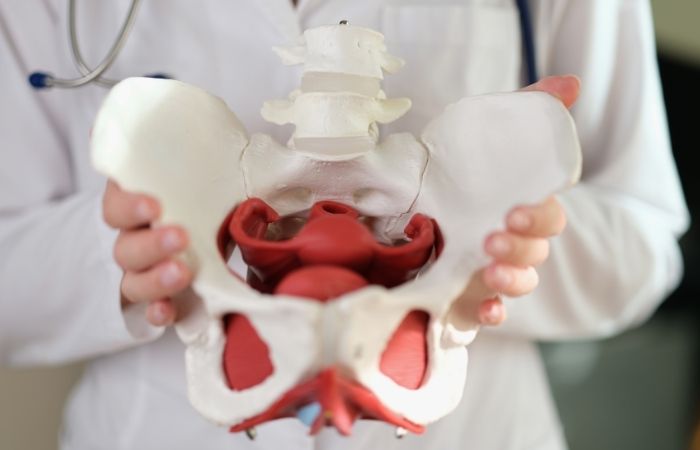
IC is a chronic condition characterized by bladder pressure, pelvic pain, and urination. While not as common as UTIs or STIs, IC is very real.
What does interstitial cystitis feel like to women? “I feel bladder discomfort.” Unlike UTIs, antibiotics will not cure interstitial cystitis.
What’s the difference between UTIs and IC? UTIs have a very specific set of symptoms. UTIs go away with antibiotics. UTIs are not chronic. IC is chronic.
Dehydration and Chemical Irritation: The Temporary Burn
Yes, dehydration can cause burning urine. When you’re not drinking enough fluids, urine becomes more concentrated. That higher concentration can irritate the urethra and create a temporary stinging sensation.
Chemical irritants can also play a role. Bubble baths, scented pads, harsh body washes, and even certain laundry detergents can inflame delicate tissue. If the burning is mild and resolves quickly after increasing water intake or removing a new product, infection becomes less likely.
The difference is persistence. Irritation improves. Infections escalate or linger.
UTI vs STD vs Vaginal Infection: How to Tell the Difference
This is the comparison everyone is searching for. The truth is that symptoms overlap, but patterns matter. The table below breaks down the differences in a way that mirrors real-life presentation rather than textbook perfection.
| Symptom Pattern | UTI | Chlamydia / Gonorrhea | Yeast / BV |
|---|---|---|---|
| Burning during urination | Common and often intense | Common but may be mild | Usually secondary to irritation |
| Frequent urge to pee | Very common | Less common | Rare |
| Vaginal discharge changes | Uncommon | Possible | Very common |
| Pelvic pain | Pressure-like | May include deeper pain | Usually external irritation |
| Fever | Possible in severe cases | Rare early on | Rare |
| Triggered after sex | Common | Common | Sometimes |
Figure 2. Clinical comparison of painful urination causes in women. Overlap is common, which is why testing , not guessing , provides clarity.
When Testing Becomes the Smart Move
If painful urination lasts longer than 48 to 72 hours, worsens, or follows new sexual contact, testing moves from optional to responsible. The earlier infections like chlamydia or gonorrhea are detected, the easier they are to treat and the lower the risk of complications.
At-home options now make that step far less intimidating. Instead of sitting in a waiting room replaying your last hookup in your head, you can order a discreet test kit, collect your sample privately, and get answers quickly. If you’re unsure whether it’s a UTI or STD, a combined approach can eliminate guesswork.
If you want clarity without the clinic stress, consider a discreet at-home option like the 7-in-1 Complete At-Home STD Test Kit. It screens for multiple common infections so you’re not left wondering which category your symptoms fall into.
Because here’s the truth: painful urination in women is common. Untreated infections don’t have to be.
A Real-World Spiral: “It Was Just Burning. That’s All.”
Sofia, 27, noticed mild burning when she peed two days after a new partner. No discharge. No fever. Just a sting she couldn’t ignore.
“I kept Googling ‘burning when I pee female but no UTI.’ I convinced myself it was irritation. Then I convinced myself it was an STD. I went back and forth for three days.”
She tested. It was chlamydia. Early, uncomplicated, easily treated. What lingered longer than the infection was the anxiety she carried while waiting.
“The worst part wasn’t the diagnosis. It was not knowing.”
That’s the quiet theme behind most searches about painful urination. It’s rarely just about the burn. It’s about uncertainty.
When Should You Test? Timing Matters More Than You Think
One of the most common mistakes people make when dealing with painful urination in women is testing too early , or not at all. If you feel burning today, your instinct might be to test immediately. That’s understandable. But different infections have different detection windows.
UTIs can usually be detected as soon as symptoms begin because bacteria multiply quickly in the bladder. STIs like chlamydia and gonorrhea, however, may take several days after exposure to show up on a test. Testing too soon can produce false reassurance.
If your burning started after new sexual contact, here’s a simplified timing guide that balances urgency with accuracy.
| Condition | Symptoms Start | Earliest Reliable Test | Best Accuracy Window |
|---|---|---|---|
| UTI | 1–3 days after bacteria enter bladder | As soon as symptoms appear | Immediate |
| Chlamydia | Often 7–14 days (sometimes none) | 5–7 days after exposure | 14+ days |
| Gonorrhea | 2–14 days | 5–7 days after exposure | 14+ days |
| Trichomoniasis | 5–28 days | 7 days | 2–4 weeks |
Figure 3. General testing windows for common causes of painful urination in women. Exact timing may vary by test type and exposure risk.
Burning But No Discharge: Why That Doesn’t Rule Out an STI
Many women assume that if there’s no discharge, it can’t be an STD. That assumption delays testing more often than almost any other myth.
Chlamydia is frequently asymptomatic in women. When symptoms do appear, they may be subtle , mild burning during urination, light spotting, or vague pelvic discomfort. The phrase “STI symptoms no discharge” shows up in search engines constantly because the absence of obvious changes creates doubt.
Gonorrhea can also be mild early on. Some women only notice urinary burning. By the time discharge appears, the infection may have already progressed upward toward the uterus.
If your only symptom is painful urination after sex, and a UTI test is negative, that’s not reassurance. That’s a sign to expand testing.
What Happens If You Ignore It?
This is the part no one likes to talk about, but it matters. Untreated UTIs can travel from the bladder to the kidneys, leading to fever, flank pain, and systemic infection. Untreated chlamydia or gonorrhea can cause pelvic inflammatory disease (PID), which increases the risk of infertility and chronic pelvic pain.
Most cases are treatable. Easily treatable. But only if diagnosed.
The goal is not fear. The goal is prevention of complications. Burning urination is often your body’s early warning system. Listening early prevents bigger problems later.
If You Test Negative But It Still Burns
Let’s say you test for UTI. Negative. You test for common STIs. Negative. But you still feel burning. Now what?
This is where follow-up matters. You may need repeat STI testing if your first test was taken too early in the window period. You may need evaluation for urethritis, vaginal atrophy (especially during perimenopause), or interstitial cystitis. You may need to eliminate irritants like scented hygiene products.
The important thing is not to dismiss persistent symptoms. Painful urination in women that lasts longer than a week without explanation deserves medical evaluation.
Prevention: How to Reduce Your Risk Going Forward
Once you’ve had burning urination once, you never want it again. Prevention doesn’t mean shame. It means strategy.
For UTIs, staying hydrated, urinating after sex, and avoiding prolonged damp clothing can reduce risk. For STIs, barrier protection, regular testing, and honest partner communication are protective tools , not moral judgments.
If you’re sexually active with new or multiple partners, routine screening matters even without symptoms. Many STIs remain silent until complications appear.
Testing isn’t an admission of guilt. It’s maintenance.
When to Seek Immediate Care
The majority of painful urination causes are non-emergencies. There are some symptoms that require urgent medical attention.
If you have fever, severe back pain, vomiting, blood in your urine, and severe pain in your pelvis, you should seek medical attention immediately. These could be symptoms of a kidney infection or advanced pelvic infection.
If painful urination is a symptom of sexual assault, you should seek medical attention immediately. There are early testing and preventive treatment options.
FAQs
- 1. “It burns when I pee, but I feel fine otherwise. Am I overreacting?”
- Probably not , but you also don’t need to spiral. Mild burning without fever or severe pain can be early UTI irritation, subtle chlamydia, or even simple dehydration. The key question isn’t “Is this catastrophic?” It’s “Is this persisting?” If it’s still there after 48 hours, your body is asking for attention.
- 2. “If it were an STD, wouldn’t I have discharge or something obvious?”
- I wish it worked that way. Many women with chlamydia or gonorrhea have almost no visible discharge. Sometimes it’s just a quiet burn. Sometimes it’s nothing at all. STIs don’t follow movie scripts , they follow biology.
- 3. “I tested for a UTI and it was negative. So I’m good… right?”
- Not necessarily. A negative UTI test rules out bladder bacteria. It doesn’t rule out STIs, urethritis, vaginal infections, or irritation. Think of it like crossing one suspect off a list, not closing the case.
- 4. “Can sex alone cause this? Even if we used a condom?”
- Yes. Friction can irritate tissue. Semen can alter vaginal pH. And condoms, while protective, don’t eliminate every infection risk. Protected sex lowers STI risk dramatically , it doesn’t make it zero. If burning lingers, test. That’s not paranoia. That’s prevention.
- 5. “How do I know if this is a UTI or something worse?”
- UTIs often come with urgency , that constant feeling like you need to pee again five minutes later. STIs may feel milder but more stubborn. If you’re peeing constantly and it feels like your bladder is angry, think UTI. If it’s subtle and tied to new sexual contact, think screening.
- 6. “Is it possible I’m just dehydrated?”
- Yes. Dark, concentrated urine can sting. Try increasing fluids for a day. If symptoms fade quickly, dehydration was likely the culprit. If they don’t, don’t keep blaming your water intake.
- 7. “How long is too long to wait before testing?”
- If burning lasts more than two to three days, worsens, or is paired with pelvic pain, spotting, or unusual discharge , that’s your cue. Waiting a week while hoping it disappears usually just prolongs anxiety.
- 8. “What if I’m embarrassed to ask for an STD test?”
- That embarrassment is cultural, not medical. Clinicians test for STIs all day, every day. And if walking into a clinic feels overwhelming, discreet at-home testing exists for exactly that reason. Privacy isn’t avoidance. It’s access.
- 9. “Can stress cause burning urination?”
- Stress doesn’t directly infect your bladder. But it can amplify sensation, increase muscle tension in the pelvic floor, and make mild irritation feel louder. Stress might turn the volume up , it doesn’t create bacteria.
- 10. “What’s the biggest mistake women make with painful urination?”
- Assuming it’s “probably nothing” and waiting too long. Most causes are easily treatable. The real damage comes from silence and delay. Your body gave you a symptom. Listening early is power.
Clarity Beats Guessing
The hardest part of painful urination in women is rarely the physical sensation. It’s the uncertainty. Is this just irritation? Is it a UTI? Is it an STD? Did I wait too long?
You don’t have to solve that puzzle alone. If symptoms persist beyond 48 to 72 hours, or if there’s any chance of STI exposure, testing provides answers instead of speculation.
You can explore confidential testing options directly at STD Rapid Test Kits. Your health decisions are private. Your clarity is yours.
How We Sourced This Article: This guide was developed using current clinical guidance from leading health authorities, peer-reviewed research on dysuria and sexually transmitted infections, and real-world symptom reporting patterns. Approximately fifteen medical and narrative sources informed the writing to ensure accuracy and clarity. Below, we’ve highlighted six authoritative and reader-friendly references. All external links open in a new tab for transparency and verification.