



Positive Gonorrhea Test Line vs Negative: How to Read It
Quick Answer: At-home STD tests do not need to be refrigerated, but extreme heat (above 86°F or 30°C) can damage the chemicals inside. Store your test in a cool, dry place away from direct sunlight and never leave it in a car or mailbox for extended periods.
Why Test Storage Matters (And Who This Affects Most)
At-home STD tests are medical devices, and like all diagnostics, they rely on chemical reactions that can degrade under poor conditions. For lateral flow and immunoassay tests, the most common type of rapid STD kits, heat can cause reagents to evaporate, dry out, or become unstable. That means even if you follow the instructions perfectly, the result may be invalid if the test was cooked in a mailbox all afternoon.
This guide is especially for you if you:
- Live in a hot or humid climate
- Travel with your test kit or store it in a vehicle
- Use a community mailbox or external parcel locker
- Aren’t sure what your test went through before it arrived
- Feel anxious about wasting your one shot at testing right
We’re going to walk through what heat really does to your test, what temps are considered “too hot,” and what the label actually means when it says “store at room temperature.” And yes, we’ll tell you when it’s safe to use a kit, and when to toss it.
People are also reading: How to Have Safer Oral Sex (And Still Enjoy It)
How STD Tests Work, and Why Heat Throws Them Off
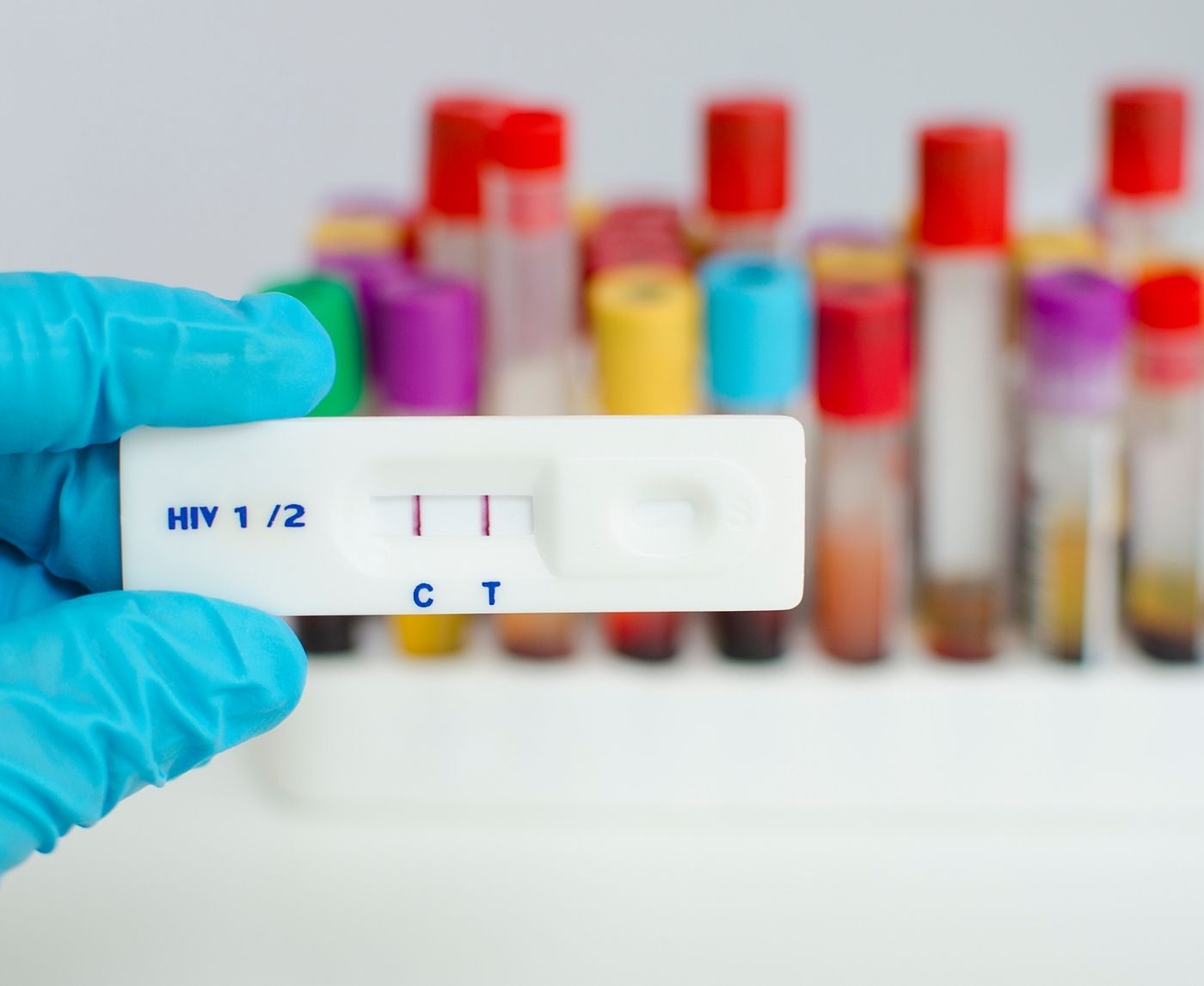
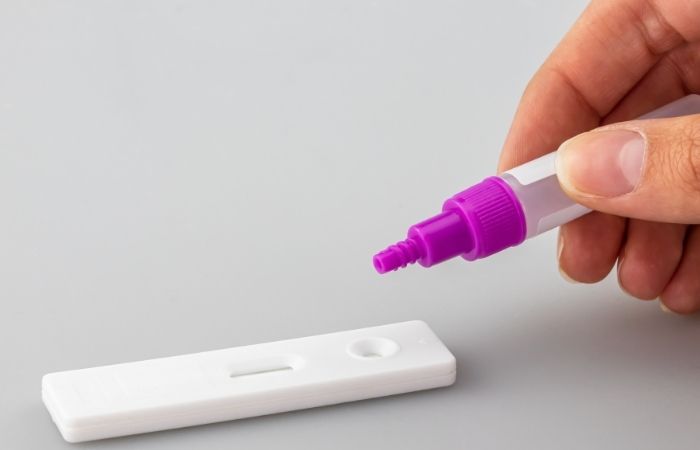
Most rapid STD kits rely on a controlled chemical reaction. When your sample (urine, swab, or blood) hits the reagent pad inside the test strip or cassette, it activates antibodies designed to detect specific markers of infection, like chlamydia antigens or HIV antibodies. This is called a lateral flow immunoassay, and it’s similar to a pregnancy test in design.
The catch? These reagents are sensitive to temperature and moisture. If overheated, the chemical structures can break down or evaporate, rendering the test unable to produce a valid line, positive or negative. Even worse, some partially damaged tests may still “run,” but give you a false negative because the detection ability was compromised.
According to a 2020 study on lateral flow device stability, many rapid diagnostic kits begin to lose accuracy after just 48 hours of storage above 30°C (86°F), especially in high-humidity conditions. If your mailbox, car, or outdoor drop-off area regularly exceeds that threshold, your test could be affected.
What Labels Mean When They Say “Room Temperature”
Most at-home test kits don’t come with fridge instructions, but that doesn’t mean you can store them anywhere. “Room temperature” doesn’t mean “whatever the temperature happens to be in your apartment today.” Manufacturers use a specific range when they list this: usually between 59°F and 77°F (15°C to 25°C).
Here’s what the typical test box storage label really means:
Table 1. What common test packaging instructions actually mean, and what happens if you ignore them.
Bottom line? Even if you didn’t get a warning sticker, these conditions matter. Test kits are not invincible, and even a few hours of exposure in an overheated environment can cause damage that isn’t visible to the naked eye.
Real-World Heat Scenarios: Mailboxes, Cars, and Suitcases
Let’s be real, most people don’t read the fine print on storage labels until after something goes wrong. But understanding what your test went through before you open it can make all the difference in whether you get an accurate result or a useless strip of paper.
Here’s what can happen in some common heat exposure scenarios:
Table 2. Common real-world storage situations that can compromise your STD test accuracy.
According to the CDC’s diagnostic handling guidelines, most point-of-care rapid tests should be kept at controlled room temperature and used within their expiration window. Extended exposure to elevated temps, even during shipping, can cause the active ingredients to become unstable, especially in kits that include buffer solution or desiccant pouches.
“I Took the Test, But the Lines Never Showed Up”
Casey, 27, ordered an at-home combo STD test during a heatwave. She got the delivery notification on her phone but didn’t get home from work until nearly 9PM. Her mailbox had been in direct sun all afternoon.
“The box felt warm when I picked it up, but I didn’t think it mattered,” she says. “I followed the instructions exactly. But when I ran the test, it didn’t show anything, not even the control line.”
This is a textbook example of heat exposure failure. When the control line doesn’t appear, it usually means the reagents inside were compromised, the test didn’t flow correctly, or components were dried out. “I panicked,” Casey admits. “I didn’t know if I should order another test, wait, or go to a clinic.”
Her experience is more common than you might think. A recent field review of at-home diagnostics found that invalid tests were 4x more likely when kits had been exposed to heat during transport or storage.
The takeaway? If your control line doesn't appear, the test is invalid, no matter what the result strip says. You’ll need to discard the test and start over with a properly stored kit.
People are also reading: Should You Wait to Have Sex Until STD Results Are In?
So... Do You Ever Need to Refrigerate It?
Nope. In fact, refrigerating most at-home STD tests is not only unnecessary, it could backfire. Unless the kit instructions explicitly say to store at cold temps (some advanced lab kits or PCR sample tubes might), it’s best to stick to cool, dry places like drawers or closets.
Here’s a safe temperature rule of thumb: if it’s comfortable for a person to be in the room, it’s probably safe for your test. That means no garages, glove compartments, sunrooms, or bathroom counters during summer.
Still worried? Use this simple checklist:
- Was the test exposed to temps over 86°F (30°C) for more than a few hours?
- Did the packaging feel hot to the touch when retrieved?
- Is there discoloration, dried fluid, or a missing control line after running the test?
If the answer to any of those is yes, the safest move is to use a fresh kit. Your sexual health is worth more than the cost of one replacement.
What If You Already Took a Possibly Damaged Test?
If you’ve already used a test you suspect was overheated, and the control line appeared, you may still get valid results, but there’s a higher chance of false negatives. That’s especially risky for STDs that don’t show obvious symptoms, like chlamydia, gonorrhea, or trichomoniasis.
In these cases, plan a retest using a fresh kit stored at proper temperatures, or consider a mail-in PCR option if you want confirmation from a lab setting. The Mayo Clinic's STD testing overview notes that repeat testing is especially important if your first test was taken too early or stored improperly.
Still unsure? Reach out to the test manufacturer, especially if your kit came from a reputable provider. Some will offer a replacement if you explain the exposure situation and provide the lot number or proof of purchase.
Where (and How) to Store Your Test So It Actually Works
You don’t need a lab fridge or fancy storage system to protect your at-home STD kit. What you do need is a spot that stays between 59°F and 77°F (15°C to 25°C), avoids humidity, and isn’t exposed to heat spikes or freezing temps.
Try these storage solutions that actually work in real-world homes:
Table 3. Safe storage locations that protect your STD test from heat, cold, and humidity.
Whether you're storing your kit for weeks or planning to test the same day, treat it like you would a box of medication: dry, shaded, consistent environment. No gloveboxes. No window ledges. No gym bags in summer.
“I Took My Test on the Road, And It Still Worked”
Rami, 31, travels for work and prefers to carry test kits with him rather than relying on local clinics. “I keep a combo kit in my suitcase,” he explains, “but I was worried it would overheat while I drove through Arizona in August.”
He packed the test inside a small soft cooler with no ice, just insulation. “It stayed at room temp the whole trip. I tested two days later in my hotel, and it worked perfectly.”
Rami’s setup worked because he used a breathable, insulated barrier and kept the kit indoors most of the time. If you’re traveling, this is the model to follow: soft cooler, climate-controlled space, and fast testing after arrival.
If you’re staying off-grid, camping, or road-tripping, bring your test inside any time you do, just like you would medication or sunscreen. Heat doesn’t just shorten shelf life; it can destroy accuracy before you even open the box.

Still Anxious? Here's the Bottom Line
So many of us put off testing because it feels hard enough already, emotionally, financially, logistically. The last thing you need is to worry about whether the test you bought is still usable. But that’s the reality in hot climates and chaotic schedules. The good news? Now that you know the warning signs and storage tricks, you’re one step ahead.
Let this article be your permission to pause, breathe, and choose what’s next. You don’t need to beat yourself up for missing a label or leaving the kit in the wrong place. You just need the next one to work.
If your old test was exposed to high heat, or you just want to start fresh, there’s a fast, discreet way to get a new one. Order a combo STD test kit and store it in a cool, dry spot until you're ready. No judgment. Just information, autonomy, and peace of mind.
FAQs
1. Do I really need to keep my STD test in the fridge?
Nope. In fact, most at-home STD tests hate the fridge. They’re built for room temperature, not cold storage. Unless your kit specifically says otherwise (which is rare), a drawer in your bedroom is better than a chilly shelf next to your oat milk.
2. What if I left my test in a hot car all day?
You’re not alone, this happens way more than you think. Cars can hit 130°F even when it’s 80 outside. That’s sauna-level heat, and it can mess with the chemicals in your test. If the kit feels hot or was left out for hours, play it safe and use a new one. It’s not worth gambling with your results.
3. I ran the test anyway, but no lines showed up. Did I mess it up?
Nope, but the heat might have. If your control line doesn’t appear, the test is considered invalid, no matter what the result window says. That usually means the kit was damaged (from heat, cold, or age). Toss it, breathe, and grab a fresh one.
4. Can I store my test in the bathroom?
Technically? Maybe. But bathrooms are humidity traps, think steam from the shower creeping into everything. That moisture can degrade certain parts of the test. Unless your bathroom stays super dry, stash the kit somewhere safer, like a closet or desk drawer.
5. Does expiration date even matter if it’s been in the heat?
Yes, and no. A test can still go bad *before* it expires if it’s been stored wrong. Think of it like food: that yogurt may not expire until next week, but if you leave it in the sun all day, it’s toast. Heat can "expire" your kit early by degrading the key ingredients.
6. How long can a test sit in a mailbox before it's unsafe?
It depends on the weather. In mild temps, you're probably fine even after several hours. But in a summer heatwave, mailboxes can turn into ovens fast. If it’s hot enough to melt chocolate, it’s hot enough to mess up your test. When in doubt, order a backup.
7. Can I travel with a test kit?
Absolutely. Just treat it like sunscreen or meds, don’t let it bake in the car or freeze in your checked luggage. Throw it in your carry-on, keep it climate-controlled, and test when you land. Bonus: a soft lunch cooler makes a great low-key travel case.
8. I accidentally shook the box, did I ruin it?
Unless you were playing rugby with it, probably not. The contents are fairly stable against normal bumps and jolts. But if it also sat in heat or the liquid looks off, it’s worth starting over. Shake happens, just don’t combine it with high temps or broken seals.
9. How can I know if the test is still good without using it?
First, check the expiration date. Then look at the test components. If the fluid looks dried out, cloudy, or discolored, or if the packaging is warped from heat, it’s suspect. You won't always see damage, though, so if it sat in bad conditions, consider replacing it even if it "looks fine."
10. What’s the worst that could happen if I use a heat-damaged test?
The worst isn’t a false positive, it’s a false negative. You could walk away thinking you’re in the clear when you’re not, which delays treatment and risks transmission. That’s why this matters. Heat damage is invisible, but the consequences aren’t.
You Deserve Answers, Not Assumptions
It’s not your fault the world doesn’t come with perfect storage conditions. But with a little extra care, you can make sure your test does what it’s supposed to, give you clarity, not confusion. If something feels off, or you’re not sure whether the heat got to your kit, don’t roll the dice. Get a fresh one and move forward with confidence.
At-home testing should make life easier, not harder. And yes, it works when the kit works. Order your next test here and store it like it matters. Because your peace of mind does.
How We Sourced This Article: We combined current guidance from leading medical organizations with peer-reviewed research and lived-experience reporting to make this guide practical, compassionate, and accurate. In total, around fifteen references informed the writing; below, we’ve highlighted some of the most relevant and reader-friendly sources.
Sources
1. CDC STD Treatment Guidelines
2. Sexually Transmitted Infections Treatment Guidelines, 2021 – CDC
3. Screening Tests to Detect Chlamydia and Gonorrhea – CDC MMWR
4. Influence of Temperature and Storage Conditions on STI Specimens – NIH PMC
5. Initial Accuracy of HIV Rapid Test Kits Stored in Suboptimal Conditions – PLOS ONE
About the Author
Dr. F. David, MD is a board-certified infectious disease specialist focused on STI prevention, diagnosis, and treatment. He blends clinical precision with a no-nonsense, sex-positive approach and is committed to expanding access for readers in both urban and off-grid settings.
Reviewed by: A. Wright, MPH | Last medically reviewed: January 2026
This article is for informational purposes and does not replace medical advice.