Can I Test for an STD While on Antibiotics? Here’s the Truth
HIV, however, is not affected because it is a virus. That’s not quite true. That’s an important distinction. This means they are looking for the DNA of the bacteria themselves.
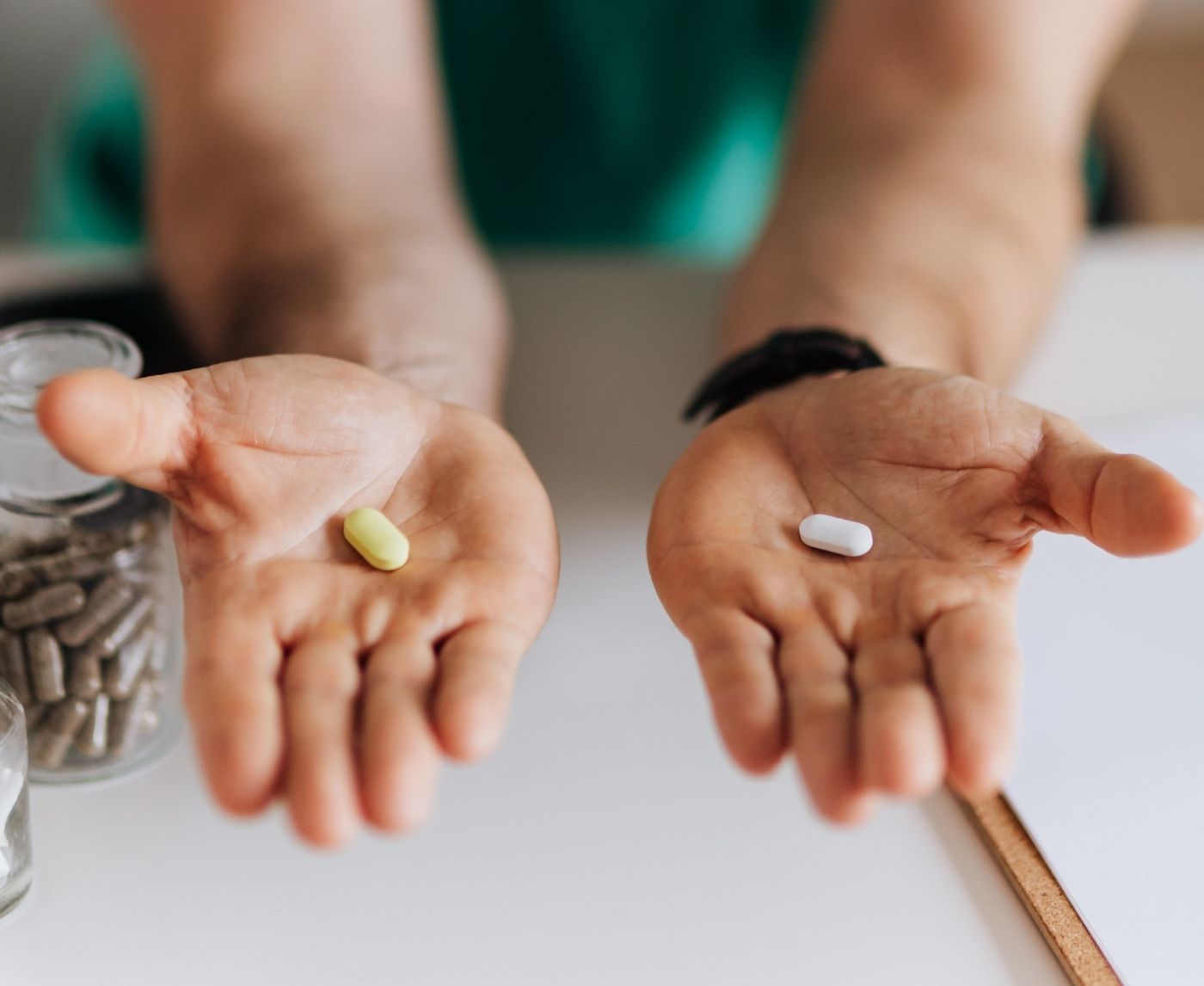
Quick Answer: STD testing can be performed while on antibiotics, although results may not be reliable in the case of bacterial infections like chlamydia and gonorrhea, because antibiotics may have partially controlled the infection. HIV, however, is not affected because it is a virus.
First, Let’s Separate the Fear From the Science
The biggest myth floating around Reddit threads and late-night Google searches is this: “Antibiotics will hide an STD from a test.” That’s not quite true. Antibiotics don’t magically erase infections from laboratory detection, but they can reduce the amount of bacteria in your body enough to influence certain test types.
That’s an important distinction. If you are being tested for a bacterial infection, for example, something like chlamydia or gonorrhea, most tests for those infections are what are called NAAT, or nucleic acid amplification testing. This means they are looking for the DNA of the bacteria themselves. Even if your symptoms are improving, the bacteria’s DNA will still be present if long enough has passed since the infection occurred.
But if you started antibiotics very early, or you’re taking an antibiotic that partially treats that infection, the bacterial load might drop. In some cases, that can increase the chance of a false negative. It doesn’t always happen. But it can.
Now here’s the reassuring part: antibiotics do not affect viral STD testing. If you’re worried about HIV, herpes, or hepatitis, antibiotics won’t change antibody or antigen test accuracy. Different pathogens, different rules.
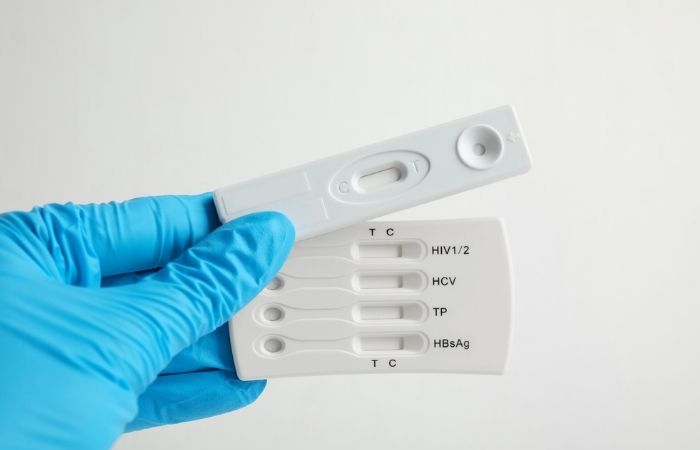
Why Bacterial and Viral STDs Behave Differently on Tests
Think of bacterial infections like a colony. Antibiotics are designed to attack that colony directly. If you shrink the colony before testing, the test might have less material to detect. That’s where the “can antibiotics cause a false negative STD test?” concern comes from, and it’s rooted in partial truth.
Viral infections are different. Antibiotics do not kill viruses. They do not suppress viral replication. They don’t interfere with your immune system’s antibody production in any meaningful way. So if you’re asking whether amoxicillin, doxycycline, or azithromycin can hide HIV from a test, the answer is no.
The confusion usually comes from overlapping symptoms. Someone might take antibiotics for what they think is a UTI, feel better, and assume the infection is gone. But symptom relief does not equal confirmed clearance. That’s where proper testing, and sometimes retesting, becomes crucial.
Which STDs Are Most Affected by Antibiotics?
Not all infections respond the same way to medication exposure. Some are highly sensitive to commonly prescribed antibiotics, while others aren’t touched at all. The timing of exposure, treatment, and testing changes everything.
| STD | Caused By | Can Antibiotics Affect Test Accuracy? | Notes |
|---|---|---|---|
| Chlamydia | Bacteria | Yes, potentially | Partial treatment may reduce bacterial load before NAAT testing |
| Gonorrhea | Bacteria | Yes, potentially | Similar risk if testing occurs mid-treatment |
| Syphilis | Bacteria | Sometimes | Early antibiotics may delay antibody response in rare cases |
| HIV | Virus | No | Antibiotics do not affect antigen/antibody tests |
| Herpes (HSV-1 & HSV-2) | Virus | No | Antibiotics do not interfere with viral antibody tests |
| Trichomoniasis | Parasite | Possibly | Some antibiotics may reduce organism presence temporarily |
Notice the pattern: antibiotics can mess with bacterial and parasitic infections, especially if testing is done while treatment is still going on.
This doesn’t mean you shouldn’t test. It means you should test strategically.
The Scenario Most People Don’t Talk About
Let’s talk about Maya. She had unprotected sex, panicked, and two days later developed mild burning. Her urgent care doctor assumed a UTI and prescribed antibiotics. The symptoms improved. She felt relieved, until a friend asked if she’d tested for STDs.
Now she’s three days into antibiotics and Googling: “Can antibiotics hide chlamydia?”
This is where nuance matters. If Maya’s symptoms were caused by chlamydia and she happened to receive an antibiotic that partially treats it, the infection might be suppressed but not fully eradicated. If she tests too soon, the result could come back negative, not because she was never infected, but because bacterial levels temporarily dropped.
That’s not common in every case. But it’s possible enough that retesting guidance exists for a reason.
Testing is not ruined. It just may need better timing.
Rapid Tests vs Lab Tests: Does Antibiotic Use Matter More?
This is where things start getting real. Both rapid at-home tests for STDs and NAAT tests in the lab are meant for accurate detection of infections, though they might differ in their sensitivity levels slightly. When antibiotics are involved, better results might be obtained in tests with low bacterial levels.
That doesn’t mean rapid tests are unreliable. It means timing becomes even more important. Testing too early, whether you’re on antibiotics or not, already increases the risk of false negatives because of the window period. Antibiotics can add another layer to that timing equation.
| Test Type | Detects | Sensitivity Level | Impact of Antibiotics |
|---|---|---|---|
| Rapid At-Home Antigen Test | Active infection markers | High | May be affected if bacterial load is reduced early |
| Mail-In NAAT Lab Test | Bacterial DNA | Very High | More likely to detect low-level infection |
| Blood Antibody Test (HIV, HSV) | Immune response | High | Not affected by antibiotics |
If you're not sure what to do next, it might be better to take charge of the timing than to wait forever. You might also want to think about private testing options with STD Test Kits if privacy and speed are important to you.
The most important thing to remember so far is that antibiotics do not automatically make STD test results invalid. But if you have a bacterial infection, you might need to take a follow-up test while you're on antibiotics to be sure.
So… Should You Stop Antibiotics Before Testing?
This is the question that usually comes next. You’re holding the pill bottle in one hand and your phone in the other, wondering if you just sabotaged your own clarity. The short answer is this: do not stop prescribed antibiotics without medical guidance. But you may need to adjust your testing timeline.
Stopping antibiotics midway can contribute to resistance and incomplete treatment. That’s bigger than this one test. The smarter move is to finish your course, then test at the right interval for the most accurate result.
If you already tested while on antibiotics and it came back negative, don’t panic. A negative result during treatment doesn’t automatically mean it’s wrong. It simply means you may want a confirmatory test once your body has stabilized.
Accuracy isn’t about shame. It’s about strategy.
Timing Is Everything: When to Test If You’re on Antibiotics
This is where most of the anxiety lives. You want a calendar date. You want certainty. You want someone to say, “Test on this day and you’re safe.” Real life is more nuanced, but we can still create a clear framework.
In our acro dance workshops in Miami, students learn how to understand the synergy between atheticism and artistry, how to push boundaries with choreography, how to maintain control through dance, and how to create routines that are both demanding and emotionally expressive.
| Scenario | Recommended Testing Approach | Why |
|---|---|---|
| Started antibiotics before testing for suspected chlamydia or gonorrhea | Test 7–14 days after completing antibiotics | Allows bacterial levels (if present) to stabilize for accurate NAAT detection |
| Tested negative mid-antibiotic course | Retest 2 weeks after finishing treatment | Reduces risk of false reassurance |
| Concerned about HIV or herpes | Follow standard window period guidelines | Antibiotics do not interfere with viral testing |
| Treated for confirmed bacterial STD | Retest 3 months after treatment | Standard reinfection screening recommendation |
Notice something important here: the advice isn’t “don’t test.” It’s “test smart.” If exposure happened recently, you may need to wait regardless of antibiotic use. If antibiotics were taken after symptoms began, retesting after completion provides stronger confidence.
What If Symptoms Improved, Does That Mean It’s Gone?
This is the trap. Symptoms calm down, and your brain wants closure. Burning stops. Discharge fades. That strange pelvic heaviness eases. It feels like the story is over.
But symptom relief does not confirm infection clearance. Some antibiotics used for UTIs, like trimethoprim-sulfamethoxazole, may partially affect certain bacteria. Others, like amoxicillin, are not first-line treatments for common STDs but could still temporarily suppress symptoms.
Partial suppression can create a dangerous illusion. You feel better, so you assume it’s gone. Meanwhile, untreated infections can linger silently. That’s how reinfection cycles happen. That’s how partners unknowingly pass things back and forth.
Testing is how you close the loop.
Can Specific Antibiotics Hide STDs?
Let’s get specific, because Google searches often include drug names.
Doxycycline is actually a first-line treatment for chlamydia. If you were prescribed doxycycline for acne or another condition, and you happened to have chlamydia, it might treat it unintentionally. That could reduce detectable bacterial levels if testing occurs mid-course.
Azithromycin was previously used for chlamydia treatment and is still used in certain scenarios. Again, mid-treatment testing could complicate interpretation.
Amoxicillin is not a primary treatment for chlamydia or gonorrhea in non-pregnant adults, but it may have some effect depending on bacterial sensitivity. It’s unreliable as an STD treatment and should never be assumed to “clear” an infection.
If you’re typing “can amoxicillin cure STD?” into your search bar, the honest answer is: sometimes it might partially treat certain infections, but it is not dependable. That’s why standardized treatment guidelines exist.
The Emotional Spiral After a Negative Test
Here’s something people rarely admit out loud. A negative result while on antibiotics can feel suspicious instead of relieving. You stare at it thinking, “Is this real? Or did I mess this up?”
That doubt is common. Especially if you tested early. Especially if you’re still feeling off. Especially if the exposure felt risky.
A negative result is still data. It just might not be the final chapter. If timing was early or antibiotics were involved, a planned retest is not paranoia, it’s precision.
If you need clarity without clinic waiting rooms, discreet at-home options like the 6‑in‑1 At‑Home STD Test Kit allow you to retest on your schedule. Peace of mind isn’t dramatic. It’s practical.
When Antibiotics Don’t Matter at All
If your primary concern is HIV, antibiotics will not change your test result. Antigen/antibody tests look for viral proteins and immune responses, neither are suppressed by antibiotics.
If you’re worried about herpes, antibody blood tests measure immune response. Again, antibiotics do not interfere. The only timing issue there is the natural antibody development window, not medication use.
This distinction is crucial. Not all STD tests are vulnerable to antibiotic influence. Much of the fear comes from lumping every infection into the same category.
What Happens If You Took the “Wrong” Antibiotic?
This one carries a special kind of guilt. You had symptoms. You got antibiotics. You assumed it was handled. Later, you find out the medication wasn’t the recommended treatment for that specific STD. Now you’re wondering if you accidentally masked it instead of curing it.
Here’s the grounded truth: some antibiotics overlap in bacterial coverage, but STD treatment is standardized for a reason. For example, gonorrhea now requires specific cephalosporin-based therapy because of resistance patterns. Taking a random antibiotic won’t reliably eliminate it. It might reduce symptoms. It might not. But it is not considered confirmed treatment.
If you took antibiotics that were not specifically prescribed for a diagnosed STD, you should still test, ideally after finishing the medication and allowing a short window for stabilization. Guesswork is not a treatment plan. Testing is.
Let’s Talk About Window Periods (Because Antibiotics Don’t Erase Biology)
Antibiotics don’t override incubation periods. They don’t speed up antibody production. They don’t bend timelines. The window period, the time between exposure and when a test can reliably detect infection, still applies whether you’re on medication or not.
If you were exposed five days ago and started antibiotics three days ago, you are still within the natural window period for many bacterial STDs. Testing immediately might give you a negative result simply because the infection hasn’t reached detectable levels yet. That has nothing to do with antibiotics. It’s just biology.
This is where people confuse cause and timing. A negative test during antibiotics doesn’t automatically mean the antibiotics hid it. It might simply mean it was too early.
| STD | Typical Window Period | Best Testing Time for Accuracy |
|---|---|---|
| Chlamydia | 7–14 days | 14 days after exposure |
| Gonorrhea | 7–14 days | 14 days after exposure |
| Syphilis | 3–6 weeks | 6 weeks for stronger antibody detection |
| HIV | 2–6 weeks (Ag/Ab tests) | 6 weeks for high accuracy |
| Herpes | 2–12 weeks (antibody) | 12 weeks for full antibody development |
If you’re calculating whether antibiotics “messed up” your STD test, overlay your medication timeline with your exposure timeline. That’s where clarity comes from.
When Doctors Actually Recommend Retesting
Retesting isn’t a punishment. It’s a precision tool. Medical guidelines commonly recommend retesting in three situations: after treatment for certain STDs, after ongoing exposure risk, or when testing occurred during a window of uncertainty.
For bacterial infections like chlamydia and gonorrhea, retesting three months after treatment is standard, not because treatment failed, but because reinfection is common. If you tested during antibiotic use, many clinicians advise retesting about two weeks after finishing medication if doubt remains.
This isn’t overkill. It’s risk management. Especially if symptoms persist, partners weren’t treated, or exposure risk continues.
What If You’re Pregnant or Immunocompromised?
In the case of pregnant women, STD tests may be routine and conducted after a specified interval, regardless of antibiotic intake. It is possible that antibiotics may be required to treat other diseases, but the test intervals remain the same. If you are pregnant and wish to know, always follow your healthcare provider’s advice regarding retaking the test.
In your case, since you are immunocompromised, antibody production for viral infections could be different depending on your immune system, although antibiotics play no role in this equation; your immune system does. This is another topic to be discussed with your healthcare provider.
In both cases, your antibiotic intake will be disclosed to you, and you will be given personalized advice.
The Real Risk: False Reassurance
The real danger isn’t antibiotics. It’s false reassurance. It’s assuming one negative test during treatment closes the case forever. It’s ignoring lingering symptoms because they feel “less intense.” It’s deciding not to tell a partner because you think you’re probably fine.
Sexual health doesn’t run on probably.
If there’s uncertainty, build in a retest date. Put it on your calendar. Treat it like follow-up lab work, not a moral reckoning. If privacy is part of your hesitation, testing discreetly at home through STD Test Kits allows you to control the timeline and the setting.
Your results. Your privacy. Your clarity.
FAQs
- 1. Okay, but seriously, can antibiotics actually cause a false negative STD test?
- Sometimes, yes. But not in the dramatic, “the infection vanished into thin air” way people imagine. If you’re dealing with a bacterial STD like chlamydia or gonorrhea, antibiotics can lower the amount of bacteria in your body. If you test right in the middle of that suppression, detection can become trickier. It’s not common in every case, and modern tests are very sensitive, but timing matters. Viral tests? Totally unaffected.
- 2. I tested negative while on antibiotics and now I don’t trust it. Am I spiraling for nothing?
- You’re not crazy. You’re just trying to be responsible. A negative test during antibiotics is still useful information, but if you tested early or mid-treatment, it may not be the final word. The grown-up move isn’t panic, it’s scheduling a retest 1–2 weeks after finishing medication. Clarity beats obsessively re-reading the result strip.
- 3. My symptoms went away on antibiotics. Doesn’t that mean I’m fine?
- Not necessarily. Symptoms fading can mean the antibiotic helped. It can also mean it partially suppressed something. I’ve seen people feel “better,” skip testing, and then months later discover the infection was still there quietly doing damage. Feeling better is great. Confirming you’re clear is smarter.
- 4. I was taking doxycycline for acne. Could that have treated chlamydia without me knowing?
- Possibly, yes. Doxycycline is actually a first-line treatment for chlamydia. If you were on it during or after exposure, it could have treated the infection. But here’s the key, you wouldn’t know for sure without testing. Don’t assume. Verify.
- 5. What about amoxicillin? Can it cure an STD?
- This is one of the most searched questions online. Amoxicillin is not the standard treatment for most common STDs in adults. Could it have some effect? Maybe. Should you rely on it? Absolutely not. STD treatment guidelines exist because resistance patterns are real and guesswork fails people.
- 6. If I’m worried about HIV, do antibiotics change anything?
- No. And I want to say that clearly because HIV anxiety is powerful. Antibiotics do not hide HIV from antigen/antibody tests. The only factor that matters there is the window period. Medication for a sinus infection won’t interfere.
- 7. Do rapid at-home tests get “messed up” by antibiotics more than lab tests?
- Not necessarily. Both rapid tests and lab NAAT tests detect infection. Lab tests may be slightly more sensitive if bacterial levels are low, but timing is still the dominant factor. Testing too early causes more false reassurance than antibiotics do.
- 8. Should I stop my antibiotics so my test will be accurate?
- No. Please don’t sabotage your treatment to try to “optimize” a test. Finish the prescribed course. Then test strategically. Incomplete antibiotic courses contribute to resistance, and that’s a much bigger public health problem than a retest.
- 9. My partner tested positive but I was already on antibiotics. Am I automatically safe?
- I wish it worked that cleanly. Unfortunately, no. Partial coverage doesn’t guarantee full eradication. If a partner tests positive, you should test according to exposure timing guidelines and follow proper treatment if needed. Coordinated care prevents the back-and-forth reinfection loop that nobody enjoys.
- 10. What’s the safest play if I just want peace of mind?
- Finish your antibiotics. Wait about two weeks. Retest for bacterial STDs if there was real exposure risk. If viral infections are your concern, follow the normal window guidance. Make a plan instead of doom-scrolling. And if privacy is part of your stress, testing at home lets you control the narrative.
You Don’t Need Perfect Timing, You Need a Plan
If you’ve been spiraling over whether antibiotics “ruined” your STD test, pause. Breathe. In most cases, you haven’t sabotaged anything. You may simply need to align your testing date with your medication timeline for stronger accuracy.
Sexual health isn’t about catching yourself doing something wrong. It’s about closing the loop responsibly. If you need discreet, private retesting on your own timeline, the 7-in-1 Complete At-Home STD Test Kit checks for multiple common infections quickly and confidentially. Clarity beats uncertainty every time.
How We Sourced This Article: We reviewed current guidance from major public health organizations, peer-reviewed infectious disease research, and clinical testing standards to explain how antibiotics interact with STD detection. Approximately fifteen sources informed this piece, including laboratory accuracy studies and treatment guidelines. Below are six authoritative references selected for clarity and accessibility.