Can You Have an STD in Your Rectum Without Symptoms?
Quick Answer: Yes, you can have an STD in your rectum without symptoms. The Part No One Explains: “No Symptoms” Is Common We’re trained to look for obvious warning signs. Burning. Bleeding. Intense pain.
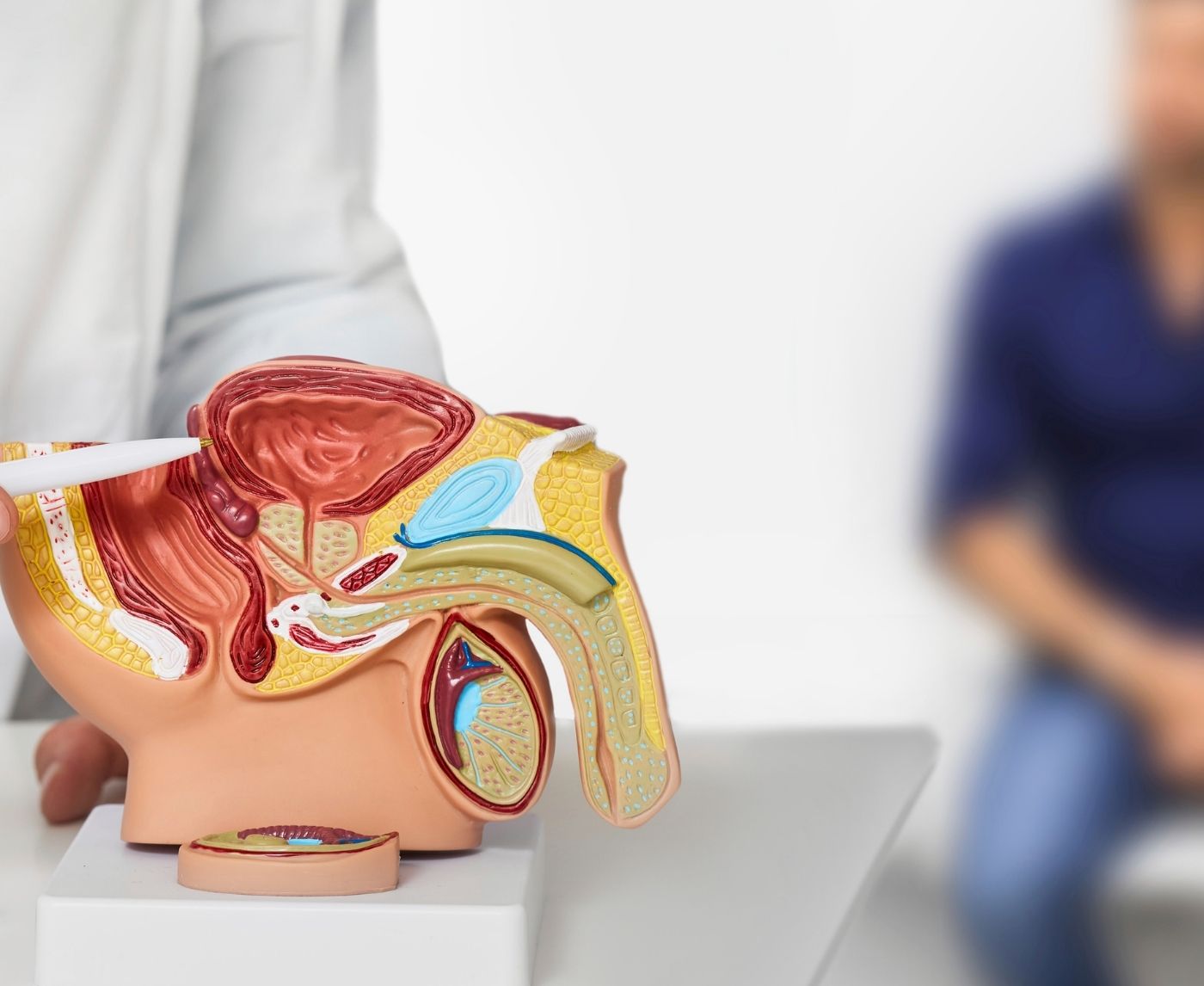
Quick Answer: Yes, you can have an STD in your rectum without symptoms. Infections like chlamydia, gonorrhea, herpes, and even early syphilis can infect the rectum without causing pain, bleeding, or noticeable discharge, which is why routine rectal STI testing matters.
The Part No One Explains: “No Symptoms” Is Common
We’re trained to look for obvious warning signs. Burning. Bleeding. Intense pain. But rectal STDs don’t always announce themselves that way. In fact, many infections that affect the rectum are either mild or completely silent.
According to CDC screening guidance, rectal chlamydia and gonorrhea are frequently asymptomatic, especially in people who engage in receptive anal sex. Some studies suggest that more than half of rectal chlamydia cases produce no noticeable symptoms at all. That means you could feel completely fine and still test positive.
One patient, Daniel, 28, told me, “I felt normal. I only tested because my partner said they tested positive. I was shocked when mine came back positive too.” He had zero rectal pain, no itching, no bleeding, nothing.
This is what we mean when we talk about silent STDs. They don’t feel dramatic. They don’t interrupt your day. But they can still be transmitted to partners, and they can still cause complications if untreated.

Which Rectal STDs Commonly Have No Symptoms?
Not every infection behaves the same way. Some are more likely to be silent, while others tend to cause discomfort or visible lesions. But even the “painful” ones don’t always follow the rulebook.
| Infection | How It Infects the Rectum | Are Symptoms Always Present? | Possible Subtle Signs |
|---|---|---|---|
| Chlamydia | Bacterial infection transmitted during anal sex | Often asymptomatic | Mild discharge, slight irritation, or none |
| Gonorrhea | Bacterial infection of rectal lining | Frequently asymptomatic | Itching, light mucus, minor discomfort |
| Herpes (HSV-1 or HSV-2) | Skin-to-skin viral transmission | Can be asymptomatic between outbreaks | Tingling, mild internal soreness |
| Syphilis | Bacterial infection via direct contact | Early stages may go unnoticed | Small painless sore inside rectum |
Table 1. Rectal STIs and how often they present without symptoms.
Notice something important here: asymptomatic does not mean rare. It means common enough that screening guidelines specifically recommend rectal STI testing for people who engage in receptive anal sex, even if they feel fine.
What “Asymptomatic” Actually Means (And What It Doesn’t)
Asymptomatic doesn’t always mean zero sensation. Sometimes it means symptoms are so subtle they’re dismissed. A slight change in bowel habits. A tiny bit of mucus that you assume is normal. A faint internal pressure you chalk up to hemorrhoids.
Rectal infections can also overlap with common non-STD conditions like fissures, hemorrhoids, or simple irritation from friction. That overlap is why so many people search things like “anal itching STD or hemorrhoids” or “rectal infection no discharge.” The confusion is understandable.
But here’s the investigator voice kicking in: symptoms cannot reliably tell you whether you have a rectal STD. Testing can.
Why Rectal Infections Often Go Unnoticed
The rectum doesn’t have the same type of sensory nerve endings as external genital skin. That means inflammation can occur internally without producing intense pain. The infection may remain localized to the rectal lining, producing microscopic inflammation rather than dramatic discomfort.
There’s also stigma at play. Many people simply don’t look. They don’t check. They don’t talk about rectal health openly. So subtle changes get ignored.
For men who have sex with men, rectal chlamydia and gonorrhea rates are significantly higher than in the general population, and asymptomatic infections are common. For women who engage in anal sex, rectal infections are often under-tested entirely, meaning infections are missed simply because no one swabs that site.
Testing only urine will not detect a rectal infection. That’s a crucial point. If exposure occurred through anal sex, a rectal swab is required.
How Testing Actually Works (And Why It’s Straightforward)
Rectal STI testing typically uses a nucleic acid amplification test, often called a NAAT. This test detects the genetic material of bacteria like chlamydia and gonorrhea and is highly sensitive when collected correctly.
Collection is simple. A small swab is inserted gently into the rectum, rotated, and placed into a testing tube. It’s not glamorous, but it’s quick. And it’s the only way to know for sure.
If you want privacy and control, you can explore discreet at-home options through STD Test Kits. Many people prefer testing from home rather than navigating clinic stigma or long waits.
Peace of mind doesn’t require panic. It requires clarity.
If You Feel Completely Normal, Should You Still Test?
This is where the anxiety usually splits in two directions. One voice says, “You’re fine. You’d know if something was wrong.” The other whispers, “What if you don’t?”
Here’s the grounded answer: if you’ve had receptive anal sex and you don’t know your partner’s STI status, testing is recommended, even if you have zero rectal STD symptoms. Silence is not proof of safety. It’s simply a lack of detectable sensation.
Screening guidelines in the United States recommend at least annual rectal testing for sexually active men who have sex with men, and more frequent testing (every 3–6 months) for those with multiple partners. Increasingly, providers are also encouraging rectal STI testing for women and nonbinary people who engage in anal sex, because infections don’t care about gender identity, they care about exposure site.
Timing Matters More Than Symptoms
One of the biggest misconceptions is that you can test immediately after exposure and trust the result. In reality, every infection has a window period, the time between exposure and when a test can reliably detect it.
If you test too early, even the most accurate test can come back negative. That doesn’t mean you’re in the clear. It means your body hasn’t produced enough detectable material yet.
| Infection | Typical Window Period | Best Time to Test After Anal Exposure |
|---|---|---|
| Chlamydia | 7–14 days | 14 days for highest accuracy |
| Gonorrhea | 7–14 days | 14 days for reliable detection |
| Herpes | 2–12 days for symptoms; weeks for antibodies | Test lesions if present; antibody testing after 6–12 weeks |
| Syphilis | 3–6 weeks | 6 weeks or longer for antibody testing |
Table 2. Approximate window periods for common rectal STIs following exposure.
If it’s been less than a week, waiting may improve accuracy. If it’s been two weeks or more, testing now makes sense. If anxiety is eating you alive, testing once for peace of mind and again at the optimal window is a reasonable plan.
But What About Rectal Herpes With No Sores?
Herpes complicates the conversation. People often search “rectal herpes no sores” because they assume herpes must always be visible. That’s not entirely true.
Herpes can shed virus even when no sores are present. However, most people with rectal herpes eventually experience some type of symptom, tingling, soreness, painful bowel movements, or visible lesions, at least during their first outbreak.
The catch? That first outbreak can be mistaken for a hemorrhoid, fissure, or simple irritation. And between outbreaks, the virus can remain dormant and invisible.
If you’ve never had symptoms and simply want reassurance after anal sex, herpes antibody testing may be discussed, but it’s more nuanced than bacterial STI testing. A conversation with a provider can help clarify whether testing is appropriate in your specific situation.
Proctitis: When Inflammation Is the Only Clue
Sometimes a rectal STD doesn’t cause obvious discharge or sores but instead triggers inflammation of the rectal lining, a condition called proctitis. This can cause subtle pressure, urgency to have a bowel movement, or mild discomfort without visible bleeding.
Proctitis can be caused by chlamydia, gonorrhea, herpes, or non-sexually transmitted conditions like inflammatory bowel disease. The symptoms overlap heavily.
That’s why guessing rarely works. Testing clarifies the picture. If untreated, infectious proctitis can persist and increase the risk of transmitting bacteria or viruses to partners.
The Emotional Spiral Is Real, Let’s Talk About It
Amara, 24, told me she avoided testing for months because she felt fine. “I kept telling myself, if something was wrong, I’d feel it.” She didn’t. Until her partner developed symptoms and tested positive for rectal gonorrhea.
Her test came back positive too, completely asymptomatic.
The hardest part for her wasn’t the antibiotics. It was the shame. The fear that she “should have known.” But infections don’t come with moral warning labels. They come with biology.
And biology doesn’t always send loud signals.

At-Home Rectal Testing: Private, Accurate, Real
If clinic visits feel intimidating, you’re not alone. Many people avoid rectal STI testing because of embarrassment or fear of judgment. That delay is often what allows silent infections to persist.
Discreet home testing options now allow rectal swab collection in private. Kits are mailed in unmarked packaging, and results are confidential. For many people, this removes the biggest barrier: shame.
You can explore combination options that test for multiple infections at once, including rectal chlamydia and gonorrhea, through the 6‑in‑1 At‑Home STD Test Kit. Testing isn’t an admission of guilt. It’s an act of care.
You deserve to know what’s happening in your own body, even if it feels perfectly normal.
What Happens If You Don’t Test a Silent Rectal Infection?
Let’s remove the drama and talk plainly. Most rectal infections like chlamydia and gonorrhea are treatable. A short course of antibiotics clears them. The body recovers. Life moves on.
The issue isn’t catastrophe. It’s continuation.
When a rectal STD goes undetected because there are no symptoms, it can persist for months. During that time, it can be transmitted to partners. It can also increase vulnerability to acquiring other infections, including HIV, because inflammation in the rectal lining makes transmission biologically easier.
Untreated syphilis progresses in stages. Early sores may be painless and hidden internally. Later stages affect the nervous system and organs. This progression is preventable with early detection.
So the question isn’t “Will I collapse tomorrow?” The question is, “Do I want clarity now or uncertainty later?”
Common Situations Where People Assume They’re Safe
There are patterns I see over and over again. Intelligent, thoughtful people making completely understandable assumptions that just aren’t medically accurate.
“We used a condom most of the time.” “Only the tip went in.” “They looked clean.” “I don’t have anal pain or bleeding.”
None of these are reliable indicators. Condoms significantly reduce risk but are not perfect. Partial penetration still involves mucosal contact. And looking healthy tells you nothing about asymptomatic infections.
Rectal STDs do not require dramatic trauma to transmit. Microscopic tears and simple mucosal exposure are enough.
Does Gender Change the Risk?
Rectal infections are often discussed primarily in the context of men who have sex with men, and for good reason, prevalence rates are higher in that population due to network dynamics and screening patterns.
But women and nonbinary individuals who engage in anal sex can absolutely develop rectal STIs without symptoms. The problem is that rectal screening is frequently skipped in heterosexual healthcare conversations unless the patient specifically requests it.
That means infections are missed not because they’re rare, but because no one swabbed the right site.
If exposure happened rectally, testing should be rectal. Urine alone does not rule out a rectal infection.
How to Decide If You Need Rectal STI Testing
Instead of guessing based on sensations, decide based on exposure. The body doesn’t vote on infection, contact determines risk.
| Scenario | Rectal Test Recommended? | Why |
|---|---|---|
| Receptive anal sex without condom | Yes | Direct mucosal exposure |
| Condom used entire time | Consider | Reduced risk, but not zero |
| Partner later tests positive | Yes | Known exposure |
| No anal sex | No | No rectal exposure |
| Anal sex months ago, no testing since | Yes | Asymptomatic infections can persist |
Table 3. Exposure-based decision guidance for rectal STI testing.
This isn’t about paranoia. It’s about matching the test to the behavior.
What If the Test Is Positive, But You Felt Fine?
This is where people often freeze. They equate absence of symptoms with absence of harm, so a positive result feels surreal.
But a positive rectal chlamydia or gonorrhea result doesn’t mean your body failed. It means bacteria entered tissue and replicated quietly. Antibiotics treat that. Full stop.
Treatment is straightforward. Your provider may recommend partner notification and retesting in about three months to ensure reinfection has not occurred. That follow-up is about prevention, not punishment.
And here’s something important: testing positive without symptoms is common. You are not unusual. You are not reckless. You are human.
The Myth That “If It Doesn’t Hurt, It’s Not There”
Pain is a dramatic teacher. But infection doesn’t always use pain as its messenger.
The rectum can harbor bacteria with minimal discomfort. Inflammation can remain microscopic. Viral shedding can occur invisibly. That’s why phrases like “painless STD in anus” or “STD in rectum but no pain” are searched thousands of times every month.
People aren’t looking for drama. They’re looking for reassurance.
Reassurance comes from data, not sensation.
So What’s the Smart Move If You’re Unsure?
If you’ve had receptive anal sex and you’re sitting there feeling completely normal but mentally spiraling, the smartest move is simple: test based on exposure, not symptoms.
You don’t need visible sores. You don’t need anal pain. You don’t need bleeding. Rectal STIs are often silent, and silence isn’t reassurance, it’s uncertainty.
If it has been at least 14 days since possible exposure, a rectal swab for chlamydia and gonorrhea is highly reliable. If exposure was more recent, you can test now for peace of mind and repeat at the optimal window. That plan isn’t excessive. It’s thorough.
What About Anal Itching, Mild Pressure, or “Maybe Something”?
Sometimes people read articles like this and suddenly notice sensations they hadn’t before. A faint itch. A slight change in bowel movement. A feeling that might be normal, or might not.
Here’s the grounded truth: mild symptoms are incredibly non-specific. Hemorrhoids, fissures, friction, new sexual activity, diet changes, even stress can cause similar sensations. That’s why searching “anal itching STD or hemorrhoids” rarely produces clarity.
Testing does.
If symptoms are severe, intense pain, heavy bleeding, fever, or inability to pass stool, that warrants urgent medical evaluation. But subtle sensations alone cannot diagnose or rule out a rectal infection.
Retesting and Ongoing Screening: A Quiet Form of Self-Respect
If your test is negative, that’s relief. But relief isn’t permanent immunity. Future exposures carry new risk.
Sexually active individuals who engage in receptive anal sex often benefit from regular screening every 3–12 months depending on number of partners and risk level. Many healthcare providers recommend every 3–6 months for people with multiple partners.
Routine testing reframes the narrative. It shifts from “I think something is wrong” to “This is part of how I take care of myself.”
You brush your teeth without waiting for cavities. You get oil changes before the engine fails. STI screening fits into that same logic.
FAQs
- 1. So seriously, I can feel totally normal and still have a rectal STD?
- Yes. That’s the uncomfortable truth. Many rectal infections, especially chlamydia and gonorrhea, cause zero obvious symptoms. No pain. No bleeding. No dramatic discharge. You can go about your day, hit the gym, grab coffee, feel completely fine, and still test positive. Silence doesn’t mean safety. It just means your body isn’t making a scene about it.
- 2. If I don’t have anal pain, why would bacteria even stay there?
- Because bacteria don’t need to hurt you to survive. The rectal lining can host infection with very mild inflammation that you won’t consciously feel. Think microscopic, not theatrical. Your nerves aren’t required to sound an alarm for something to exist.
- 3. I used a condom. Doesn’t that make this unlikely?
- Condoms dramatically reduce risk, and that matters. But “reduced” isn’t the same as zero. Slippage, partial contact, or exposure before or after application can still allow transmission. Testing after exposure isn’t paranoia. It’s confirmation.
- 4. What if it was just one time?
- Infections don’t count encounters. If the exposure involved receptive anal sex and your partner had an untreated STI, one time is biologically enough. That doesn’t make you reckless. It makes you human.
- 5. Could mild itching or pressure mean something?
- Maybe. Or maybe it’s friction, hemorrhoids, stress, diet changes, or absolutely nothing. The tricky part is that mild symptoms overlap heavily with normal life. That’s why guessing based on sensation usually increases anxiety instead of reducing it. A swab answers the question faster than overthinking ever will.
- 6. What if I test positive and feel embarrassed telling a partner?
- That feeling is common. It’s also survivable. Most partners appreciate honesty more than silence. You can keep it simple: “I tested positive for something that can be asymptomatic. I’m getting treated. You should test too.” This isn’t a confession. It’s a health update.
- 7. Is rectal STI testing only for gay men?
- No. Rectal infections are about exposure site, not identity. Anyone, regardless of gender, who engages in receptive anal sex can develop a rectal infection. Screening conversations sometimes center men who have sex with men because prevalence is higher, but biology doesn’t discriminate.
- 8. Will antibiotics fix it even if I had no symptoms?
- Yes. Bacterial infections like chlamydia and gonorrhea are treated whether symptoms exist or not. Treatment prevents complications and reduces the chance of passing it to someone else. Feeling fine doesn’t change the treatment plan.
- 9. I’m scared to test because I don’t want bad news. Is that irrational?
- Not at all. Avoidance is a very human response to uncertainty. But here’s the grounding truth: if something is there, it’s there whether you look or not. Testing doesn’t create infection, it reveals it. And most results are manageable, treatable, and far less catastrophic than the anxiety leading up to them.
- 10. How do I stop obsessing while I wait to test?
- Make a plan. Pick a test date based on the window period. Put it on your calendar. Then step away from symptom-checking forums. Your brain wants certainty, give it a timeline instead. Structure calms spirals.
You Deserve Answers, Not Assumptions
If you’ve been asking yourself, can you have an STD in your rectum without symptoms, the answer is yes. And that answer isn’t meant to scare you. It’s meant to empower you.
Most rectal infections are treatable. Many are common. Nearly all are manageable when detected early. What causes harm isn’t the infection, it’s delay born from silence.
Don’t wait and wonder. If exposure happened, take control. You can explore discreet, at-home options through this Combo STD Home Test Kit and get clarity without a waiting room, without judgment, and without guessing.
Your results. Your privacy. Your power.
How We Sourced This Article: This article combines current screening guidance from the CDC and other medical authorities with peer-reviewed research on asymptomatic rectal STIs and lived-experience reporting to reflect how people actually encounter these infections. Approximately fifteen sources informed the writing. Below are six of the most reader-relevant and authoritative references. All external links open in a new tab for verification and clarity.