Can I Test for STDs While on PrEP? What Changes
Quick Answer: Yes, you can test for STDs while on PrEP. When taken consistently, it reduces sexual HIV transmission risk by about 99%, according to the CDC. That protection is specific to HIV.
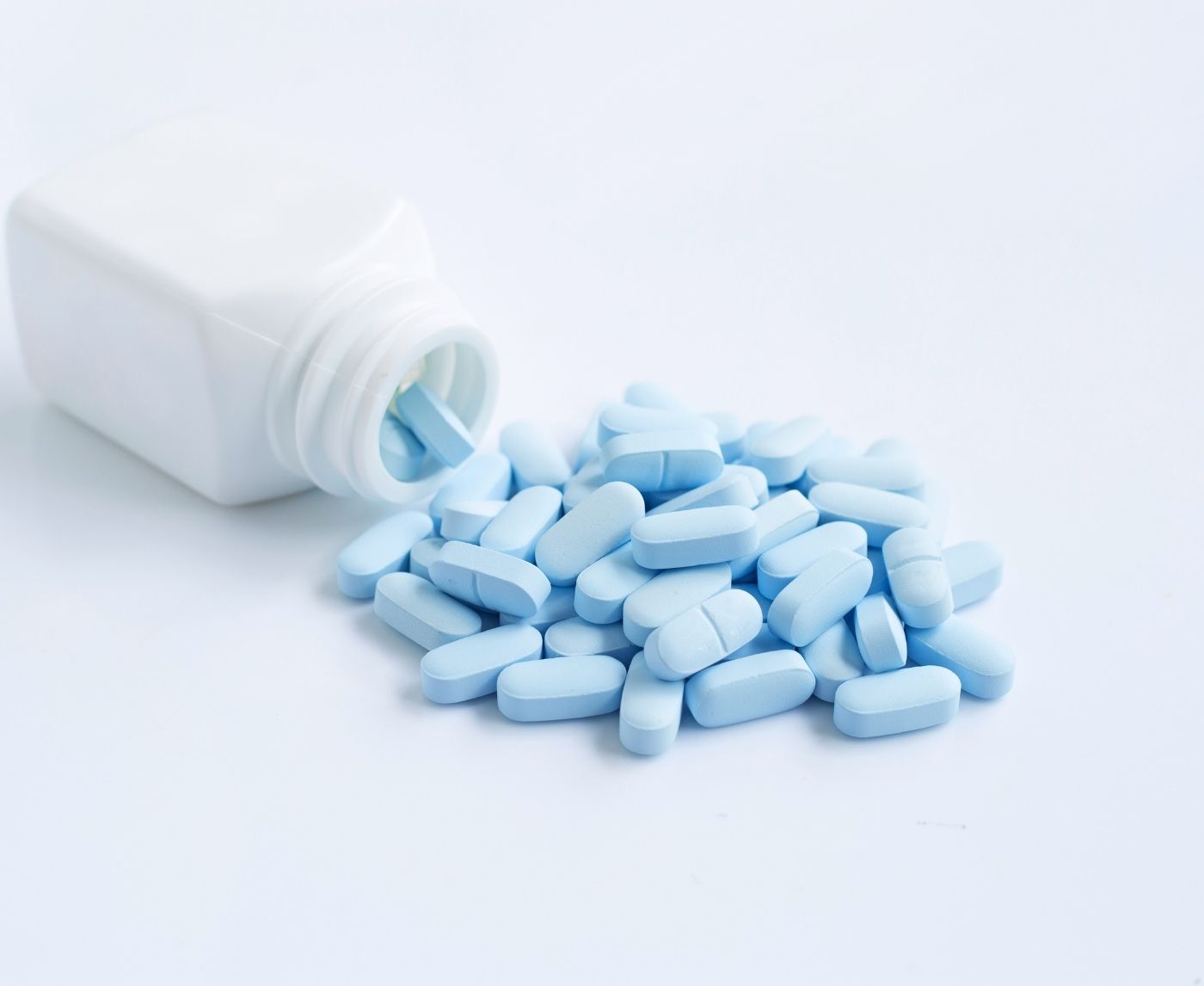
Quick Answer: Yes, you can test for STDs while on PrEP. PrEP does not affect chlamydia, gonorrhea, or syphilis test results, but it can influence how HIV testing is monitored, which is why regular, properly timed HIV tests are required every three months.
What PrEP Actually Does , And What It Doesn’t
PrEP, or pre-exposure prophylaxis, uses antiretroviral medication to prevent HIV from establishing infection in your body. When taken consistently, it reduces sexual HIV transmission risk by about 99%, according to the CDC. That protection is specific to HIV. It is not a force field for other infections.
This is where confusion starts. Some people assume, “If I’m on PrEP, I don’t really need STD tests anymore.” Others worry the opposite: “What if PrEP hides HIV on a test?” Both questions deserve calm, factual answers.
PrEP does not interfere with testing for chlamydia, gonorrhea, or trichomoniasis. Those are typically detected using NAAT or PCR testing, which identifies bacterial genetic material. PrEP does not change that process. If you have one of those infections, the test will still detect it.
Where things get more technical is HIV testing. Because PrEP uses HIV medications, doctors must confirm you are HIV-negative before starting and while continuing the prescription. This is why HIV testing while on PrEP happens every three months. It isn’t bureaucracy. It’s safety.

Does PrEP Affect HIV Test Results?
This is the question that keeps people awake: does PrEP affect HIV test accuracy?
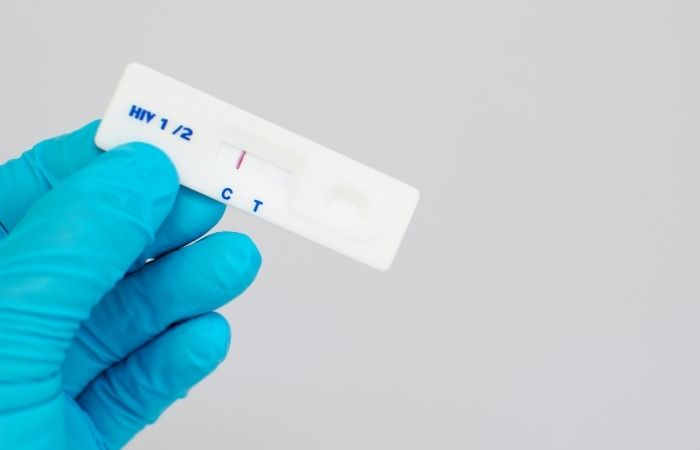
Here’s the grounded answer. In rare cases, if someone acquires HIV while inconsistently taking PrEP, the medication can slightly delay antibody development. That means certain antibody-only tests might detect infection a bit later than expected. This is why modern guidelines recommend antigen/antibody combination tests or, in higher-risk situations, HIV RNA testing.
What PrEP does not do is “hide” HIV forever. It does not create permanent false negatives. It does not make HIV undetectable on proper testing. The key is using the right test at the right time.
Think of it like this: PrEP can sometimes soften the early viral signal, but it does not erase it. That’s why structured, quarterly testing exists.
| Test Type | What It Detects | Typical Window | Does PrEP Affect It? |
|---|---|---|---|
| HIV Antibody Test | Antibodies your body makes | 3–12 weeks | May slightly delay detection if infection occurs during inconsistent PrEP use |
| HIV Antigen/Antibody (4th Gen) | p24 antigen + antibodies | 2–6 weeks | Preferred while on PrEP; reliable with routine monitoring |
| HIV RNA (NAT) | Viral genetic material | 10–33 days | Not affected in a clinically meaningful way; used if early infection suspected |
Table 1. HIV test types and how PrEP interacts with detection timelines.
If you’ve been Googling “PrEP false negative HIV test,” the takeaway is this: rare, delayed detection can happen, but structured monitoring prevents missed infections. That’s why providers follow strict guidelines before renewing prescriptions.
You Still Need STD Testing on PrEP, Here’s Why
Let’s talk about the part people don’t always say out loud. Being on PrEP often means you’re sexually active. Maybe you have multiple partners. Maybe you’re in an open relationship. Maybe condoms aren’t used every time. None of that is a moral failure. It’s a reality of adult sexual life.
But PrEP only blocks HIV. Rates of gonorrhea, chlamydia, and syphilis have risen in populations where PrEP use is high. Not because PrEP causes STDs, but because HIV anxiety decreases and condom use sometimes drops.
That’s why guidelines recommend screening every three months for people on PrEP. That includes urine testing, throat swabs, and rectal swabs depending on exposure type. Many infections are asymptomatic. You can feel completely fine and still test positive.
“I felt totally normal,” one patient told me. “No discharge. No pain. Nothing. I only tested because it was my routine PrEP check.” It came back positive for rectal chlamydia. Treated quickly. No long-term harm. But without screening? It could have lingered silently.
This is what changes on PrEP: testing becomes structured. It becomes routine. It stops being crisis-based and starts being maintenance.
How Often Should You Test While on PrEP?
If you’re on PrEP, testing isn’t optional. It’s built into the prescription. Every three months, your provider should confirm you are still HIV-negative before refilling your medication. That quarterly rhythm is intentional. It protects you.
But HIV isn’t the only thing being monitored. Most clinical guidelines recommend screening for chlamydia, gonorrhea, and syphilis at least every three months as well if you’re sexually active with new or multiple partners. Some providers also screen every six months in lower-risk situations, but quarterly is common for many people on PrEP.
This is where people sometimes get confused. They think, “If I feel fine, do I really need STD tests on PrEP?” The answer is yes. Many bacterial STDs cause no symptoms at all, especially in the throat or rectum. Waiting for burning or discharge means you may miss silent infections.
| Test | How Often on PrEP | Why It Matters |
|---|---|---|
| HIV (4th Gen or RNA if needed) | Every 3 months | Required to safely continue PrEP and catch rare breakthrough infections early |
| Chlamydia & Gonorrhea (urine + site-specific swabs) | Every 3 months if ongoing risk | Often asymptomatic; prevents complications and partner spread |
| Syphilis (blood test) | Every 3 months if ongoing risk | Can progress silently; early treatment prevents long-term damage |
| Kidney Function Labs | Every 6–12 months | Monitors medication safety, not infection |
Table 2. Standard monitoring schedule for individuals taking PrEP.
Routine testing doesn’t mean something is wrong. It means you’re managing your health intentionally. It shifts testing from panic to maintenance.
What If You Just Started PrEP After a Risky Night?
This scenario happens more than people admit. A condom breaks. A new partner doesn’t disclose something. There’s a weekend you don’t fully remember. You start PrEP soon after and then the spiral begins: when to test after starting PrEP? Did I start too late? Could PrEP hide HIV?
First, PrEP is preventive. It is not the same as PEP (post-exposure prophylaxis). If exposure was within the past 72 hours, PEP is typically recommended instead. If you’ve already transitioned to PrEP, your provider should have confirmed HIV-negative status before prescribing.
If you’re worried about a very recent exposure, timing matters. Testing too early can produce false reassurance because of the window period , the time between exposure and when a test can reliably detect infection.
For HIV, a fourth-generation antigen/antibody test can typically detect infection within 2–6 weeks. HIV RNA testing can detect even earlier, sometimes around 10–33 days. If exposure was extremely recent, your provider may recommend repeat testing even if your first result is negative.
This doesn’t mean PrEP masks infection. It means biology has timelines.
Understanding Window Periods While on PrEP
Window periods do not disappear just because you’re on PrEP. They still apply. What changes is how carefully HIV is monitored during that period.
If you search “PrEP HIV window period testing,” what you’re really asking is: will PrEP change how long I need to wait? For most people taking PrEP correctly and consistently, standard window timelines still apply. However, if infection occurred during inconsistent adherence, providers may use RNA testing to rule out very early infection.
For bacterial STDs like chlamydia and gonorrhea, detection is usually possible within 7–14 days after exposure. Syphilis antibodies typically appear within 3–6 weeks. PrEP does not alter these bacterial timelines at all.
| Infection | Earliest Detection | Best Accuracy Window | Changed by PrEP? |
|---|---|---|---|
| HIV (4th Gen) | ~2 weeks | 4–6 weeks | Requires routine monitoring; may use RNA if concern |
| HIV (RNA) | 10–33 days | ~3–4 weeks | Used if early infection suspected |
| Chlamydia | 7 days | 14+ days | No |
| Gonorrhea | 7 days | 14+ days | No |
| Syphilis | 3 weeks | 6 weeks+ | No |
Table 3. Window periods for common infections and whether PrEP alters detection.
If you test too early and get a negative, that result may simply mean your body hasn’t reached detectable levels yet. That’s not failure. That’s timing.
Can You Use At-Home STD Tests While on PrEP?
Yes. Being on PrEP does not disqualify you from using at-home STD testing. In fact, for many people balancing work, travel, or privacy concerns, at-home testing makes quarterly screening easier to maintain.
For bacterial STDs, self-collected urine or swabs can be highly accurate when instructions are followed carefully. For HIV, at-home rapid tests detect antibodies and may have longer window periods than lab-based fourth-generation tests. That’s important context if you’re testing very soon after a possible exposure.
If you want discreet, structured screening without clinic visits, you can explore options directly at STD Test Kits. For broader screening, a combo STD home test kit can check for multiple common infections at once, which many people on PrEP prefer for quarterly maintenance.
Testing at home doesn’t replace medical oversight for PrEP prescriptions, but it can complement it. It keeps you informed between appointments. It keeps anxiety from building.
Breakthrough HIV Infections on PrEP: Rare, But Let’s Talk About It
This is the fear underneath the Google searches. “PrEP breakthrough infection testing.” “Can PrEP hide HIV?” “Does PrEP cause false negatives?” These searches usually don’t come from curiosity. They come from panic.
Breakthrough HIV infections while taking PrEP consistently are extremely rare. When they do occur, they are often linked to inconsistent adherence or exposure to drug-resistant virus strains. Even in those cases, infection is not invisible. It may require more sensitive testing, but it does not disappear.
Here’s why quarterly monitoring matters. If someone acquires HIV while inconsistently taking PrEP, viral levels may initially be lower than typical early infection. That can slightly delay antibody formation. This is why providers rely on fourth-generation antigen/antibody tests and sometimes HIV RNA testing instead of antibody-only tests.
One patient once told me, “I kept thinking the medication was covering something up.” What was actually happening was routine protocol. Their follow-up test was negative. Their fear had filled in blanks science had already accounted for.
PrEP does not mask HIV indefinitely. It does not turn infection into a ghost. Structured testing exists precisely so nothing gets missed.
Symptoms on PrEP: Side Effect, STD, or Anxiety?
You wake up with a sore throat. Or mild nausea. Or fatigue. Now the spiral starts. Is this a PrEP side effect? Is this acute HIV? Is this gonorrhea in the throat?
Early PrEP side effects, when they occur, are usually mild and temporary. Some people report nausea, headaches, or gastrointestinal discomfort during the first few weeks. These typically resolve. They do not mimic classic bacterial STD symptoms like painful urination or discharge.
But here’s where it gets tricky. Many STDs cause minimal or no symptoms. Rectal chlamydia can be silent. Throat gonorrhea can feel like nothing or a mild irritation. Syphilis may begin with a painless sore that’s easy to miss.
If you’re wondering “PrEP side effects vs STD symptoms,” the answer is rarely something you can determine by feeling alone. Testing clarifies what your body won’t.
| Symptom | Common With PrEP? | Common With STD? | Best Next Step |
|---|---|---|---|
| Mild nausea (first weeks) | Yes | Rare | Monitor; consult provider if persistent |
| Burning urination | No | Common with chlamydia or gonorrhea | Urine NAAT test |
| Sore throat after oral sex | No | Possible gonorrhea | Throat swab test |
| Rash on palms or soles | No | Possible syphilis | Blood test |
Table 4. Differentiating common PrEP side effects from potential STD symptoms.
When in doubt, test. Anxiety thrives in ambiguity. Testing replaces ambiguity with data.
If You Test Positive for an STD While on PrEP
First, breathe. Testing positive for chlamydia, gonorrhea, or syphilis while on PrEP does not mean PrEP failed. It means PrEP did exactly what it is designed to do: prevent HIV. It does not claim to prevent other infections.
Bacterial STDs are typically treatable with antibiotics. Treatment does not require stopping PrEP in most cases. In fact, remaining on PrEP continues to protect you from HIV during treatment and partner notification.
“I felt embarrassed,” another patient shared. “Like I should have known better.” But STDs are not moral verdicts. They are infections. They are manageable. And catching them through routine screening is responsible, not reckless.
If you receive a positive result through at-home testing, follow up for confirmation if recommended and begin treatment promptly. Continue quarterly HIV monitoring as scheduled.
If your brain immediately jumps to “Does this mean I have HIV too?” remember: different infections, different pathogens, different tests. PrEP dramatically reduces HIV risk when taken correctly. A bacterial STD does not automatically imply HIV infection.
Why Routine Testing on PrEP Is Actually Empowering
There’s a quiet shift that happens when testing becomes routine. It stops being something you do after a scare. It becomes something you do because you value your health.
Quarterly STD testing frequency on PrEP isn’t about distrust. It’s about transparency with yourself. It’s about protecting partners. It’s about knowing instead of guessing.
Some people worry that testing every three months means something is wrong with their lifestyle. It doesn’t. It means you are sexually active in the real world. And in the real world, responsible adults test.
If scheduling clinic visits feels exhausting or invasive, structured home screening can help you stay consistent. Maintaining routine testing reduces the emotional rollercoaster of “maybe” and replaces it with clarity.
FAQs
- 1. Be honest , can PrEP hide HIV from a test?
- I’ll be straight with you: no. PrEP does not permanently hide HIV. In rare breakthrough cases , usually involving inconsistent dosing , early detection can be slightly delayed, which is exactly why providers use fourth-generation or RNA testing. The system is built to catch what your anxiety thinks it’s missing. If you’re testing on schedule, you’re not going to “accidentally” carry HIV undetected because you’re on PrEP.
- 2. Okay, but what if I caught something last weekend?
- Deep breath. If the exposure was very recent, timing matters more than panic. HIV tests need days to weeks depending on type. Bacterial STDs like chlamydia or gonorrhea usually become detectable within 7–14 days. Testing too early can give you a negative that just means “too soon.” That’s not failure. That’s biology.
- 3. If I test positive for gonorrhea while on PrEP, does that mean PrEP failed?
- No. It means PrEP did exactly one job: prevent HIV. It was never designed to stop bacterial infections. Getting gonorrhea or chlamydia while on PrEP isn’t a contradiction , it’s just proof that PrEP covers one virus, not everything.
- 4. I have a sore throat. Is this throat gonorrhea or just anxiety?
- Here’s the honest answer: your throat cannot tell you. Some people with throat gonorrhea feel nothing. Others feel mild irritation. Anxiety can also amplify totally normal sensations. The only way to separate guesswork from reality is a throat swab. It’s quick. It’s boring. It’s clarifying.
- 5. If I miss a few doses, did I ruin everything?
- Not automatically. Protection depends on consistency and exposure type. Missing one pill occasionally isn’t the same as stopping for a week. But if you’ve missed multiple doses and had a high-risk exposure, call your provider and test according to their guidance. Information beats assumption every time.
- 6. Can I just use an at-home HIV test while on PrEP?
- You can, but context matters. Most at-home rapid tests are antibody-based and have longer window periods. If you’re testing very soon after exposure, a lab-based fourth-generation or RNA test may detect infection earlier. It’s not about which is “better.” It’s about timing.
- 7. If I feel totally fine, do I really need testing every three months?
- Yes , and I say that without judgment. Most bacterial STDs are silent. Rectal chlamydia doesn’t always announce itself. Syphilis can start with a painless sore you never see. Feeling normal doesn’t equal being negative. Routine testing is what makes PrEP safe long-term.
- 8. Does being on PrEP mean I’m ‘high risk’?
- No. It means you’re proactive. That’s it. Taking PrEP is prevention. Getting tested regularly is prevention. There’s nothing reckless about protecting yourself and your partners.
- 9. What if I’m still anxious after a negative test?
- That’s human. Testing solves infection; it doesn’t always solve fear. If the test was done at the right time and came back negative, the science supports you. If your brain keeps arguing, schedule the follow-up your provider recommends. Clarity comes in layers sometimes.
- 10. Is it weird that I actually feel calmer having a testing schedule?
- Not weird at all. Predictability lowers stress. When testing becomes routine instead of reactionary, you stop catastrophizing every symptom. You stop playing detective with your own body. You start operating with data.
You’re Not “Extra.” You’re Informed.
Being on PrEP doesn’t mean you stop testing. It means you test smarter. It means you understand that HIV prevention and STD screening are two different lanes of the same road. One blocks a virus. The other keeps everything else in check.
If you want to stay consistent without clinic scheduling stress, explore discreet screening options at STD Test Kits. For broader quarterly maintenance, a combo STD home test kit allows you to screen for multiple common infections privately and efficiently.
Testing while on PrEP isn’t paranoia. It’s maintenance. It’s care. It’s the difference between guessing and knowing.
How We Sourced This Article: This guide was built using current clinical guidelines from the CDC and WHO, peer-reviewed infectious disease research on PrEP monitoring and HIV testing accuracy, and lived-experience reporting from individuals using PrEP in real-world settings. Approximately fifteen sources informed the writing; below, we’ve highlighted six authoritative references for clarity and verification. All links open in a new tab so you can review the data directly.